
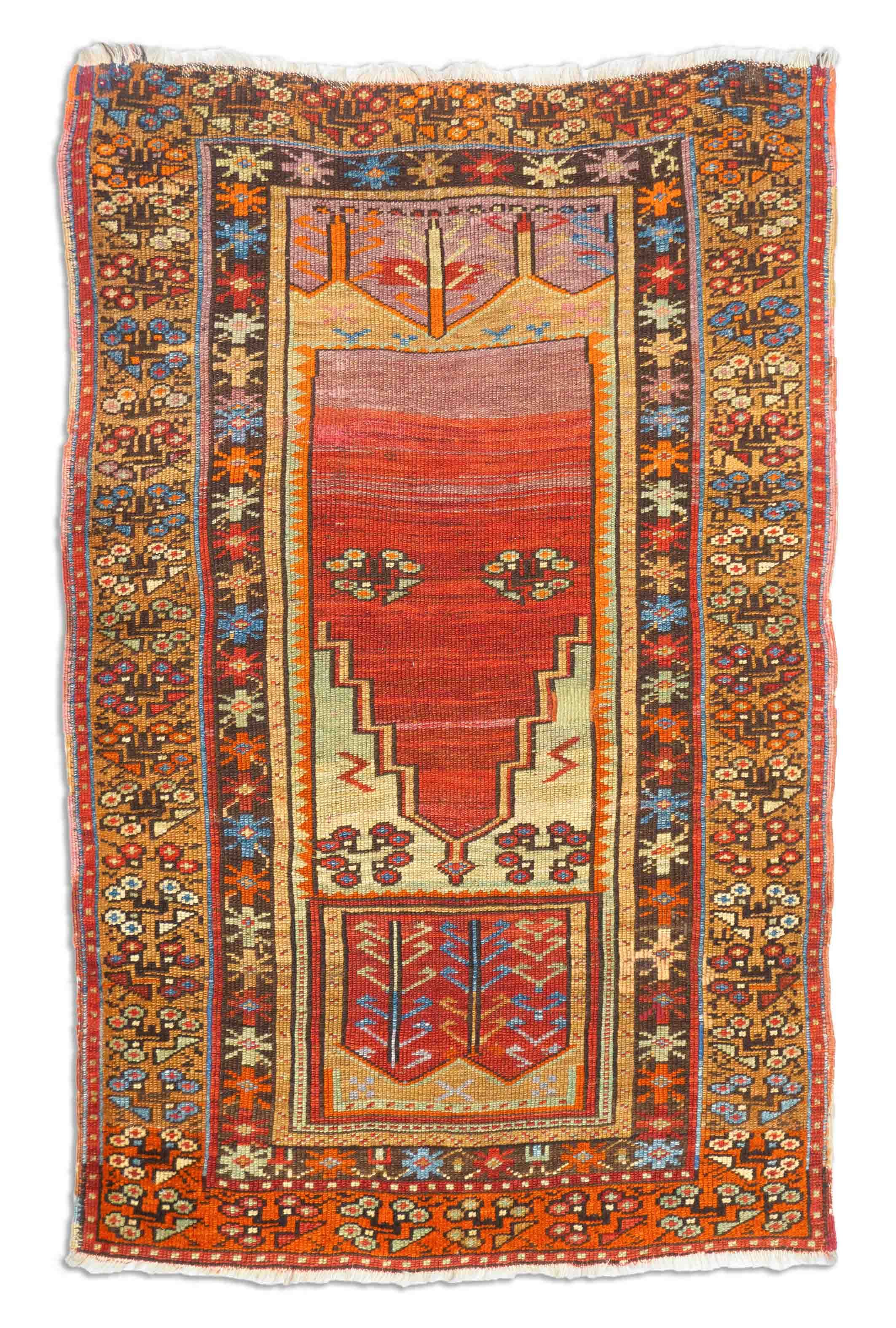
Antique Ladik | 147 x 99 cm | Nr. 13529


|
1-3 working days delivery time (within Germany) |

|
14-day home trial |

|
Free delivery & returns within the EU |
Antique Ladik
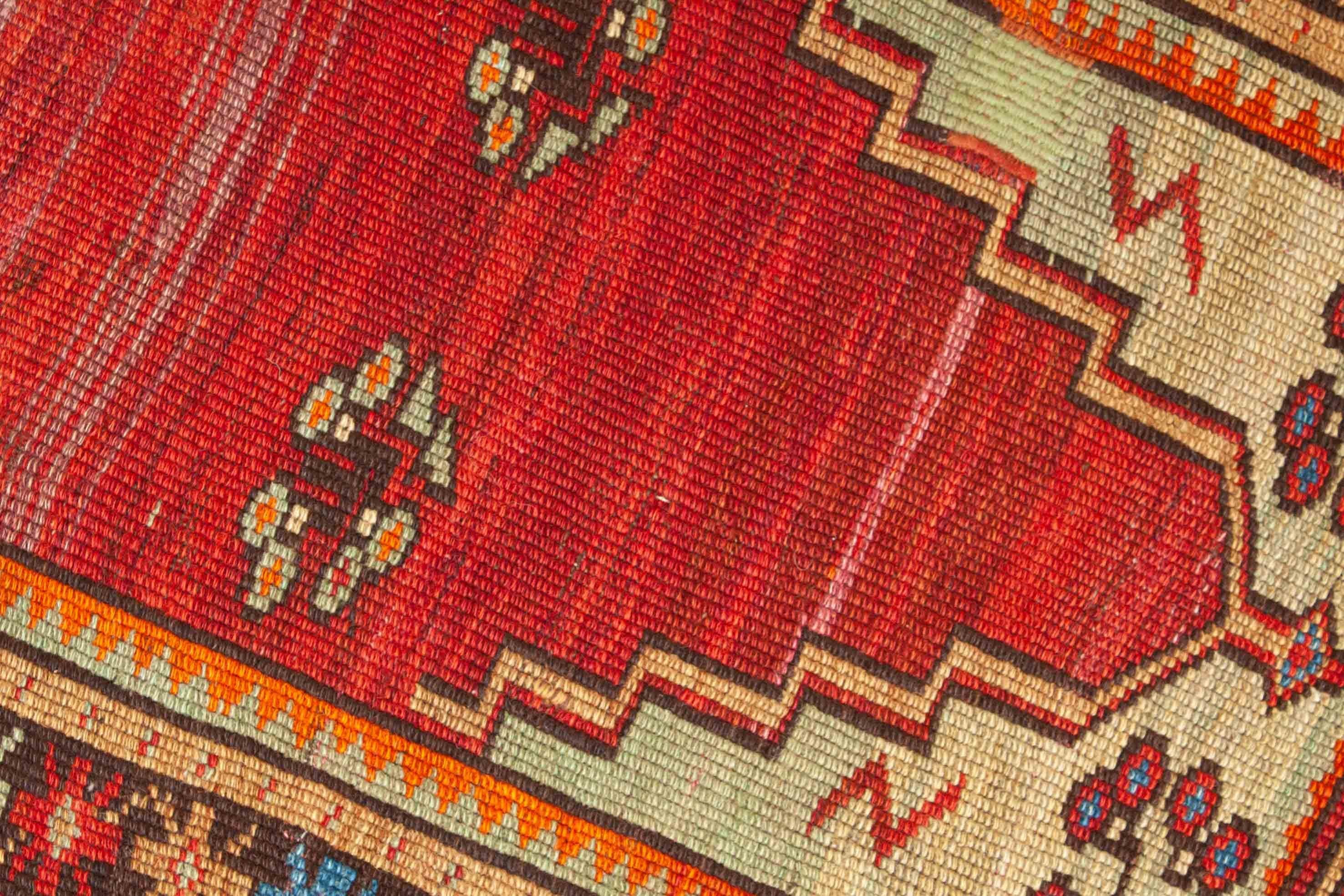
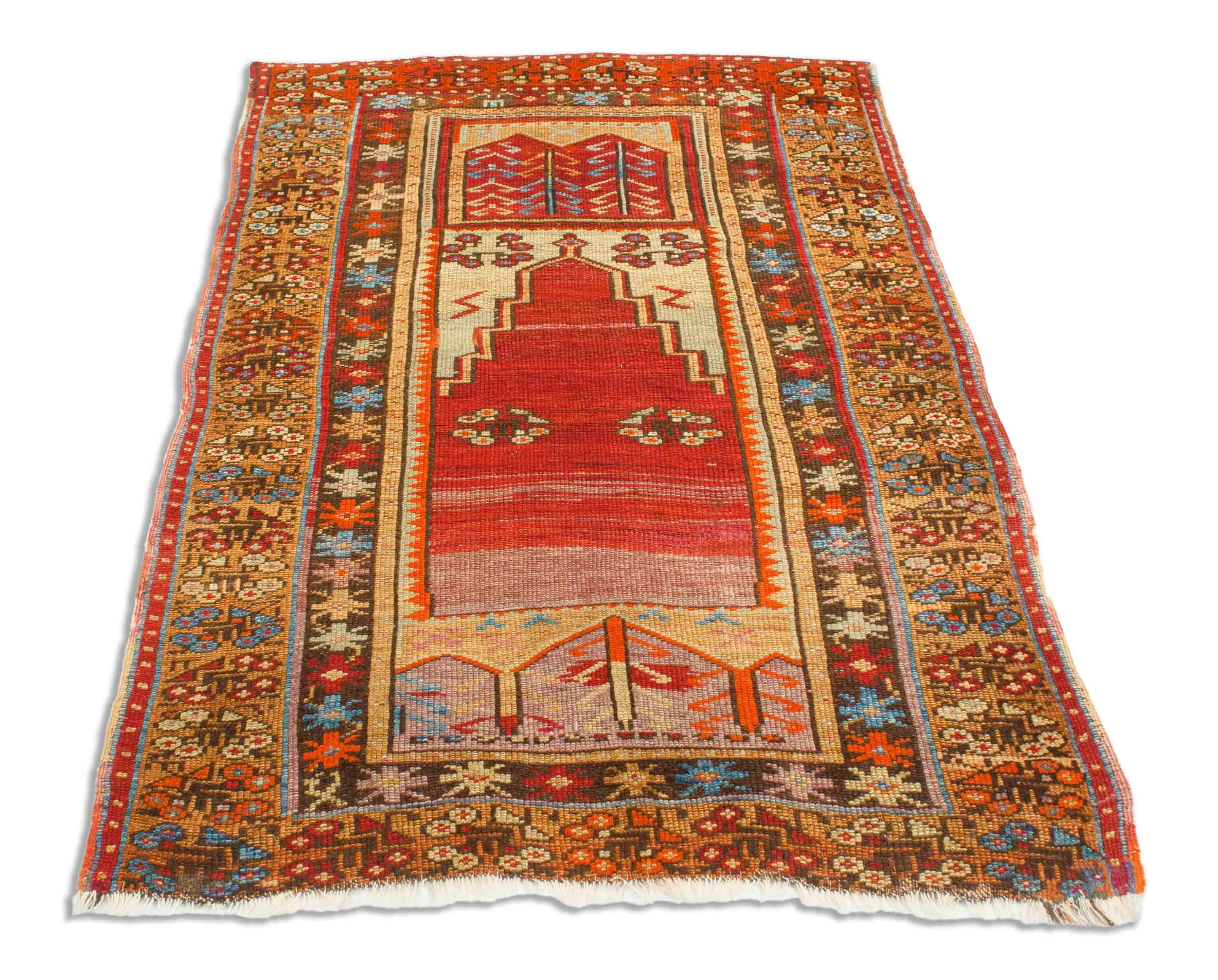
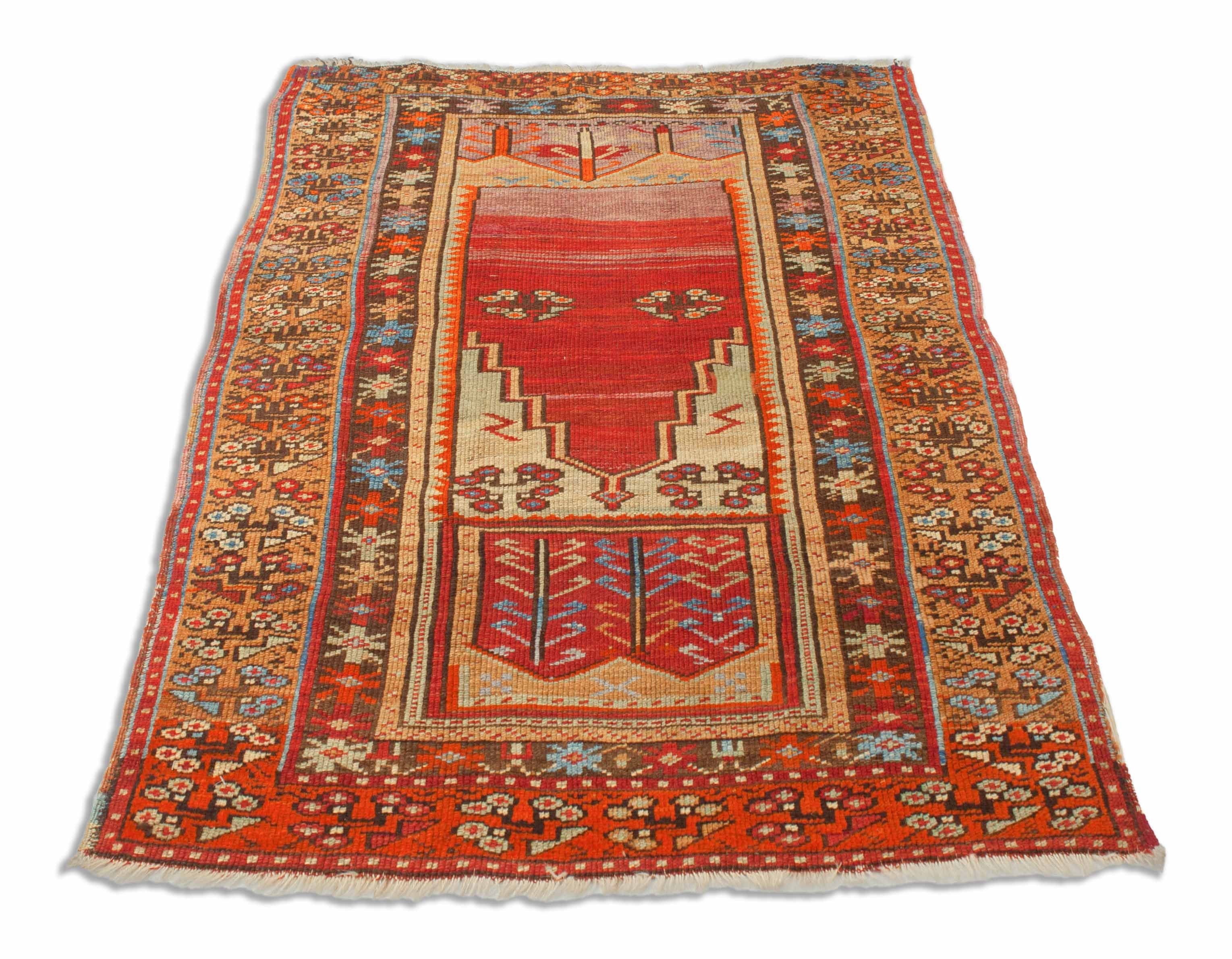
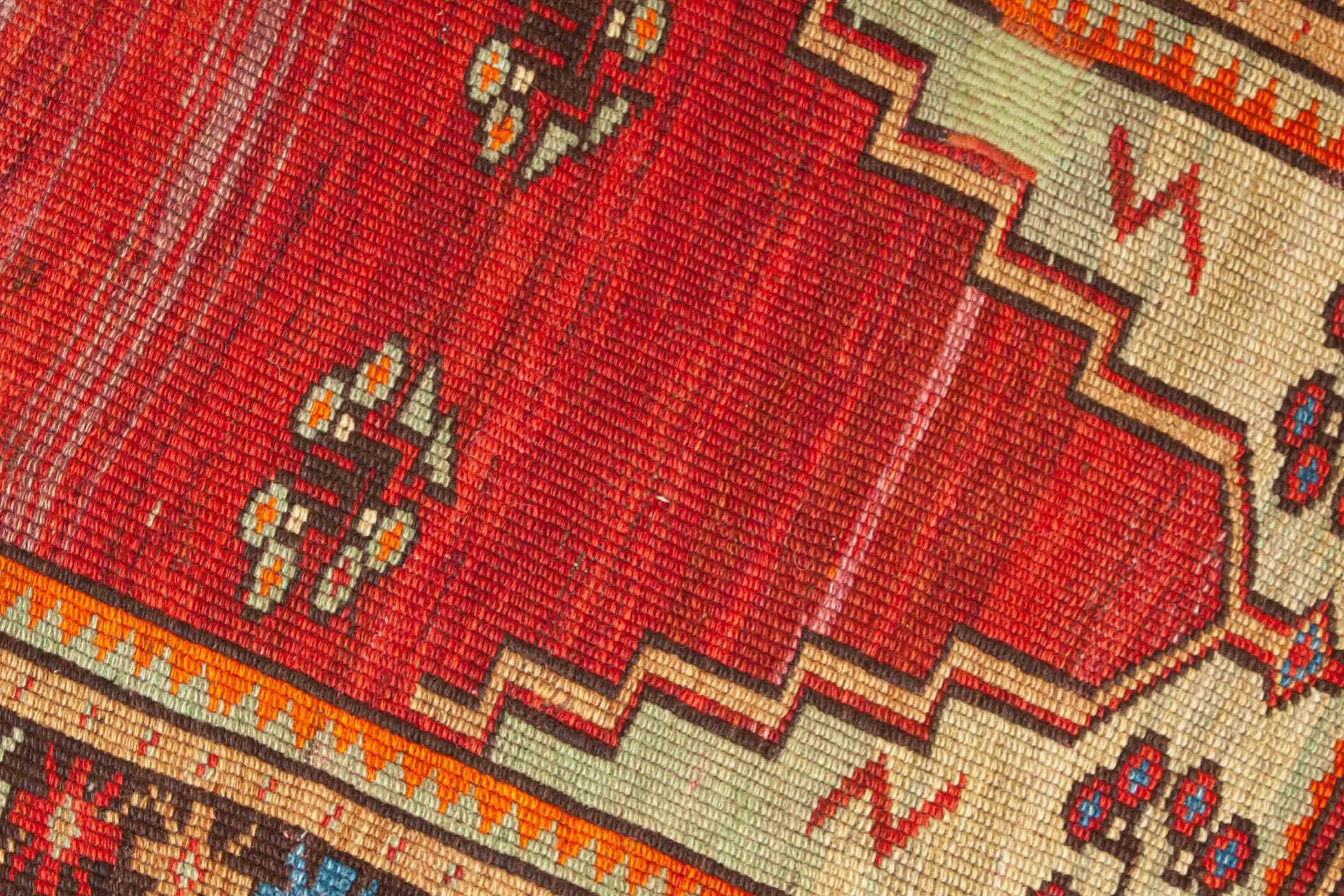
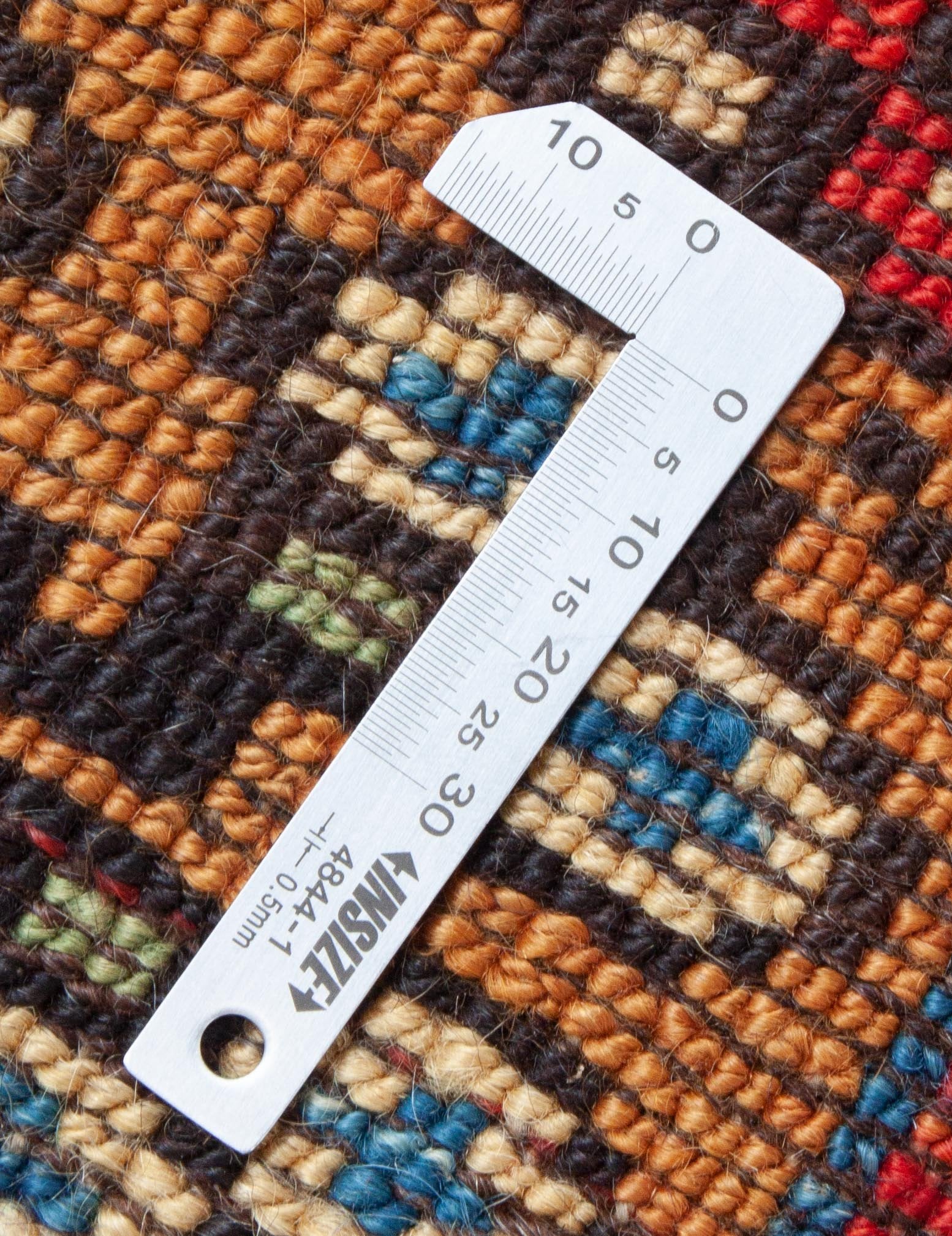
This rug in yellow and dark red combines traditional craftsmanship with timeless elegance. At approx. 120,000 knots per m², the workmanship is correspondingly intricate, as you can see in the precise drawing of the design and the finely worked details. Its 147 × 99 cm make it a bedside rug. It comes into its own just as nicely in a reading corner. A one-of-a-kind piece, it brings individual character to the room and holds its value far beyond short-lived trends.
| Availability | In stock | Delivery time: 1–3 working days |
| Origin | Turkey |
| Dimensions | 147 cm x 99 cm (= 1.46 m²) |
| Construction | hand-knotted |
| Material |
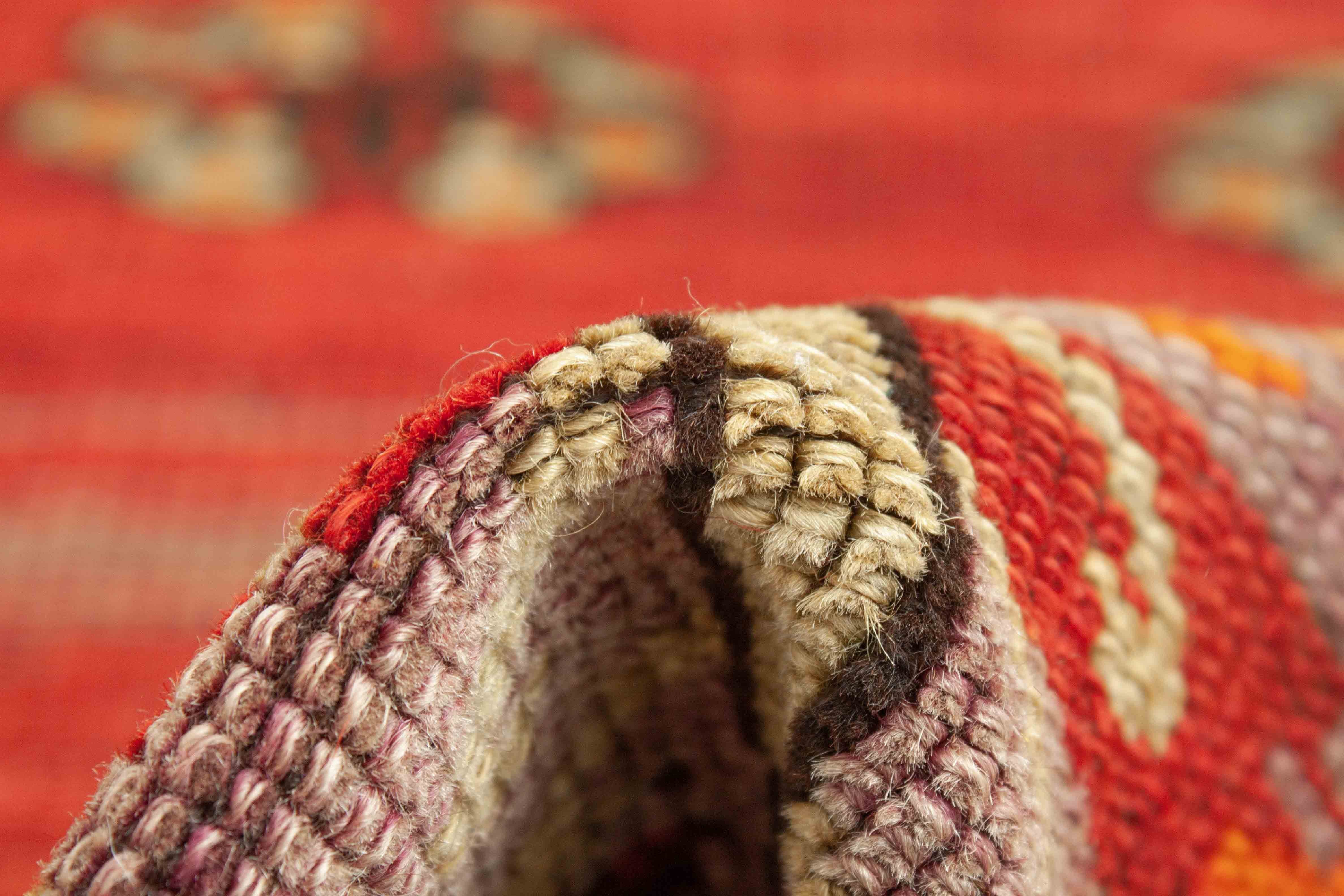
Pile: wool (hand-spun, natural dyes) Weft & Warp: wool |
| knots | 120,000 knots |
| Pile height | 3 mm |
| Year of manufacture | 1900 |
| Condition | pre-owned, cleaned & partially restored |
| Colour | Yellow, dark red |
| Edition | one-of-a-kind piece |

Origin
Ladik rugs (also written Lâdik) are hand-knotted in the Turkish village of Ladik. In the 18th century it was above all prayer rugs with the so-called Mehrab or Mihrab pattern that were made here. Mihrab is the term for the Islamic prayer niche in mosques, which marks the direction of prayer (qibla), that is, the direction of Mecca. Traditionally, rugs with the Mihrab pattern are used by Muslims for prayer and are therefore especially precious. What is characteristic of the way the prayer niche is depicted in Ladik rugs is that its upper end shows a roof with two points. Today, Ladik mainly produces rugs with traditional Persian floral motifs.This antique Ladik is a collector's piece. It is around 126 years old, and that alone makes it something quite special. Antique rugs like this Ladik are as sought after as ever and fetch top prices at renowned auction houses.
Material
The technique used to prepare the materials for the pile of this Antique Ladik is more than 200 years old. The wool was dyed with natural dyes and spun by hand. Dyeing with natural or plant dyes is more involved, more costly and more time-consuming than dyeing with chemical colours. For a luminous red, for example, you need roughly one kilo of ground madder root as dyestuff for every kilo of wool. For a strong yellow that is not too pale, it even takes two kilograms of weld per kilo of wool. Spinning the wool is just as time- and labour-intensive. And fewer and fewer people still master spinning wool by hand.But the effort is worth it: dyeing with natural colours allows the high-quality wool to keep its natural oil content. Wool that has been dyed with natural colours and spun by hand creates fascinating, shimmering patterns. The charm of hand-spun wool, with its slight irregularities and natural shades, comes into its own as a contrast in modern interiors, but equally in rooms furnished in a more traditional or country style.
The foundation (weft and warp threads) of this Antique Ladik is made of new wool.
Condition
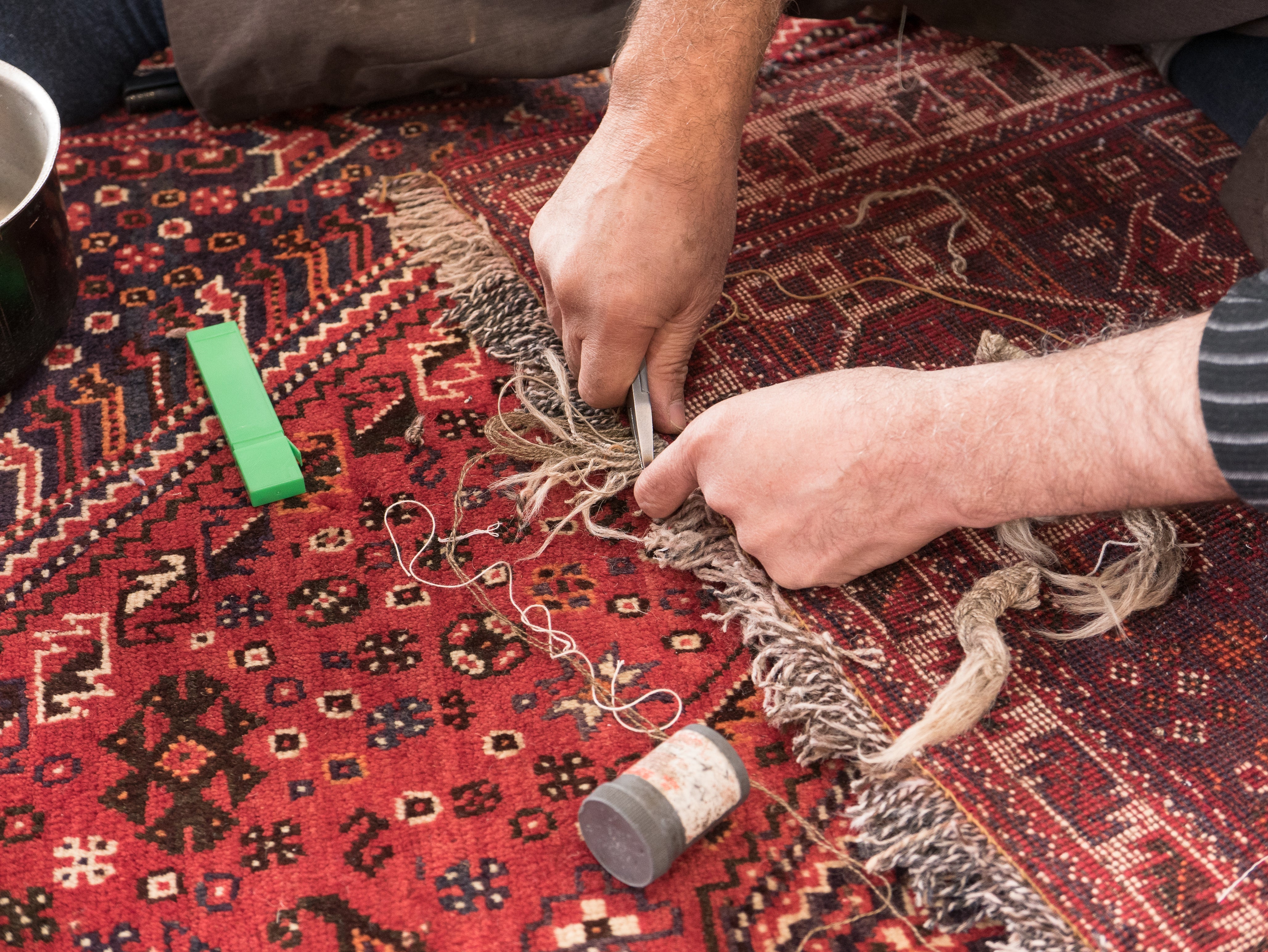
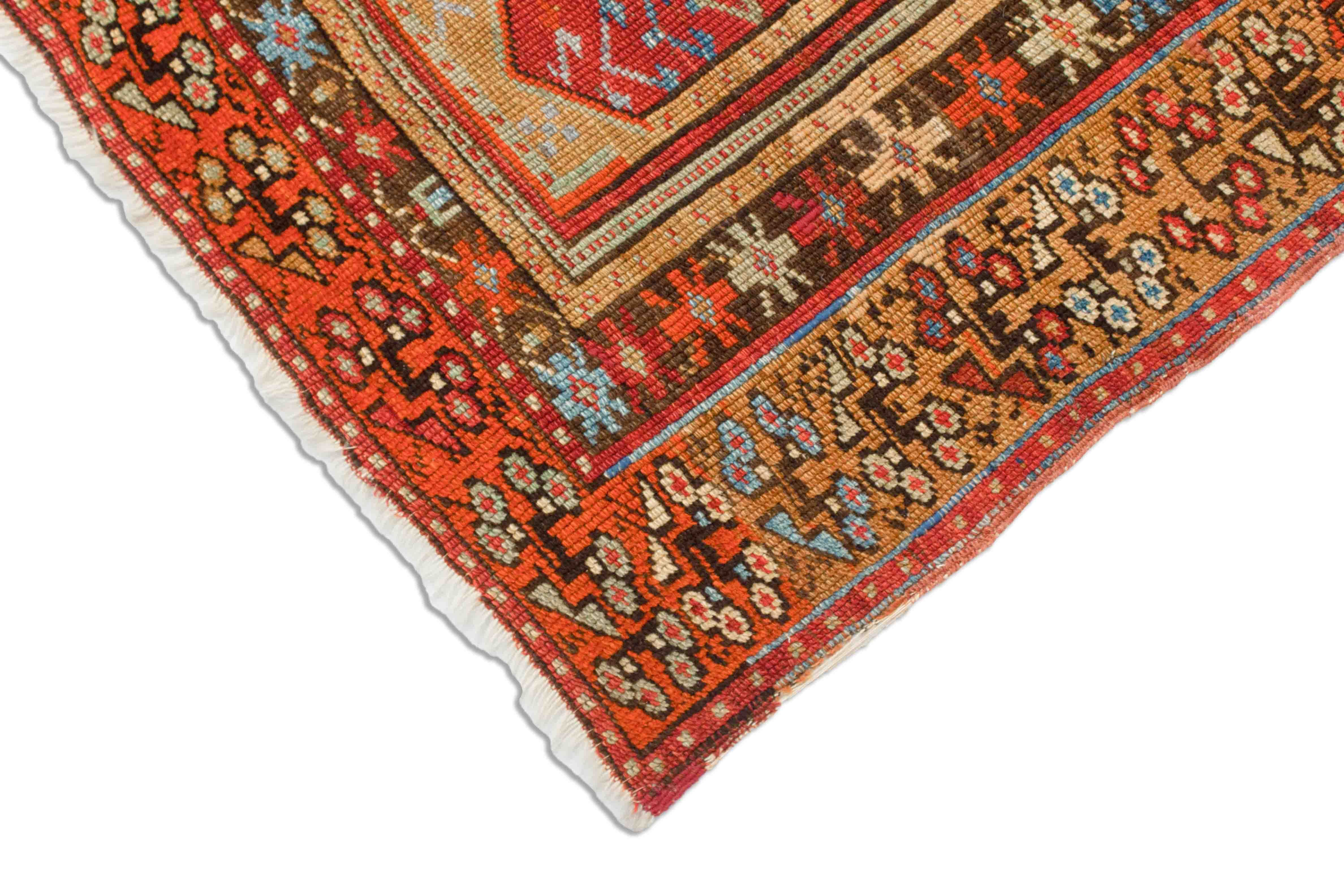
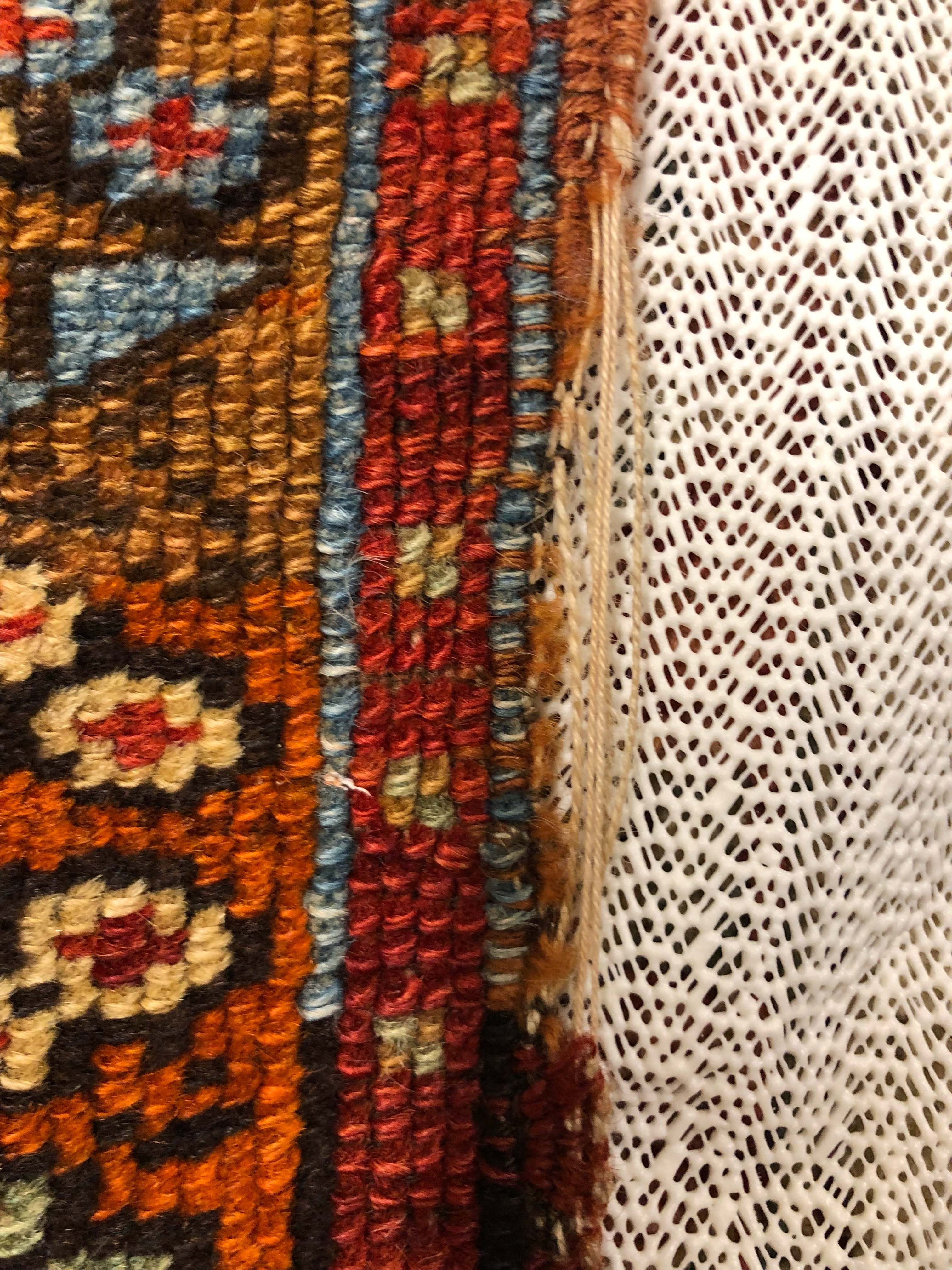
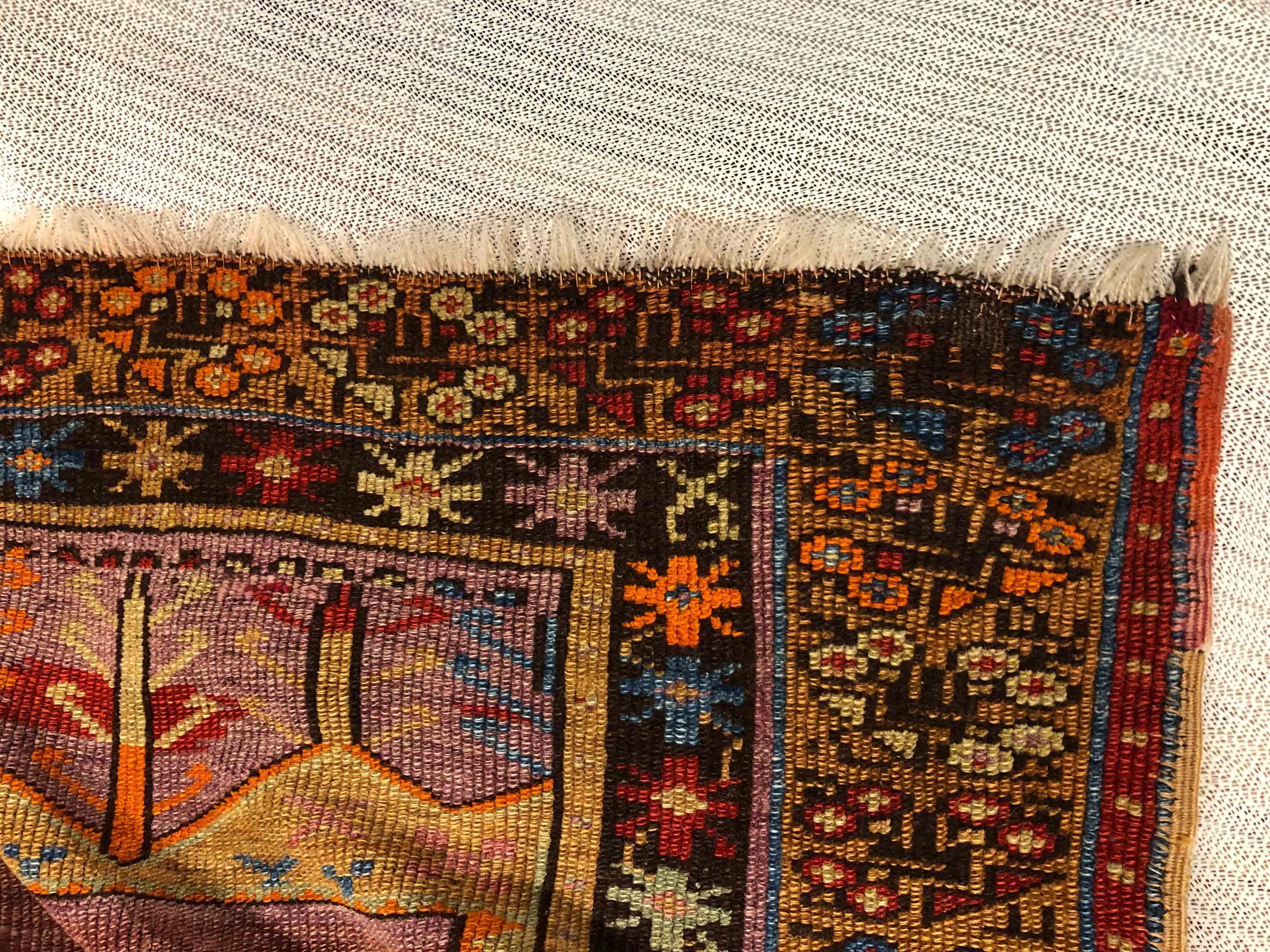
This Antique Ladik has a history. It was knotted around 1900. It has been thoroughly cleaned and is in good but only partly restored condition. Along one side, roughly 7 cm of this antique piece is missing. Both edges need to be partly re-wrapped. Otherwise the pile has become a little thinner overall. Even so, the general condition is quite good. We have not fully restored this Antique Ladik, because we feel it has a special charm exactly as it is. If you would like us to, we will of course carry the restoration further for you. We can bring almost any rug back to near-perfect condition.
A note on the photos
Child labour? No thanks.

The rug trade against child labour: Children belong in school, not at a knotting or weaving loom. For us it therefore goes without saying that we only offer rugs made under fair conditions and without child labour. We place particular importance on good working conditions and tolerate no child labour at our producers.
We are proud to be a member of the Care & Fair campaign against child labour.
The industry-wide campaign CARE & FAIR - the rug trade against child labour was founded in 1994. The initiative has made it its mission to fight the excesses of illegal child labour in the knotting countries and, at the same time, to improve the overall situation of rug knotters and their families in the knotting regions of India, Nepal and Pakistan.
Our goals:
- Ending illegal child labour in India and Pakistan.
- Creating better living conditions for knotters' families.
- Socially responsible production. We only accept goods that have been made under fair conditions. Working with our producers as partners, we want to make clear to them that taking on social responsibility benefits everyone.
Together with Care & Fair we currently support 10 schools, 6 adult education centres and 3 day clinics in India and Pakistan.
Choose options
|
|
1-3 working days delivery time (within Germany) |
|
|
14-day home trial |
|
|
Free delivery & returns within the EU |