

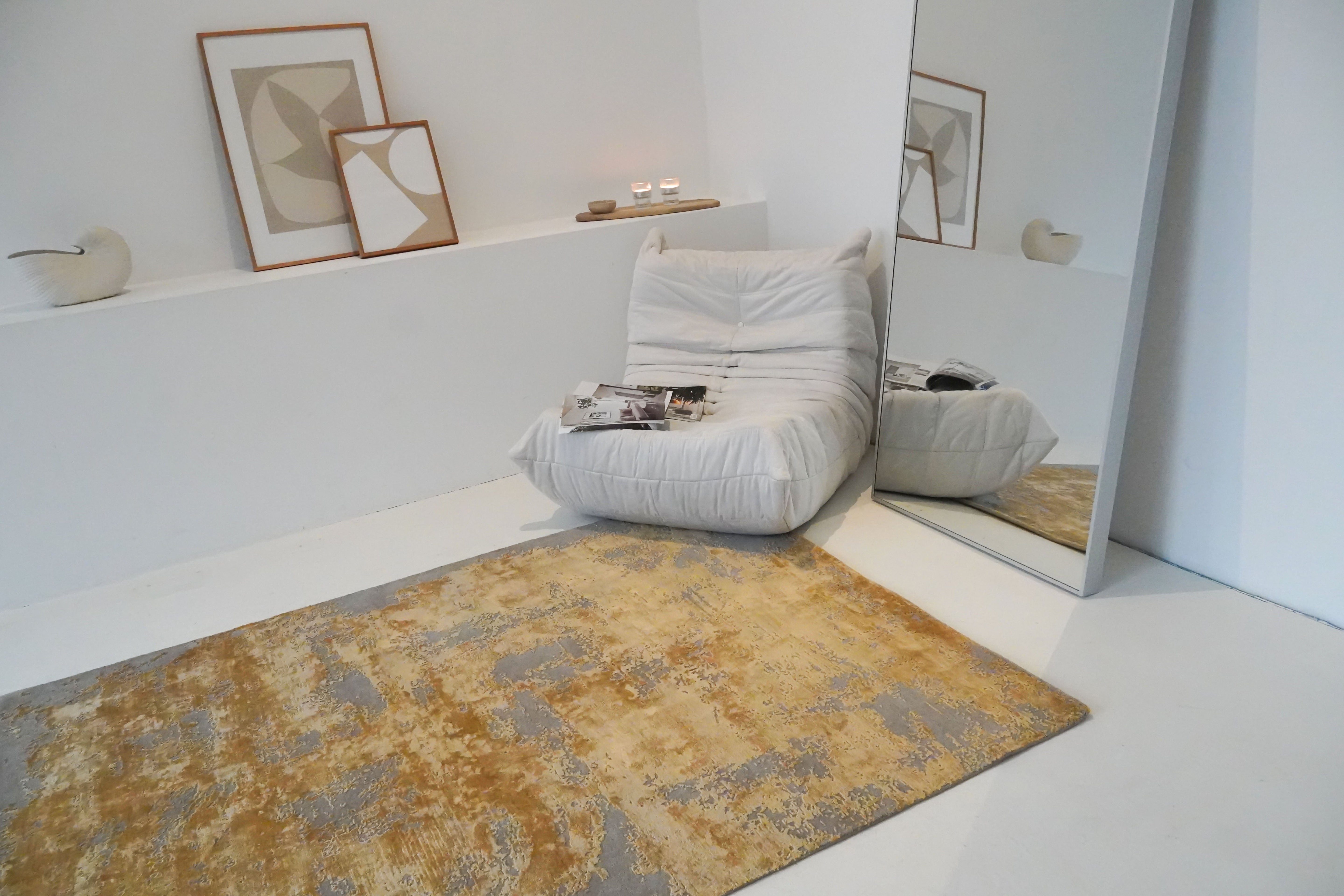
Buy a rug
Find the perfect rug for your home! Whether a cosy long pile, a hard-wearing short pile or a stylish designer rug – there are rugs here for every room and every style. Add comfort and set modern accents. Treat yourself to your dream rug. Now get your Buy a rug!

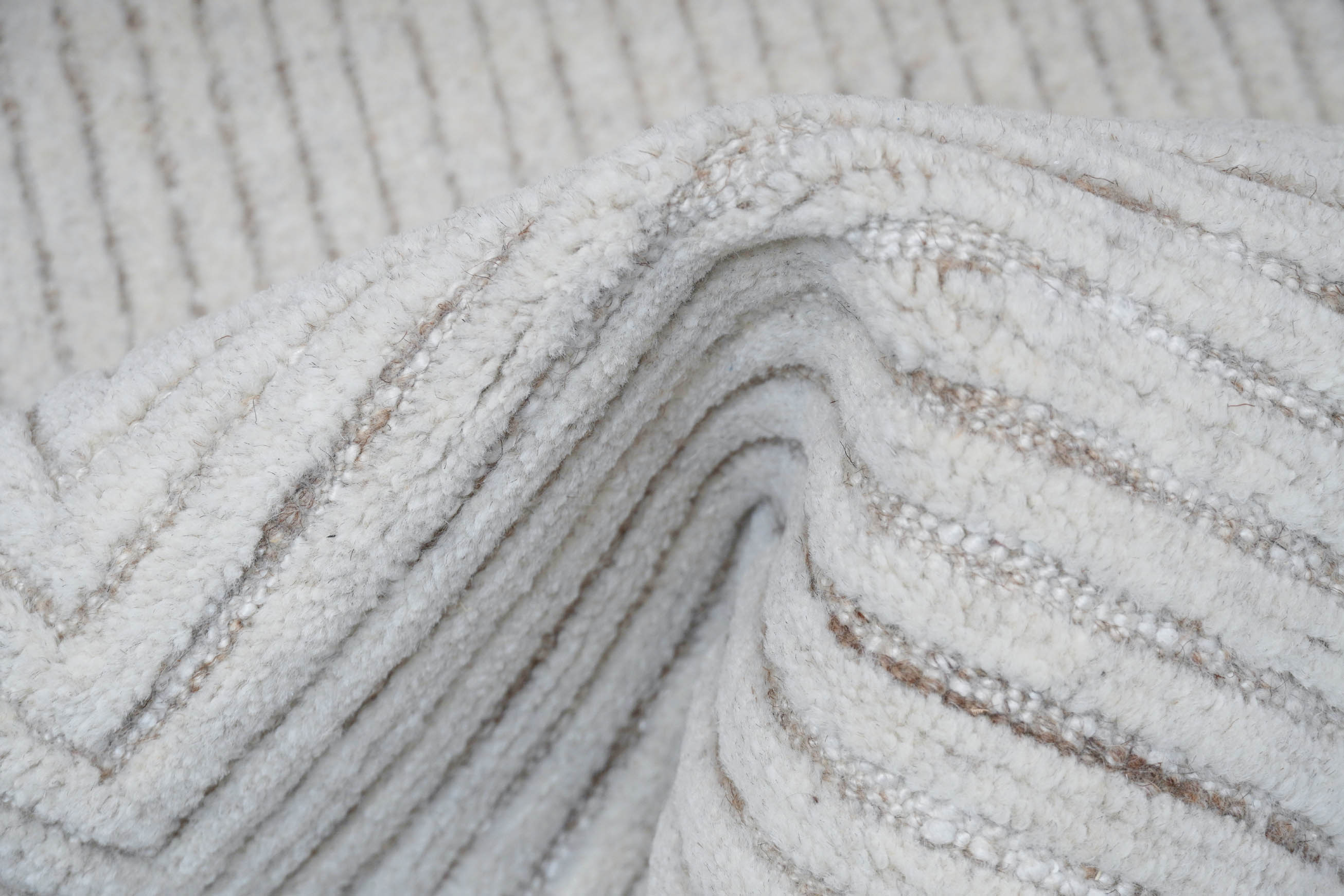
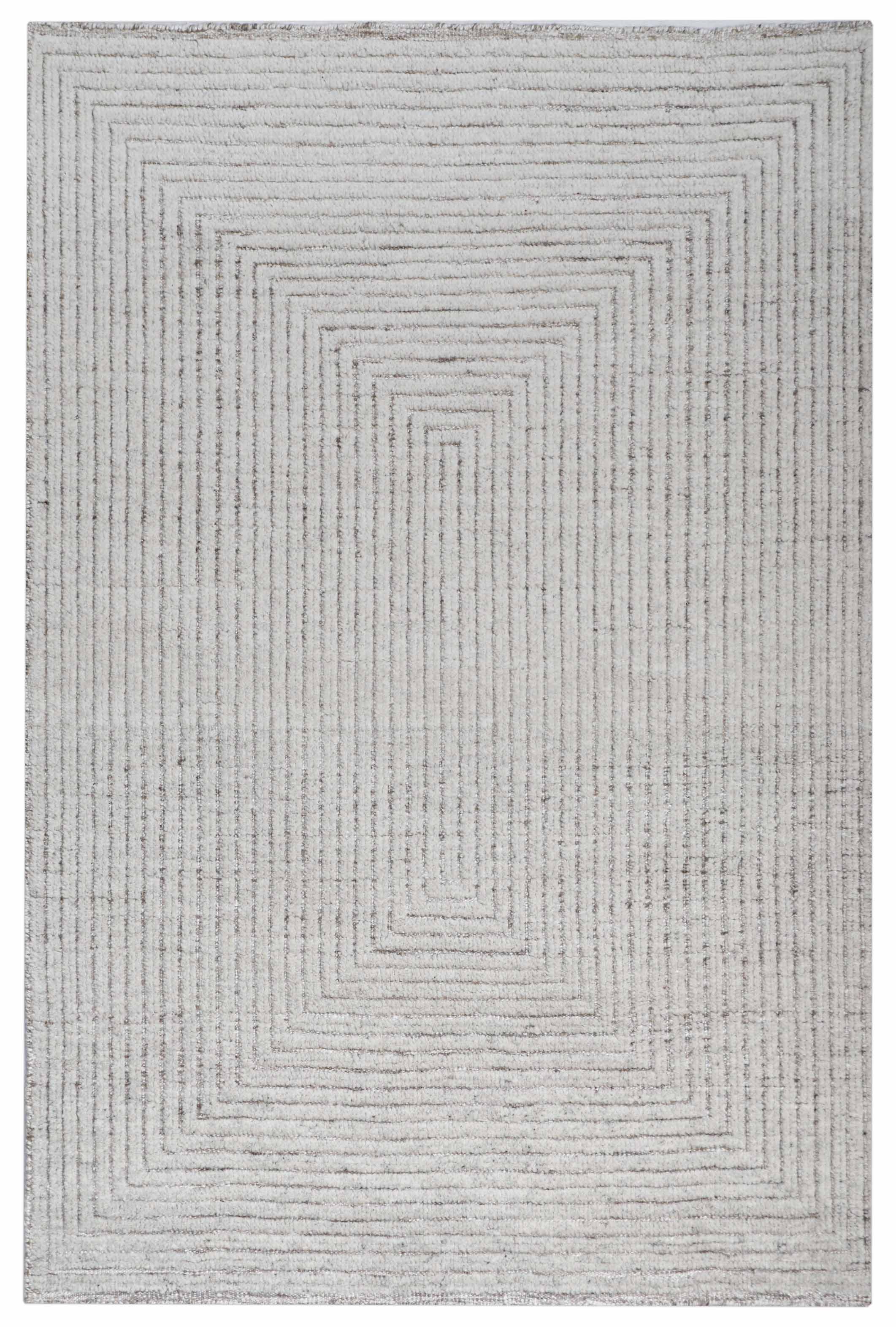


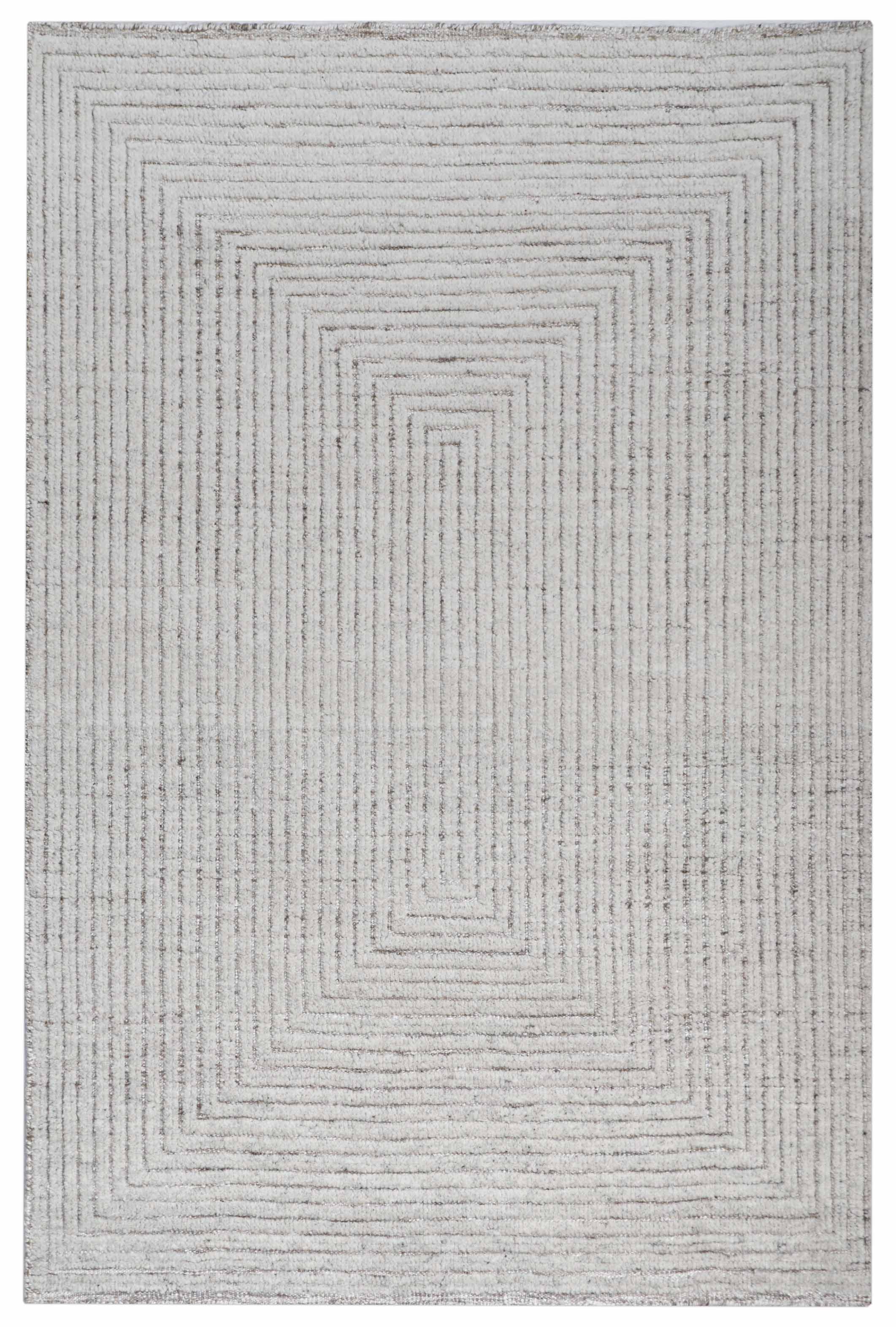


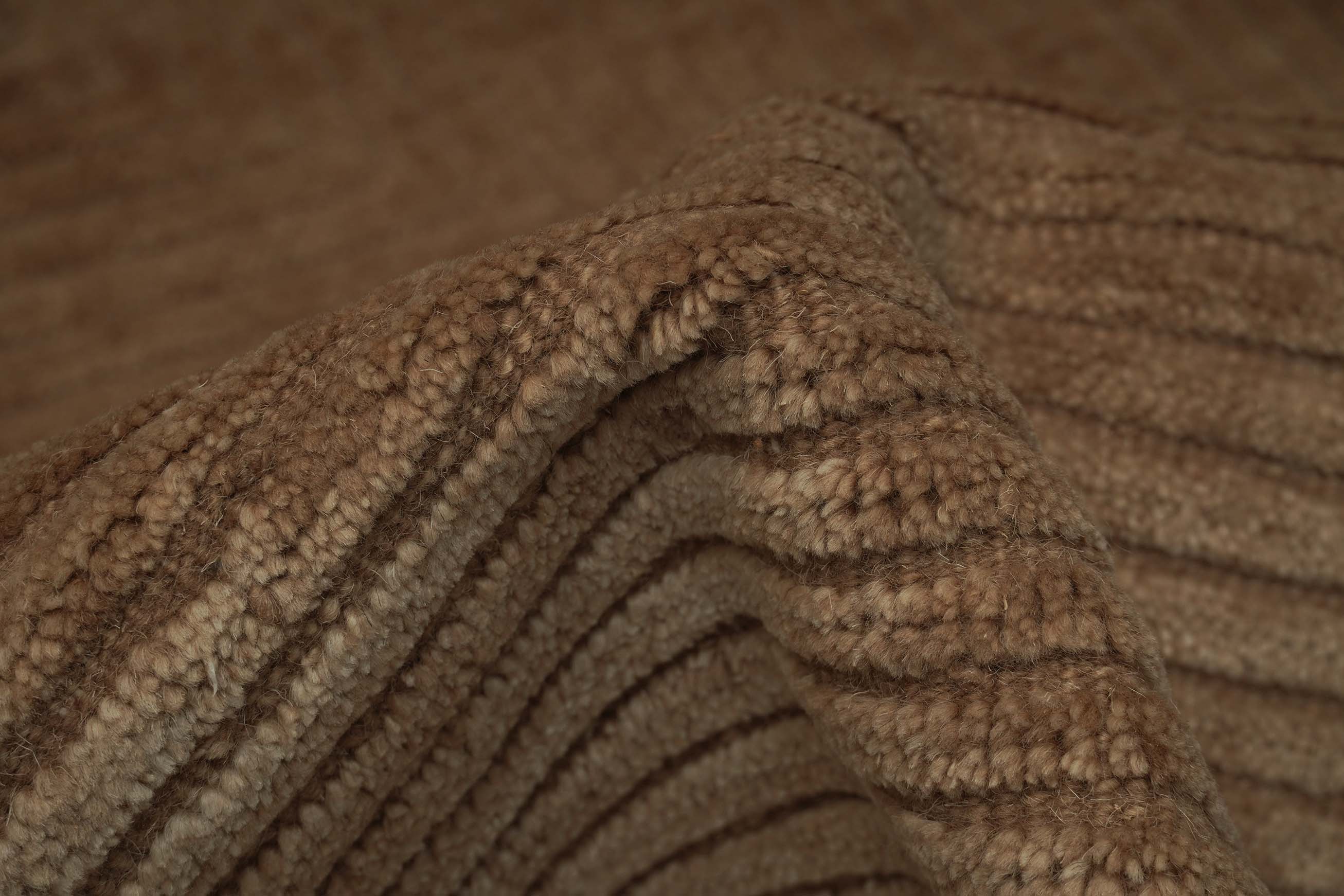


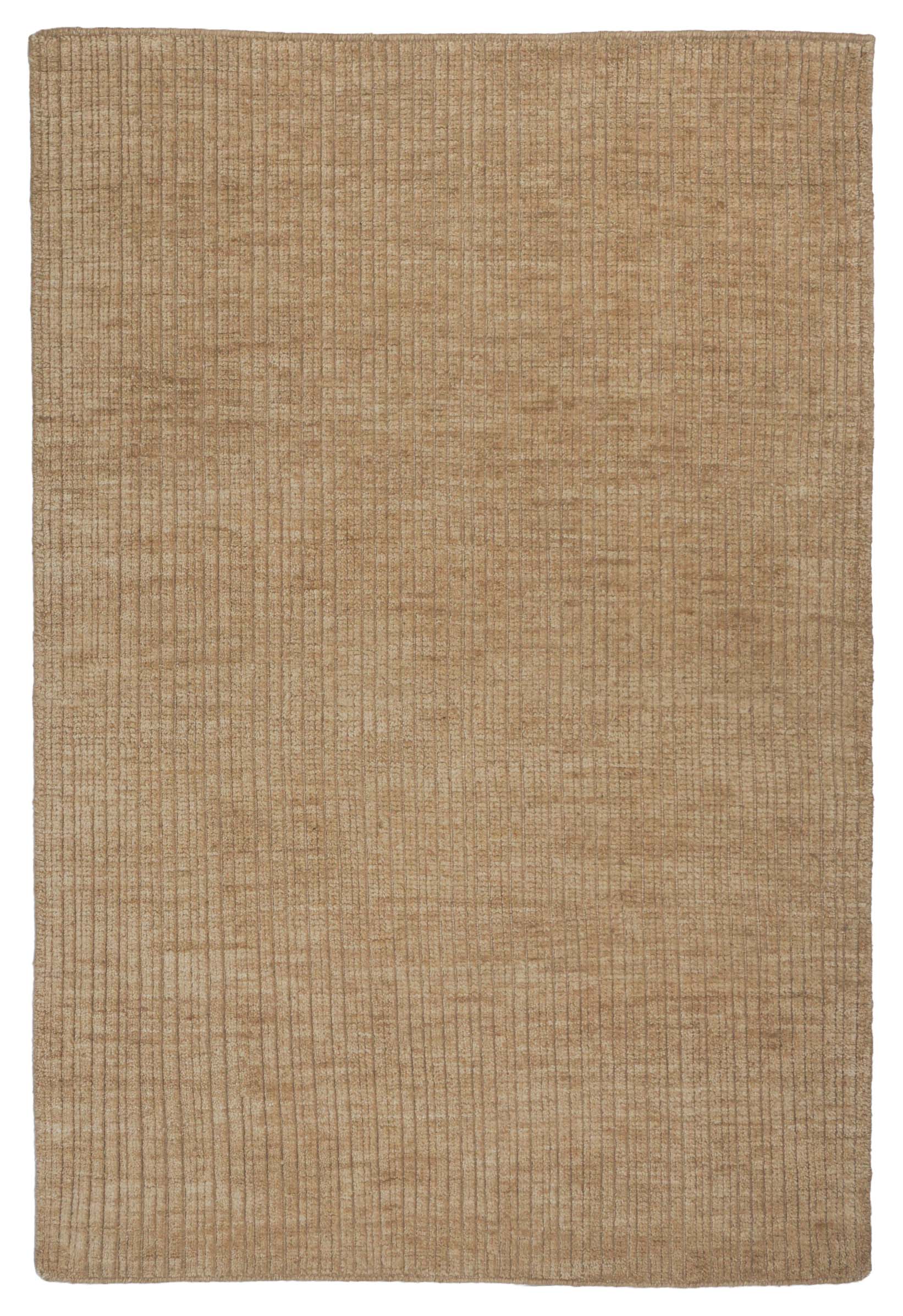
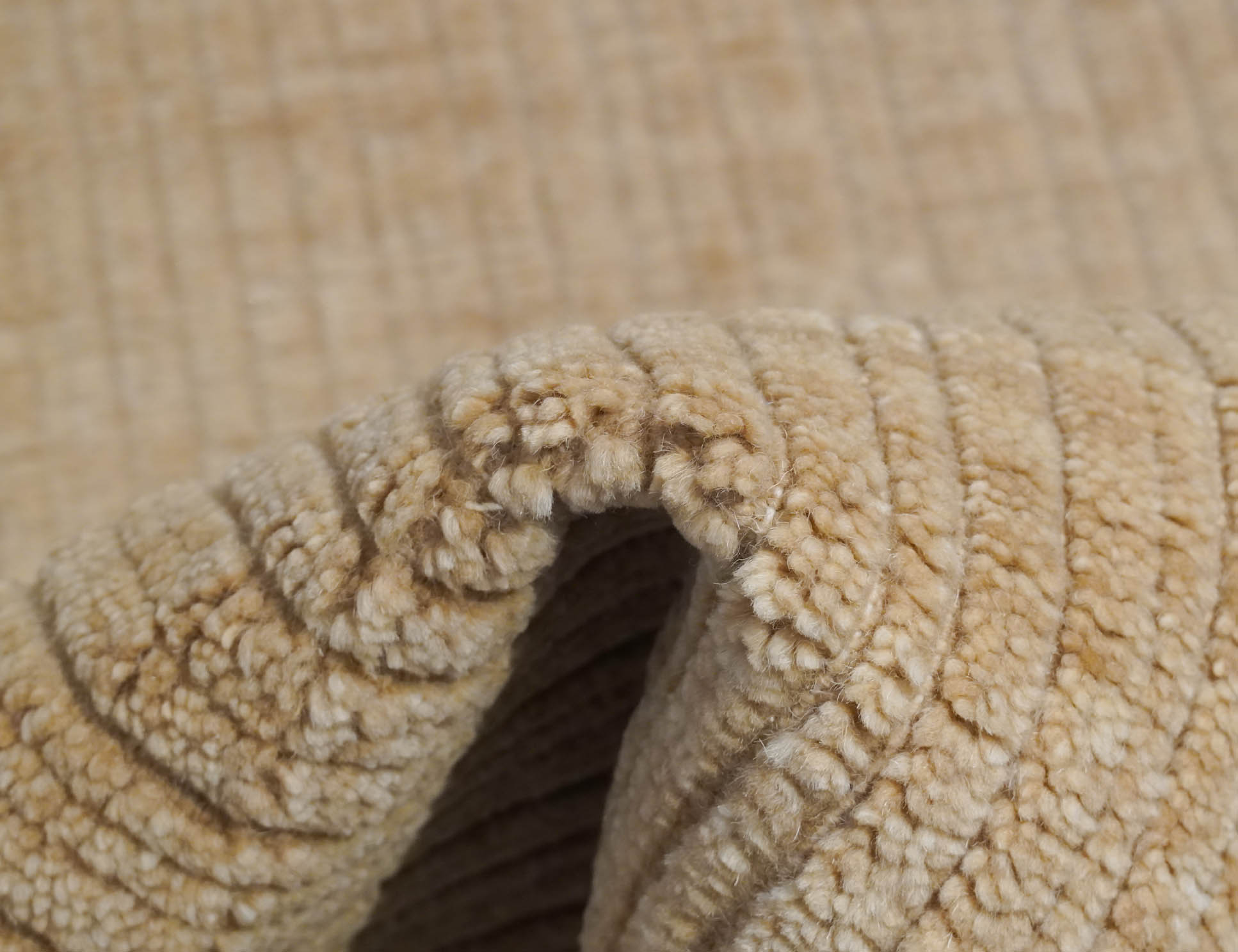
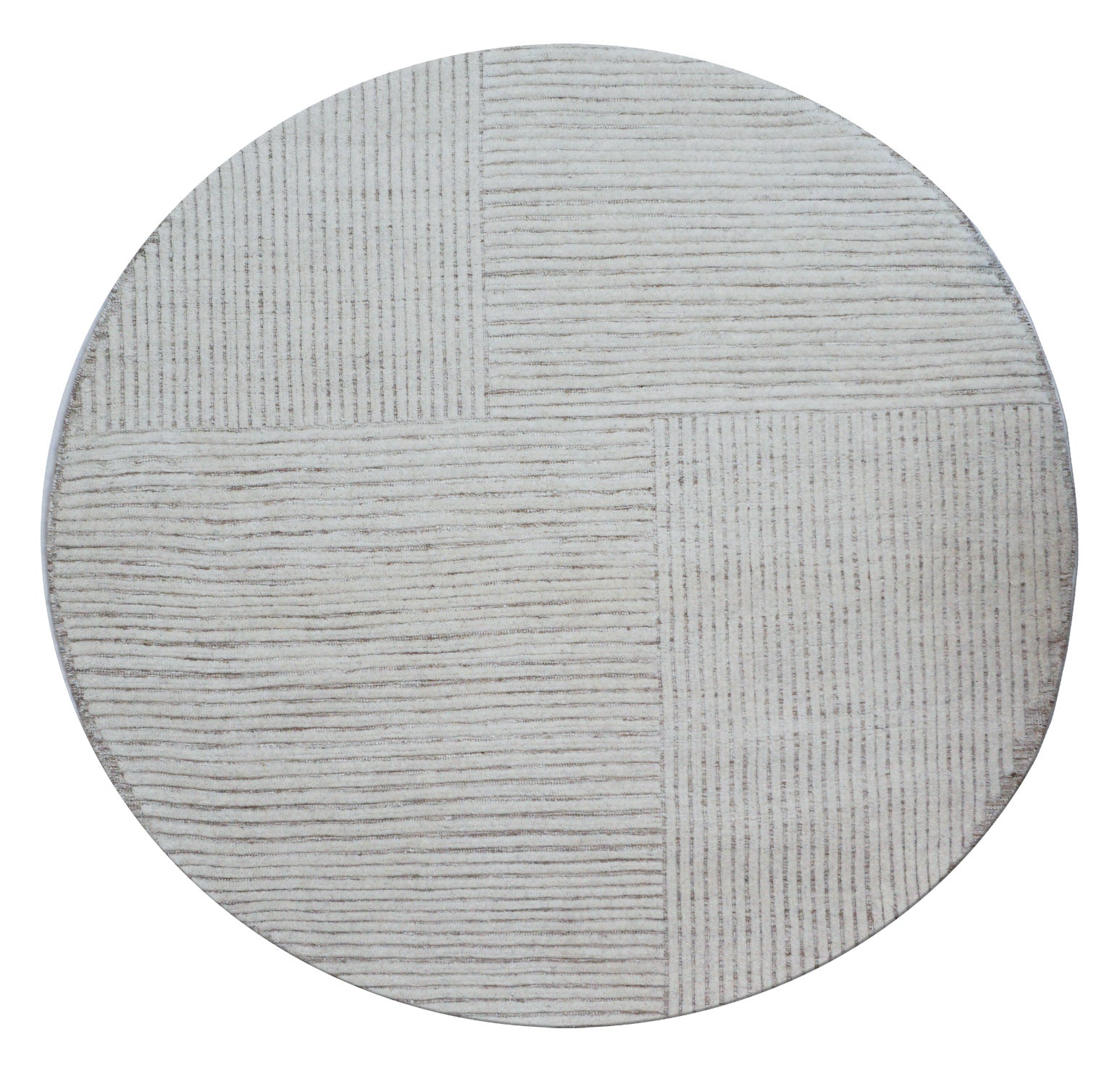


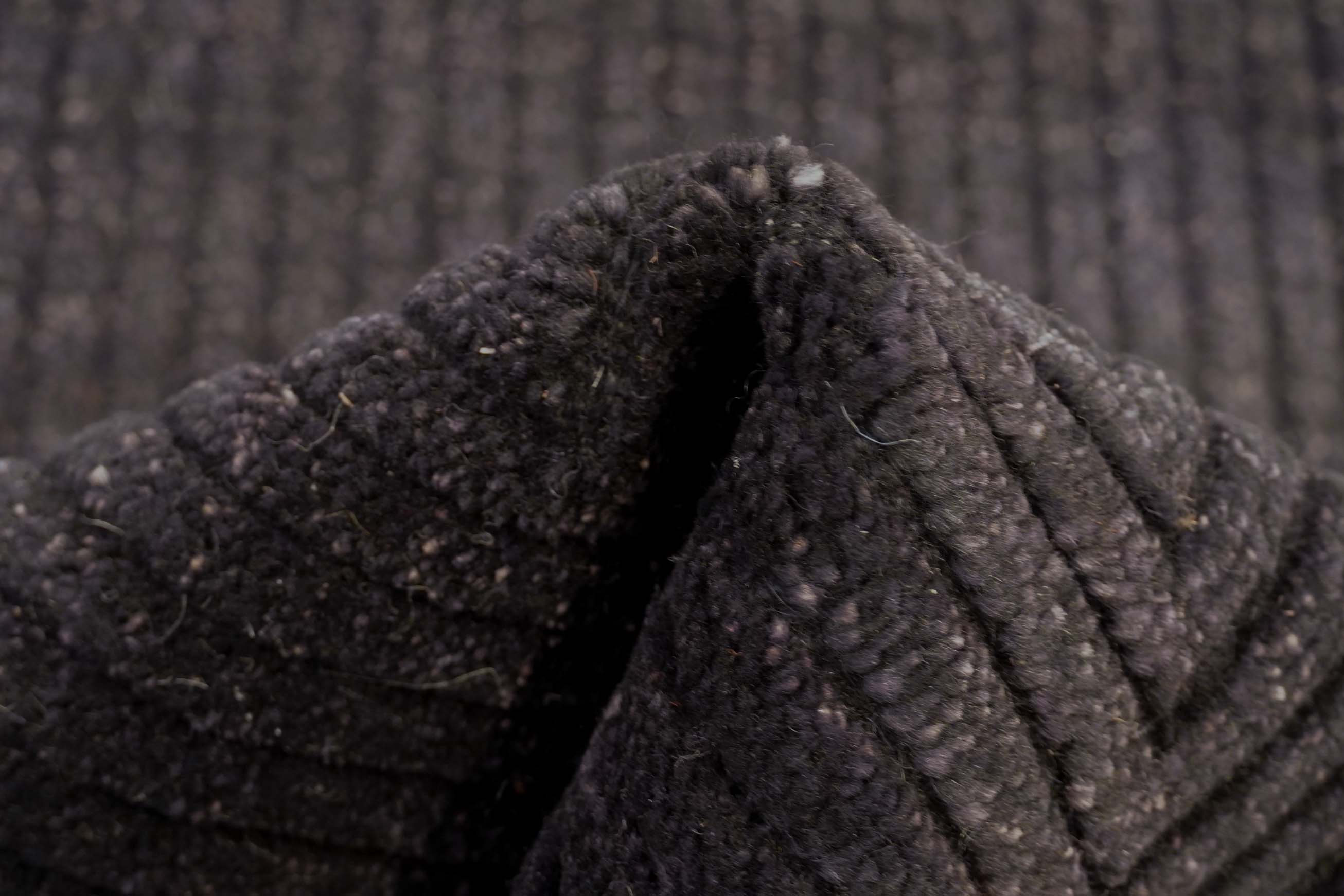


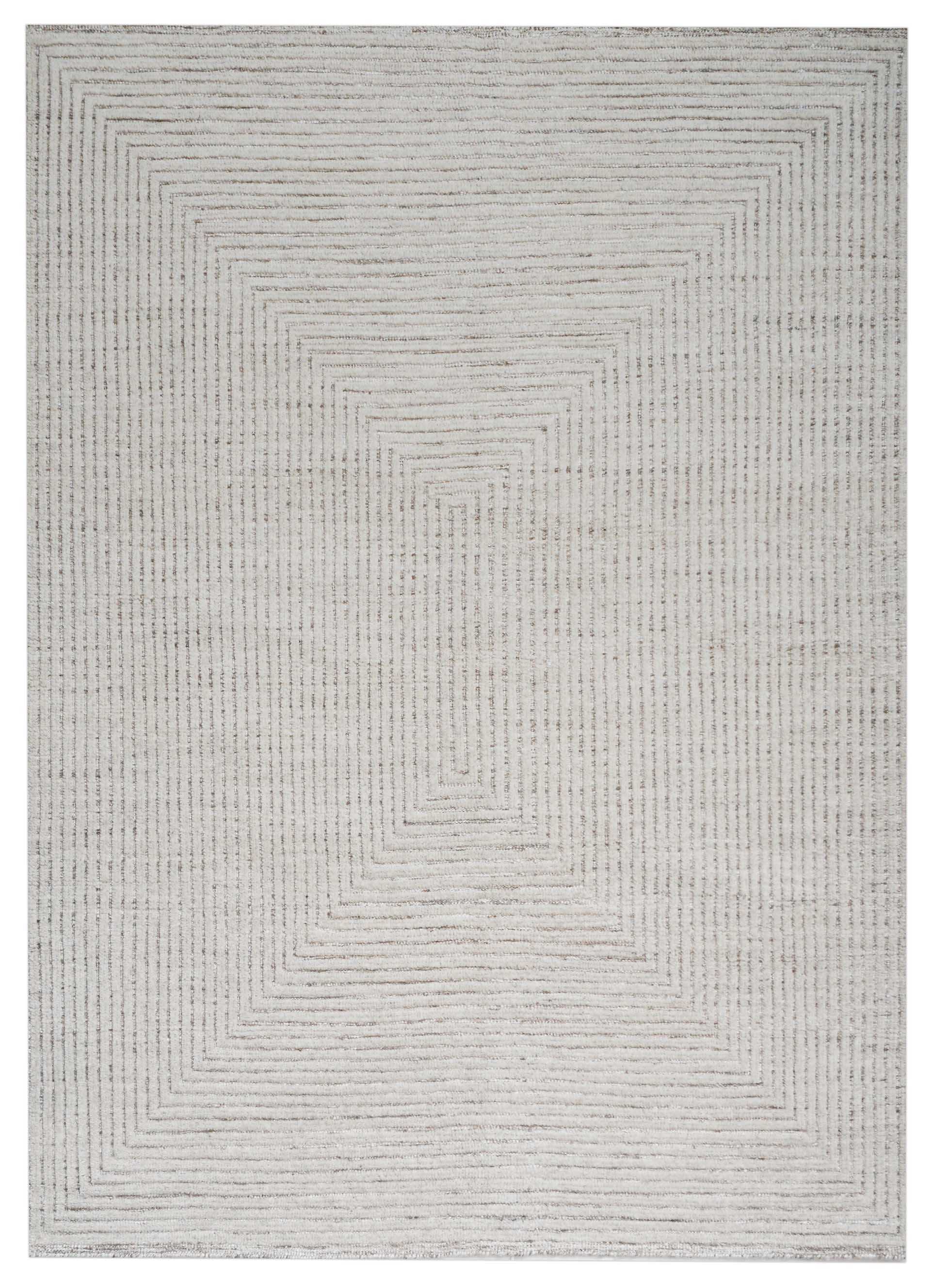
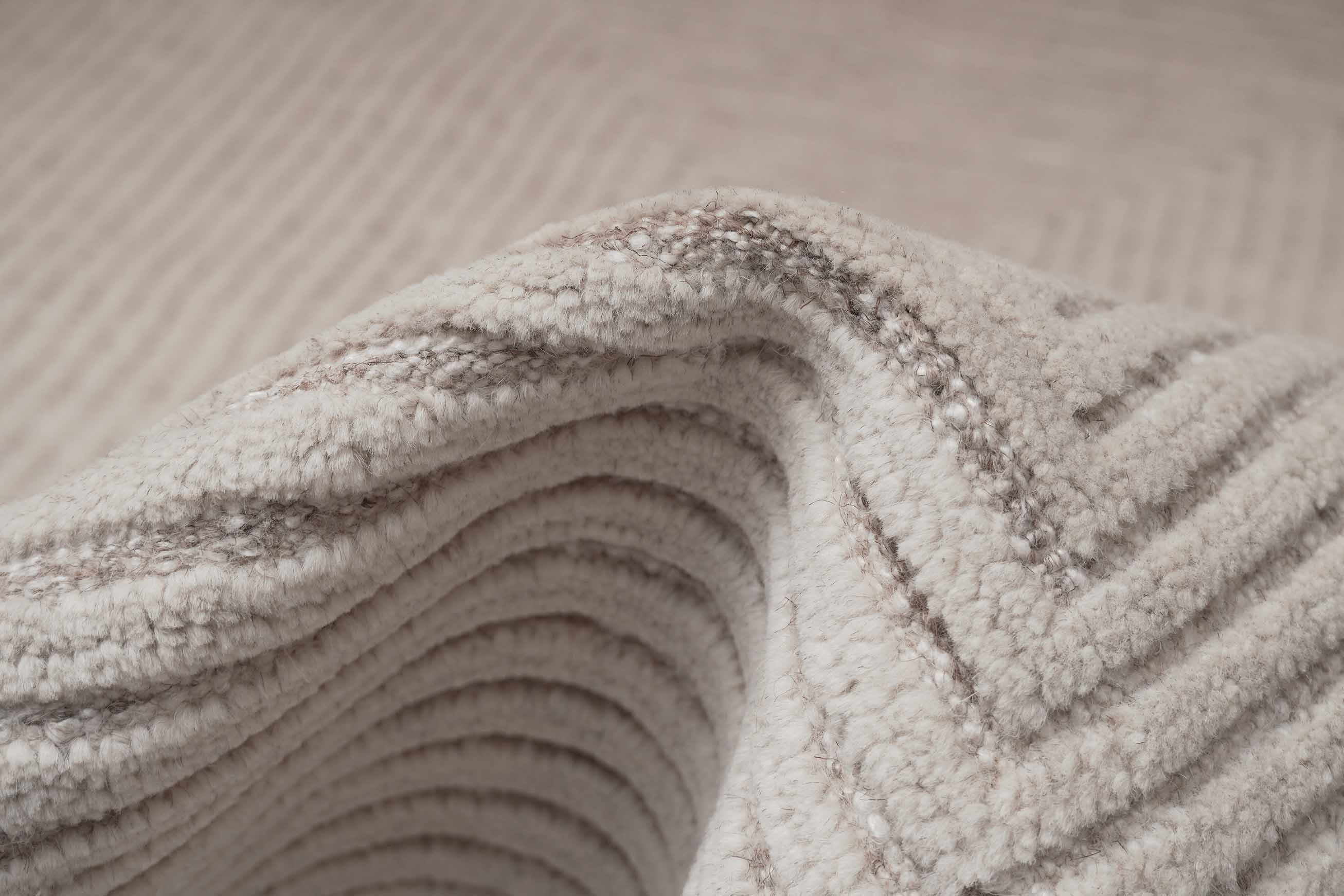
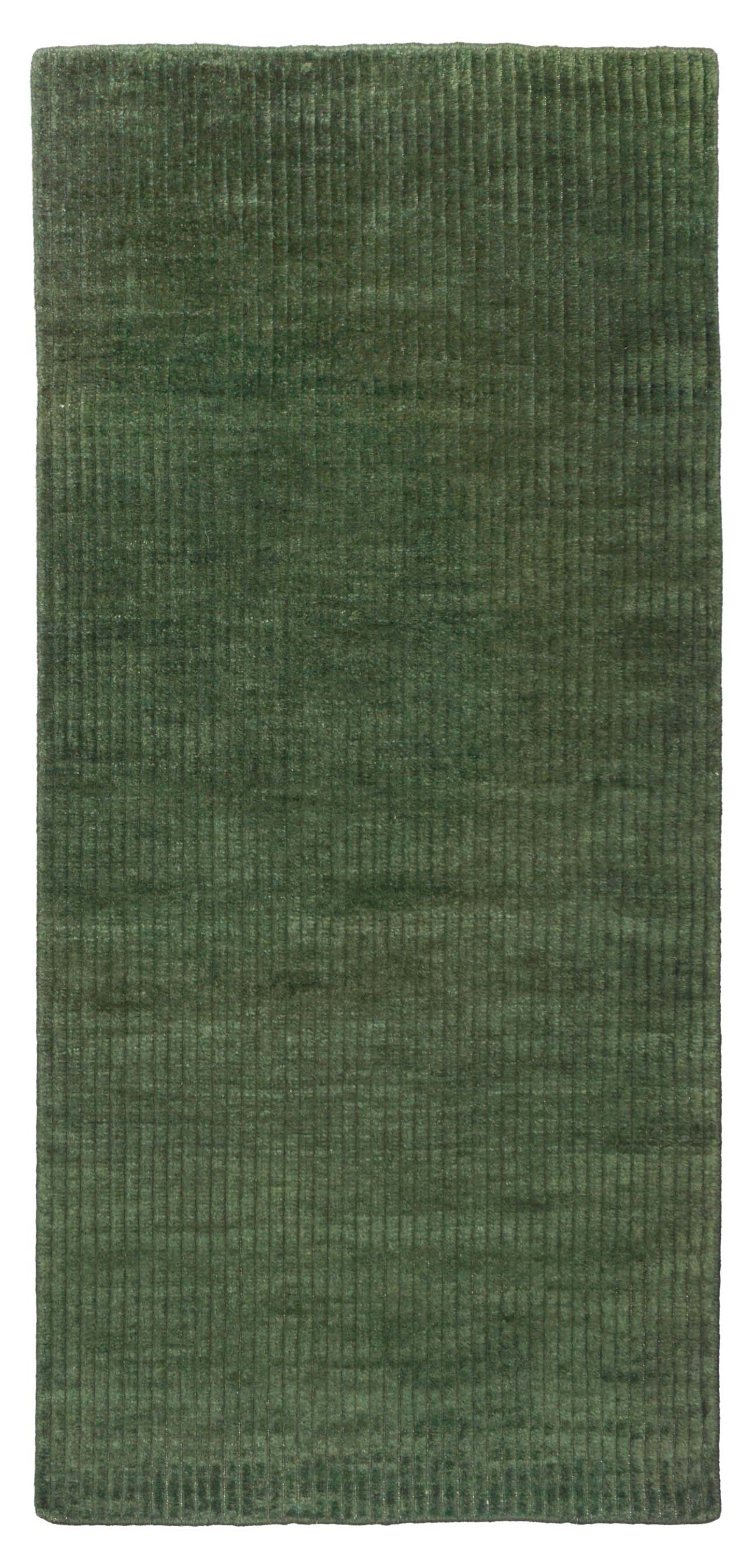
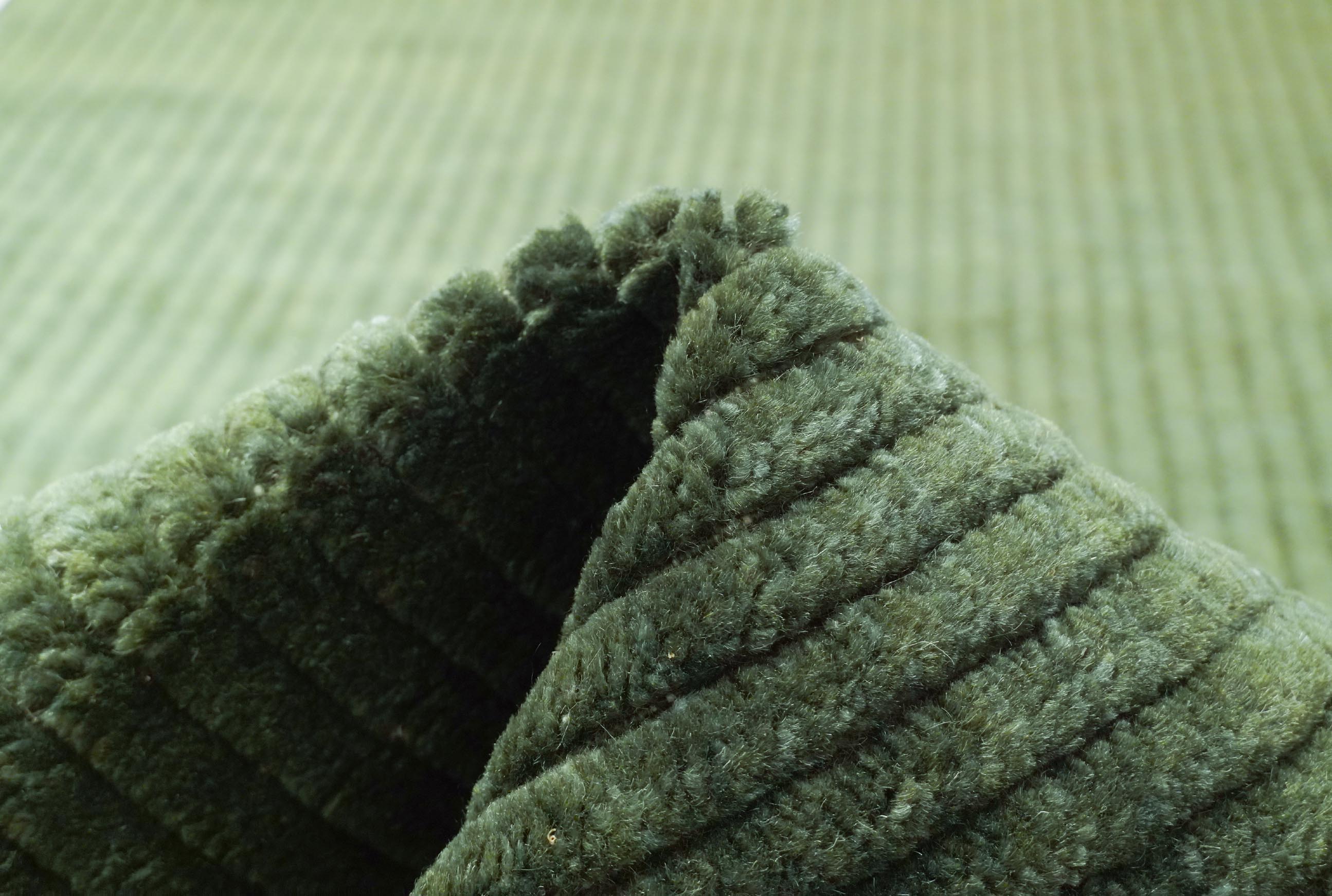
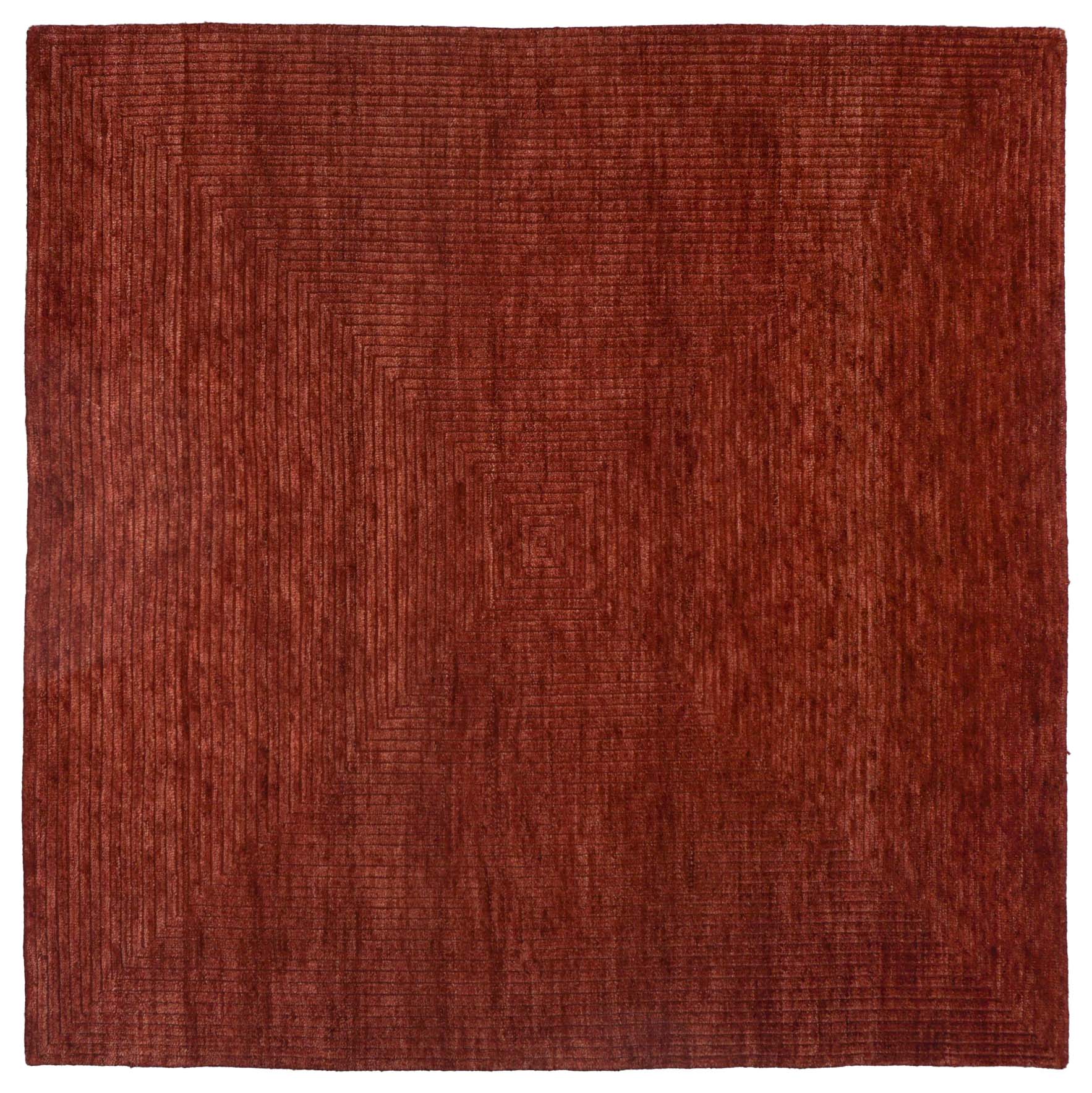
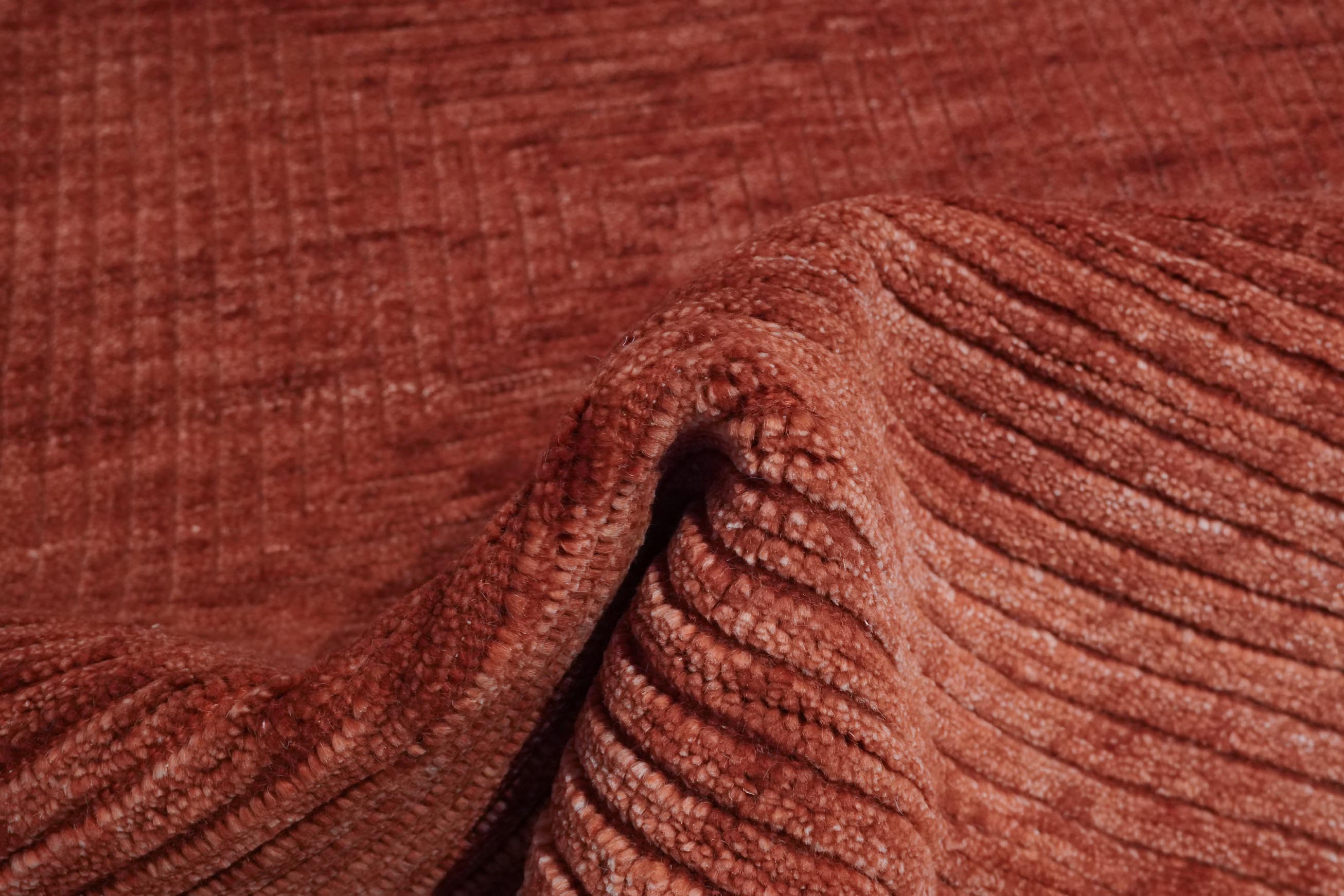
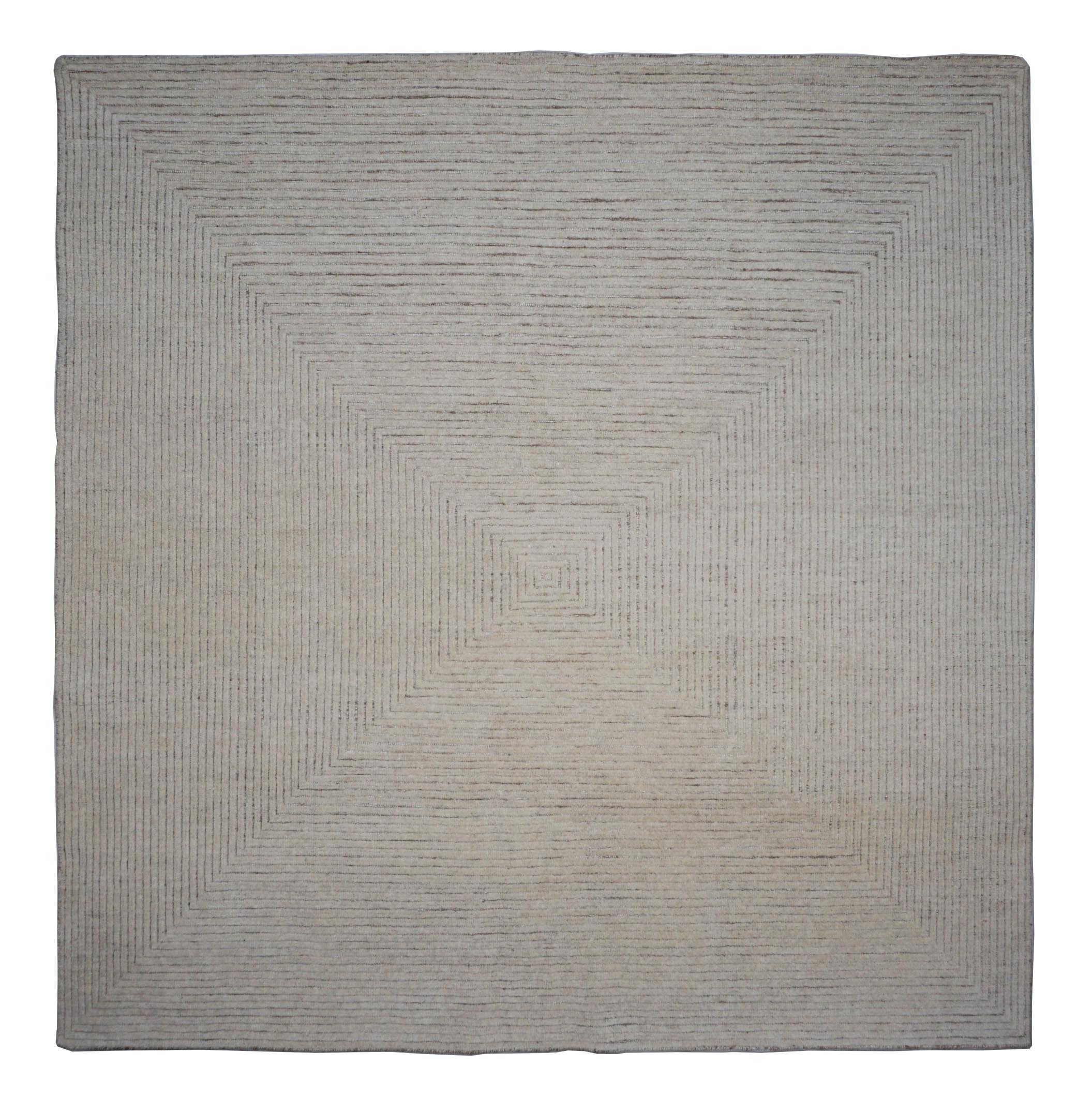
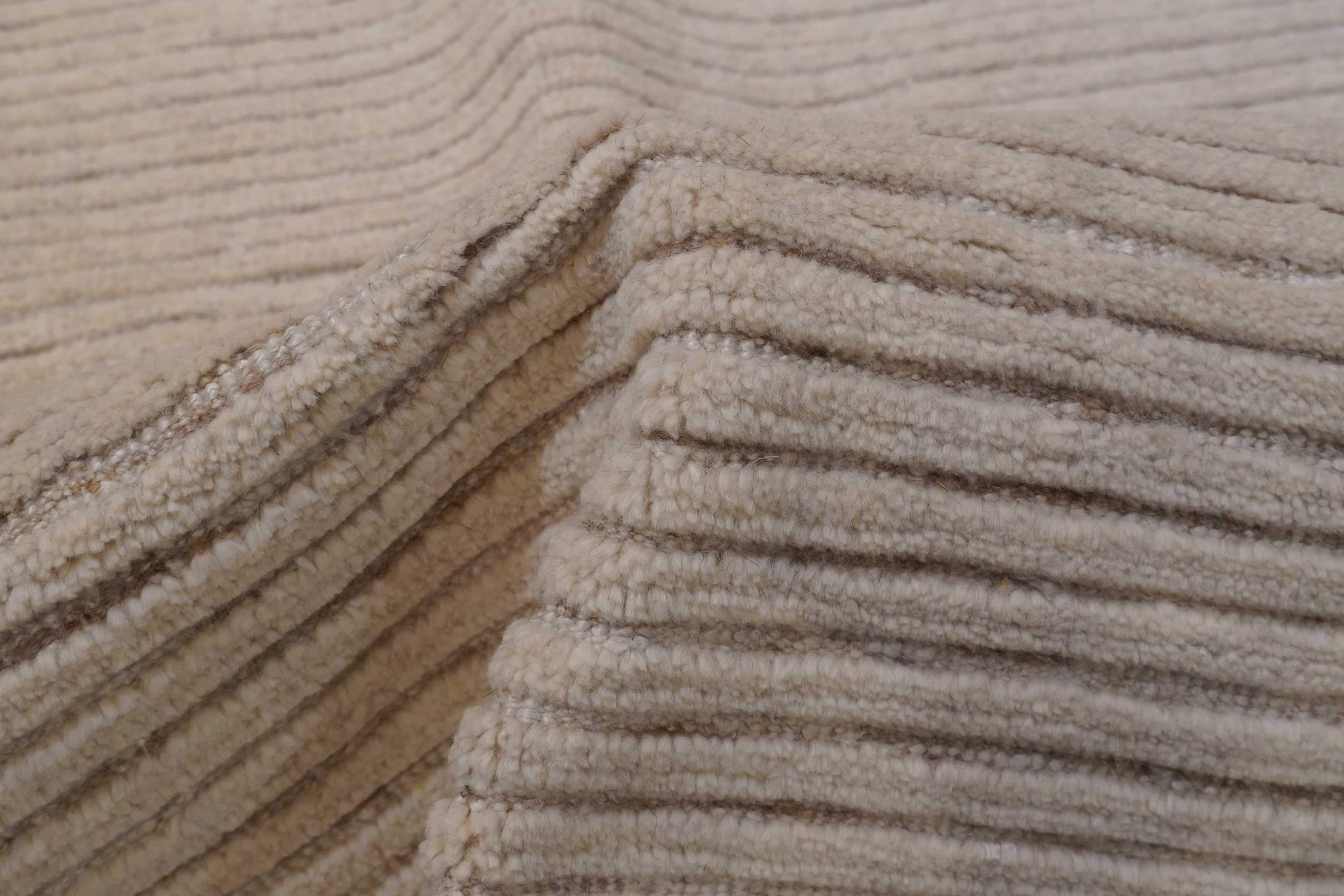
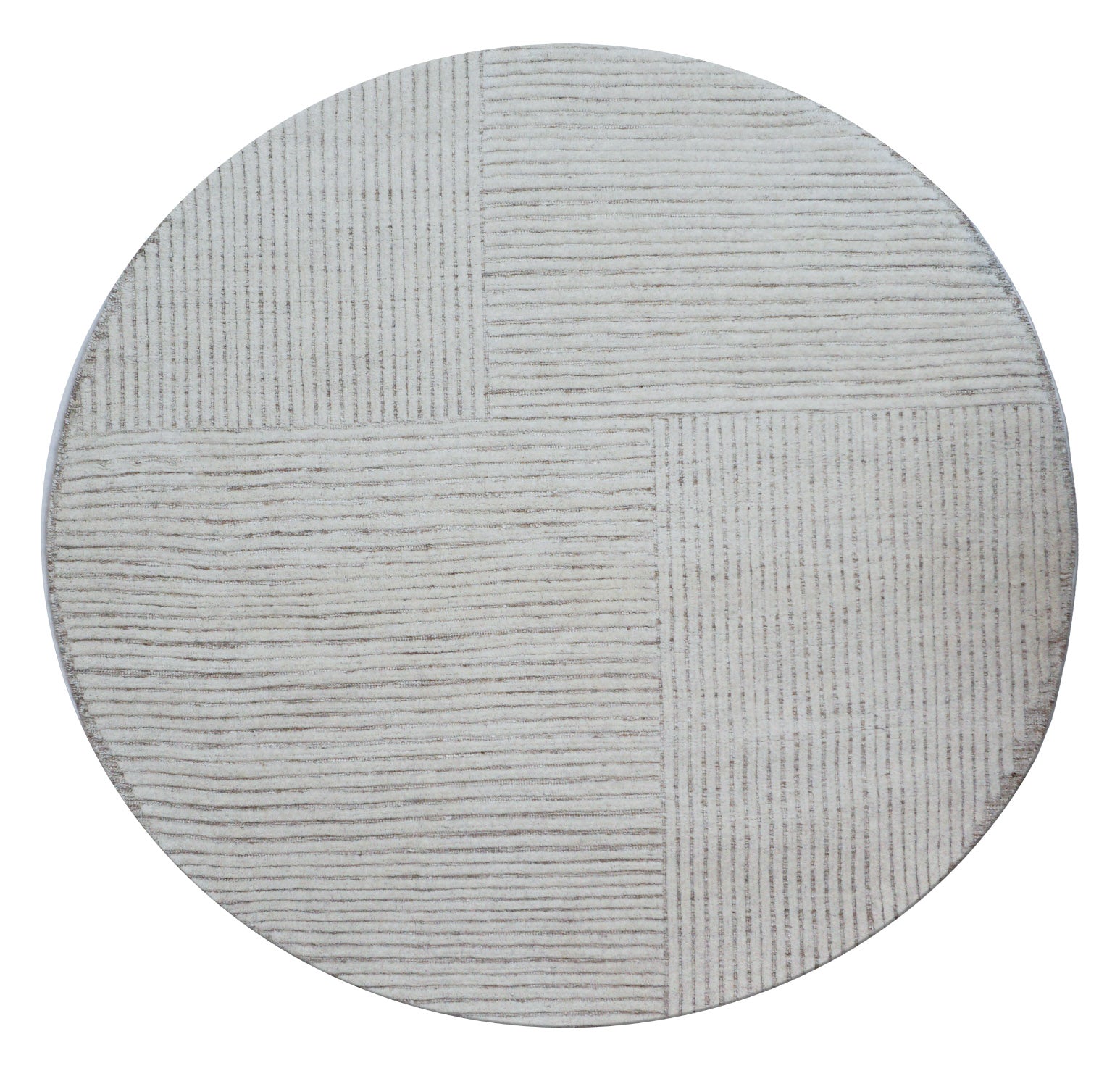
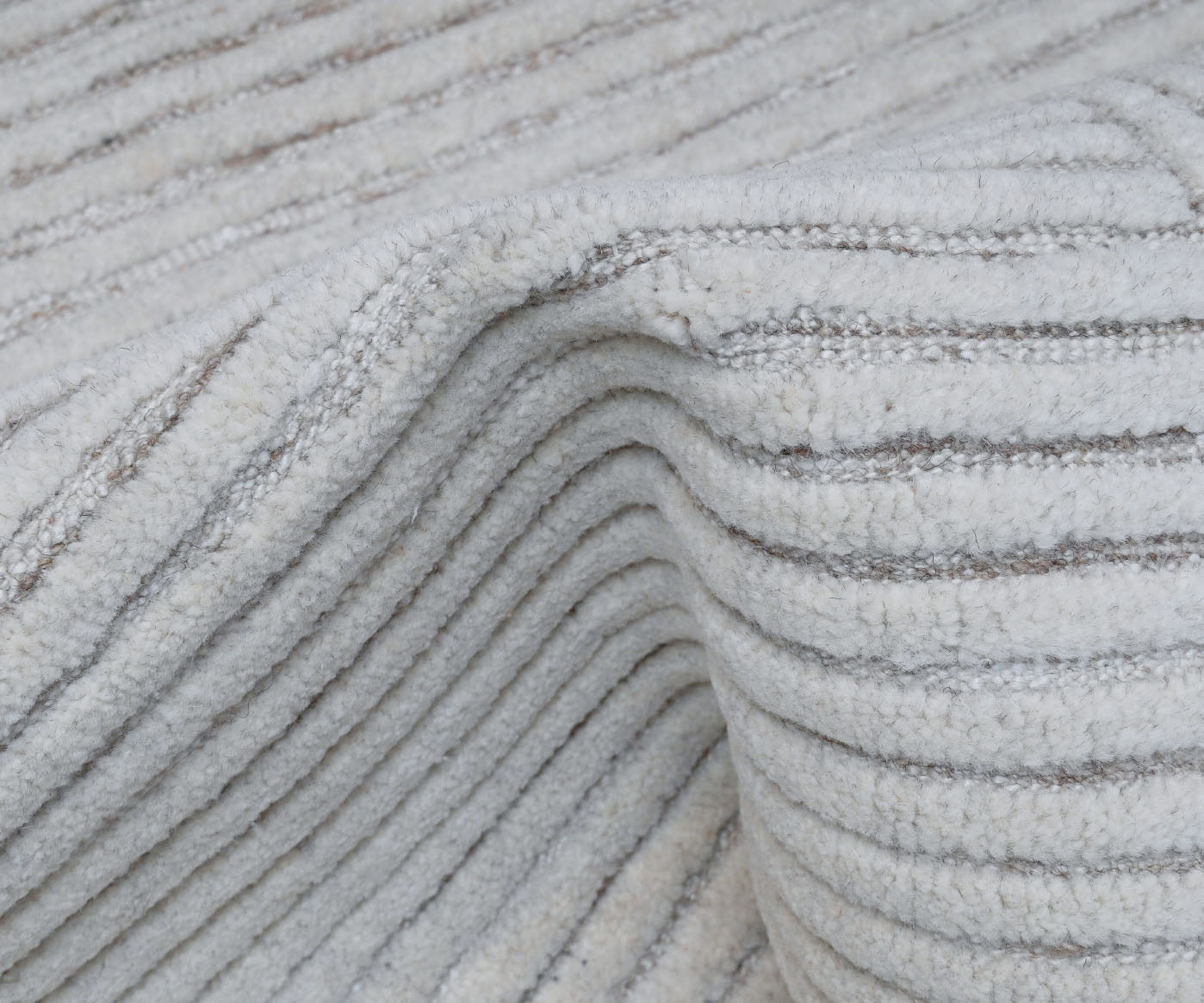


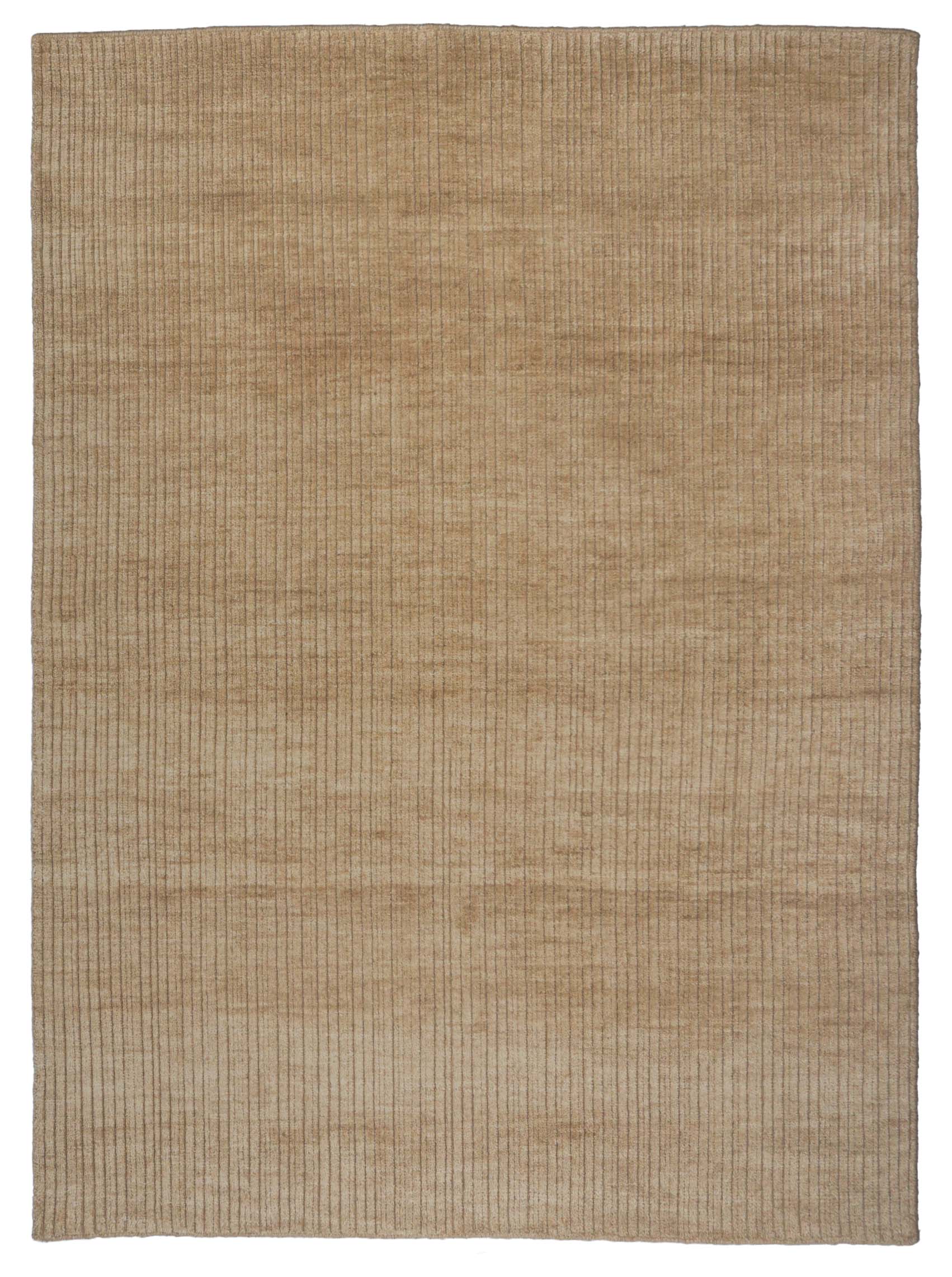
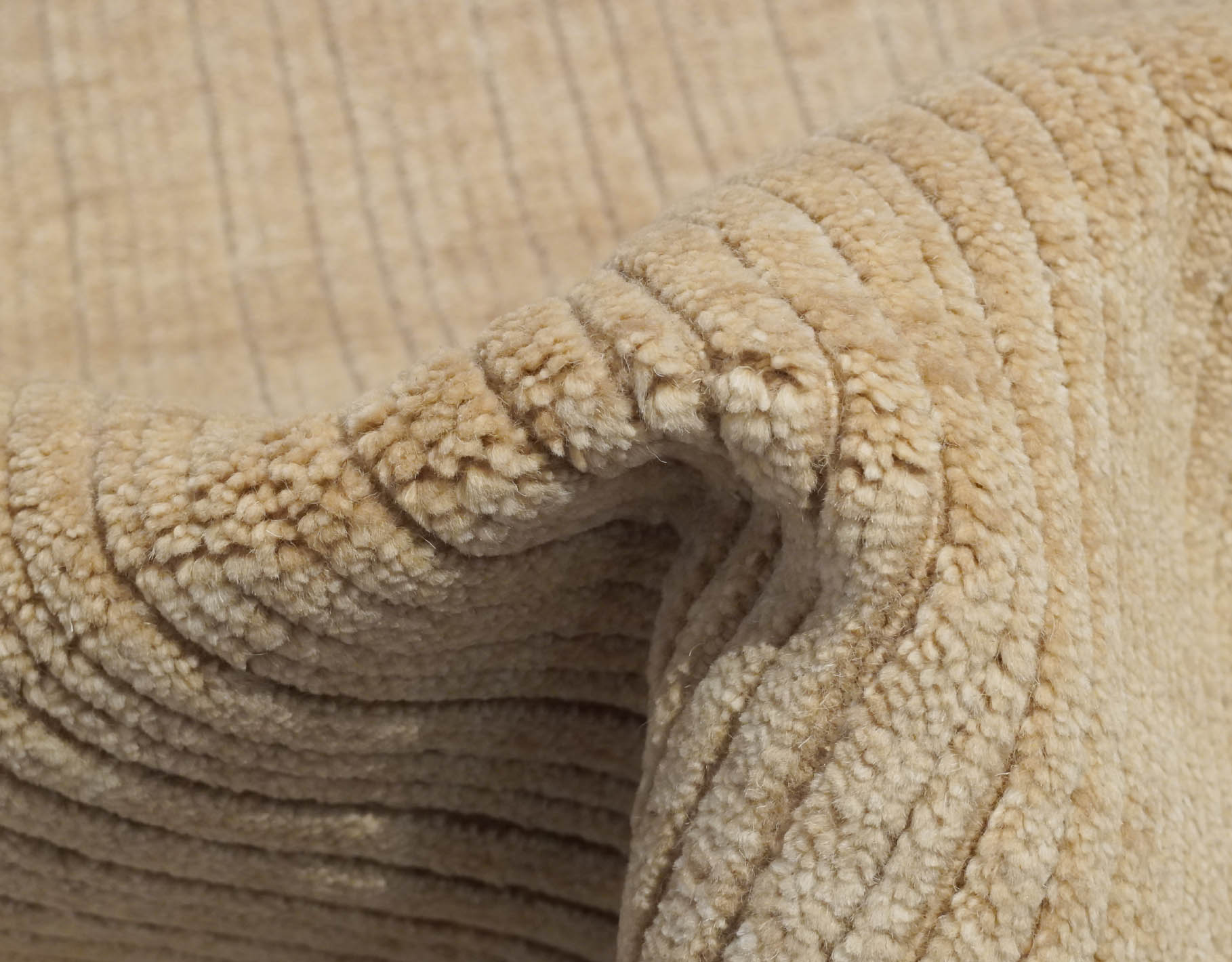
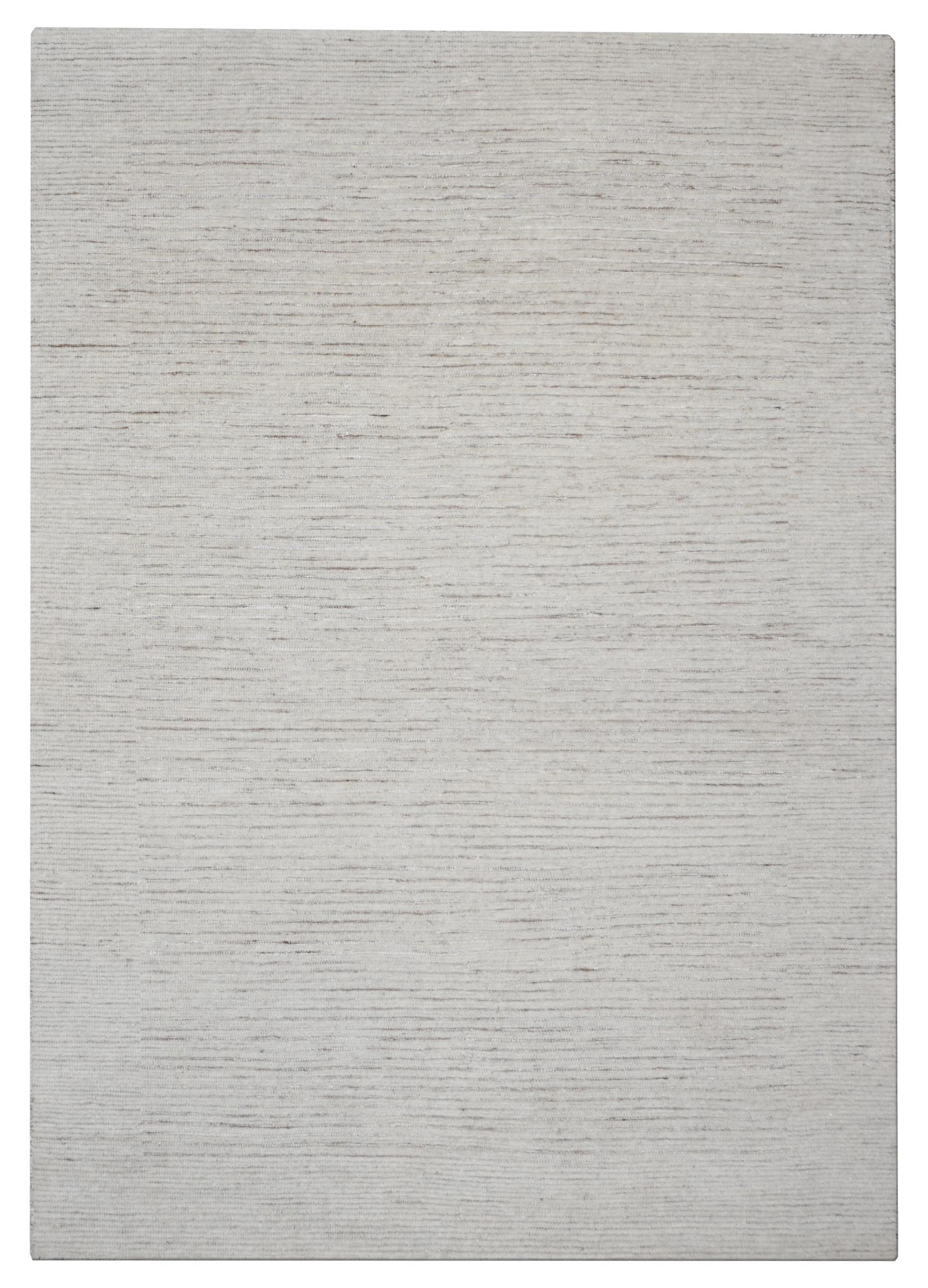
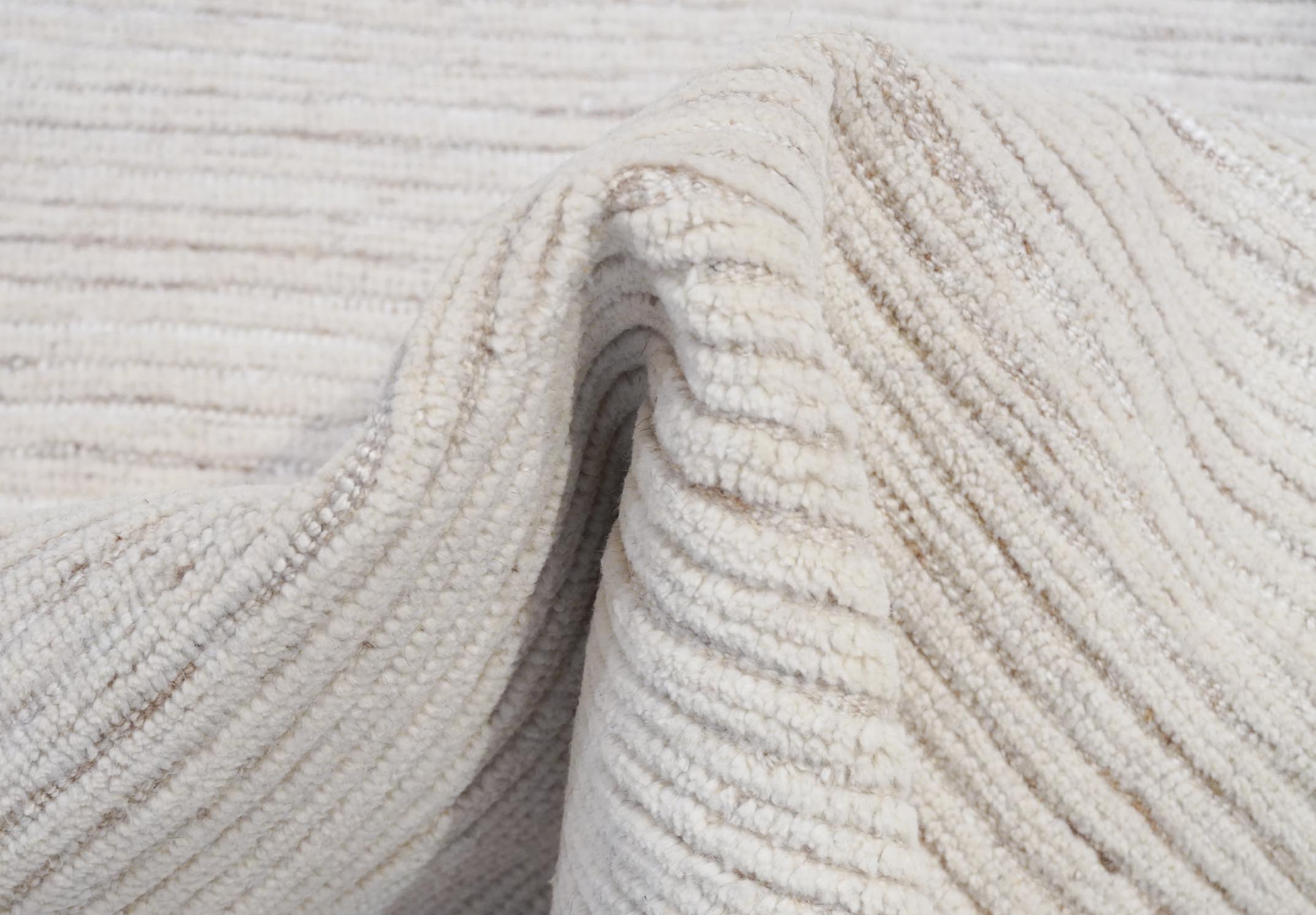
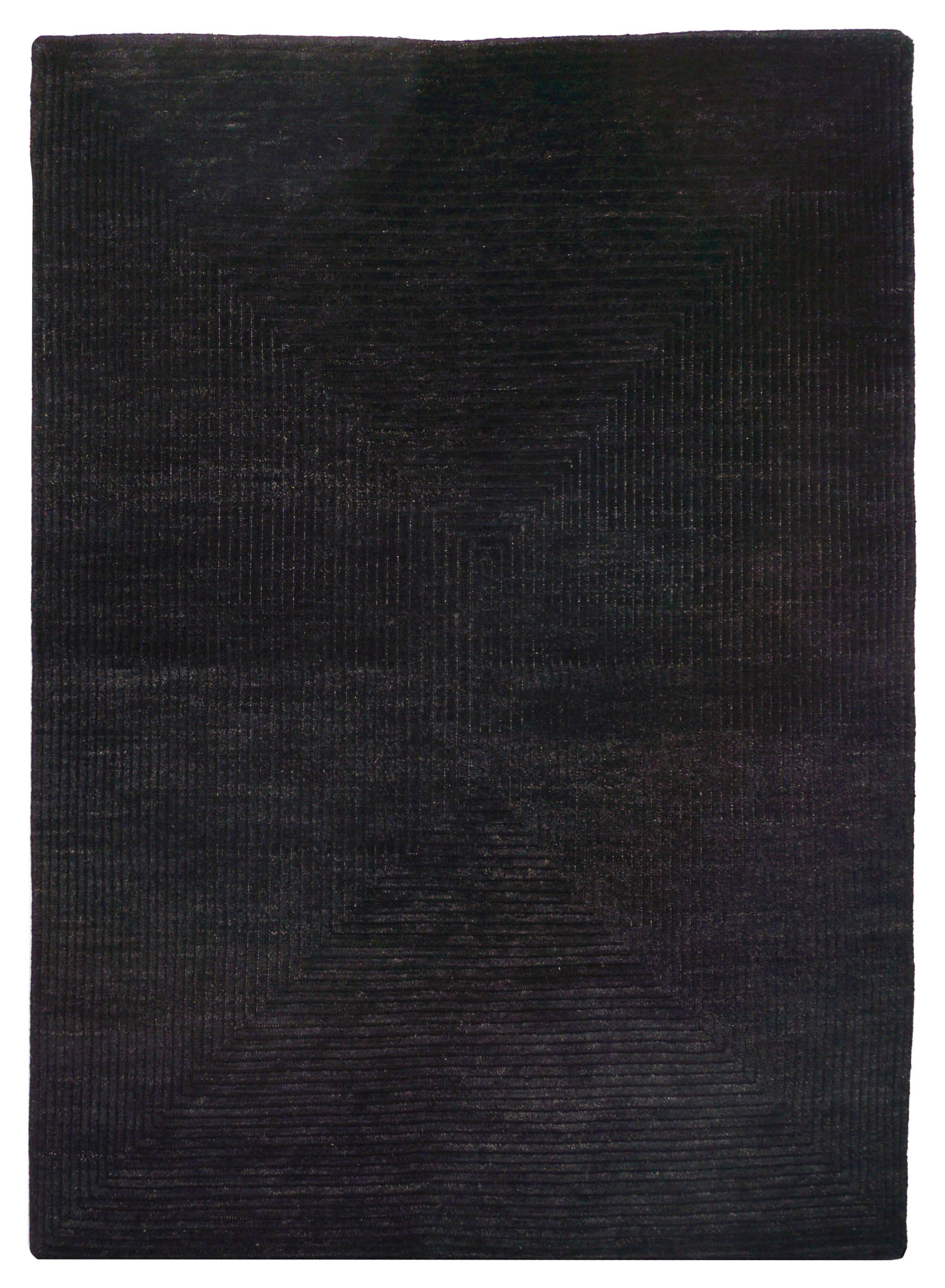
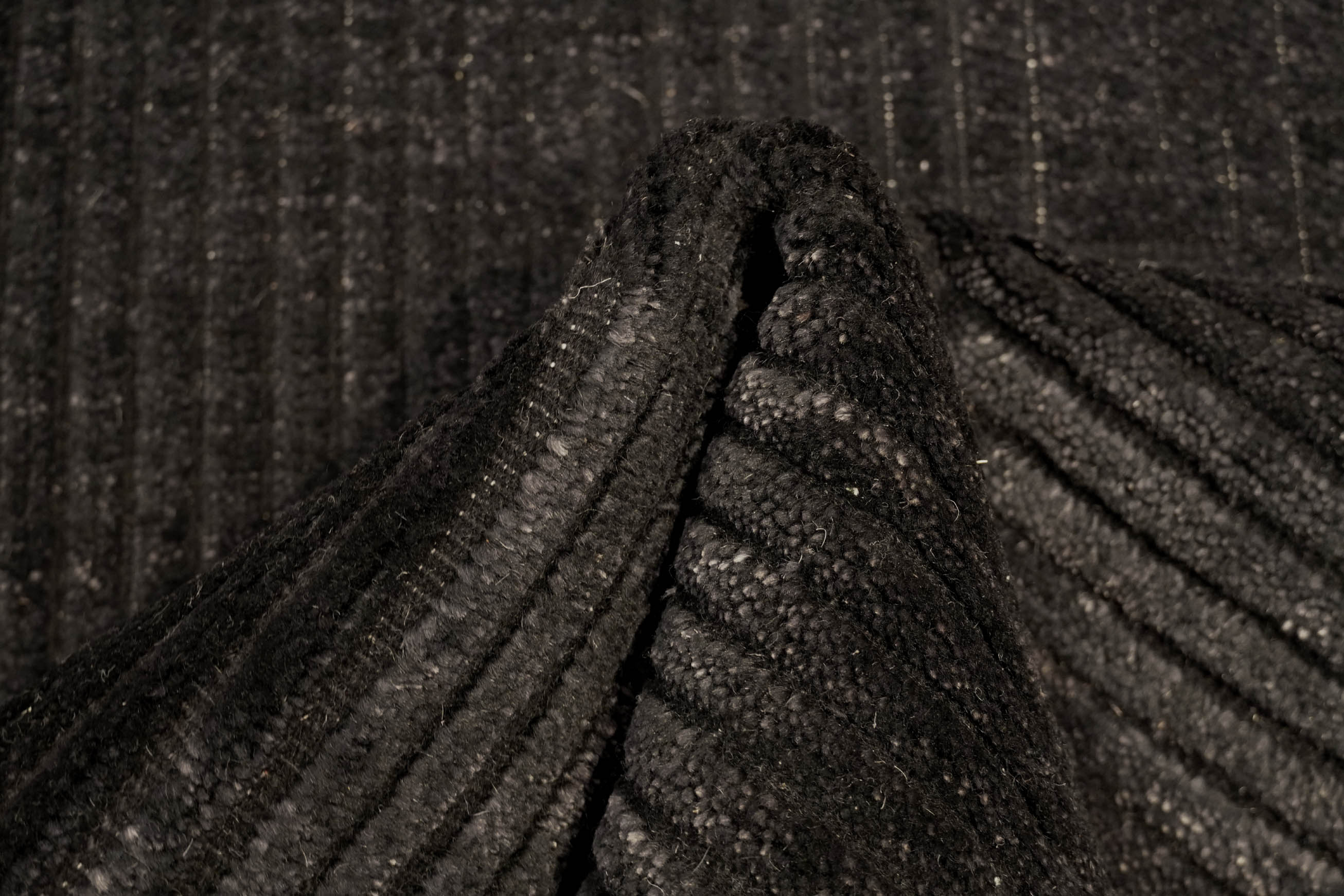


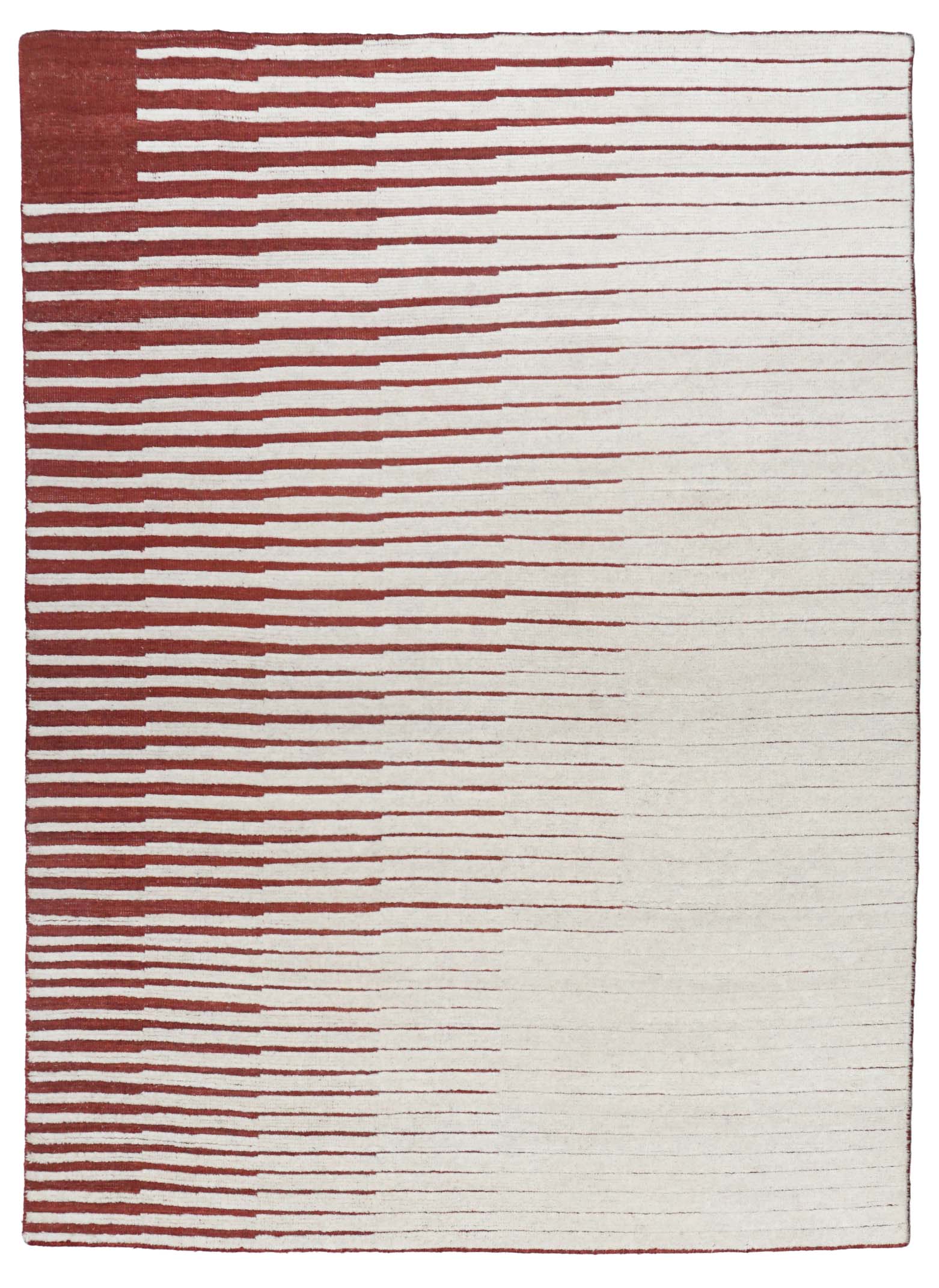
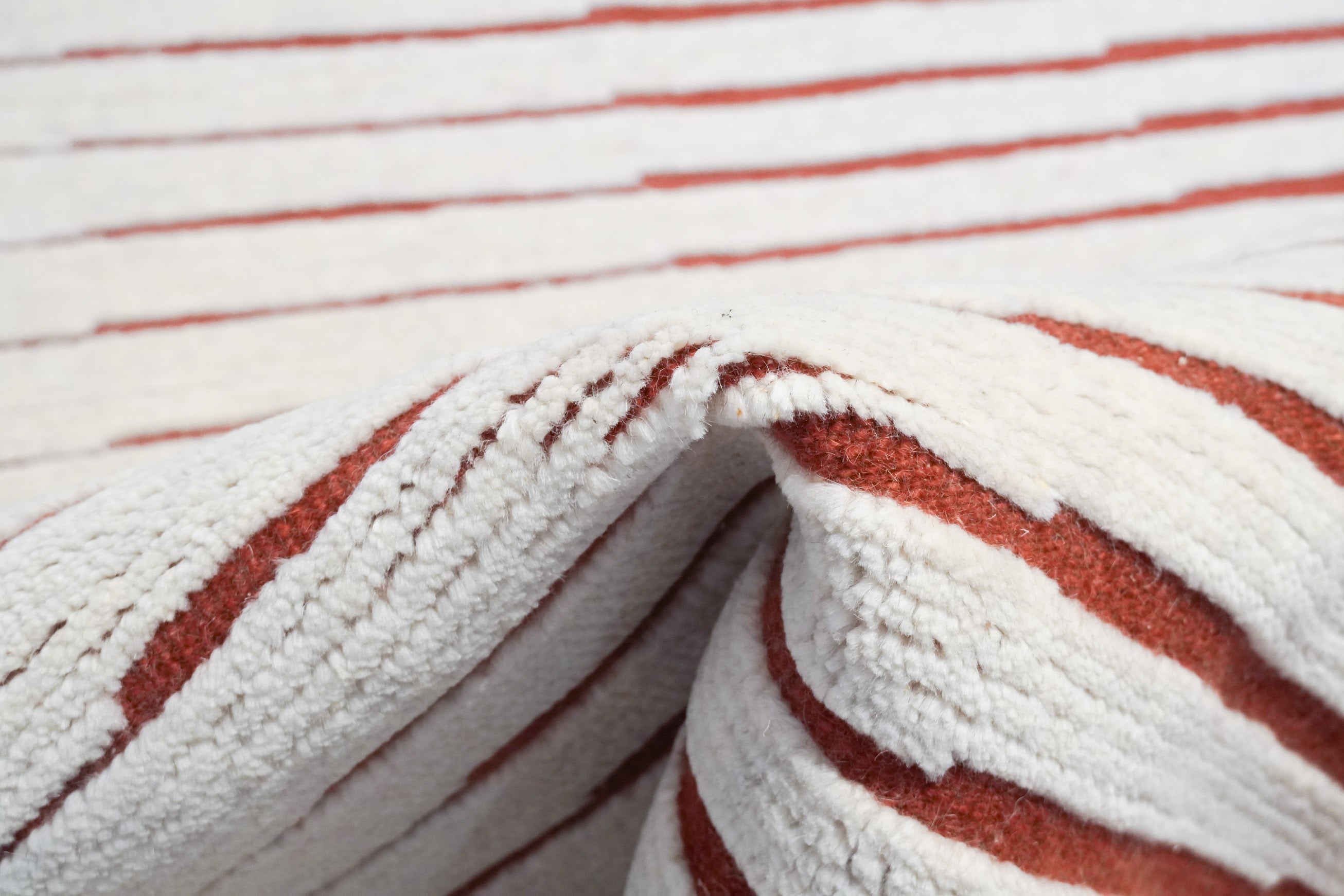
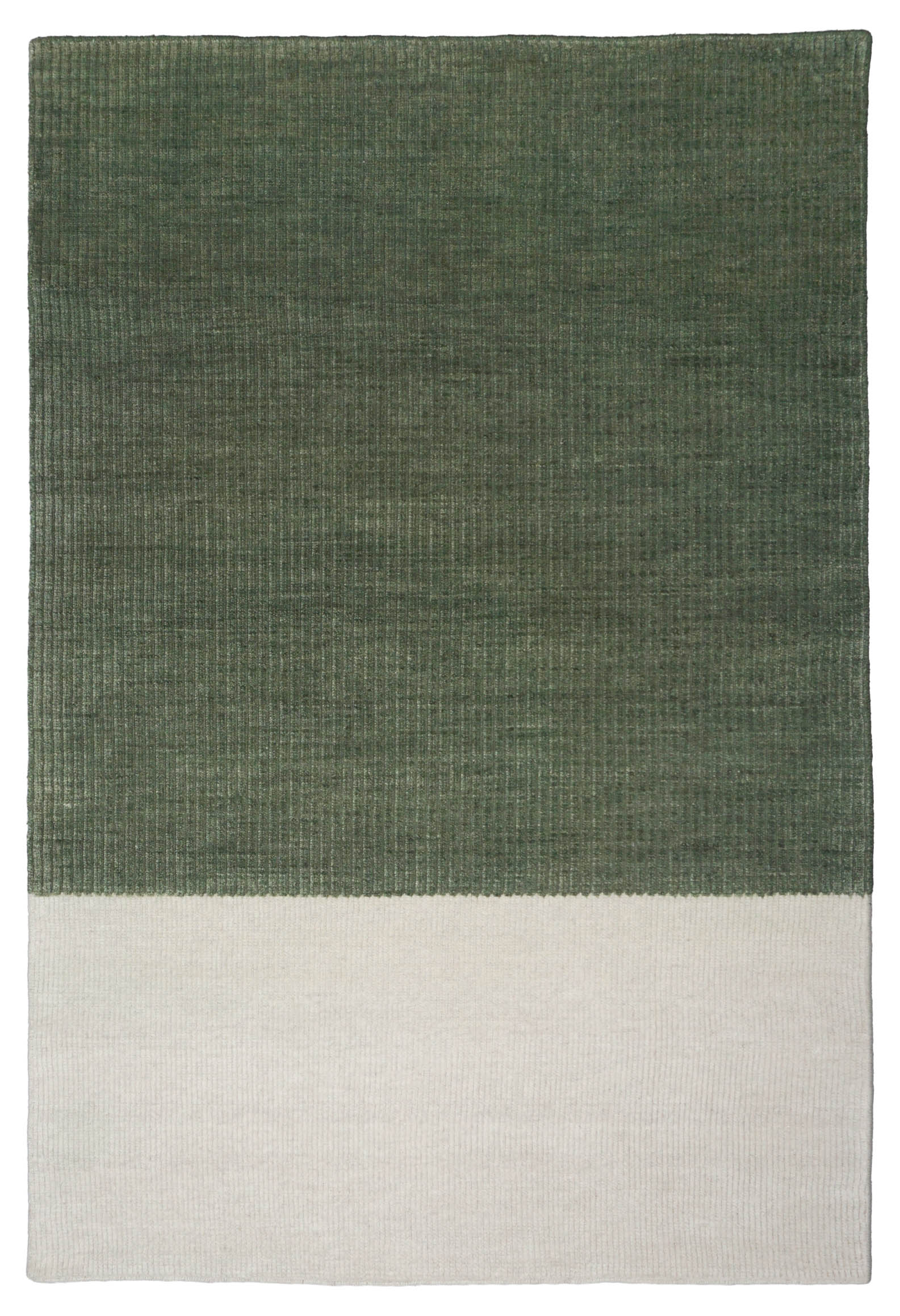
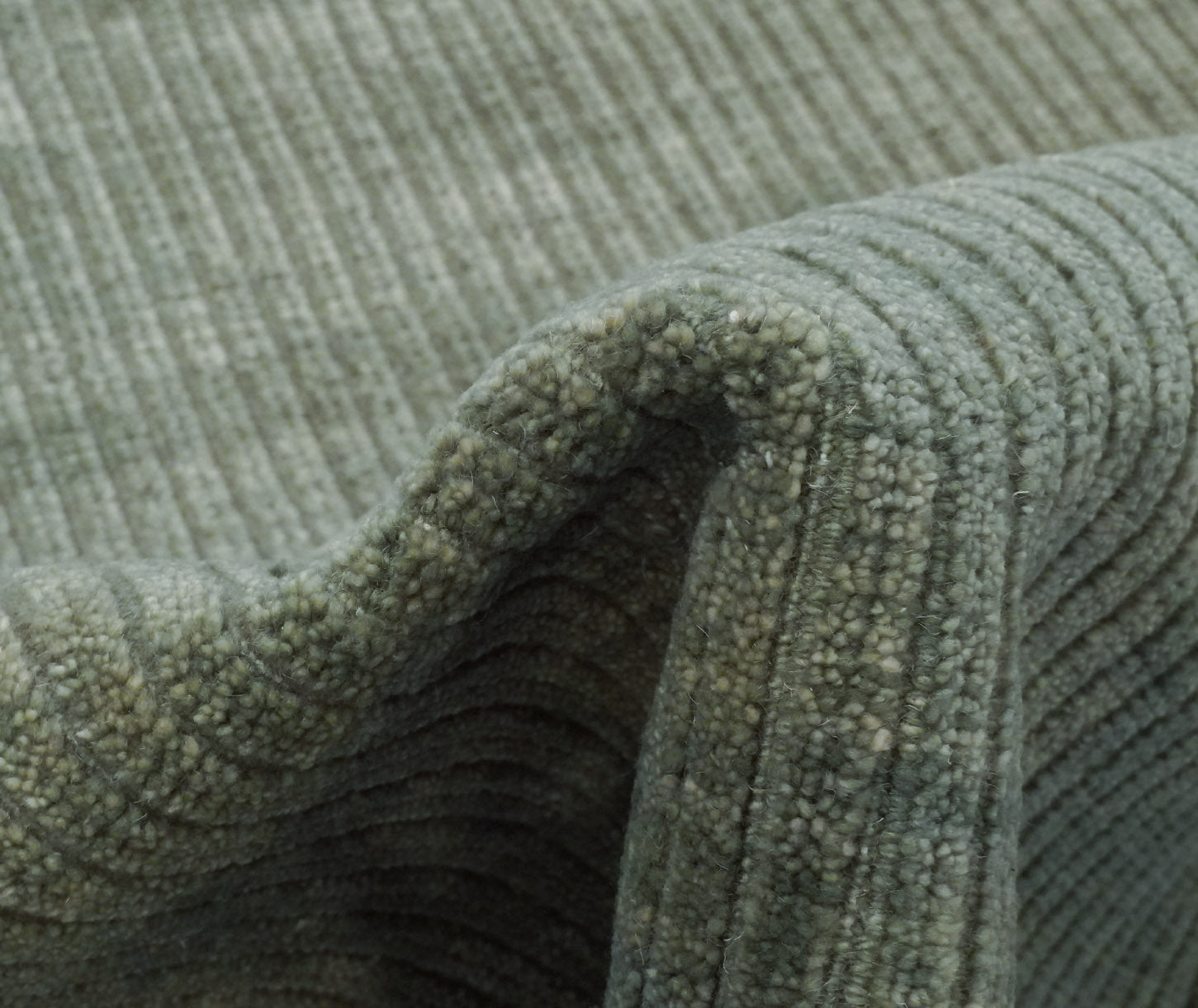
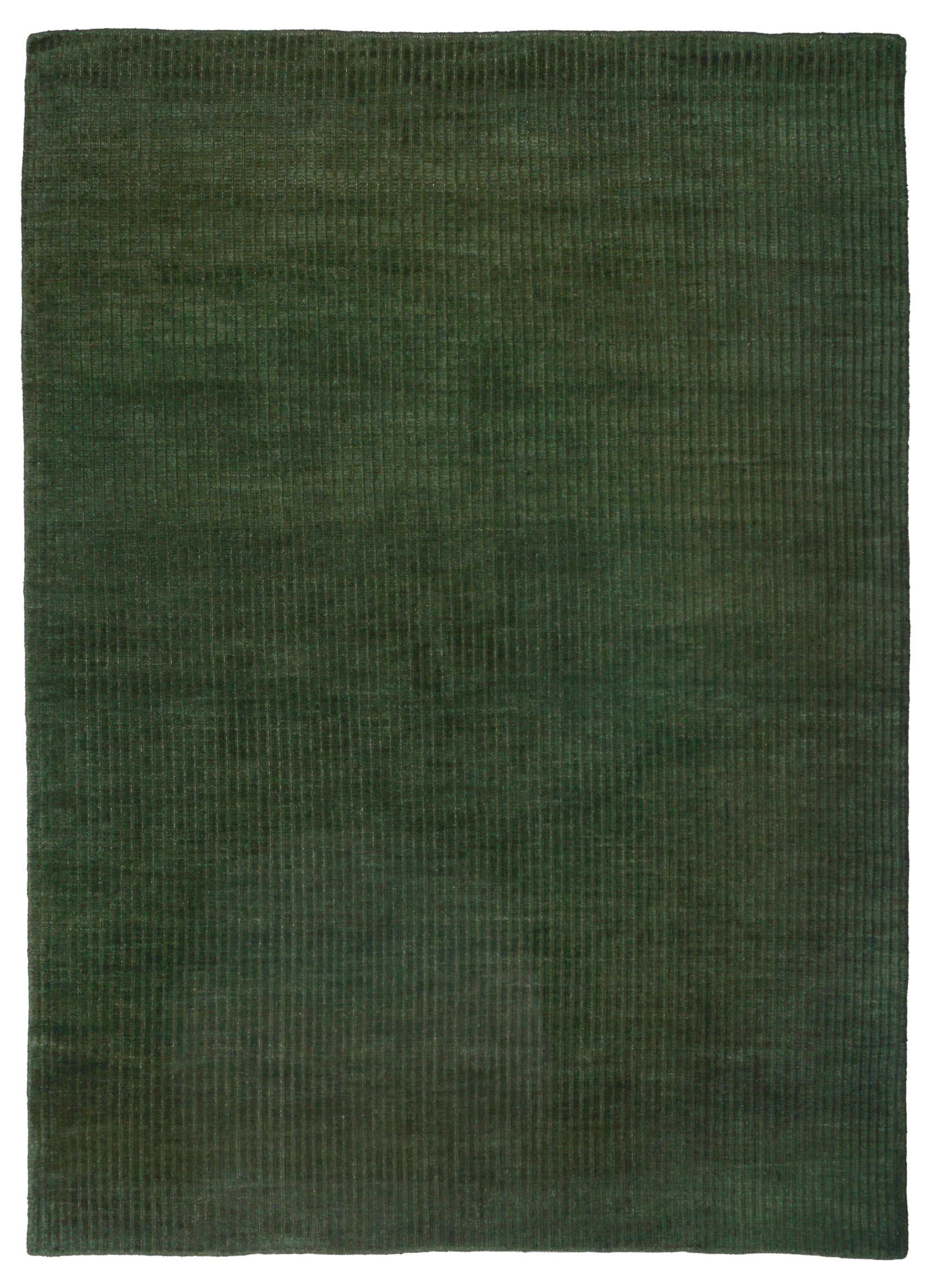
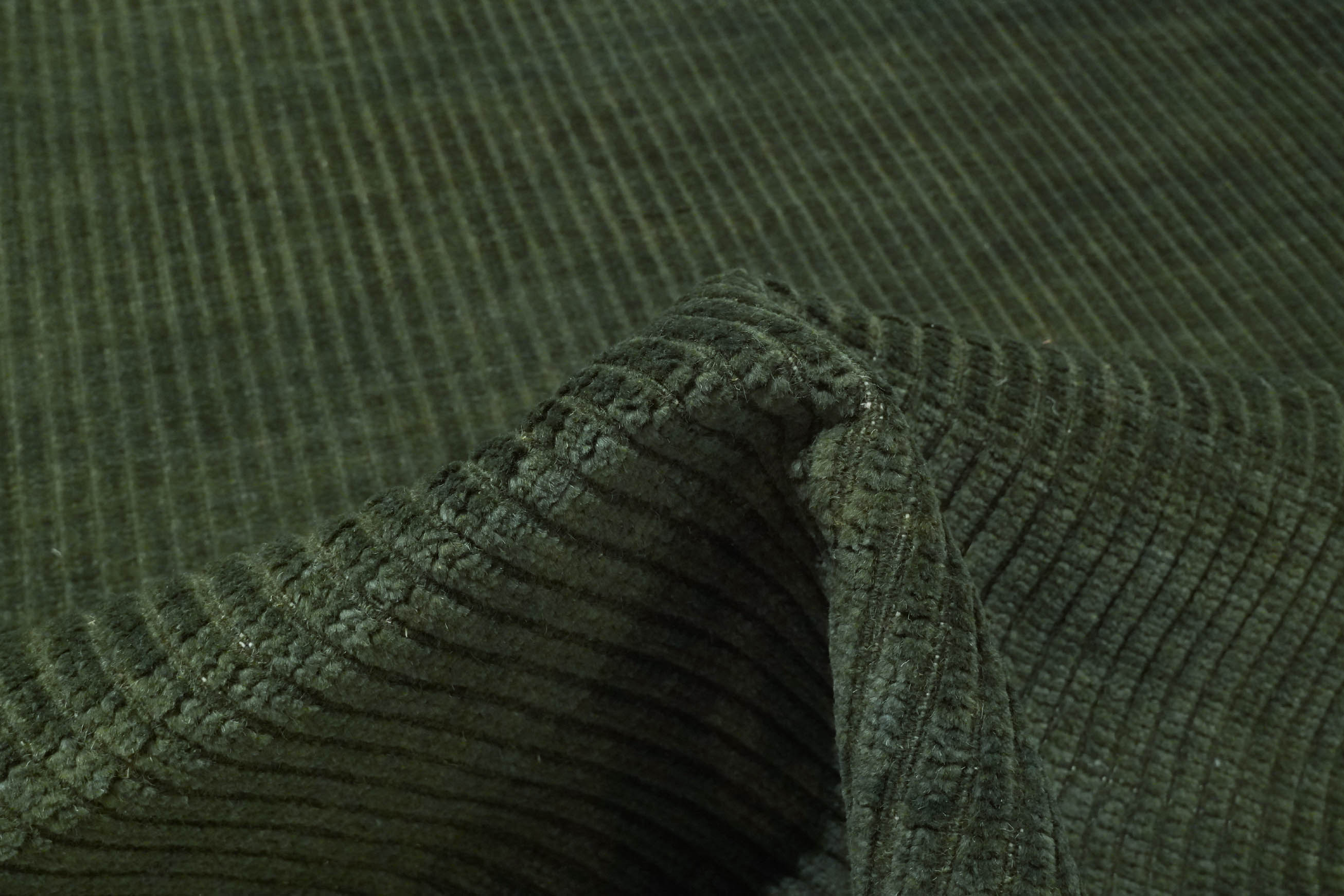


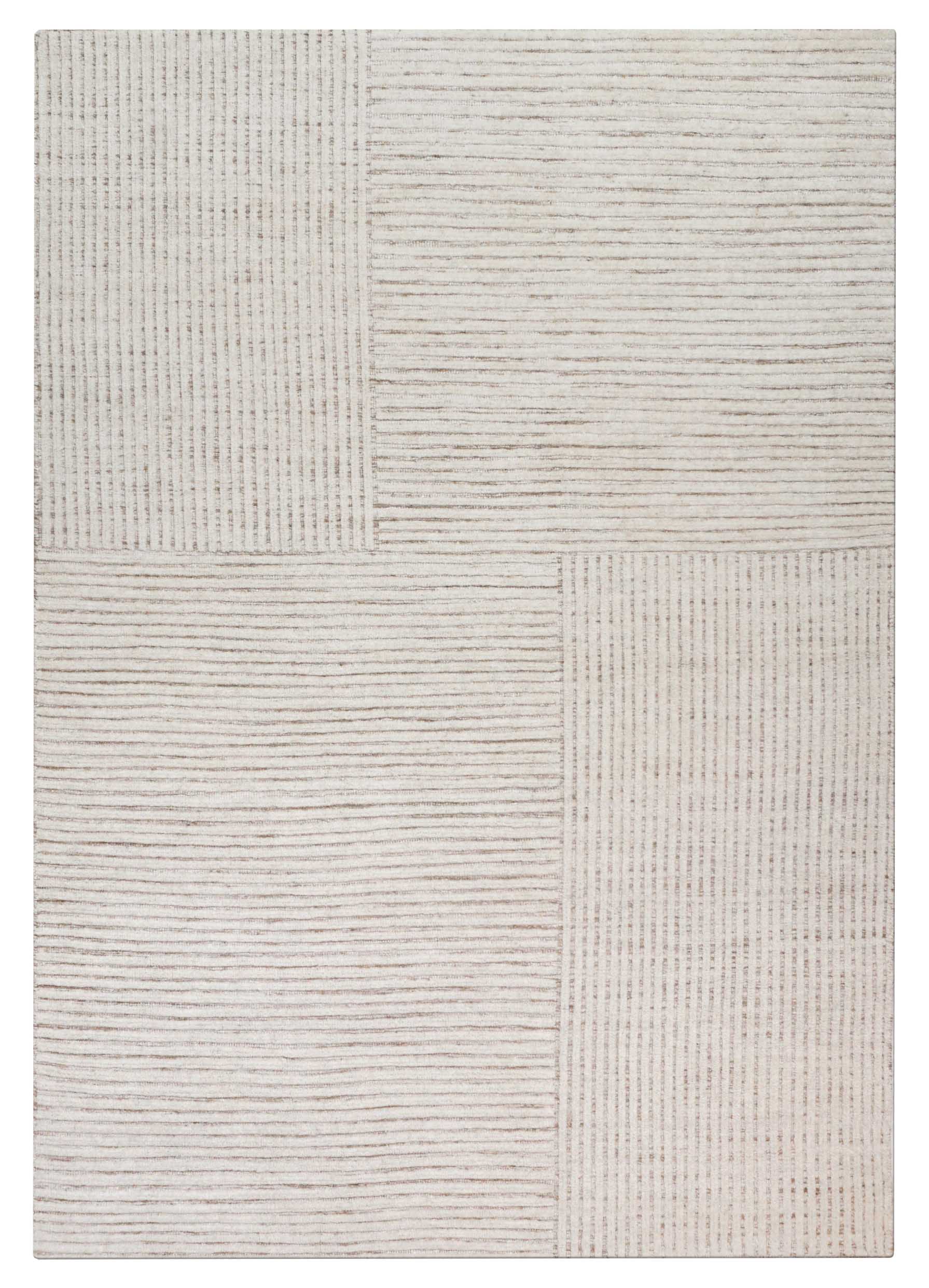
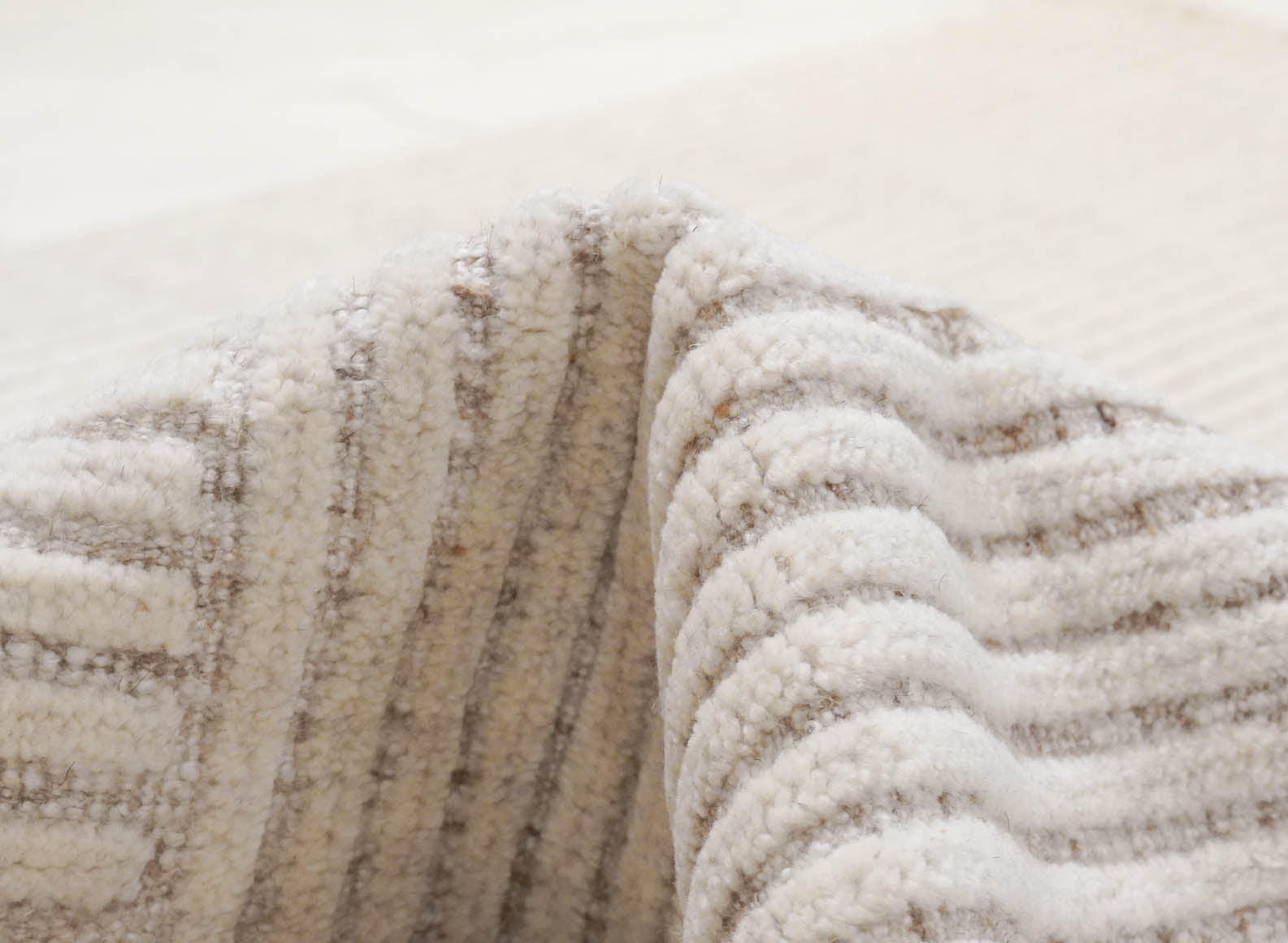


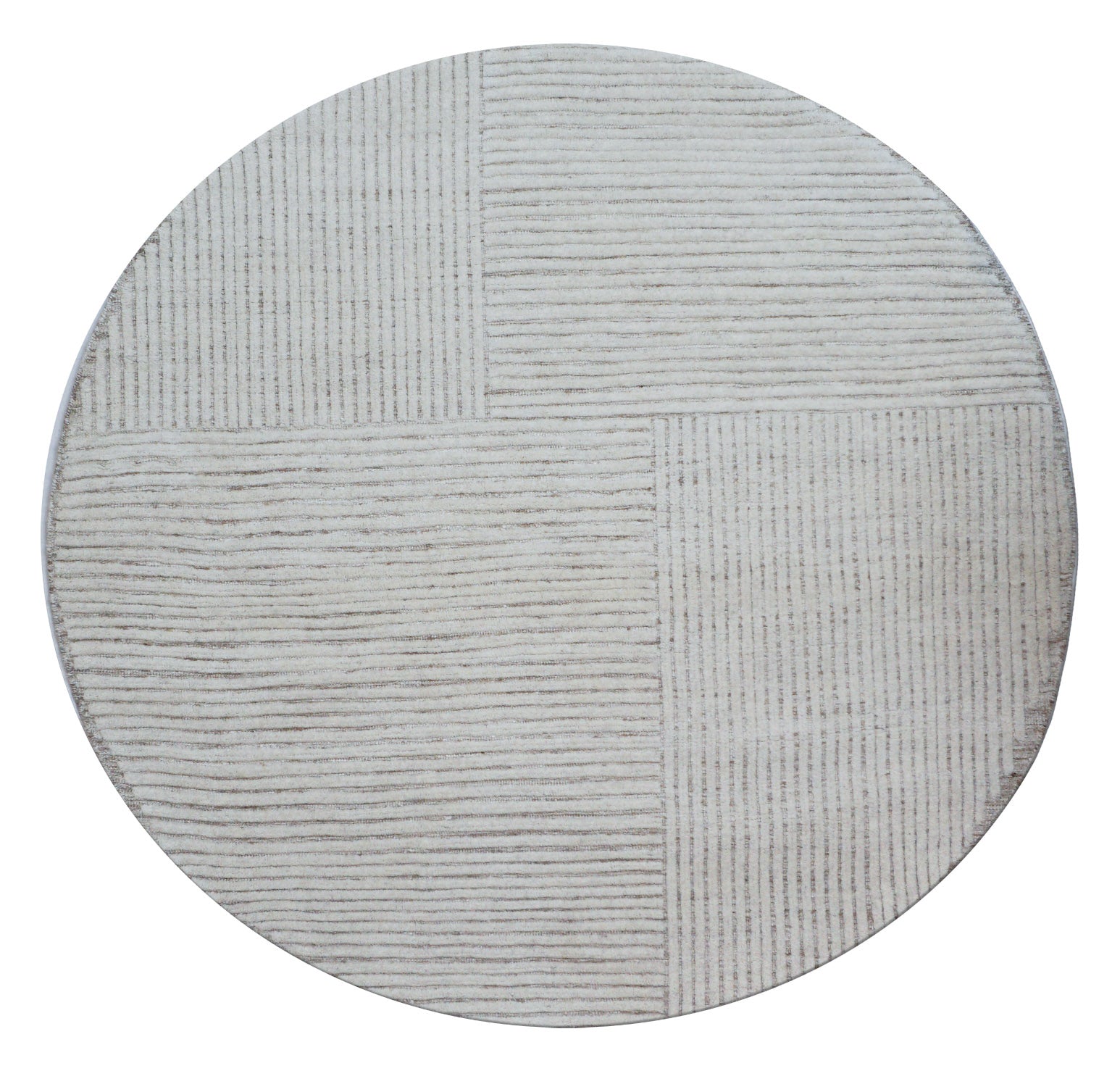
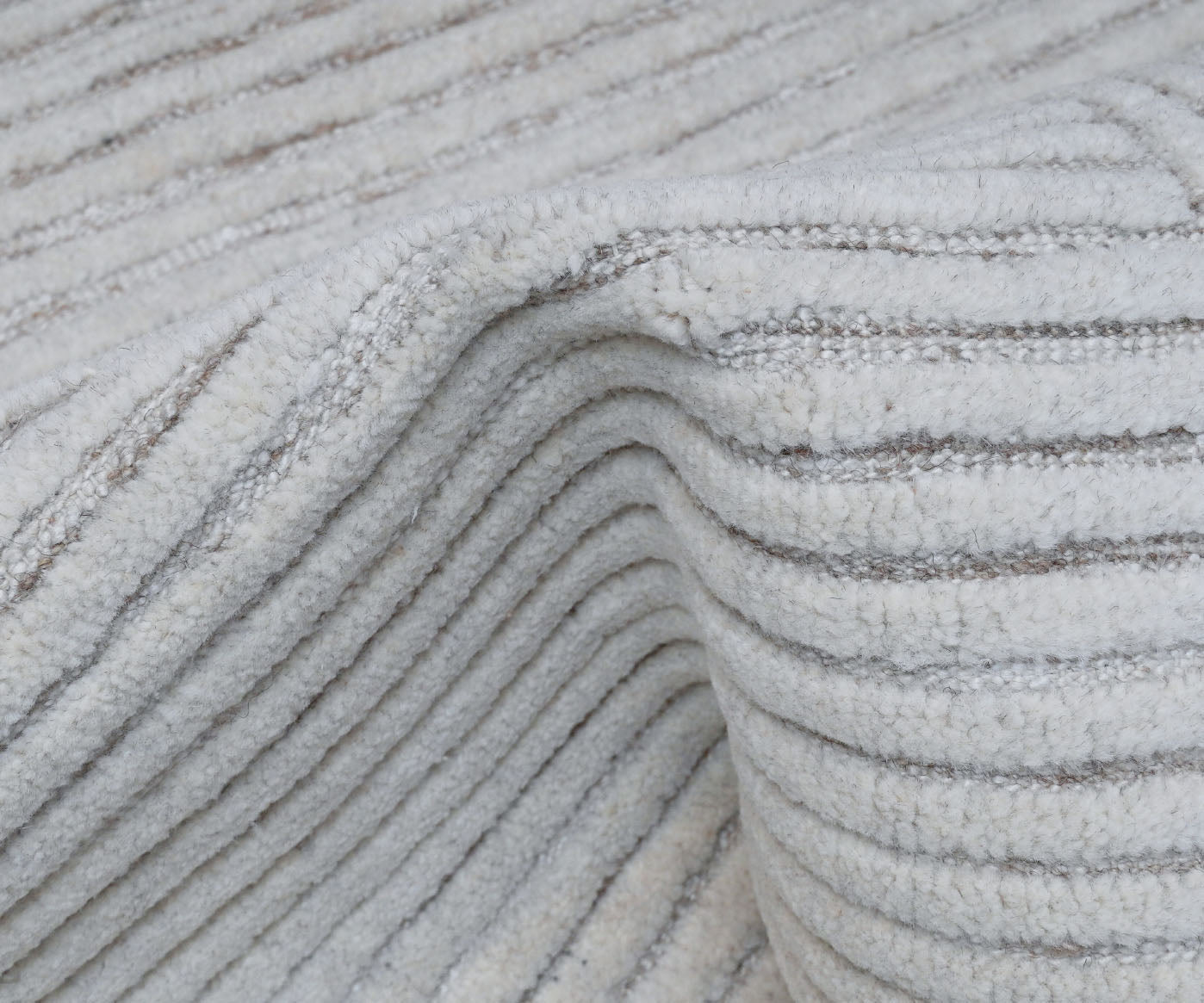
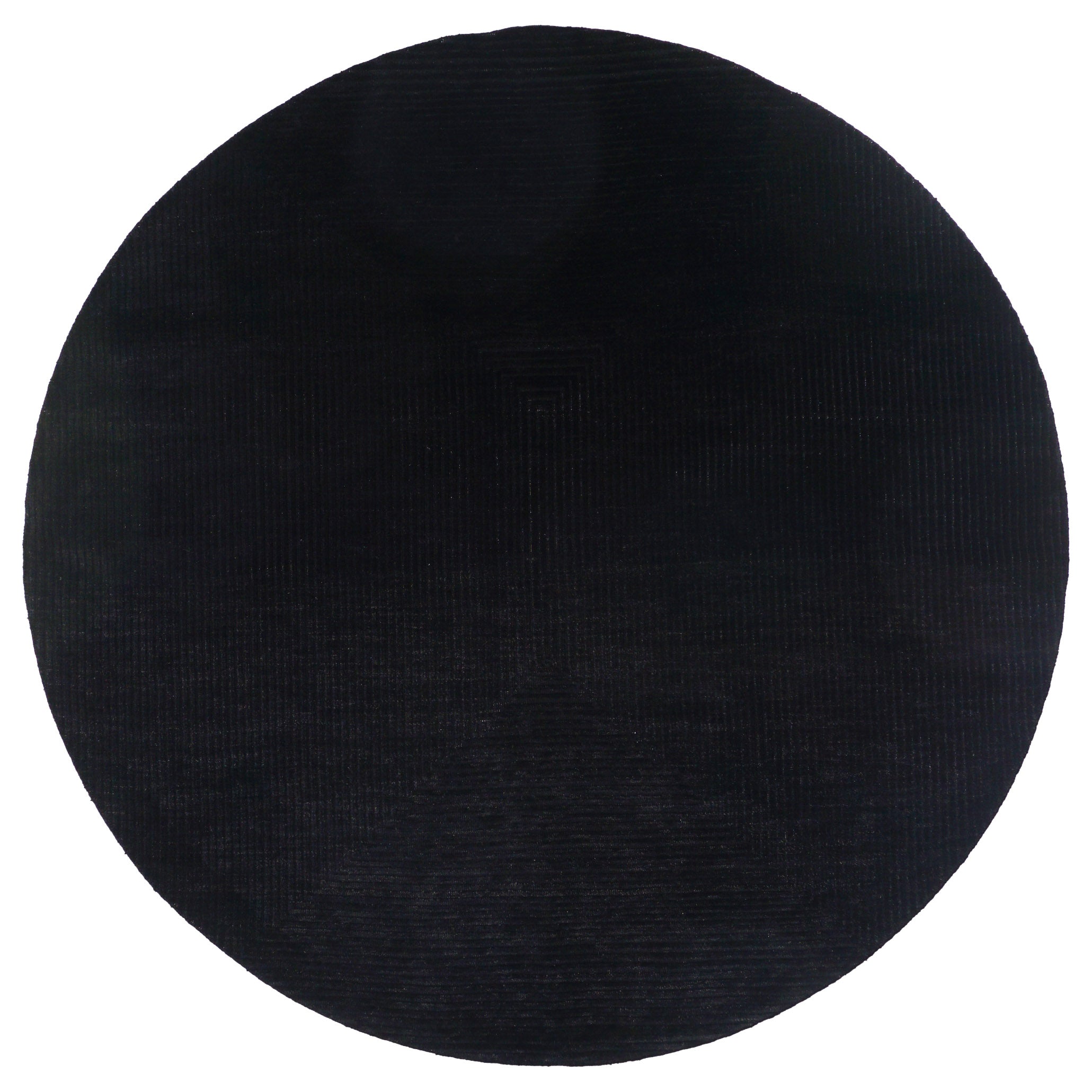
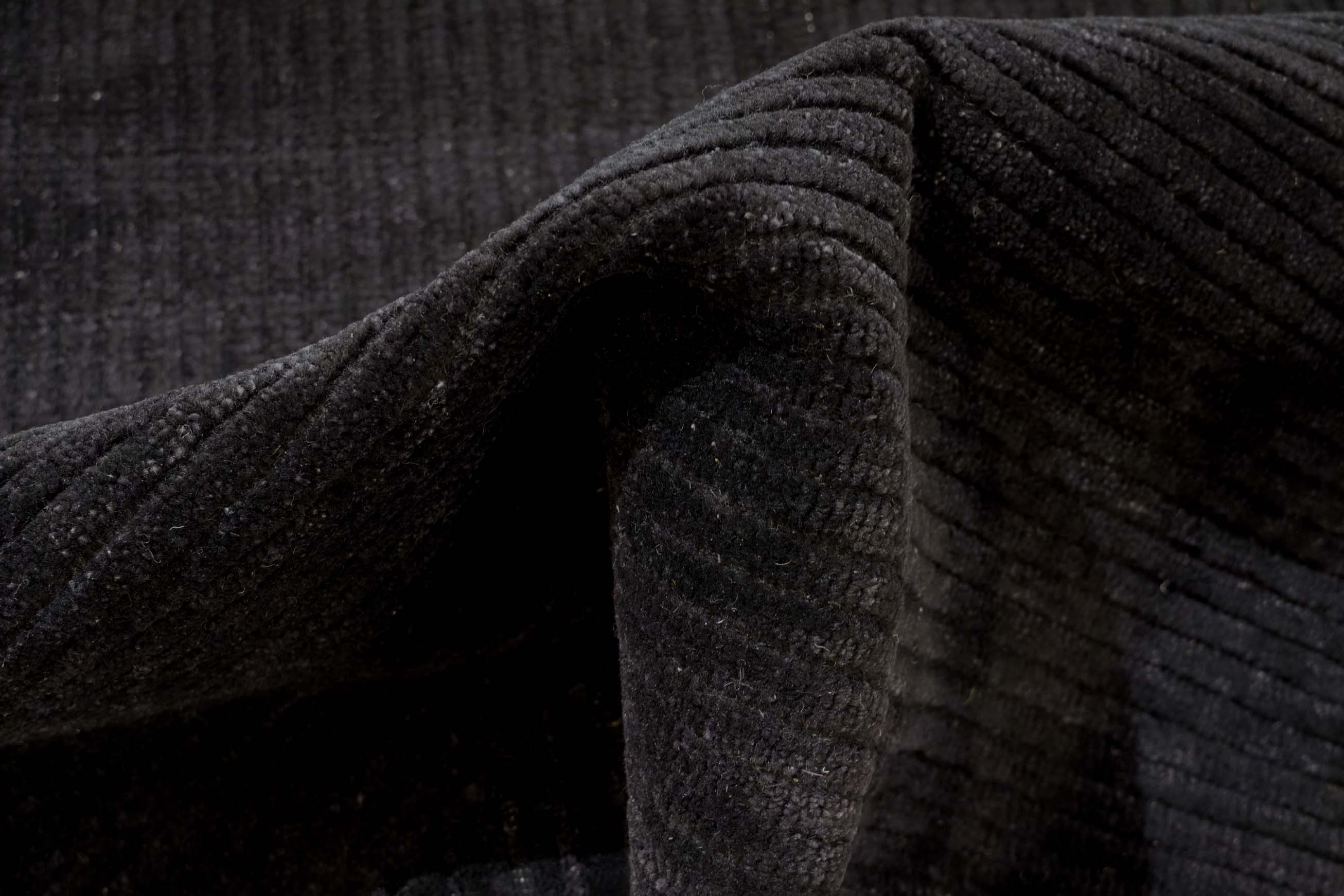


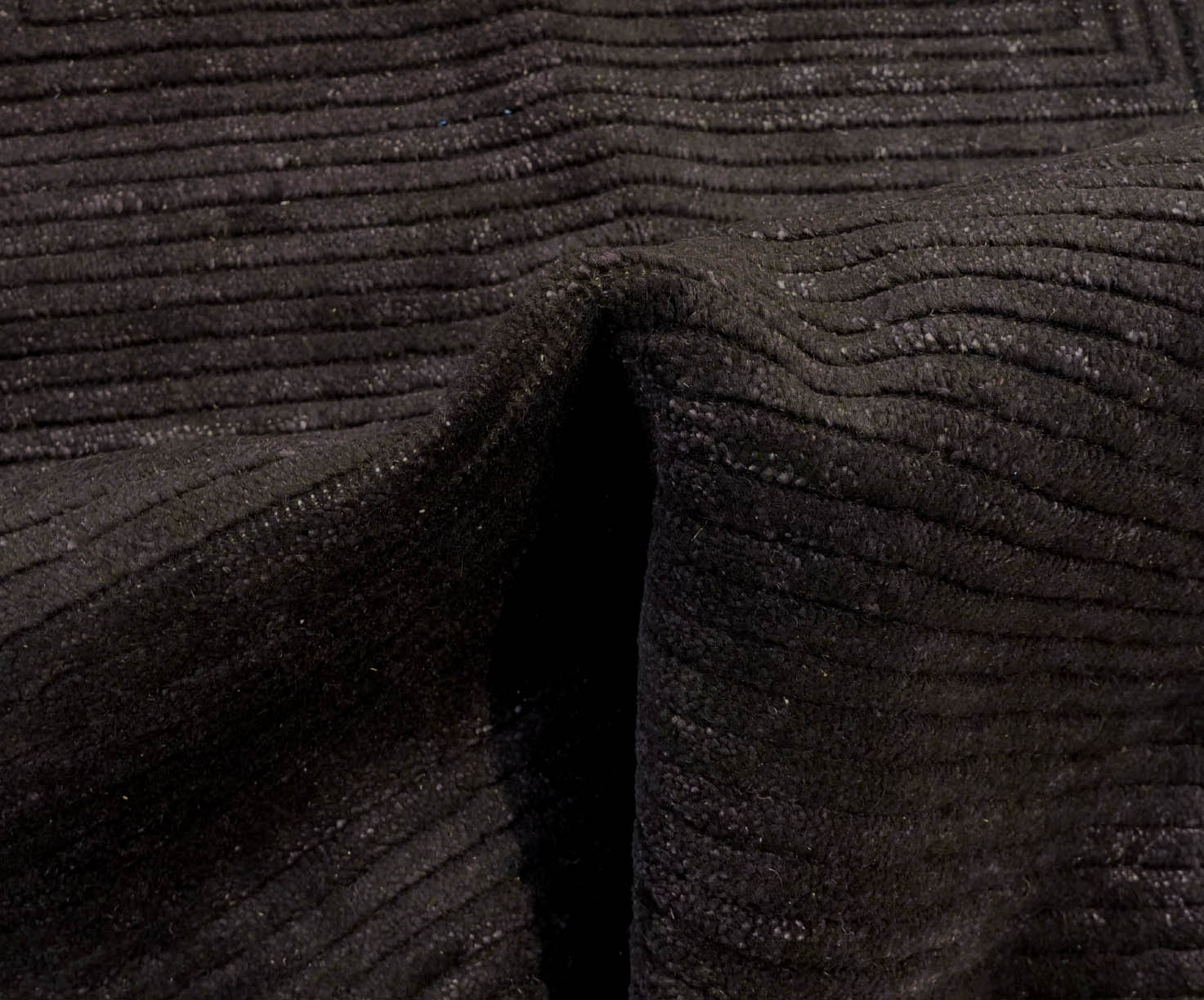


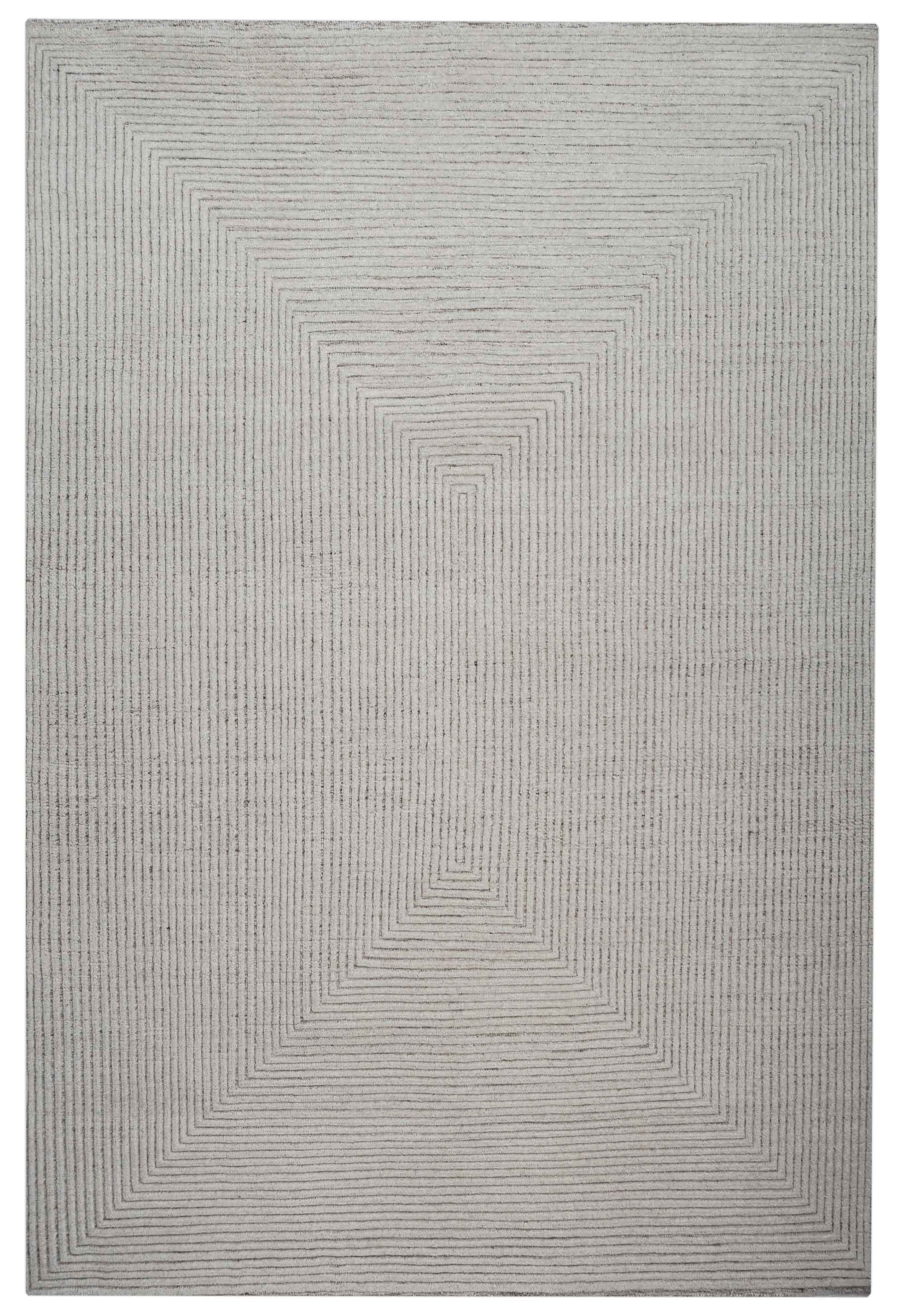
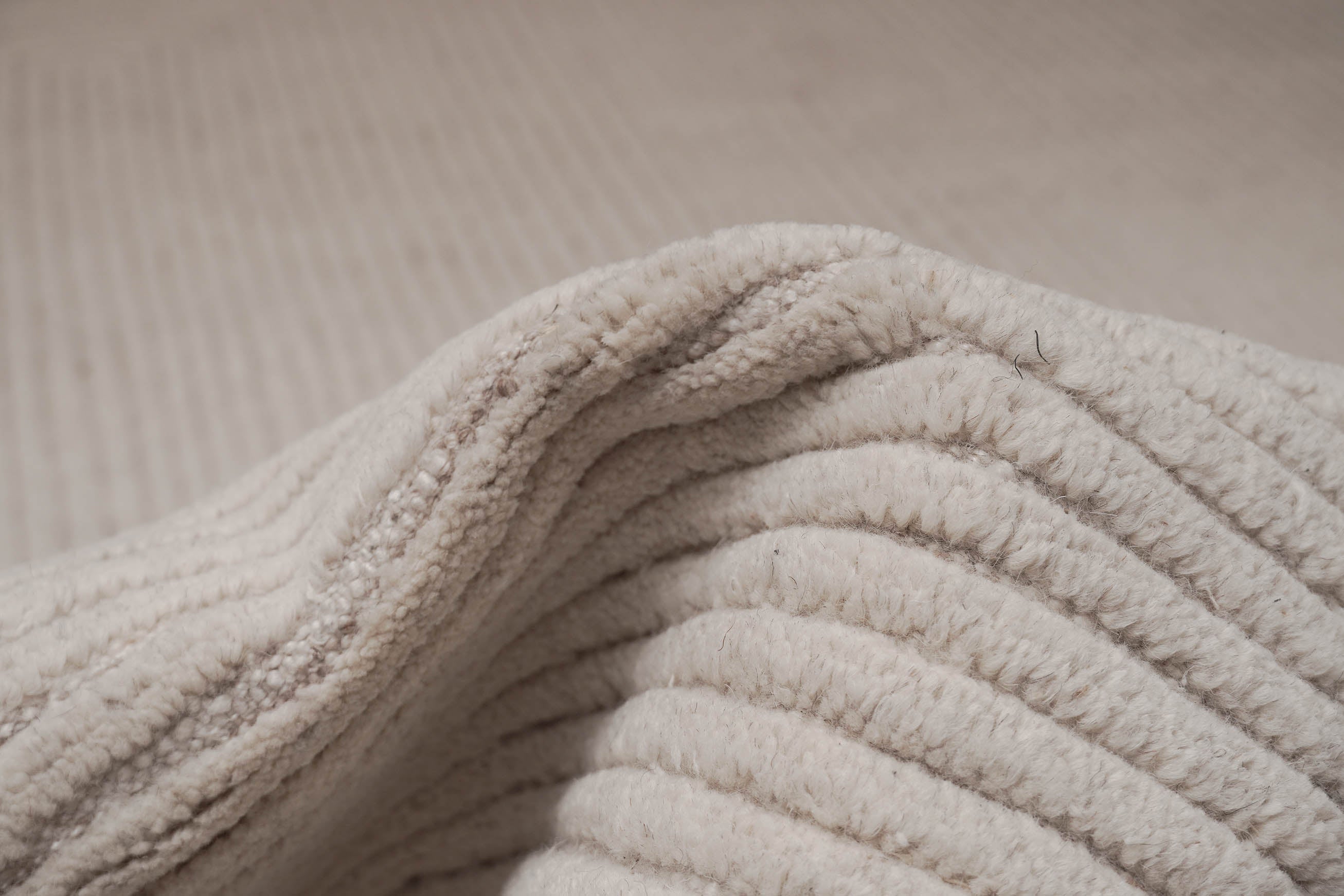
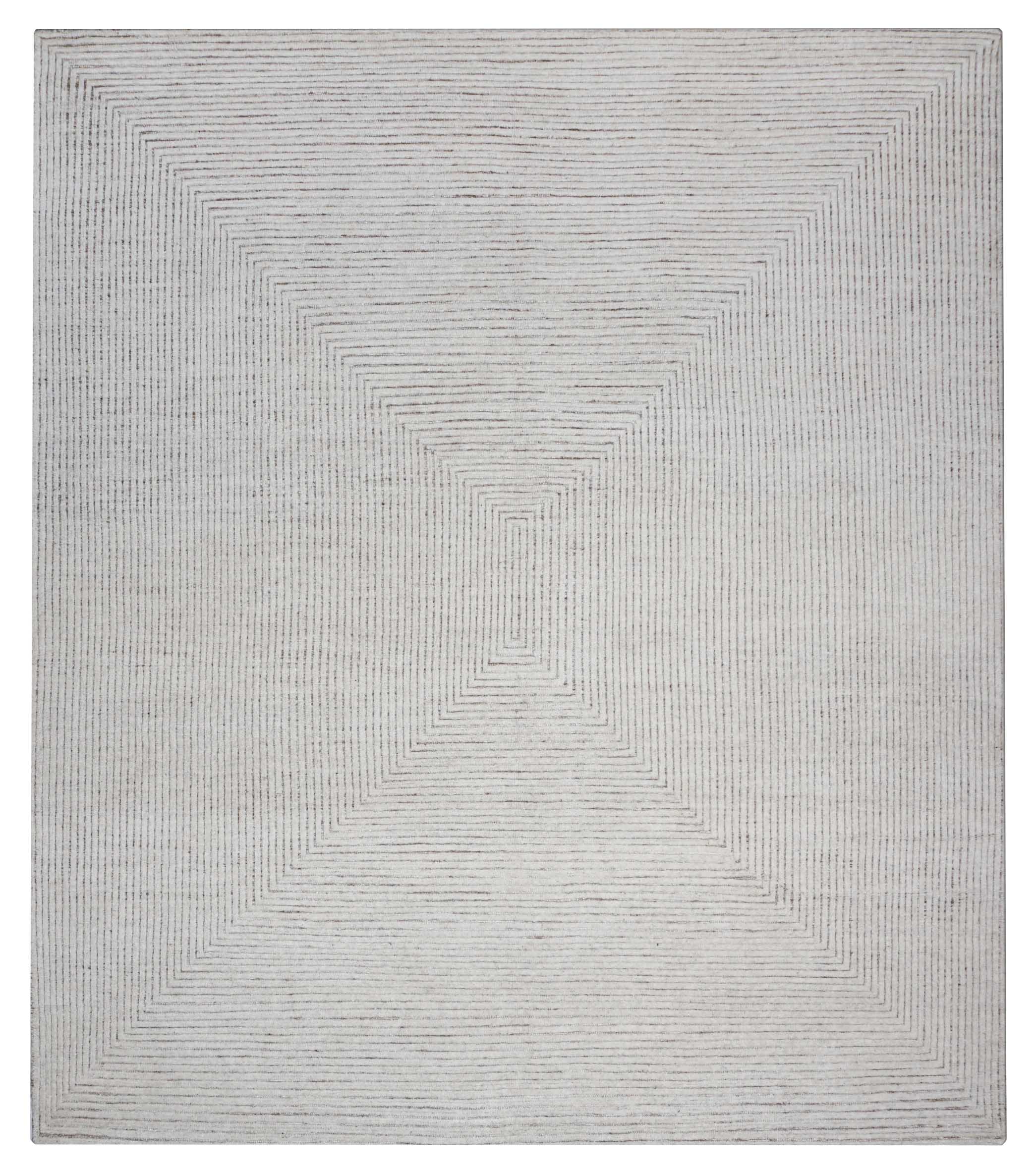
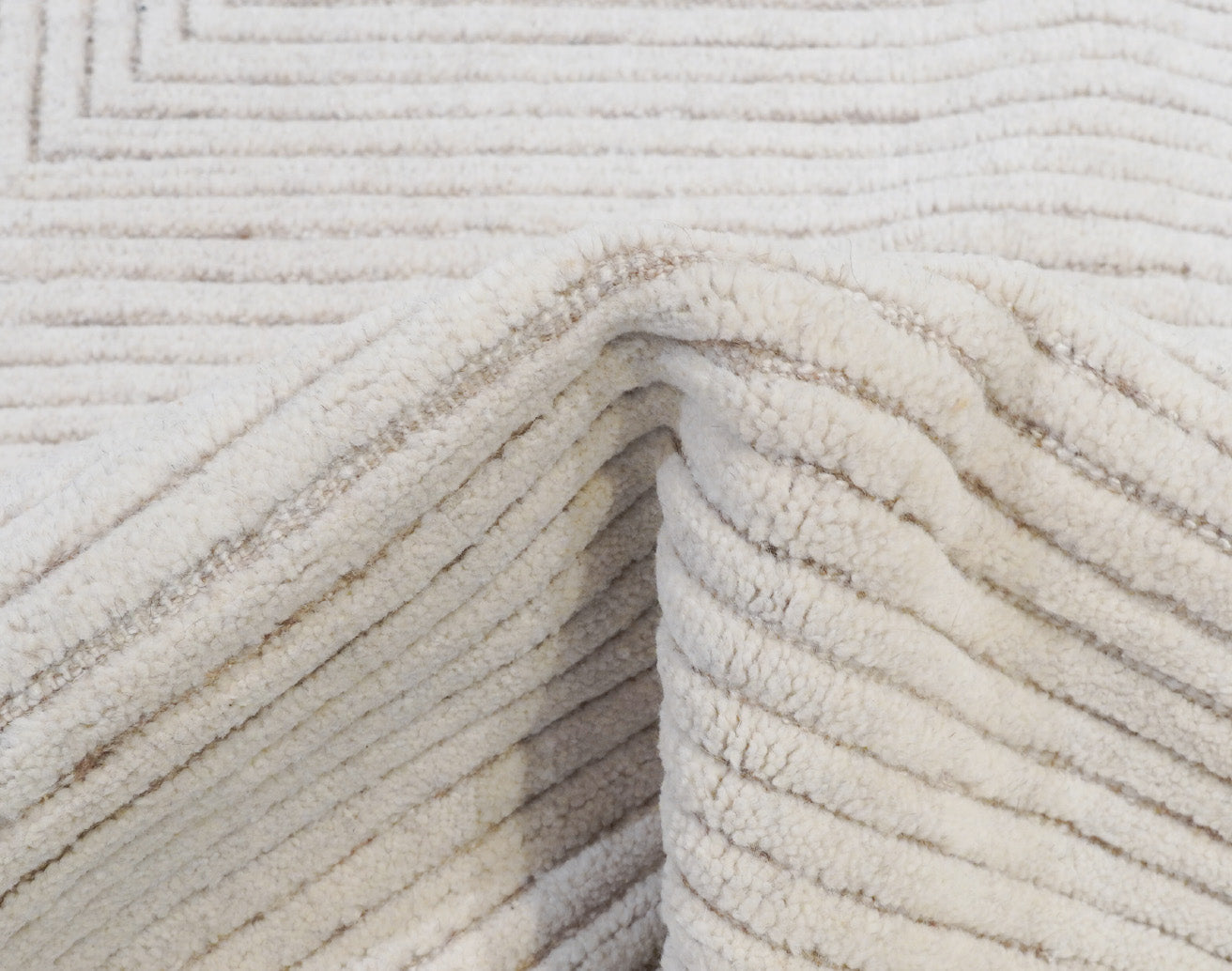

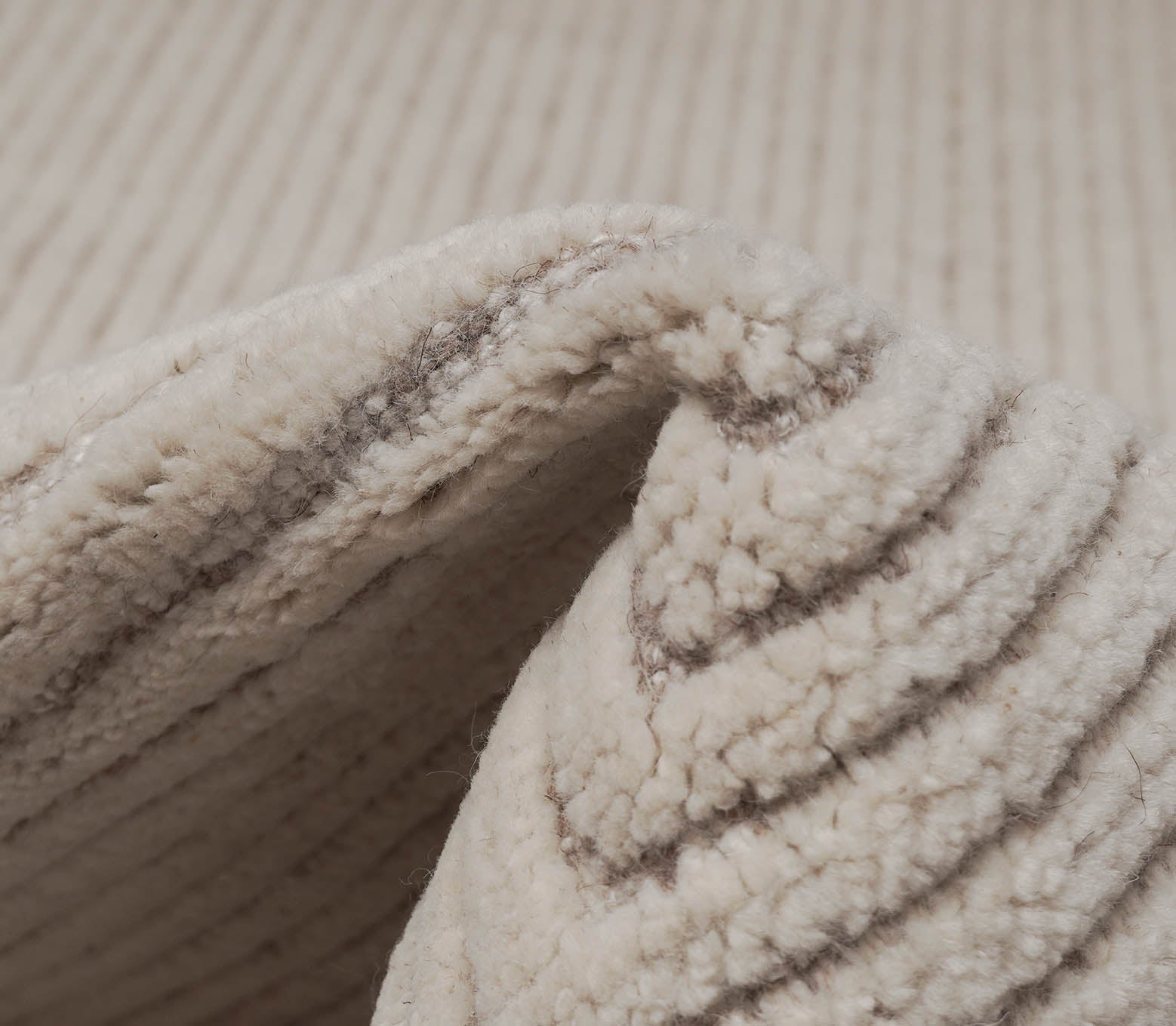
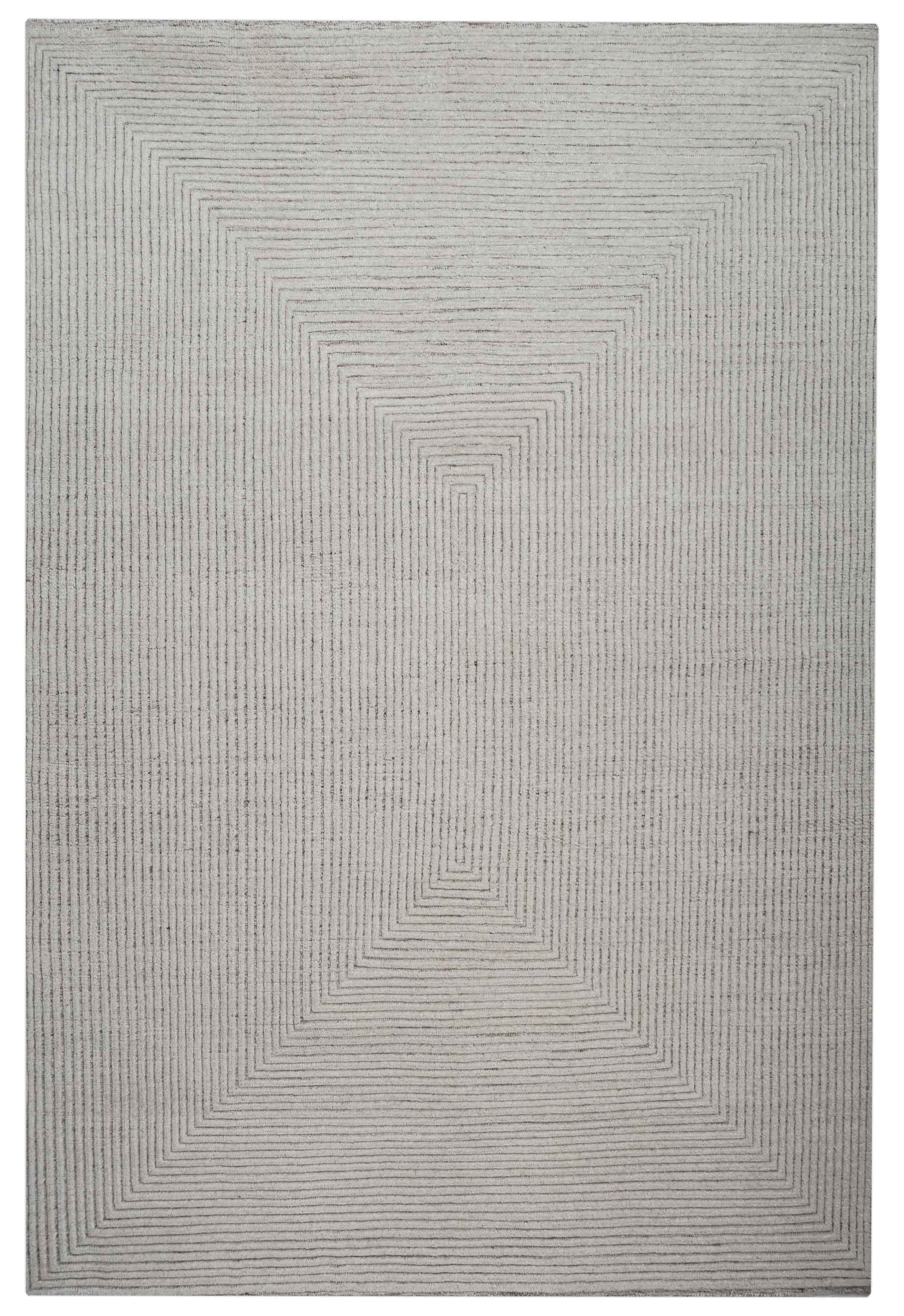
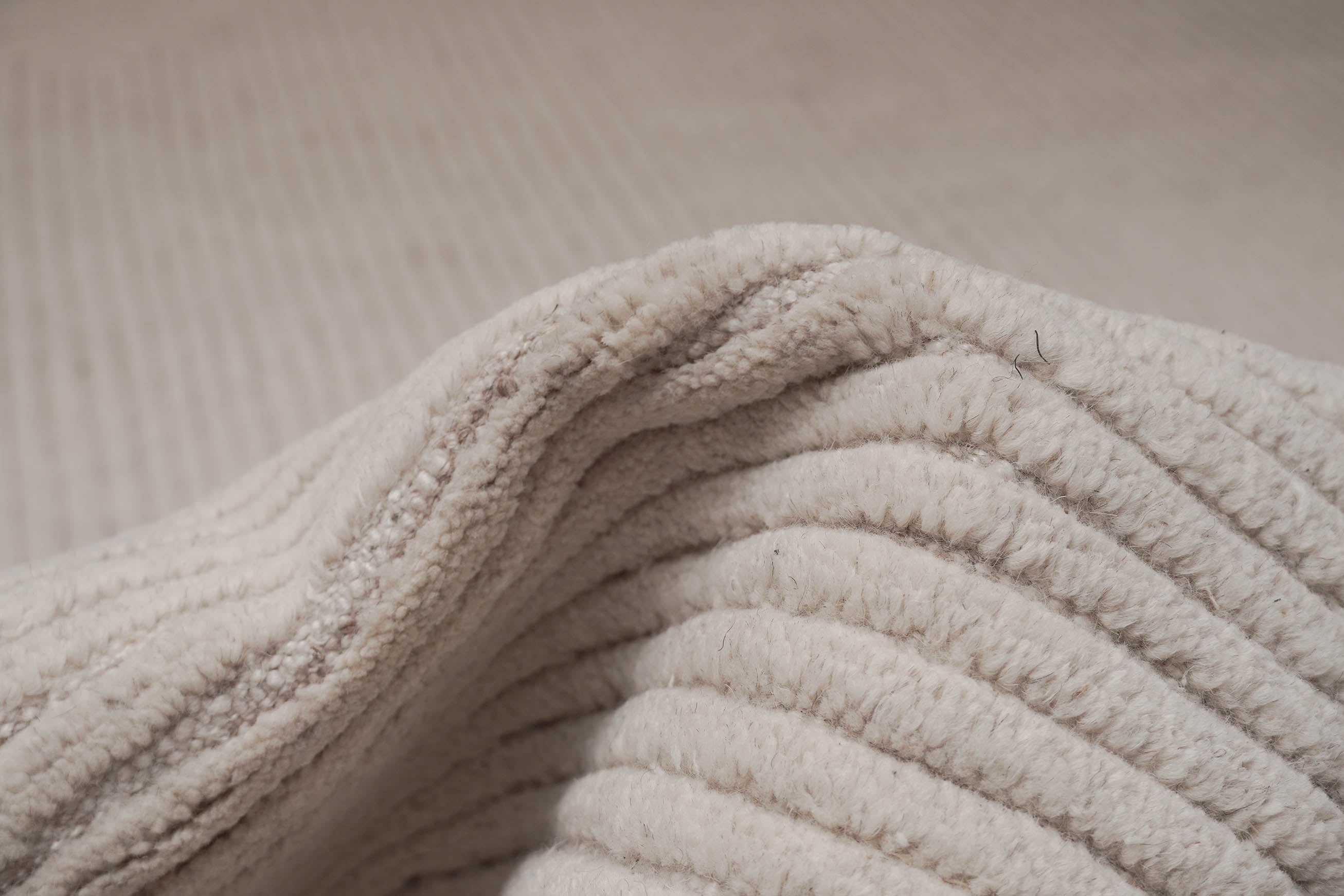



Buying a rug – our guide
When you buy a rug, many factors come into play that go beyond style and colour. A carefully chosen rug not only enhances the look of your home, it also creates lasting comfort and atmosphere. To find a rug that isn't just a passing trend but enriches your home for the long term, there are a few important aspects worth keeping in mind.
The following tips will help you make the right choice and find a rug that doesn't need replacing after two years but gives you pleasure for many years to come.
Why buy a rug?
Rugs offer far more than just protection for the floor. They create a cosy atmosphere, improve room acoustics and can fundamentally change the whole feel of a space. To make the best decision when buying a rug, it's worth taking a closer look at everything rugs can do.
The benefits of rugs at home
A rug is a true all-rounder that can turn a cold, impersonal atmosphere into a warm, welcoming room. Rugs act as natural sound absorbers, soaking up noise and improving the acoustics of a space. They also insulate, helping to keep floors warm — a real advantage in the colder months.
Rugs also play a major part in shaping a room, serving as visual anchor points. They help to structure areas clearly and encourage better use of the space. In open-plan homes or large rooms in particular, rugs are ideal for creating separate zones and making the space feel cosier.
Stylish interiors with rugs
Rugs are a simple yet effective way to give a room style and personality. Whether modern, classic or extravagant – rugs come in a huge range of designs, colours and materials. They are the perfect way to underline your own style of living or to set deliberate accents.
Another advantage is the flexibility rugs offer. They let you change the look of a room quickly and inexpensively. If you fancy a change of style, swapping the rug brings a fresh atmosphere into the room without much effort at all.
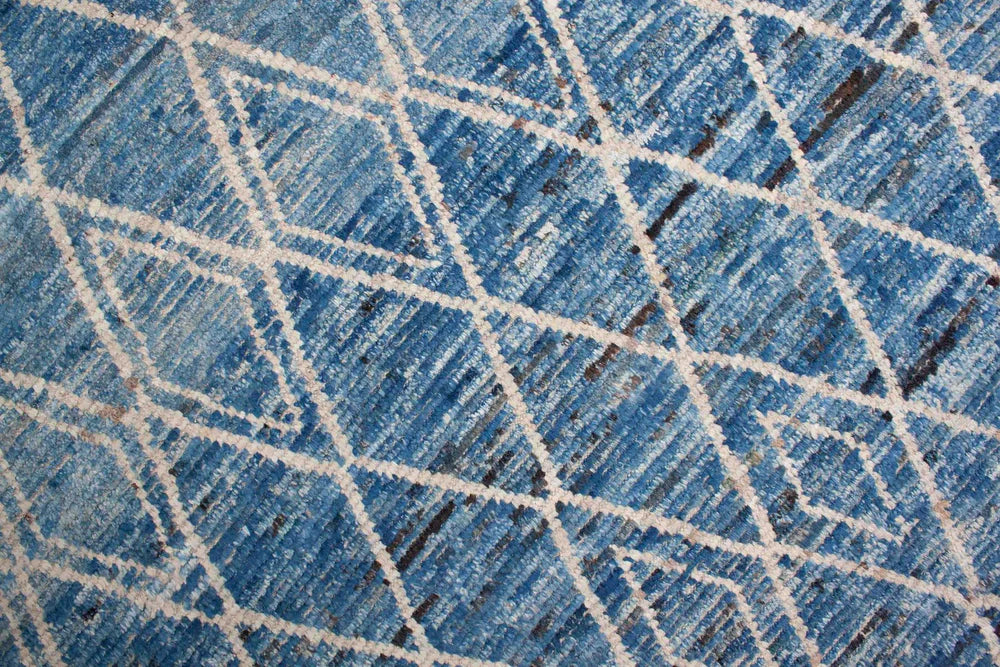
Buying a rug: which rug suits which room?
Every room makes different demands on a rug. For the living room, bedroom, hallway and dining room, certain types of rug are better suited than others. Below we explain which rug belongs in which room.
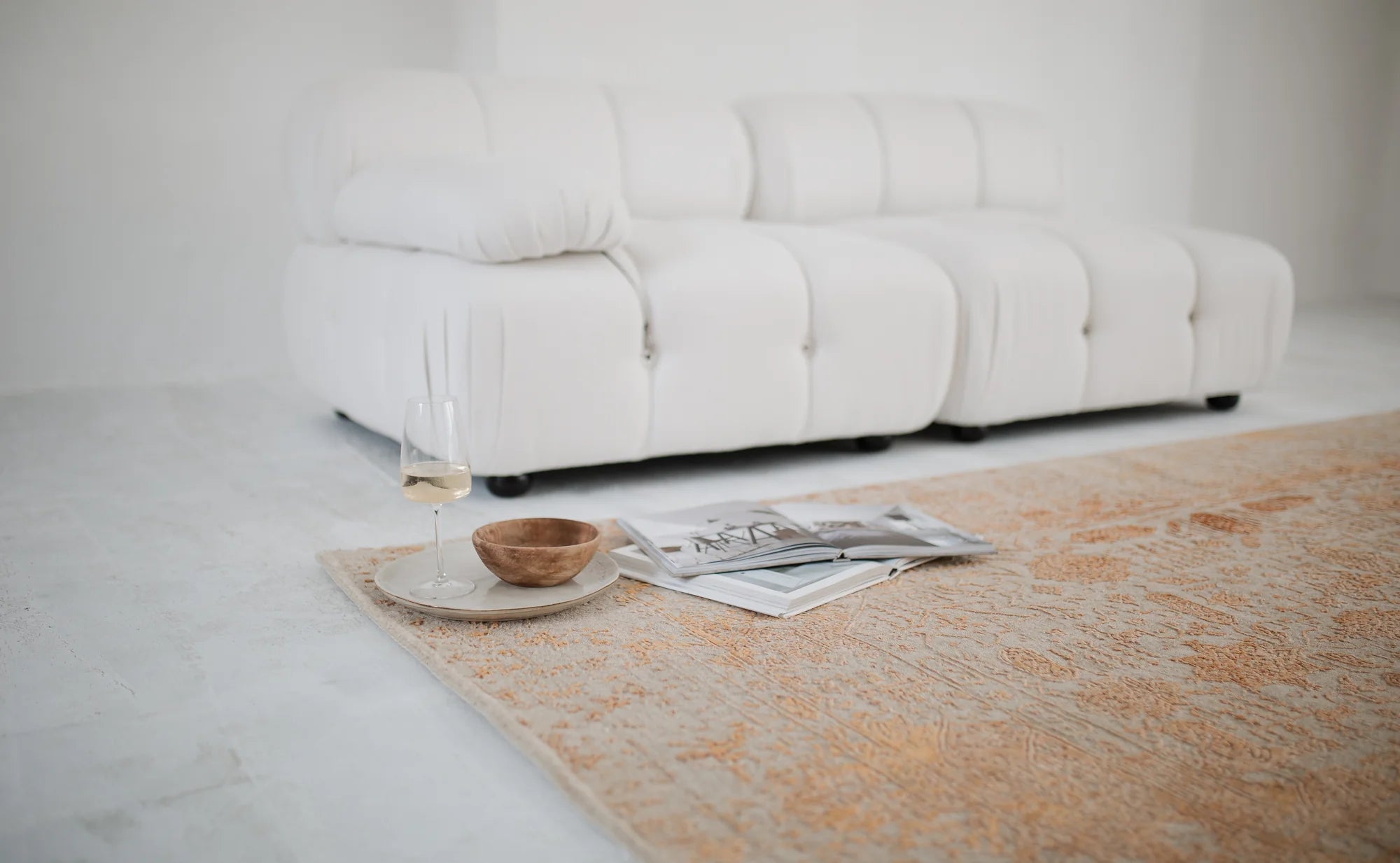
Living room: cosy rugs for more comfort
The living room is often the heart of a home. A rug here should not only look beautiful, it should also invite you to linger. High-pile or shaggy rugs are ideal, as they feel soft and luxurious and look especially cosy. They create a snug atmosphere and make you want to settle down on the floor.
One point matters especially: the rug should be large enough to take in all the furniture of the seating area (sofa, armchairs, coffee table). That creates a harmonious overall picture and keeps the room from looking cluttered.
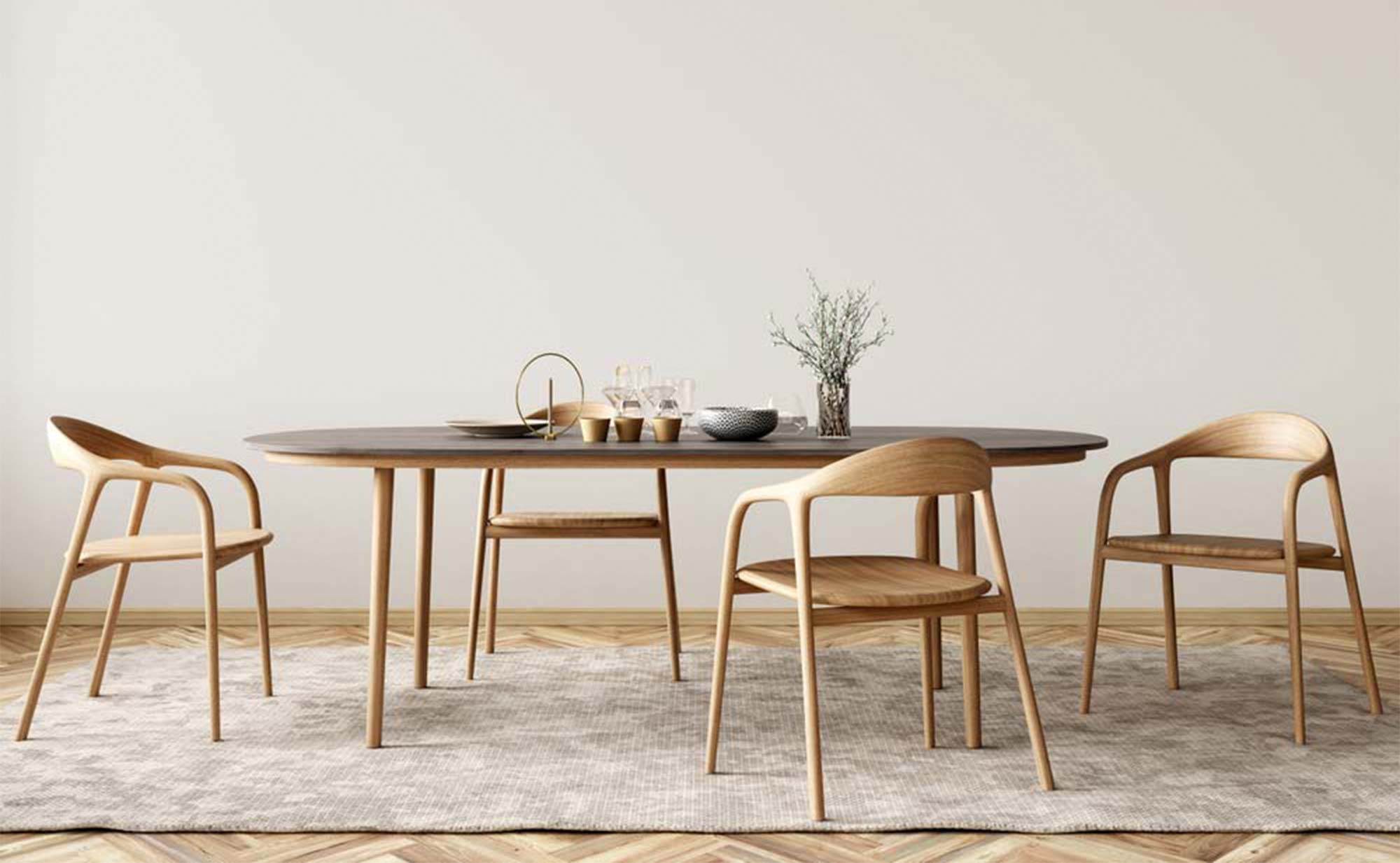
Dining room: easy-care rugs for heavy use
In the dining room, a rug has to be practical above all. Crumbs and drinks often end up on the floor here, which is why short-pile rugs are the best choice. They are easier to clean and more hard-wearing than long-pile models. Rugs made from materials such as new wool or sisal are ideal too, as they repel dirt and last a long time.
One more tip: the rug should be large enough that the chairs still stand on it even when pushed back. That way you avoid trip hazards and create a pleasant atmosphere around the table.
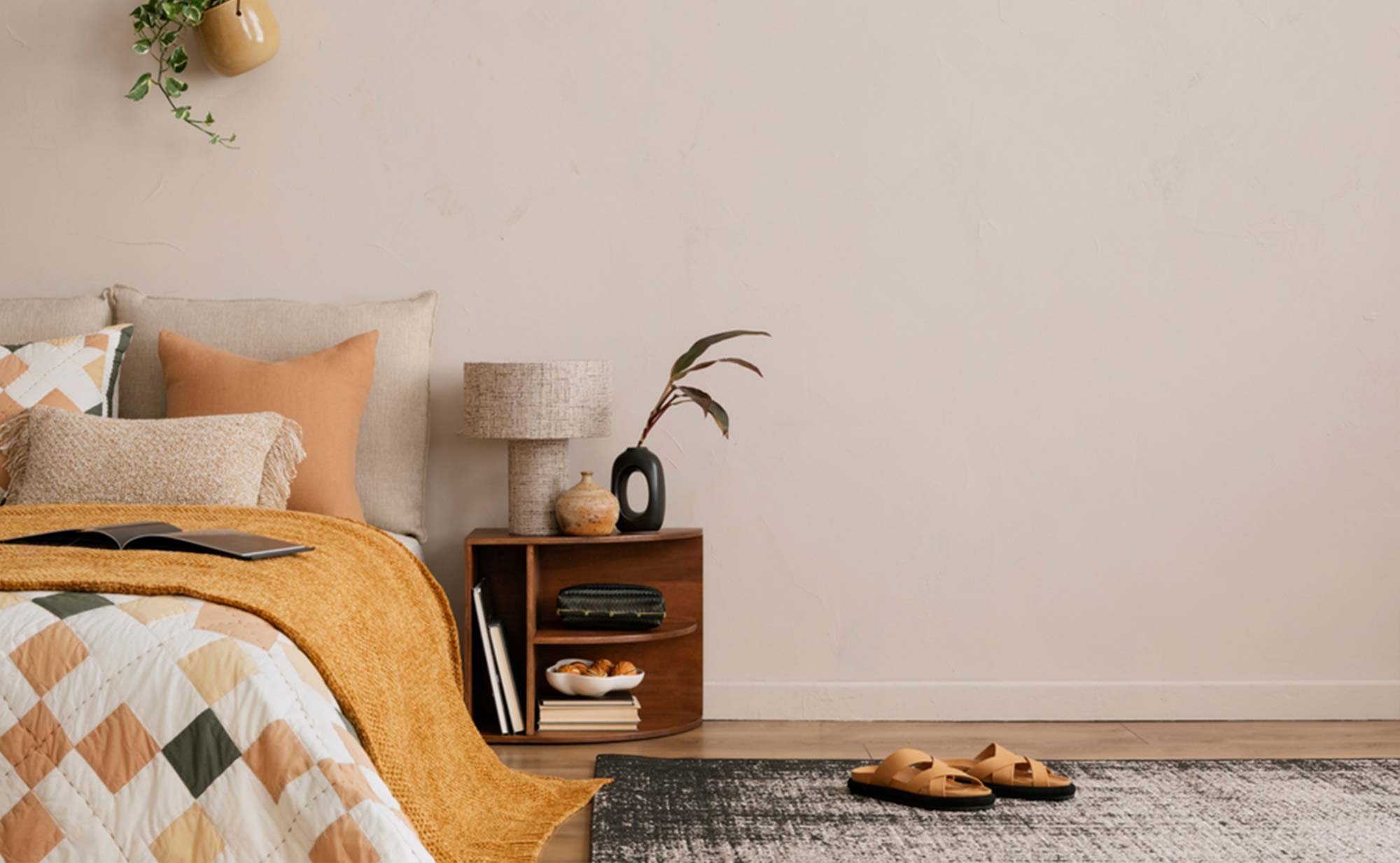
Bedroom: cosy rugs for your well-being
In the bedroom, comfort comes first. Here rugs can happily be softer and fluffier. High-pile rugs or flokatis are perfect for starting the day with a pleasant feeling underfoot. They also improve the acoustics of the room and dampen noise – ideal for a peaceful night's sleep.
It's worth making sure the rug is big enough to frame the bed completely, or at least in part. Another option is to place smaller rugs or runners along the sides of the bed to round out the room visually.
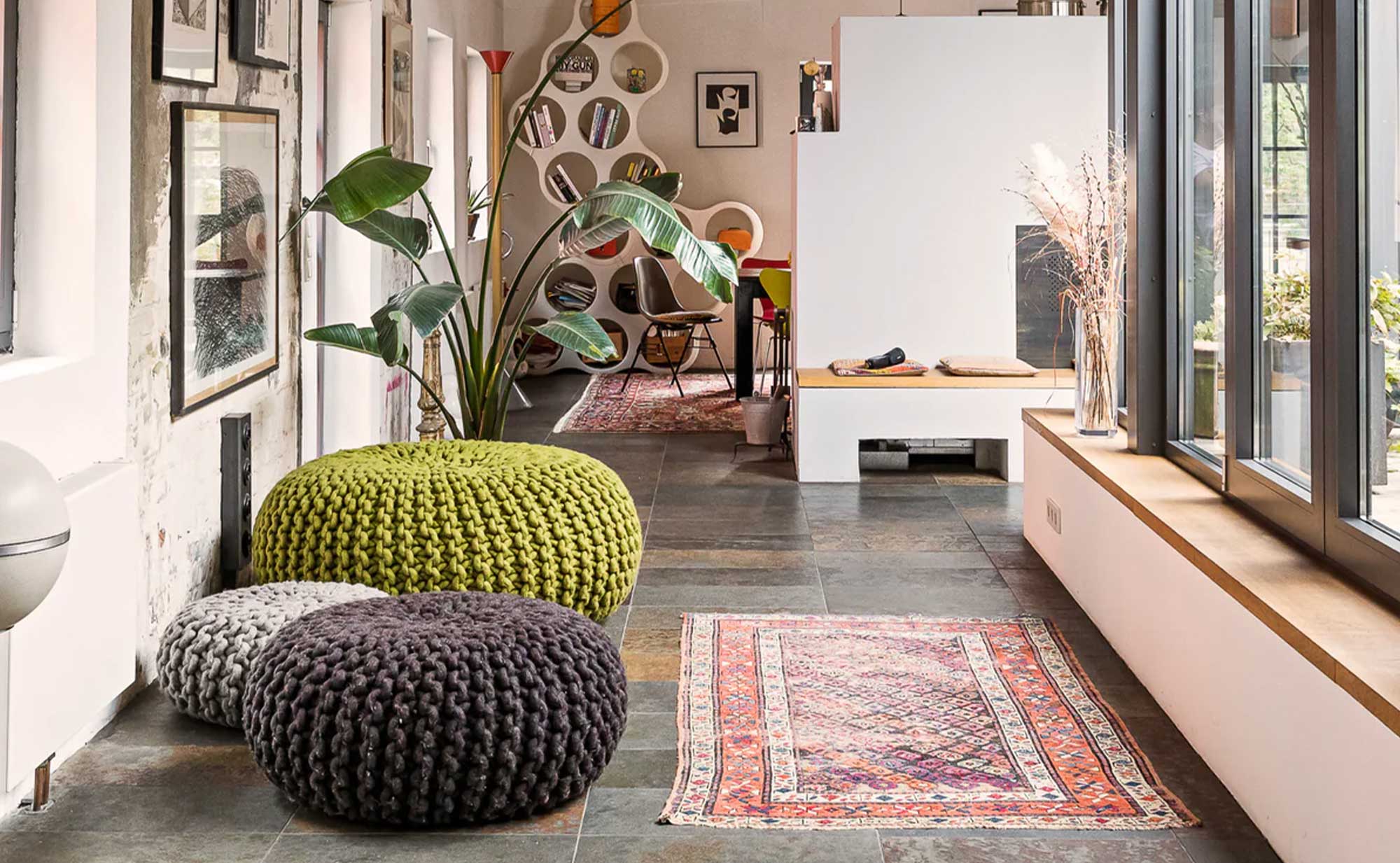
Hallway: hard-wearing rugs for the entrance area
The hallway is the first room your guests see, and it usually takes a lot of wear. A flatweave or short-pile rug is the best choice here, as both are hard-wearing and easy to clean. Rugs made from synthetic fibres such as polypropylene are particularly robust and shrug off dirt.
Another advantage: rugs in the hallway protect the floor from wear and prevent scratches from shoes or furniture.
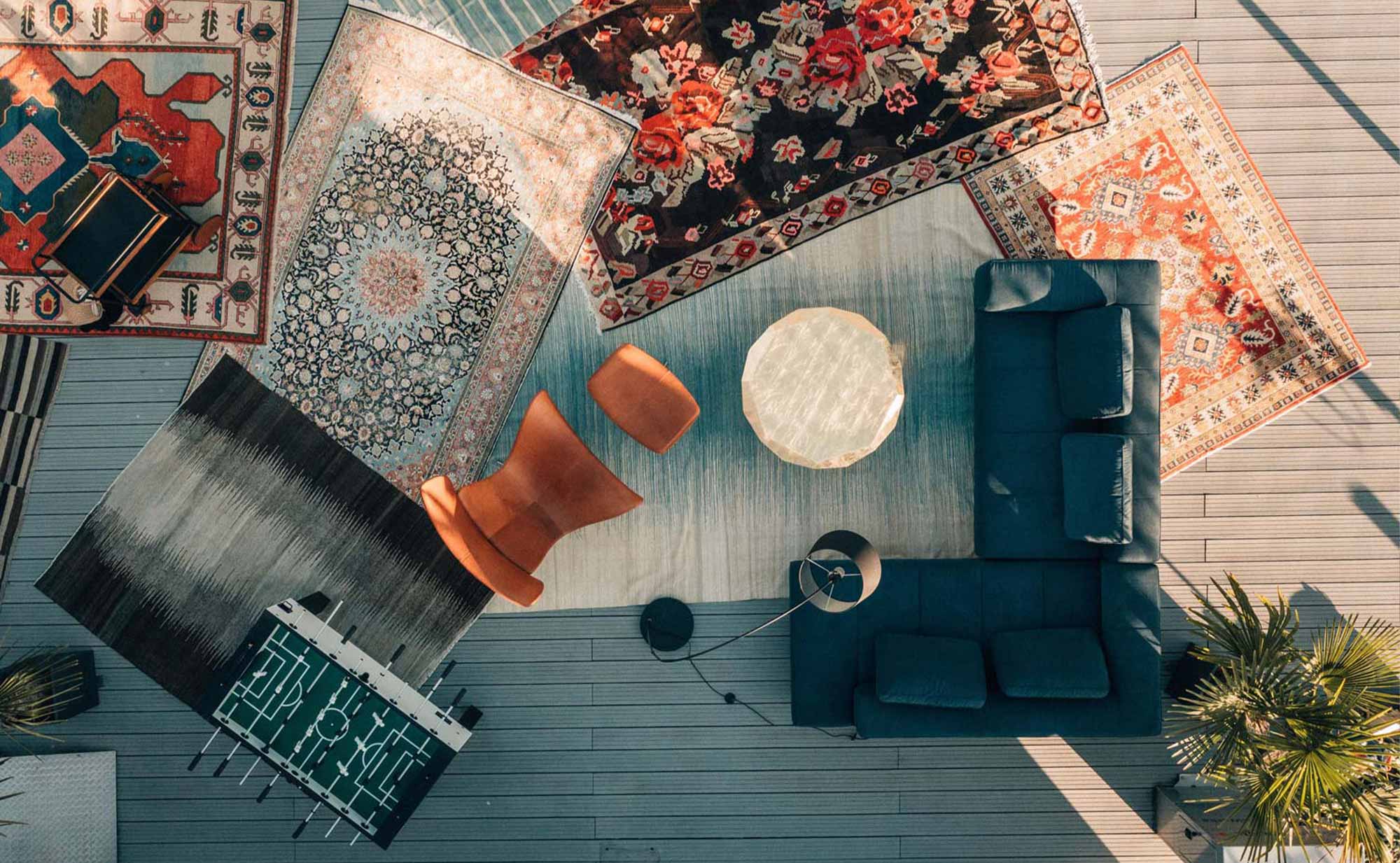
Outdoor: weatherproof rugs for terrace and balcony
Rugs can be a wonderful addition outdoors, too. Special outdoor rugs made from weather-resistant materials are water-repellent, UV-resistant and easy to clean. They bring comfort to your terrace or balcony and are a stylish way to create cosy areas in the open air.
Overview
What types of rug are there?
Short-pile rugs have a low pile height and are therefore especially easy to look after. They are ideal for rooms where a rug sees a lot of use, such as the dining room, hallway or children's room. Short-pile rugs are robust and long-lasting, and still offer a soft surface.
They are also easy to clean, which makes them a popular choice for families and pet owners.
If you're after cosiness and a touch of luxury, high-pile rugs are just the thing. Their thick, fluffy structure gives a soft feeling underfoot and creates a warm, welcoming atmosphere. This type of rug suits living rooms and bedrooms in particular, where comfort matters most.
High-pile rugs do need a little more care, though, as they trap dust and dirt more easily. Regular vacuuming is essential here.
Modern rugs today offer a wealth of designs, materials and colours to suit any interior style. Designer rugs stand out with striking patterns and colour combinations and set stylish accents in your home.
On the other hand, natural-fibre rugs such as Jute, sisal or wool are on trend. They win you over with their sustainability and natural look, and are ideal for environmentally conscious buyers.
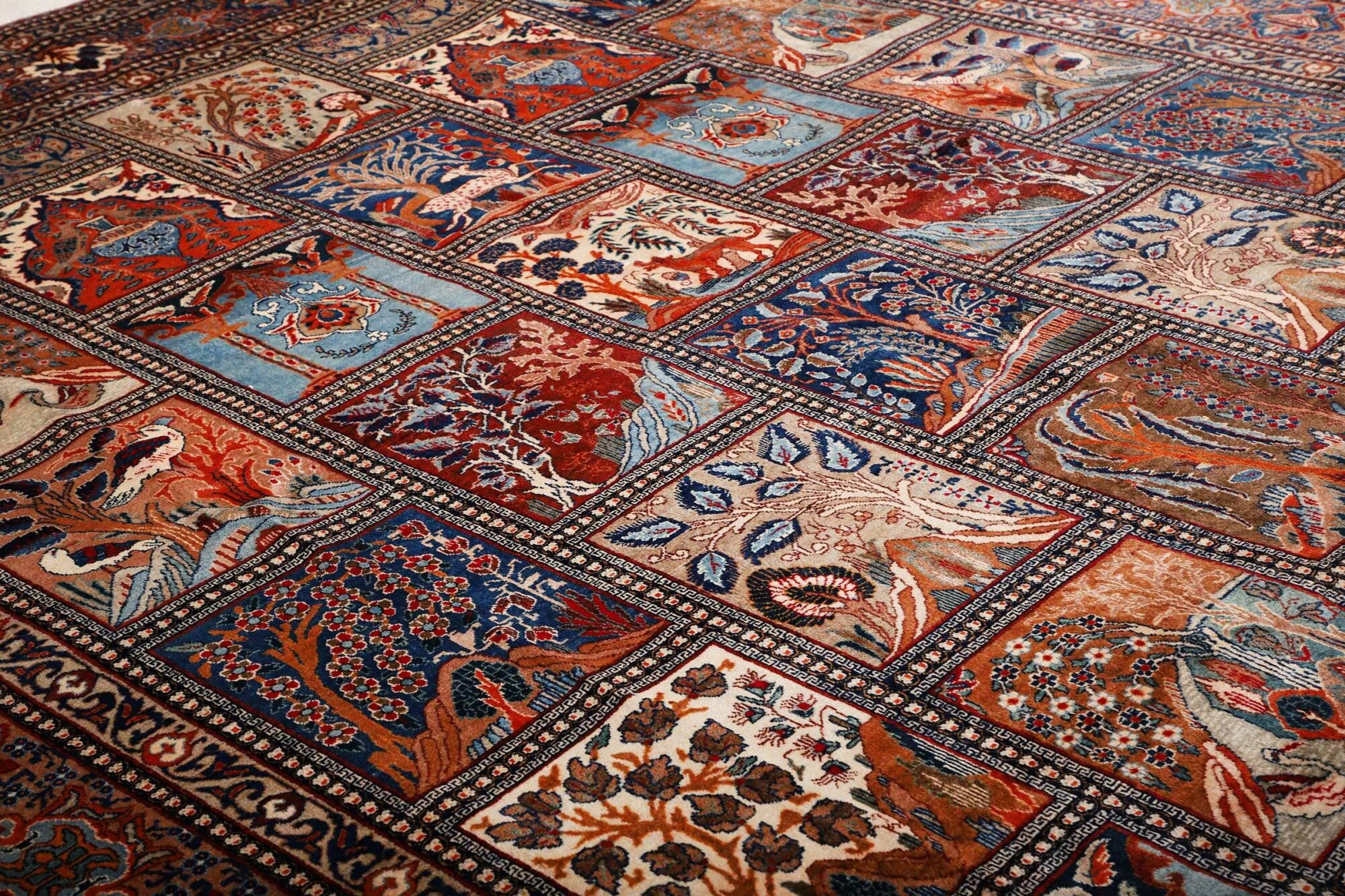
Rug size: the right size for every room
One of the most common questions when buying a rug is: “Which size fits my room best?” The size of a rug has an enormous influence on how a room feels, so it's important to get this decision right.
Living room: rug size for the best spatial effect
In the living room, it's ideal to choose a rug that either takes in all the furniture of the seating group or at least sits under the front legs of the sofa and armchairs. This creates a visual unit and a harmonious overall picture. A popular rule says the rug should be at least 40 cm longer than the sofa so that it doesn't look too small.
Common sizes for living room rugs are:
- 160 x 230 cm for smaller seating groups
- 200 x 290 cm for medium-sized rooms
- 240 x 340 cm or 300 x 400 cm for large living rooms
Dining room: rug size for table and chairs
In the dining room, the rug has to be big enough for both the table and the chairs to sit on it comfortably. A common mistake is to choose a rug that's too small, so the chairs end up off the rug when they're pushed back. To avoid this, the rug should offer at least 60 cm of extra space all around the table.
Recommended sizes for dining room rugs:
- 160 x 230 cm for small tables with 4 chairs
- 200 x 290 cm for dining tables with 6 chairs
- 300 x 400 cm for large dining sets with 8 chairs
Bedroom: placing rugs under the bed
In the bedroom it looks especially good when the rug frames the bed and extends at least 40-50 cm beyond it on either side. Alternatively, you can place several runners along the sides of the bed to loosen up the room visually.
Recommended rug sizes for the bedroom:
- 160 x 230 cm under a double bed
- 200 x 290 cm for larger bedrooms
- Runners measuring 60 x 120 cm or 80 x 150 cm along the sides of the bed