
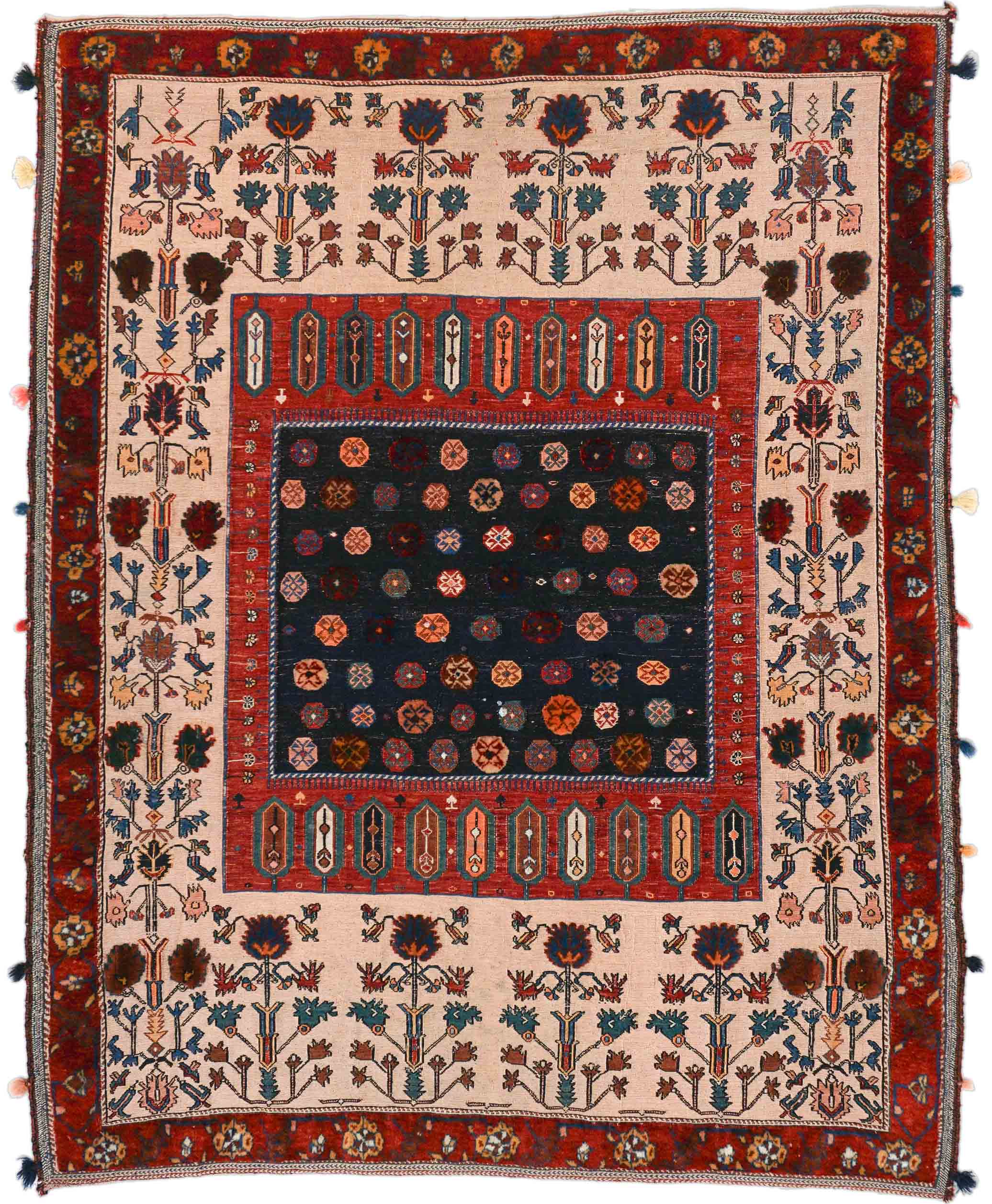
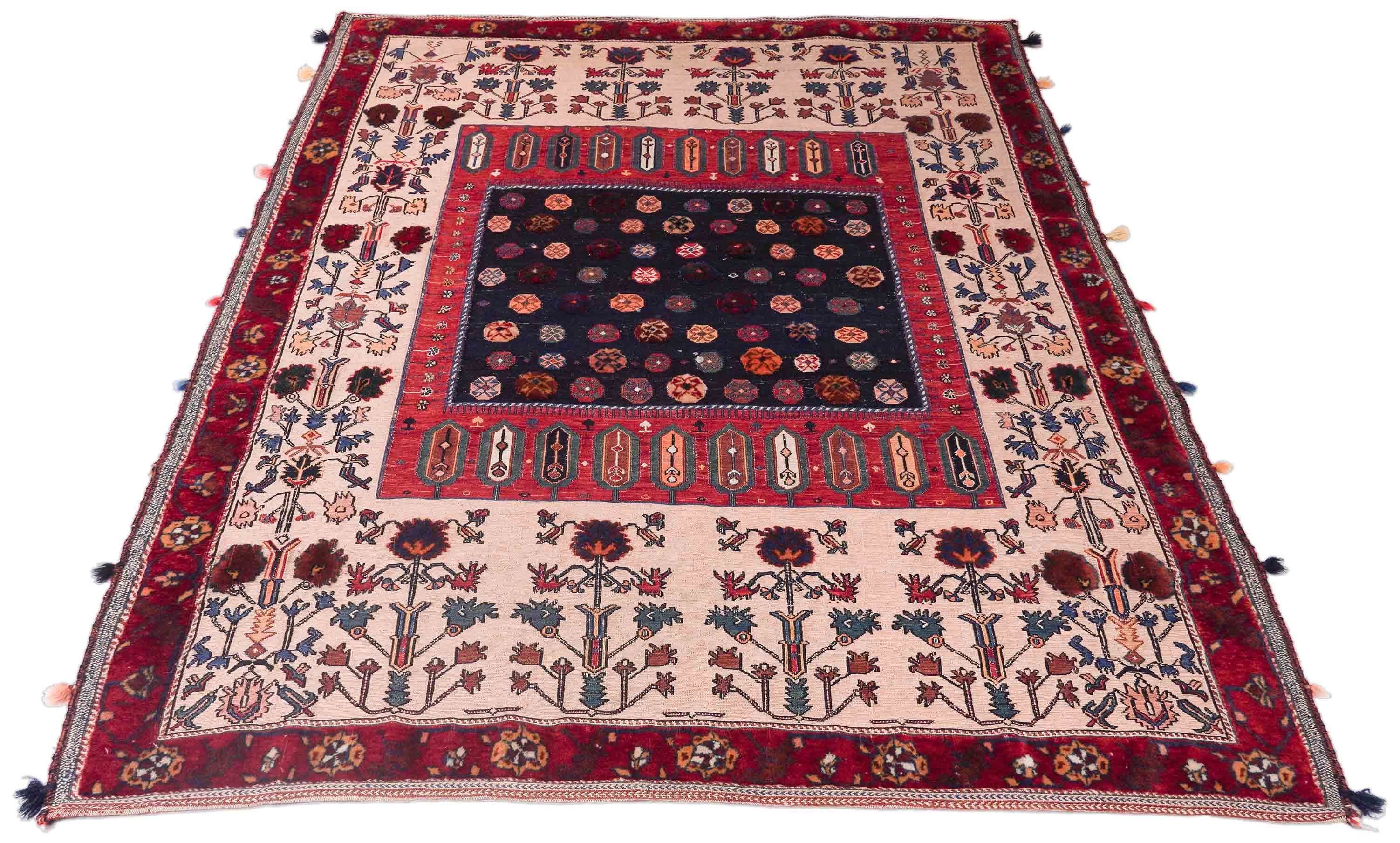
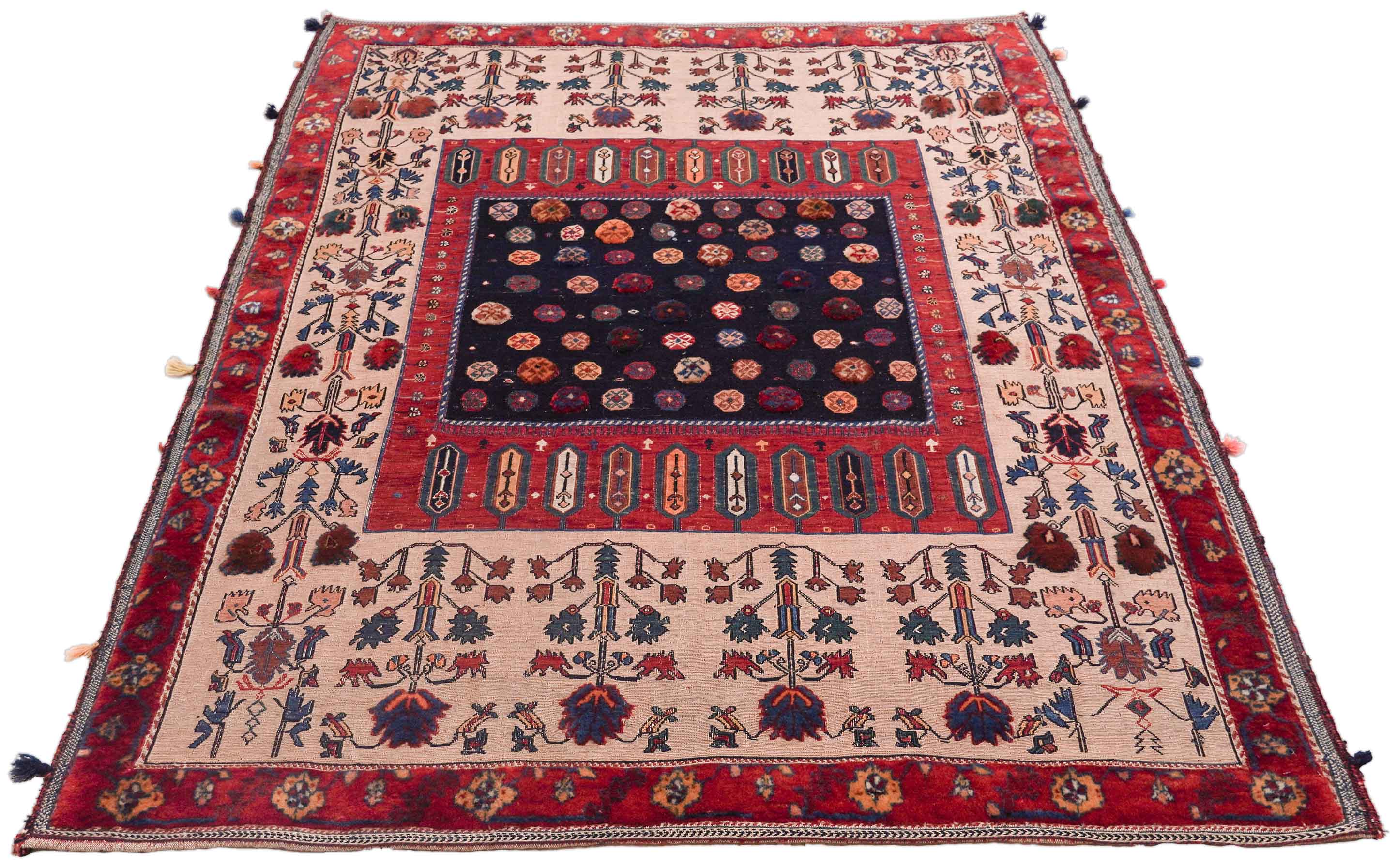
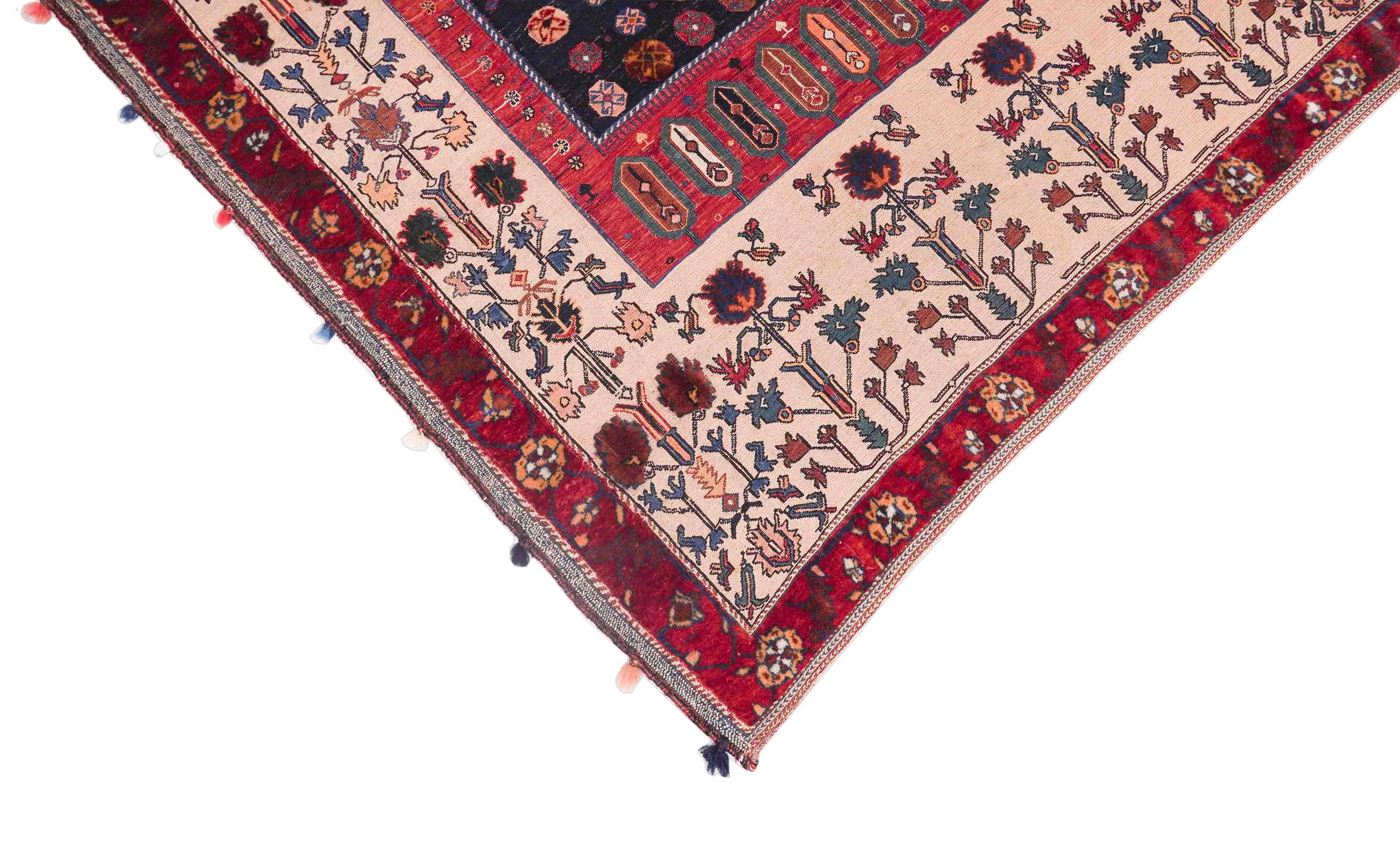
Afshari | 186 x 148 cm | Nr. Z-3293


|
14-day home trial |

|
Free delivery & returns within the EU |
Afshari
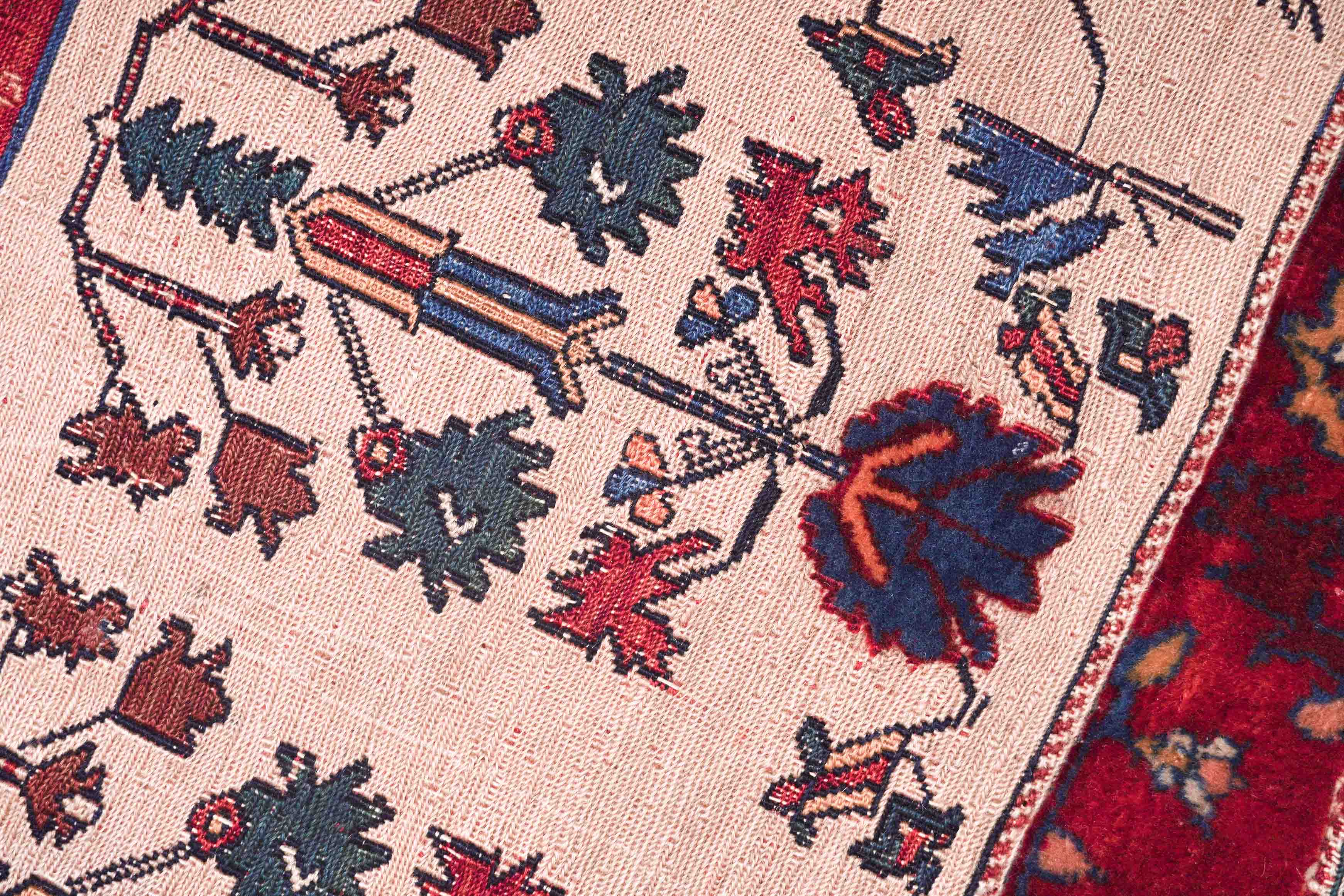
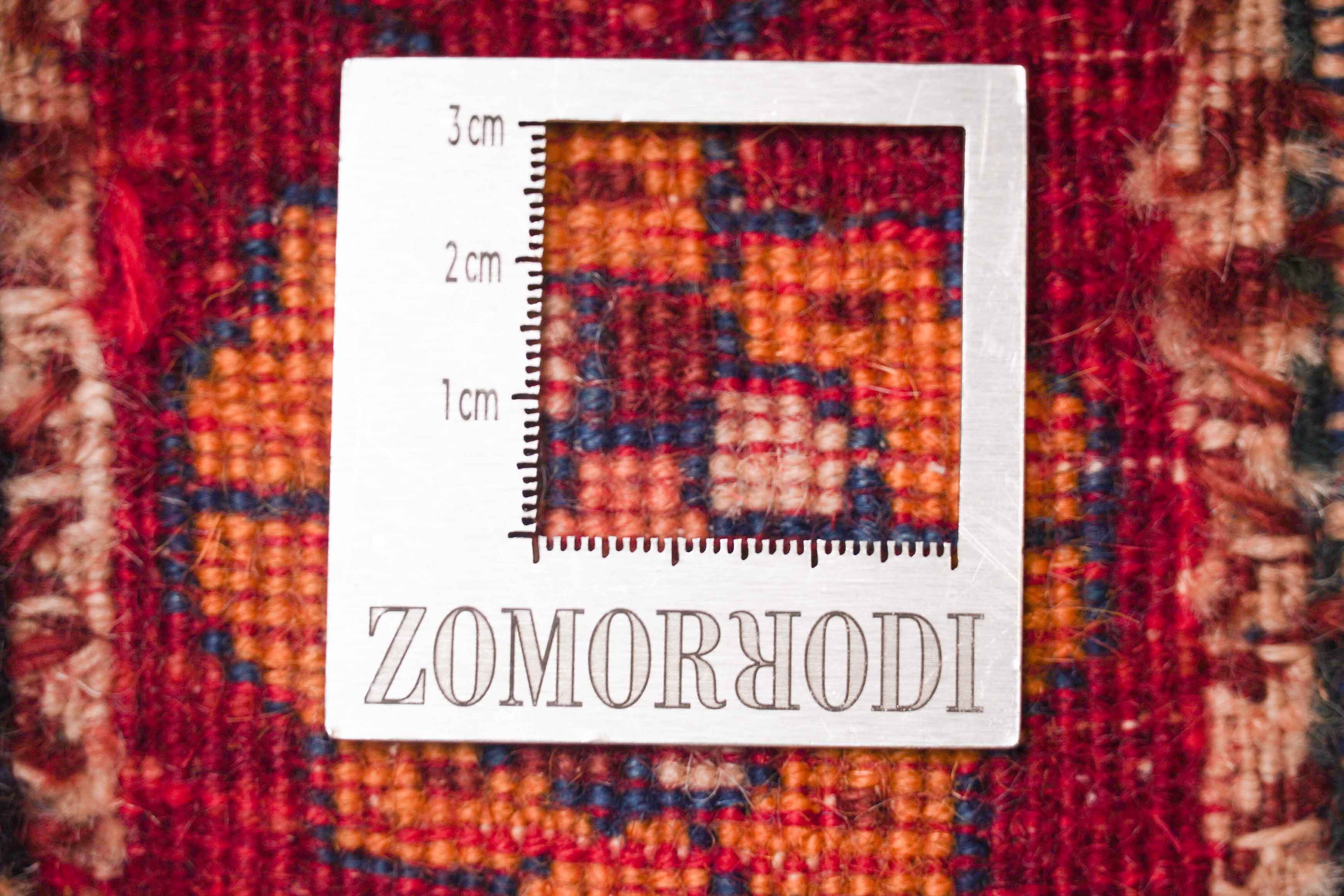
This rug in light red combines traditional craftsmanship with timeless elegance. At around 160,000 knots per m², the work behind it is correspondingly demanding, as you can see in the precise drawing of the design and the finely worked details. Its 186 × 148 cm make it a small living room rug. As a one-of-a-kind piece it brings individual character to the room and holds its value far beyond short-lived trends.
| Delivery time | 2 days |
| Origin | Persia |
| Dimensions | 186 cm x 148 cm (= 2.75 m²) |
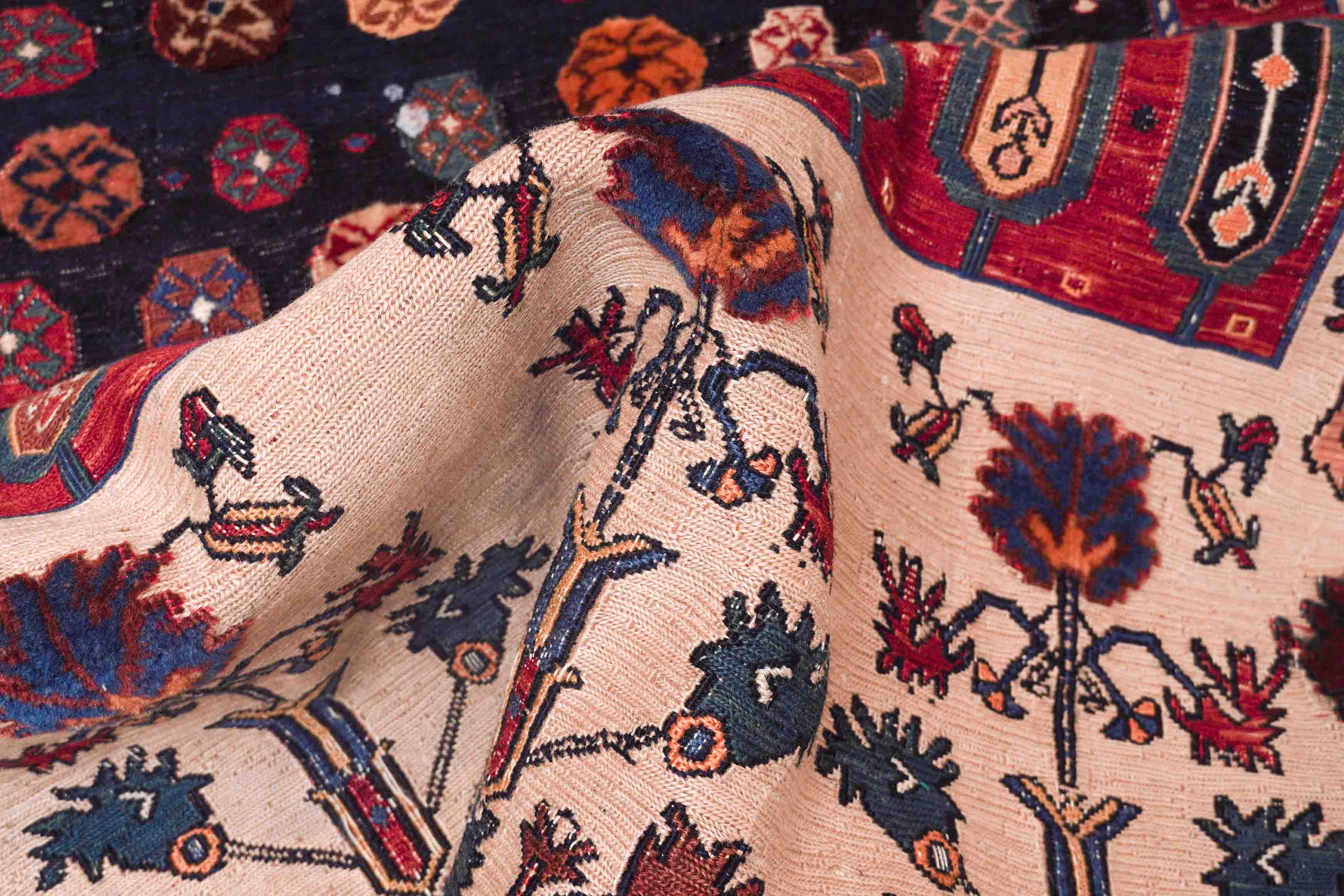
| Construction | hand-knotted |
| Material | Pile: wool (hand-spun, natural dyes) |
| knots | 160.000 |
| Condition | pre-owned, but in very good condition (cleaned & restored) |
| Edition | one-of-a-kind piece |

Origin
The Afshar (also spelled Afschar) were an important Oghuz tribe. The "i" in the name Afshari corresponds to our preposition "of". Afshari therefore means rug of the Afshar. Originally the Persian Afshar lived in the north-west of Iran, on the Afghan border. Part of the tribe was forcibly resettled in the south-east of Iran, near the city of Kerman on the Silk Road. Here knotting rugs became an important source of income for the Afshar. Ever since the resettlement, the Afshar have also been known for their distinctive hand-knotted Afshar rugs. Afshar rugs are sometimes traded as Sirdjan rugs as well. The rugs come in red and blue tones and mostly geometric patterns. The most widespread pattern has a field in the middle holding one or several square rosettes. It is thought that this central field depicts a stretched animal hide.
Material
The technique used to make the materials for the pile of this Afshari is over 200 years old. The wool was dyed with natural dyes and spun by hand. Dyeing with natural or plant dyes is more complicated, more expensive and more time-consuming than dyeing with chemical colours. For a luminous red, for example, you need around one kilo of ground madder root as dyestuff per kilo of wool. For a strong yellow that is not too pale you even need two kilograms of the dyestuff weld per kilo of wool. Spinning the wool is time- and labour-intensive as well. And fewer and fewer people still know how to spin wool by hand.But the effort is worth it: dyeing with natural colours allows the high-quality wool to keep its natural oil content. Wool that has been dyed with natural colours and spun by hand creates fascinating, shimmering patterns. The charm of hand-spun wool, with its slight irregularities and natural shades, comes into its own as a contrast in modern interiors, but equally in rooms furnished in a more traditional or country style.
The foundation (weft and warp threads) of this Afshari is made of new wool.
Condition
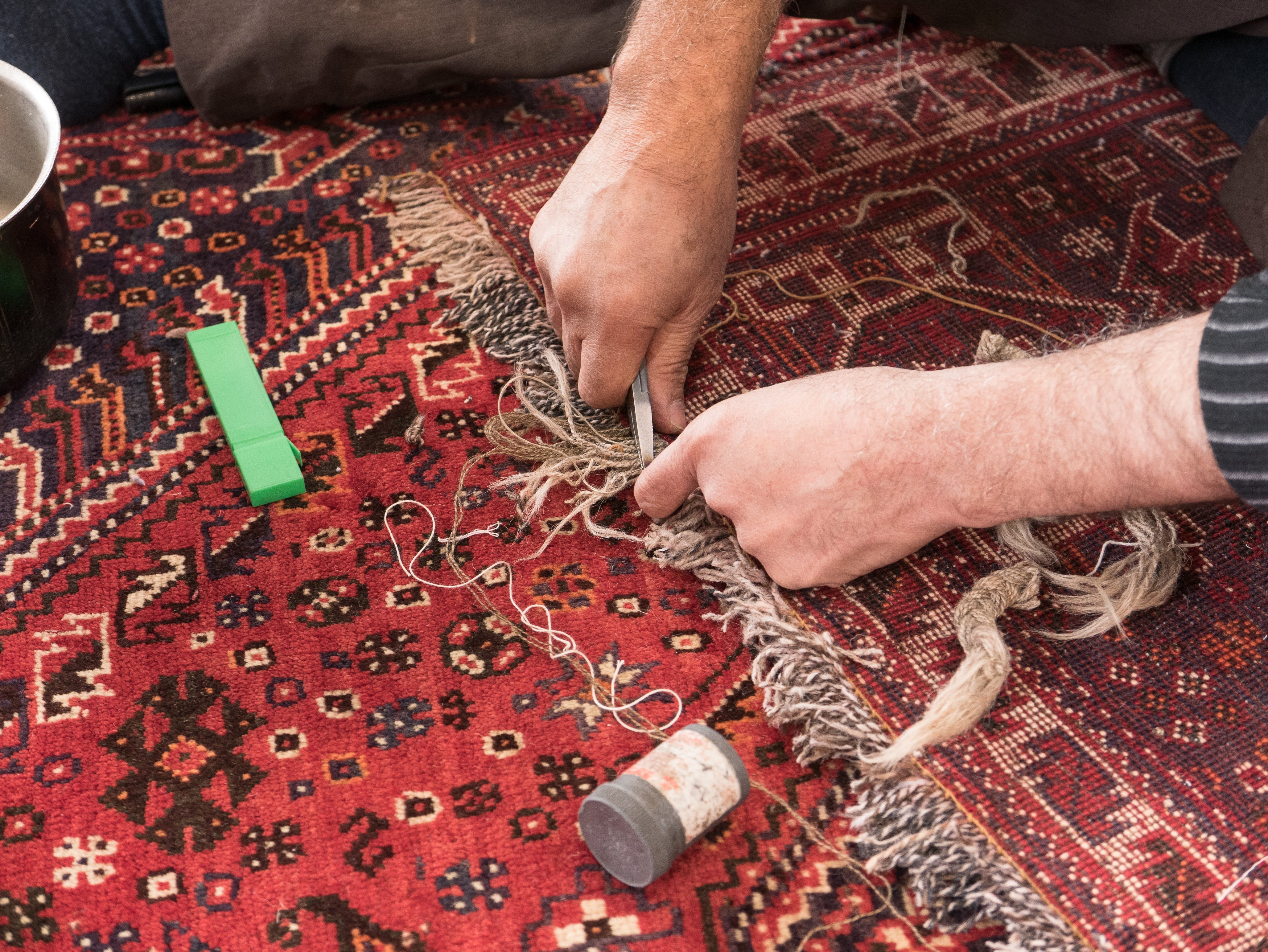
You are not the first to take a liking to this Afshari. It has had owners before you who valued and used it. Woven in the Soumak manner and partly knotted. It was knotted around 46. We have cleaned it thoroughly and lovingly restored it. Despite its age, it is therefore in very good condition.
A note on the photos
Child labour? No thanks.
Child labour? No thanks. Children belong in school, not at a knotting frame or a loom. For us it therefore goes without saying that we only offer rugs made under fair conditions and without child labour.
We attach particular importance to humane working conditions and tolerate no child labour at any of our producers. Thank you for helping us to ensure fair conditions.
That is why we support the initiative Care & Fair against child labour in the rug trade.

Choose options
|
|
14-day home trial |
|
|
Free delivery & returns within the EU |