
Living room rug
Living rooms vary widely, from a quiet retreat to the busy hub of family life, yet they are always the heart of the home, a room with a good deal of money invested in it to reflect the taste and style of the people who live there. If there is no way to arrange the furniture around an open Living room rug , this room is particularly tricky and calls for great care when choosing the right rug.
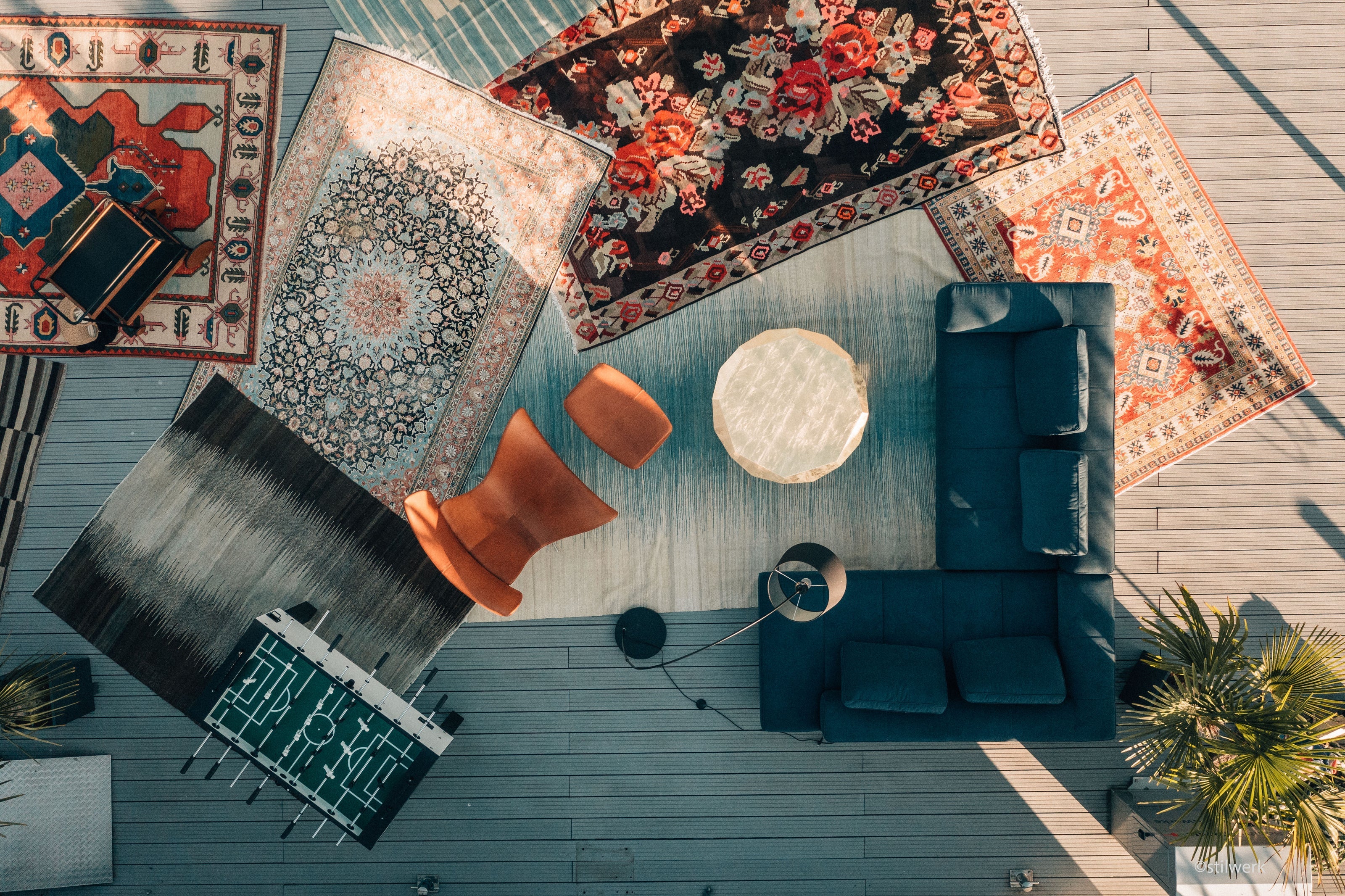
The living room, often the largest room in the house, can take a correspondingly large rug that almost fills the floor. A small rug may serve to set an accent, by the fireplace for example, while combining several small rugs allows for varied furniture arrangements and divides the room into small areas of pattern and colour.
You can now shop for the living room rug that's right for you!
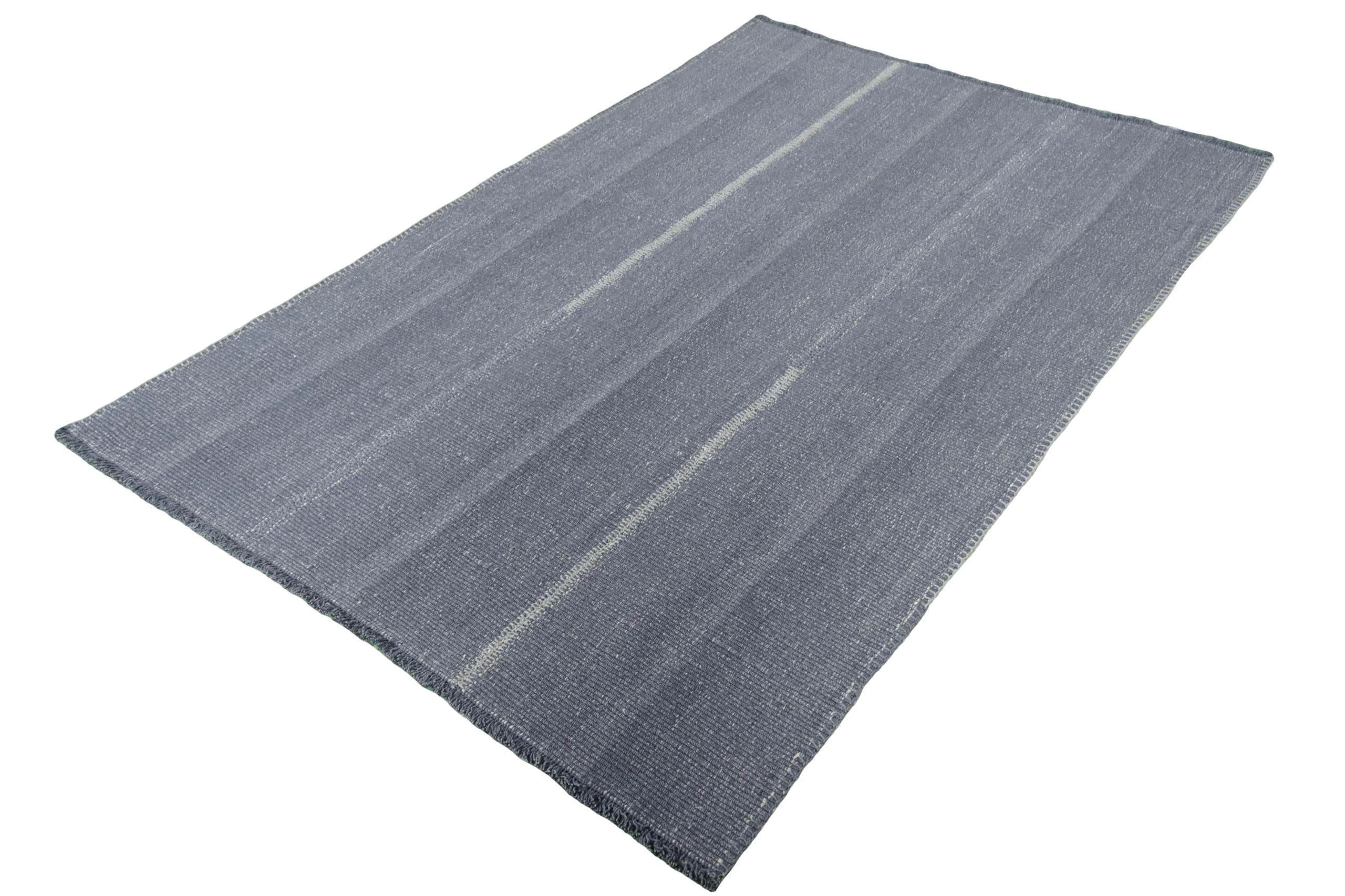
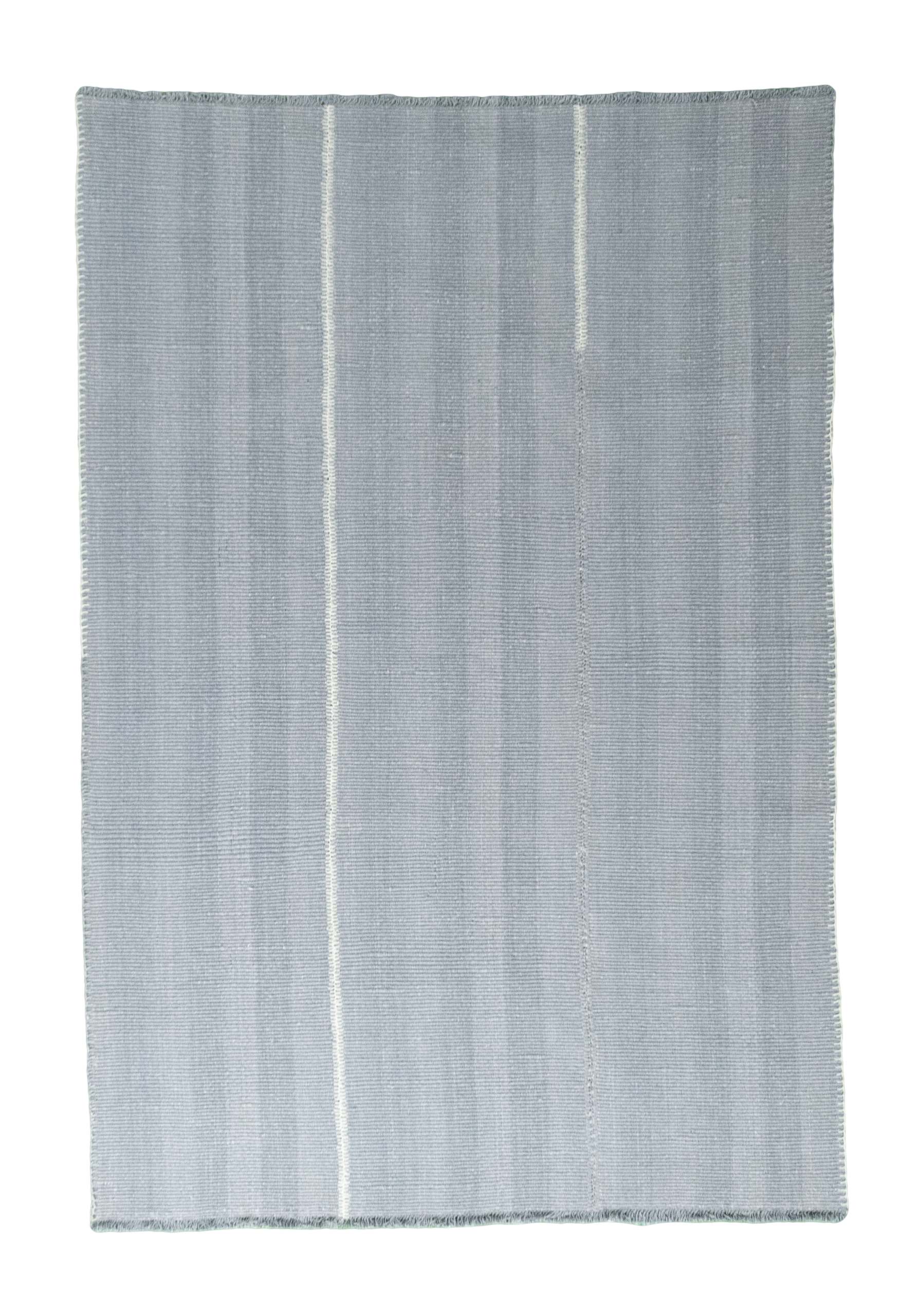
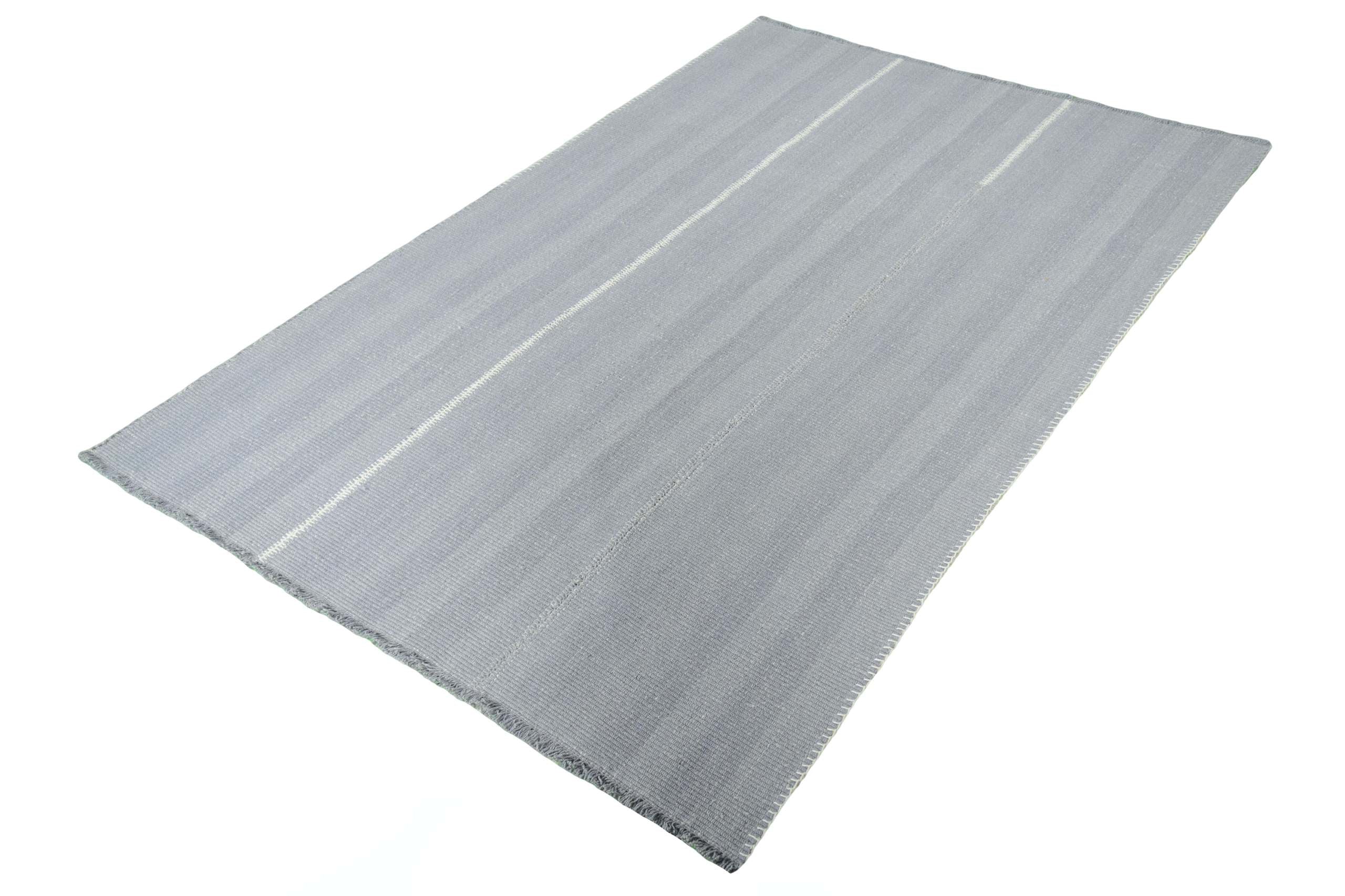


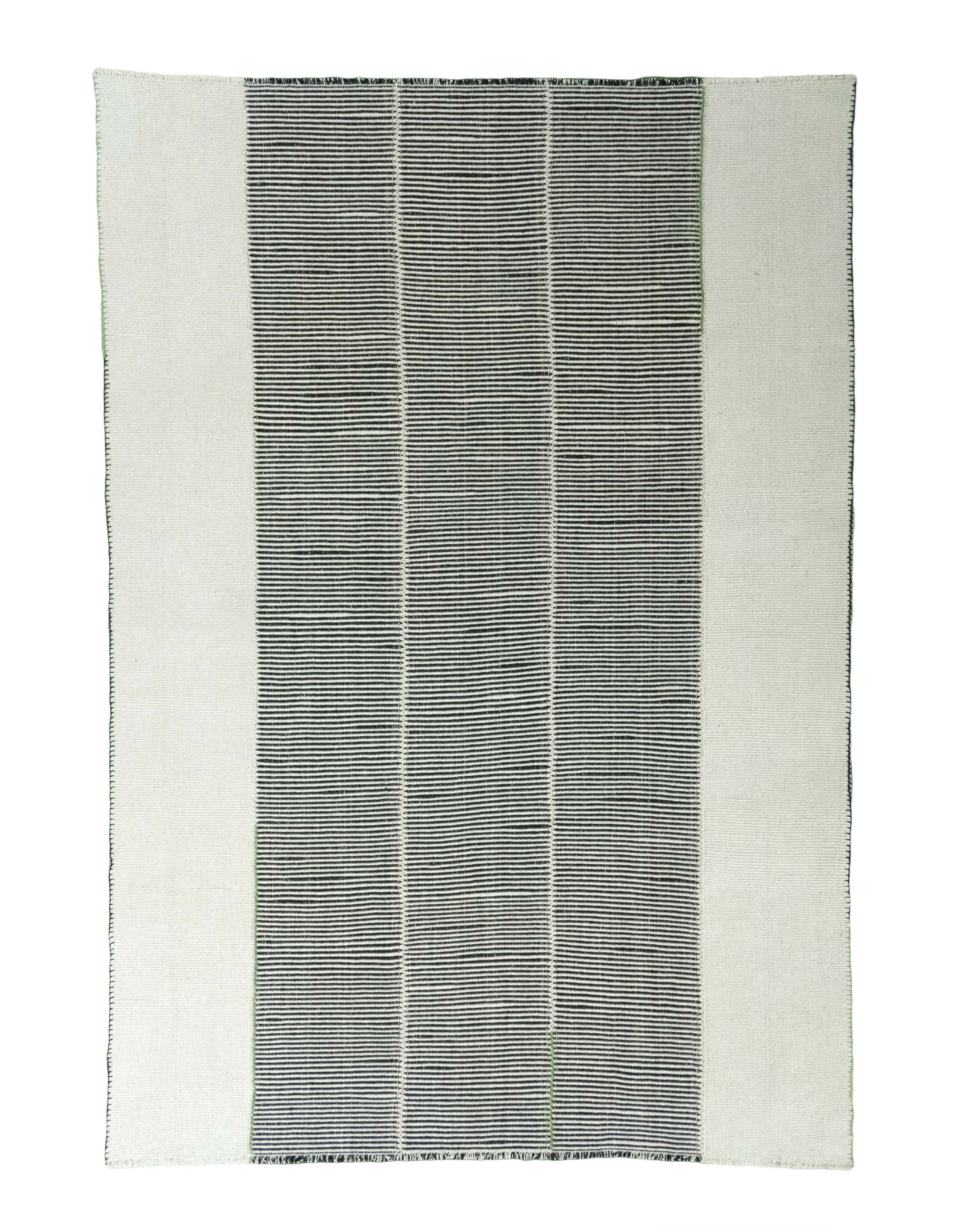
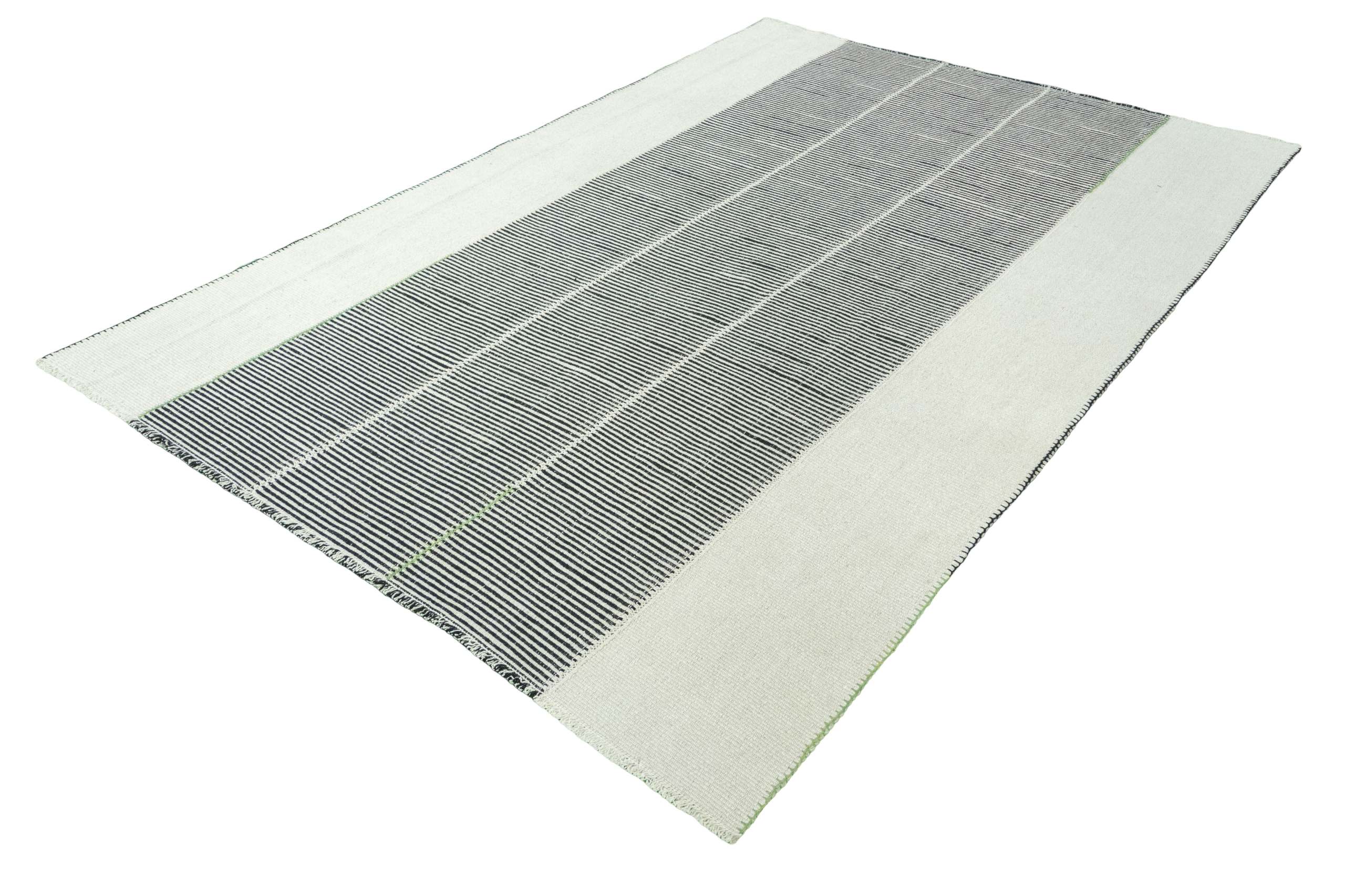
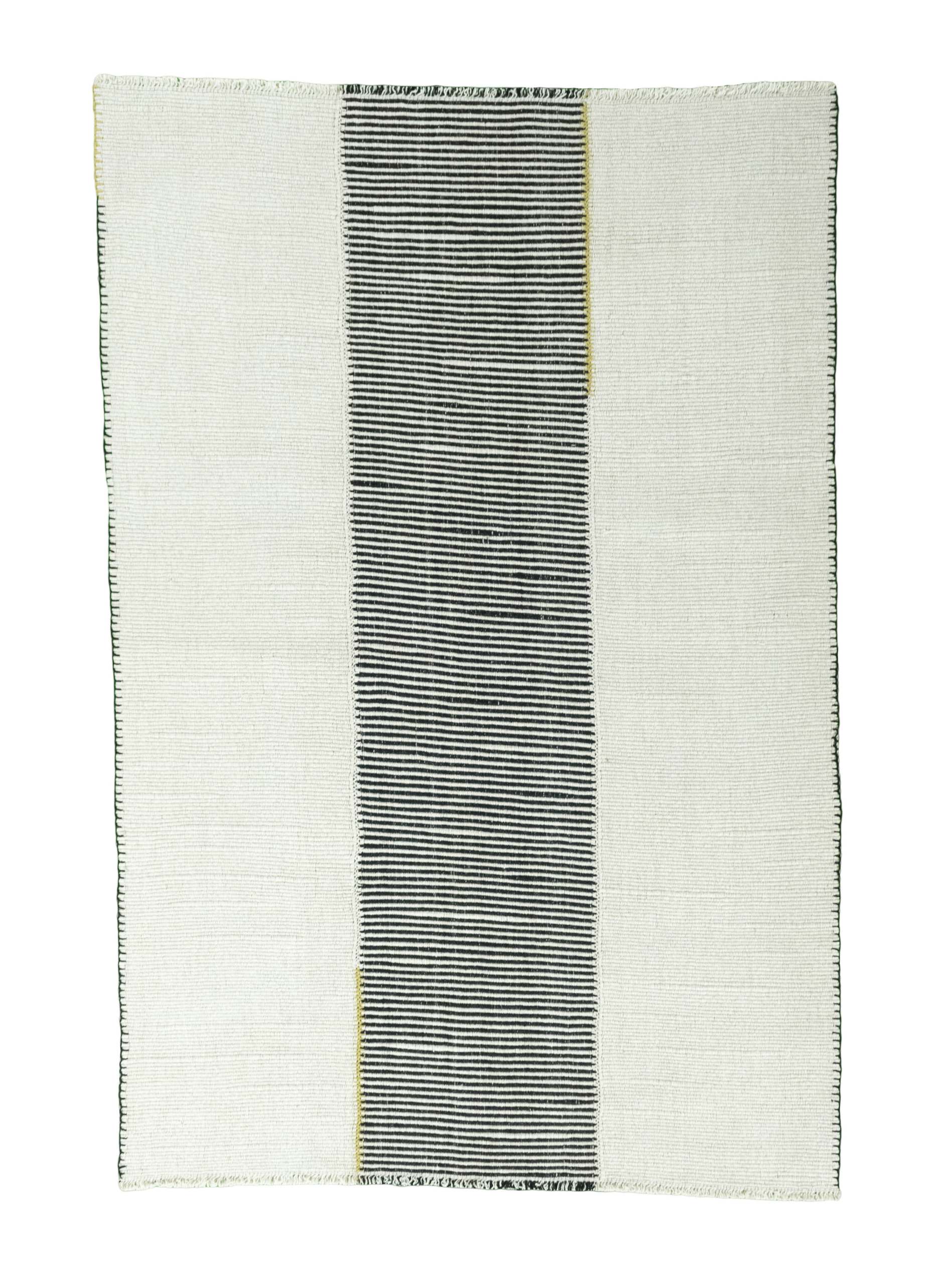
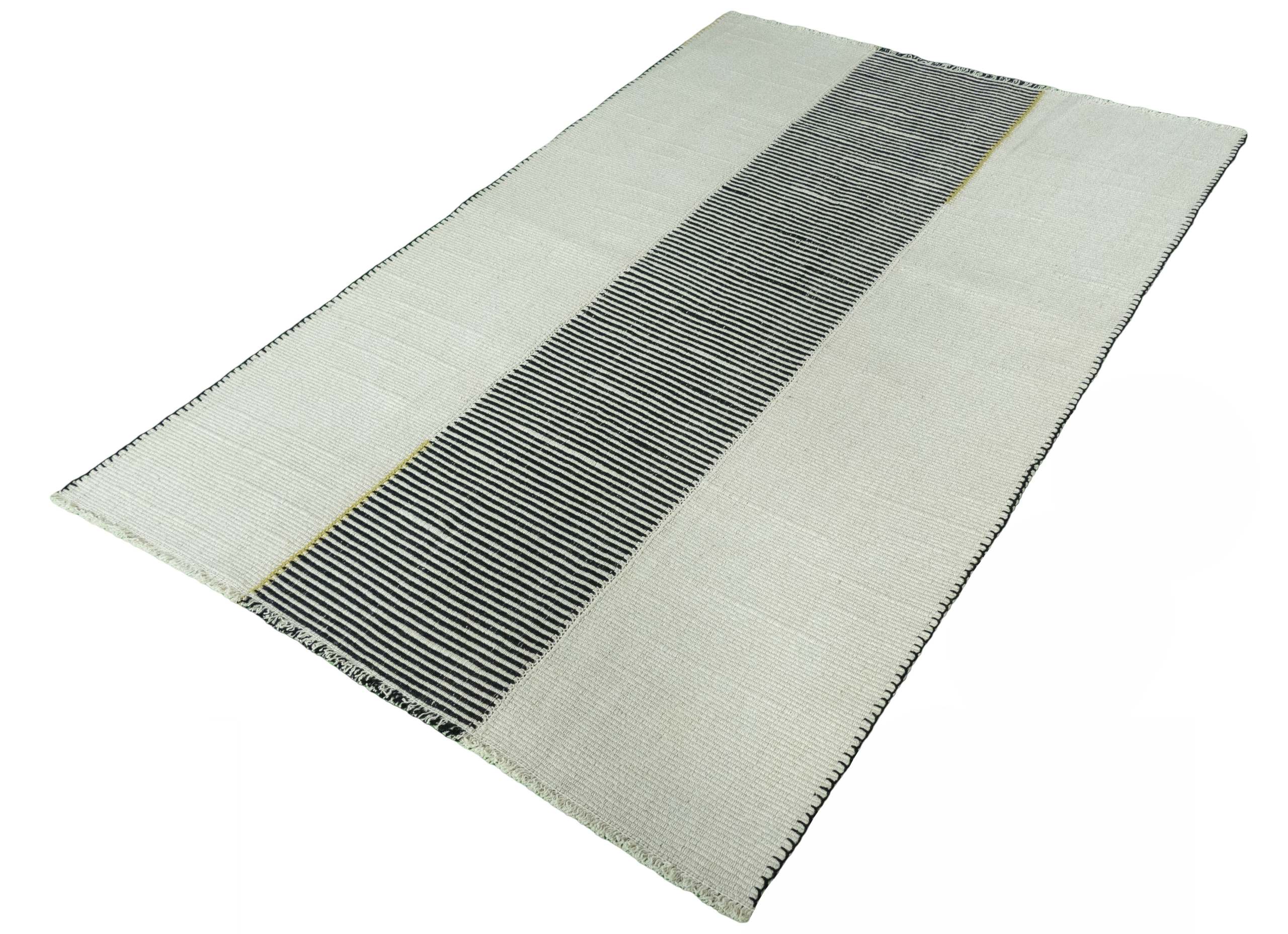
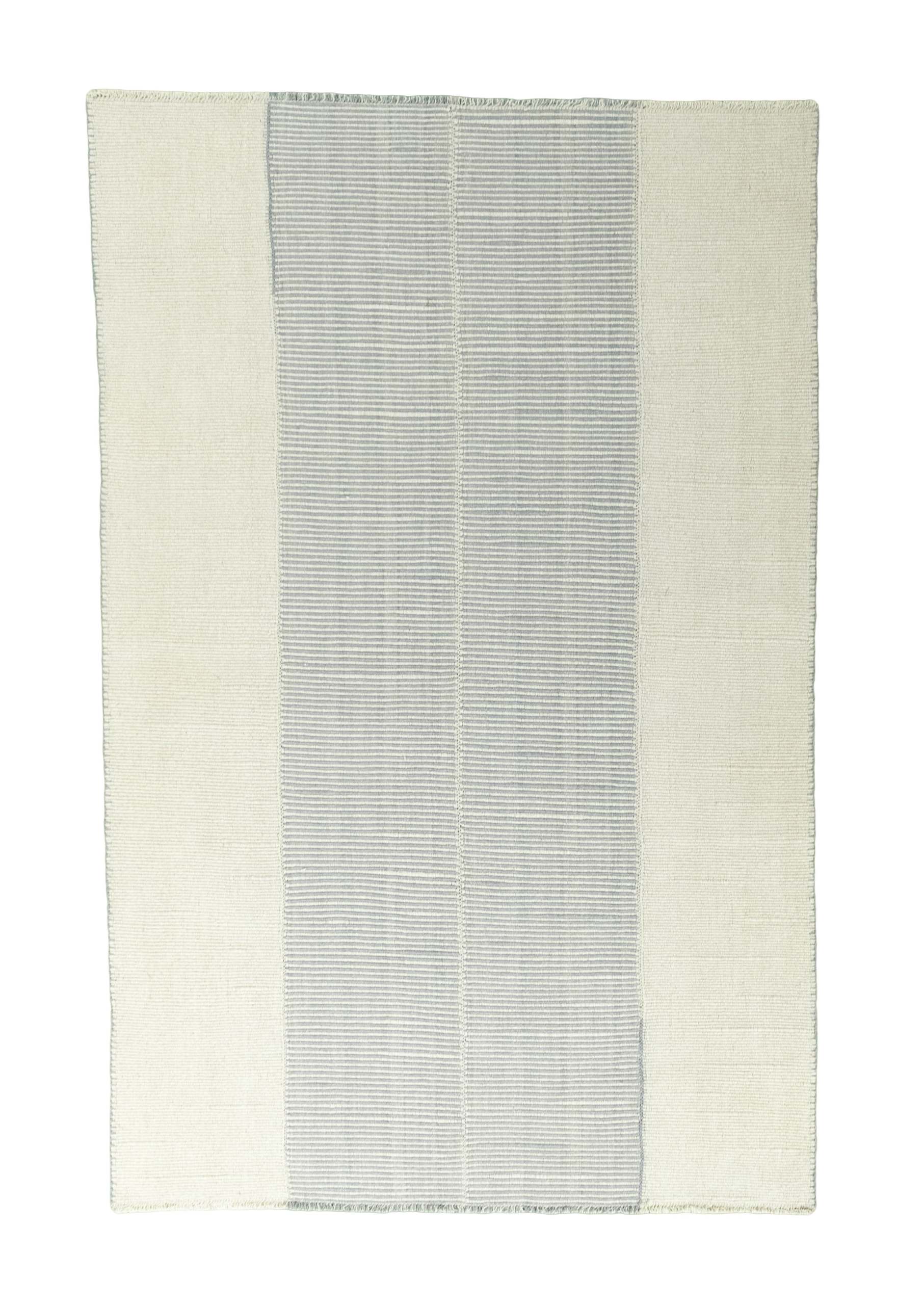
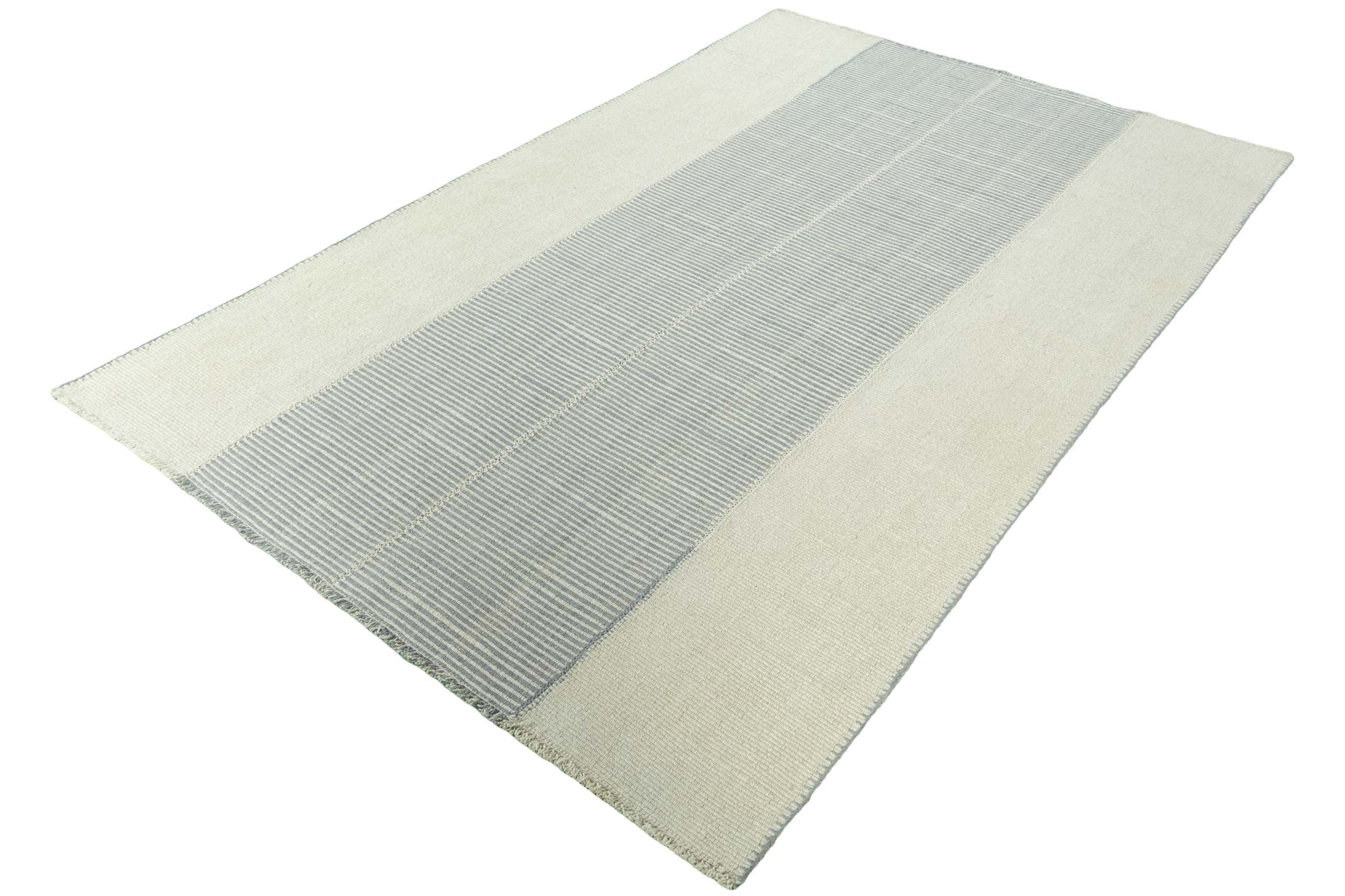
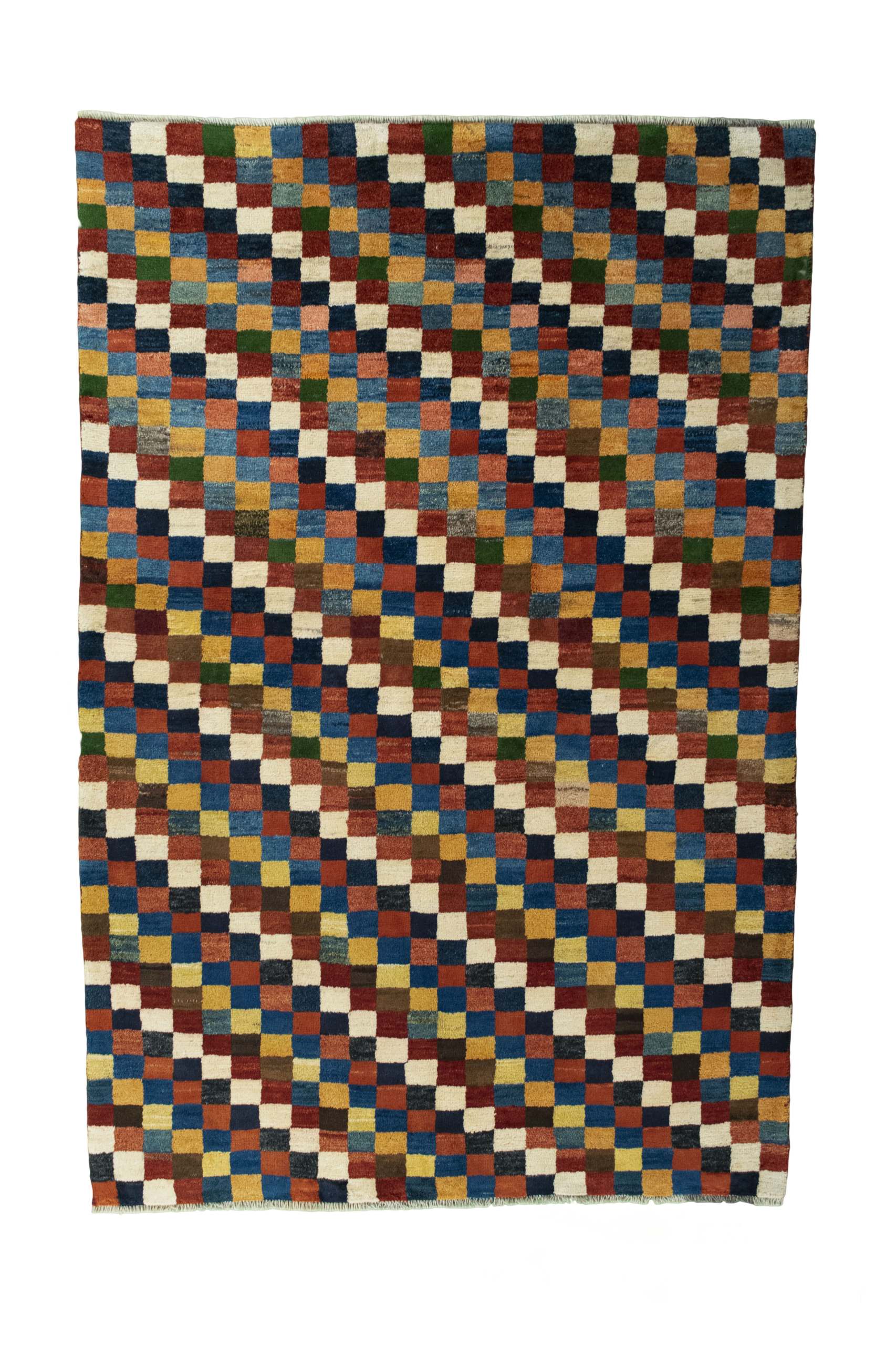
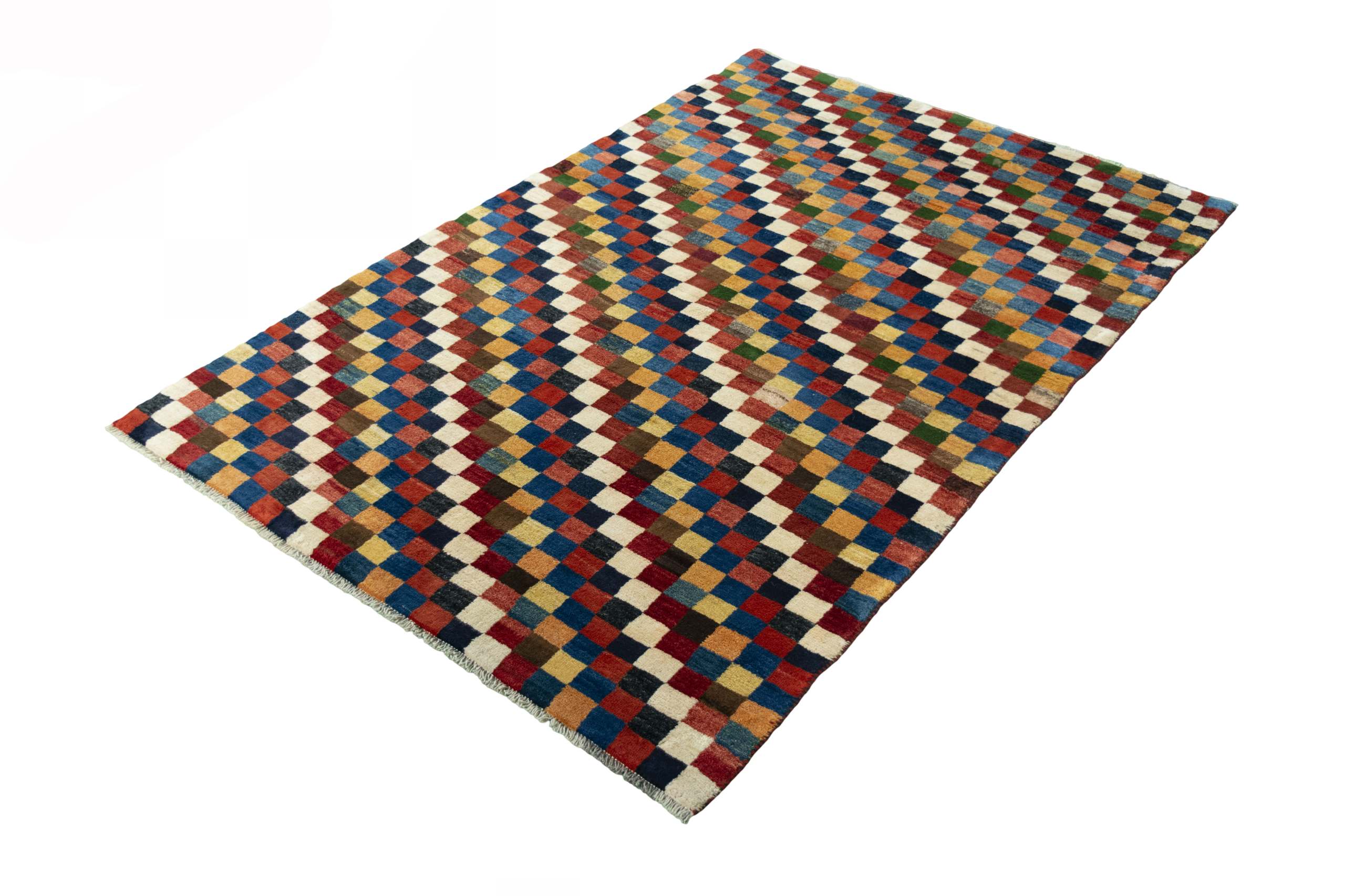
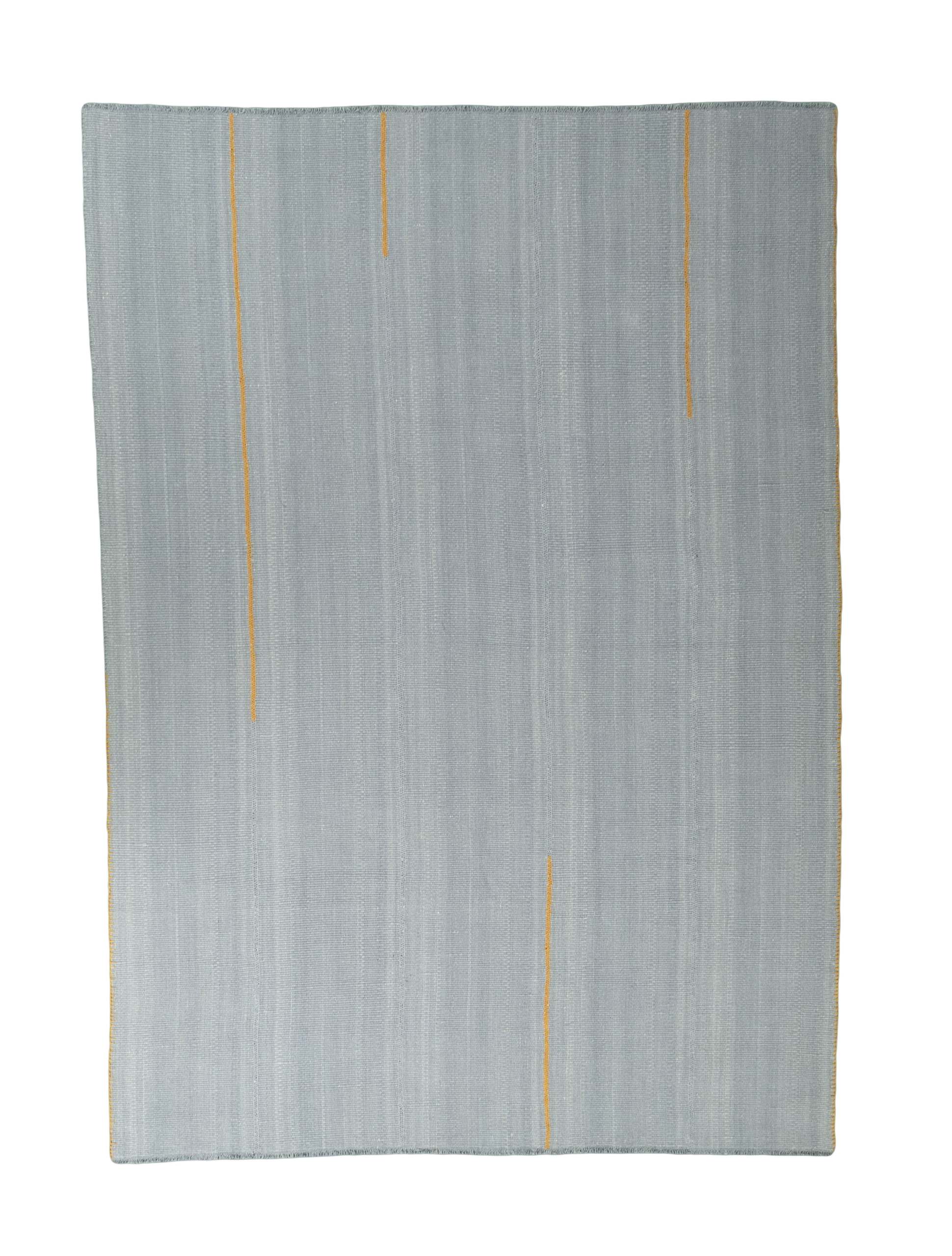
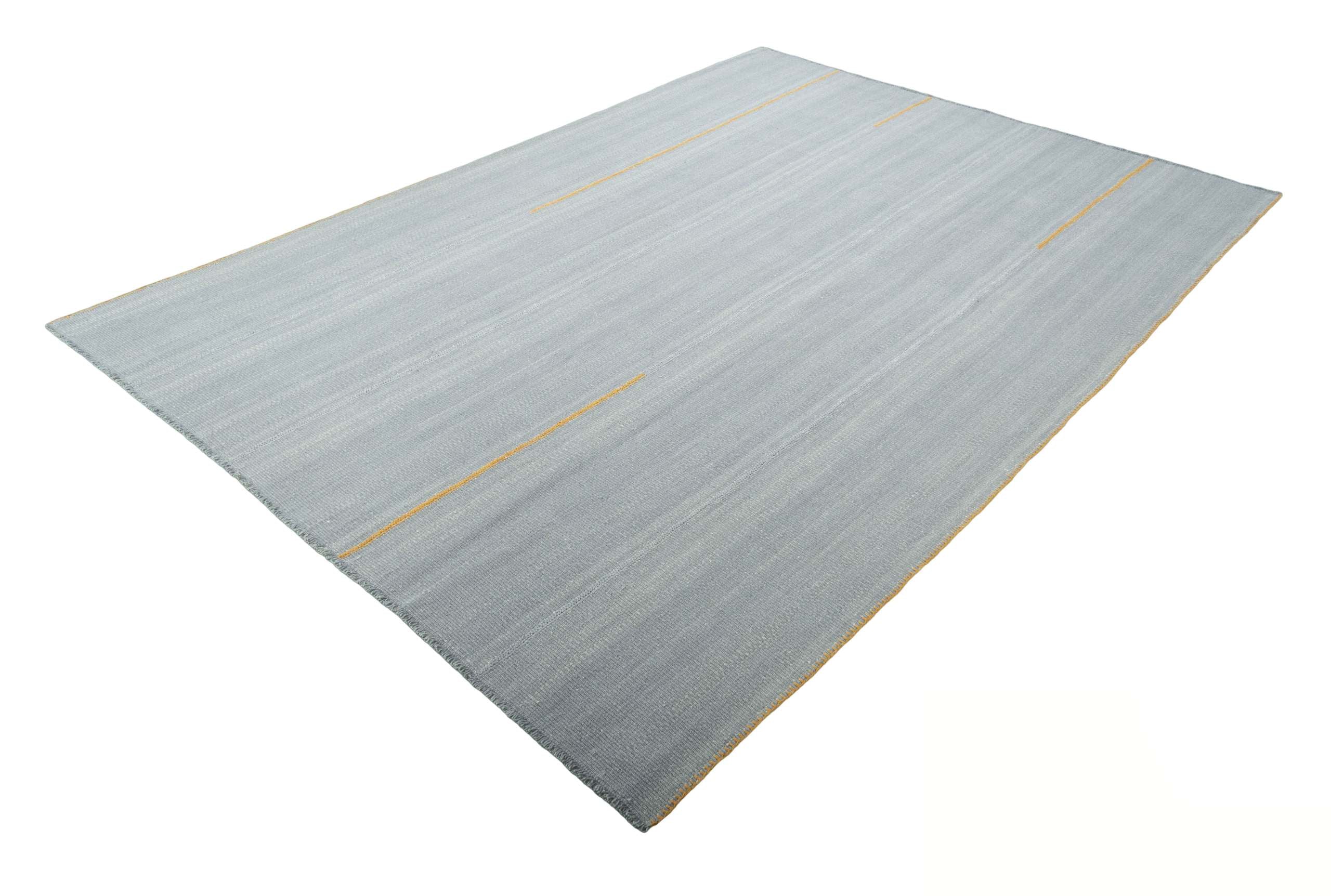
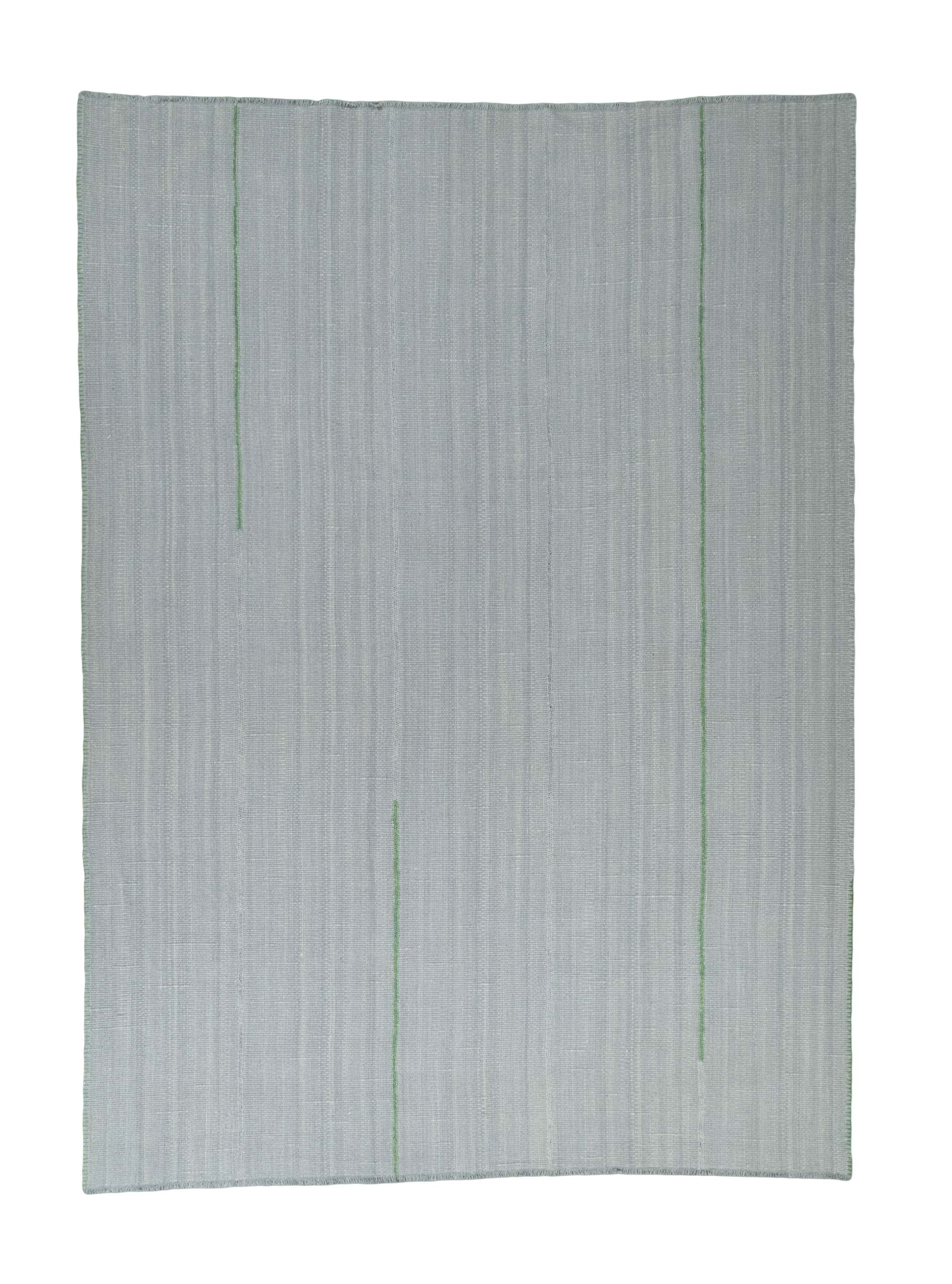
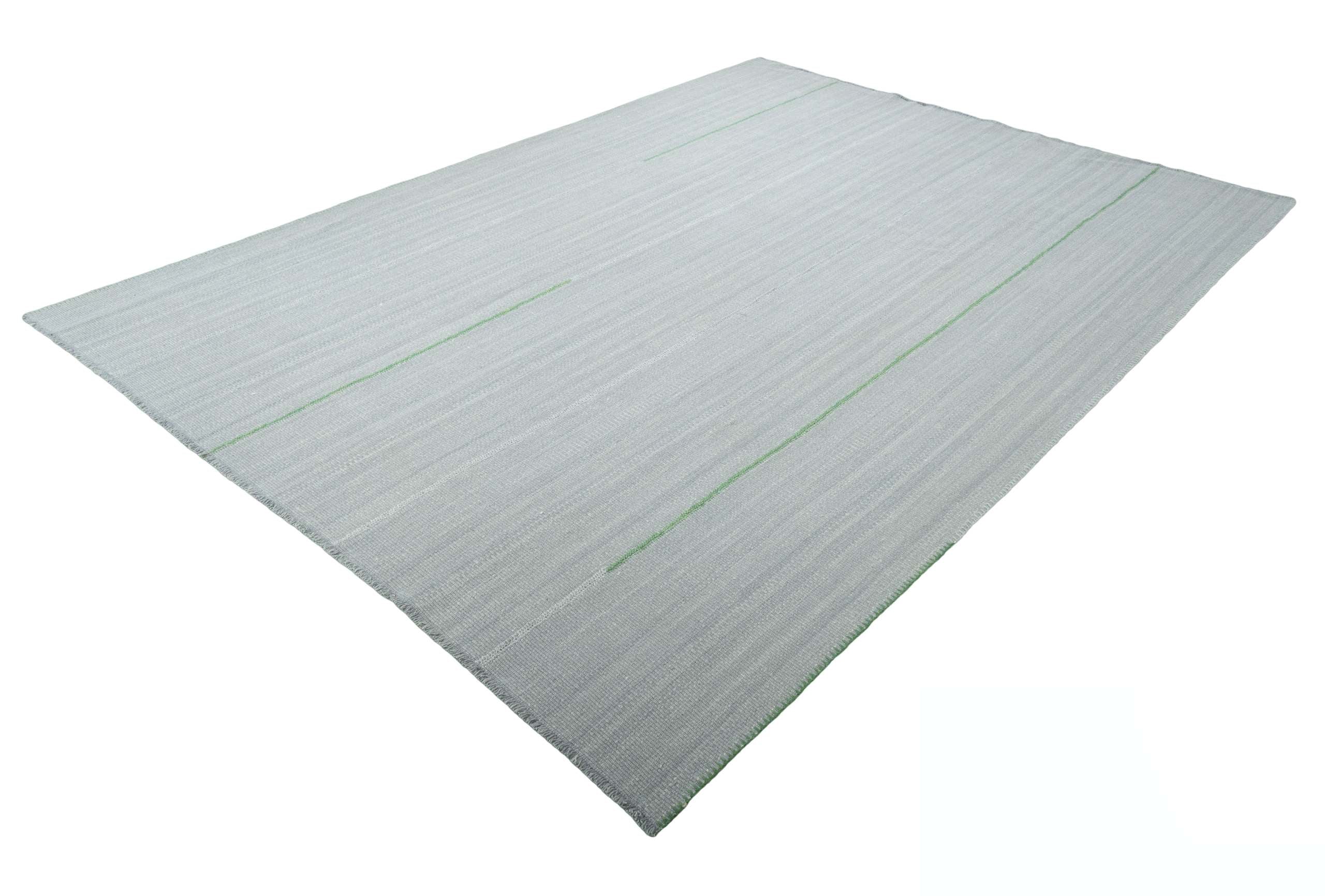


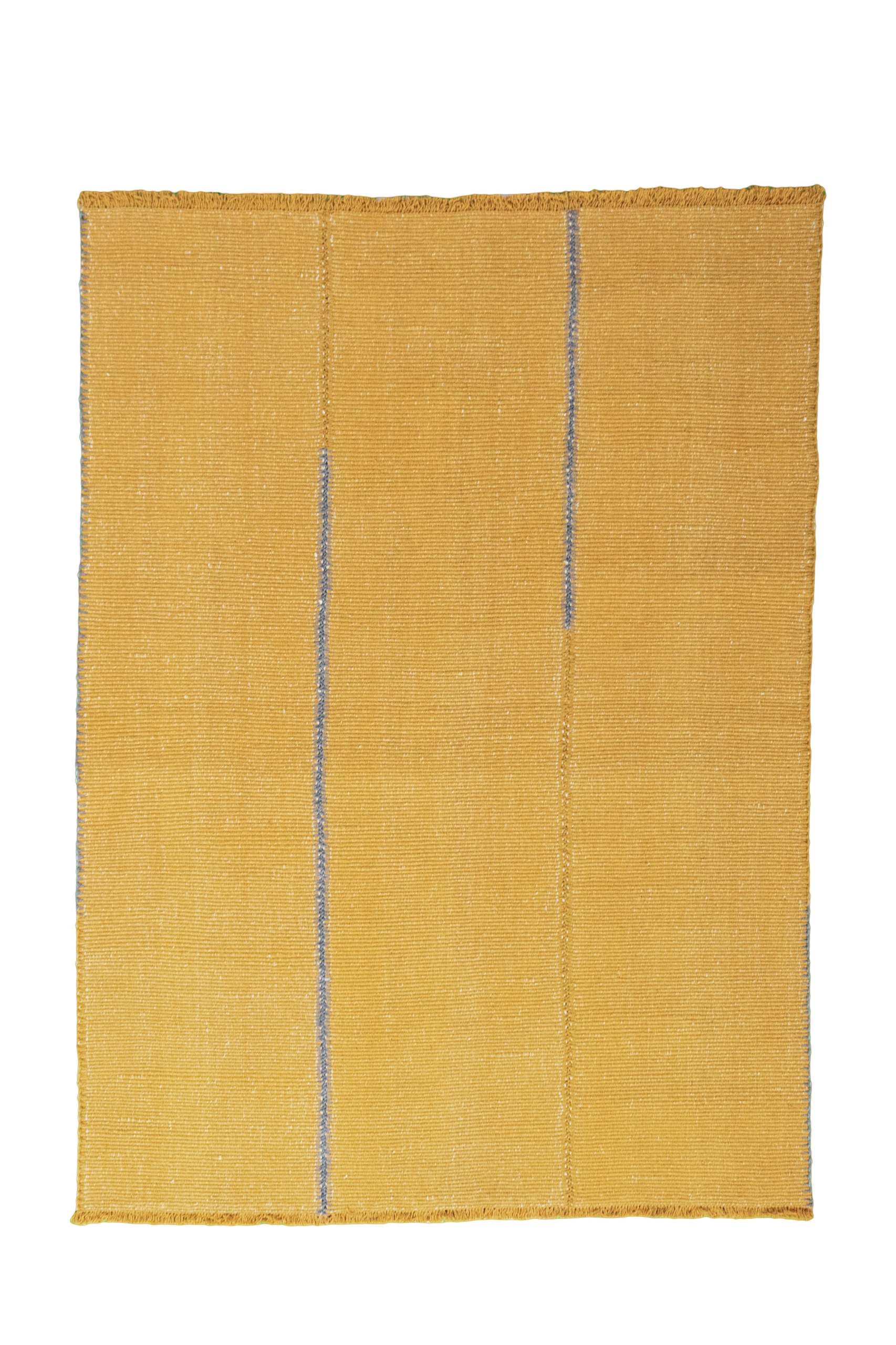
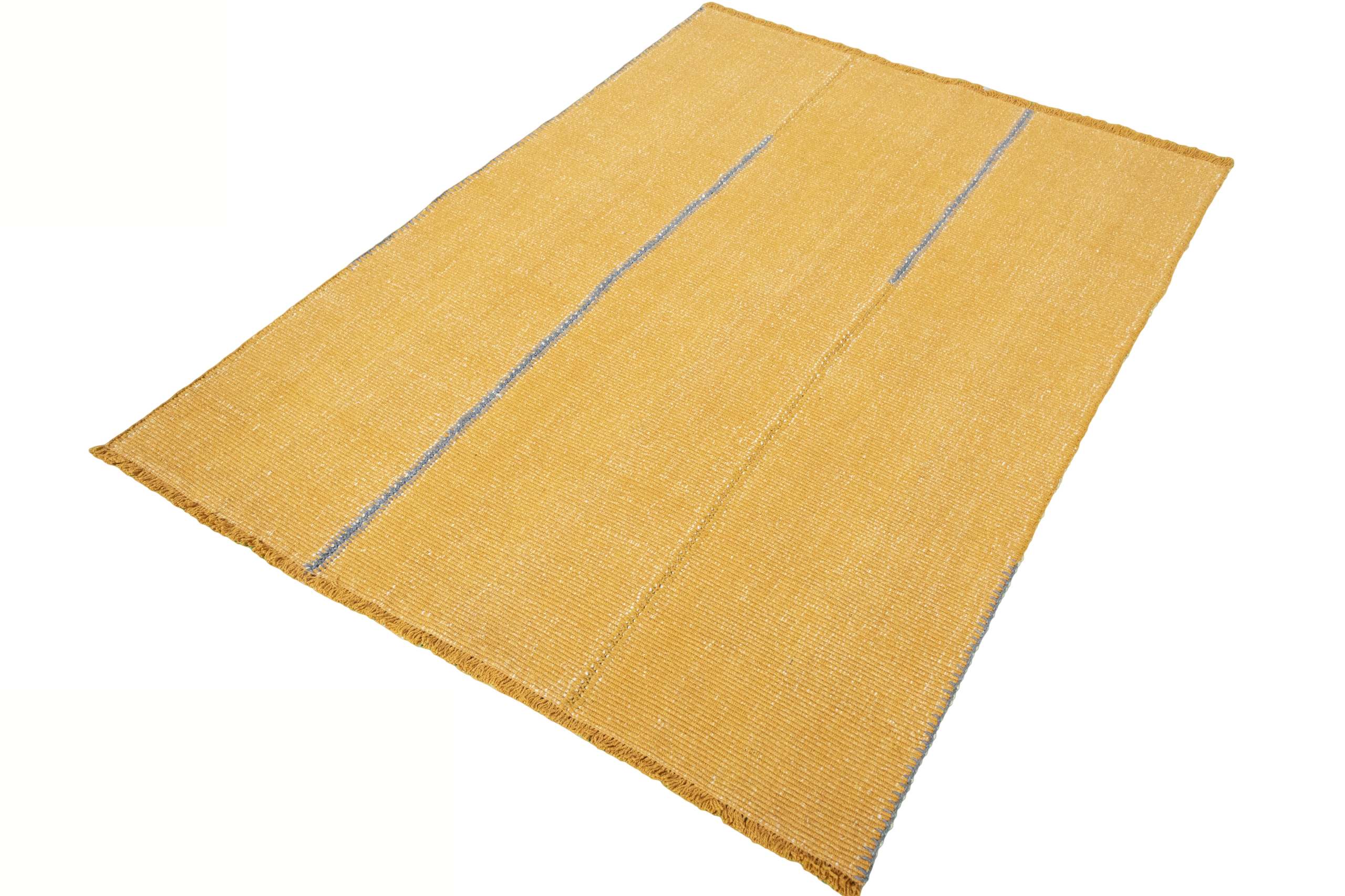
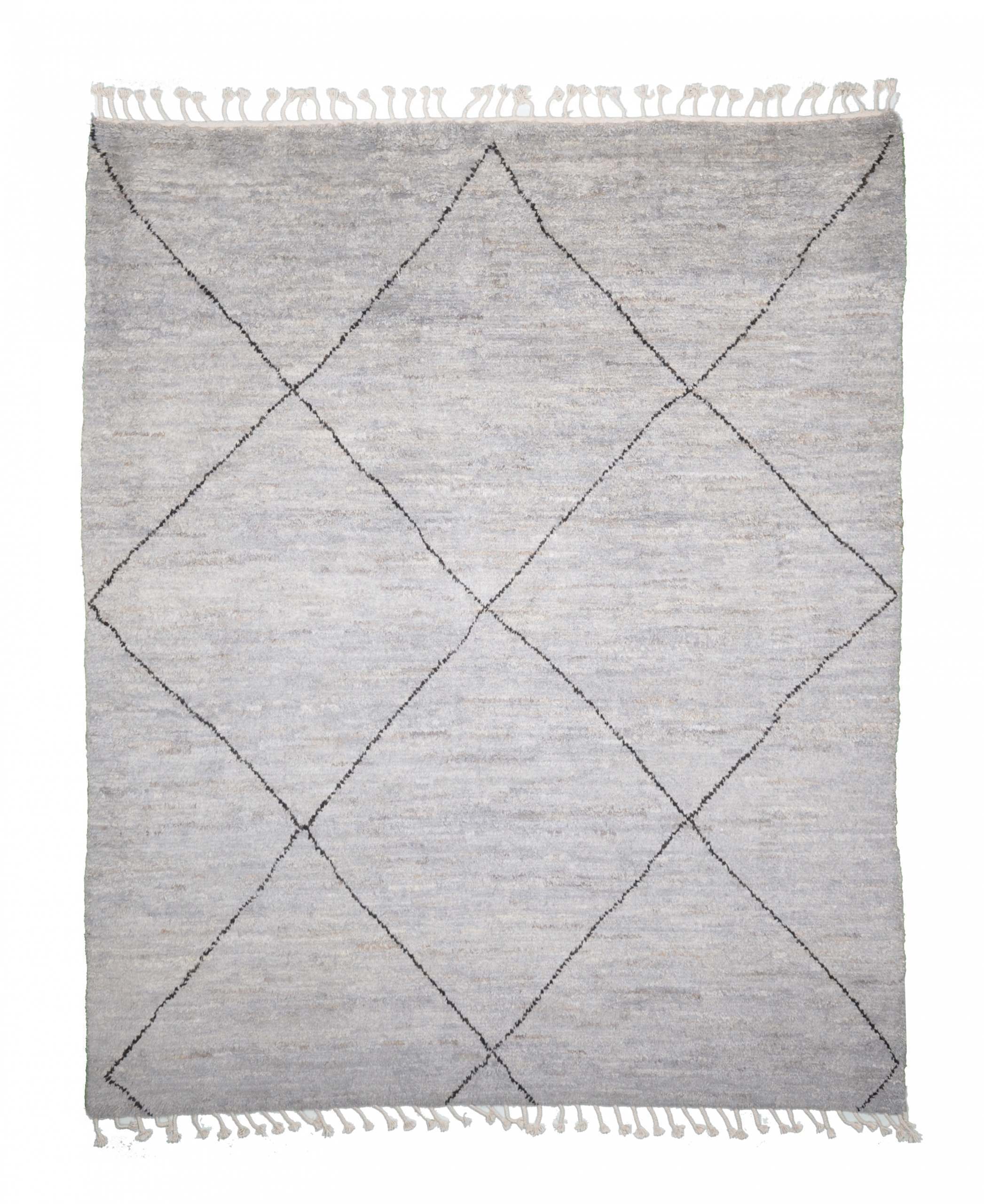
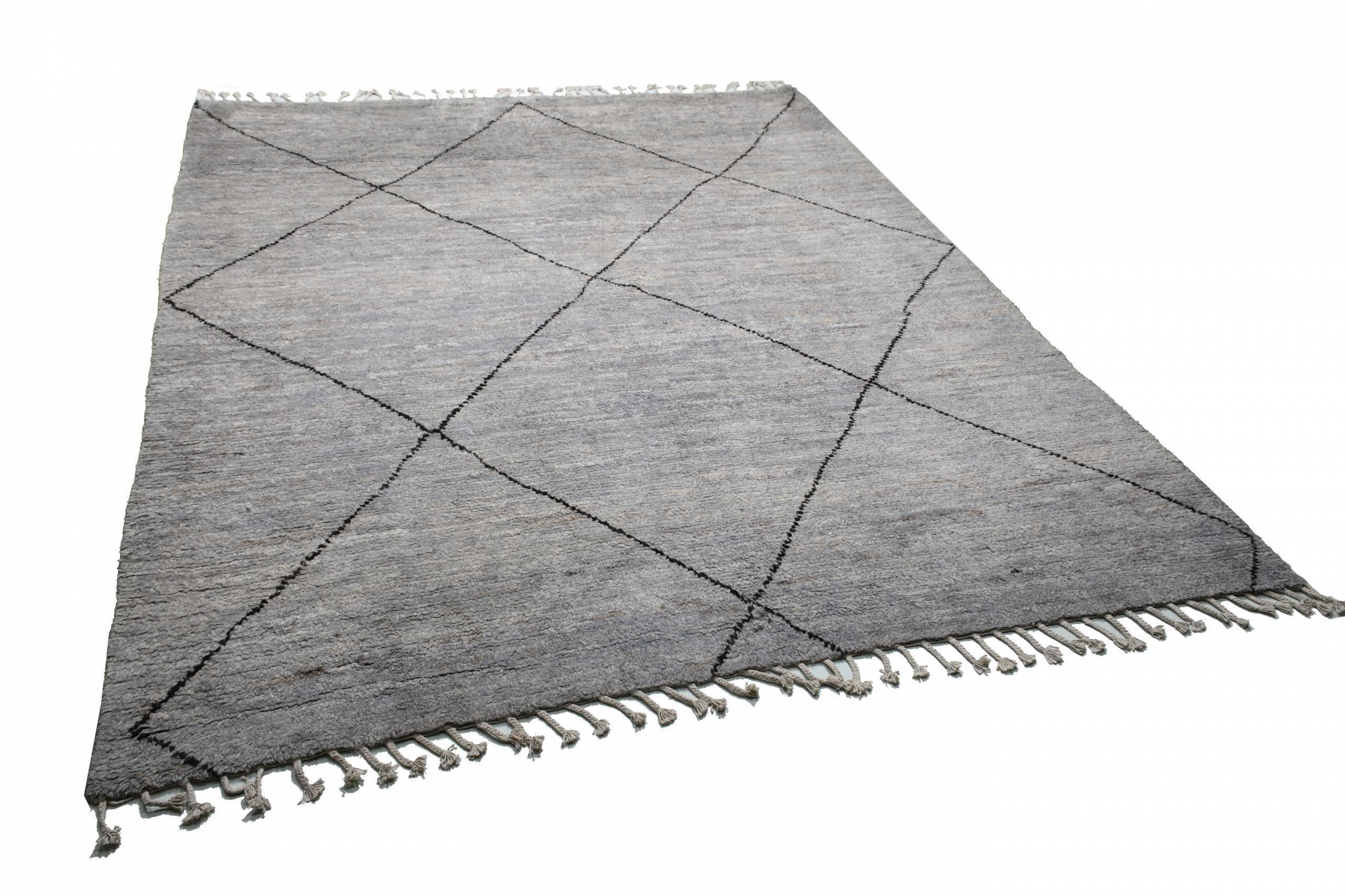


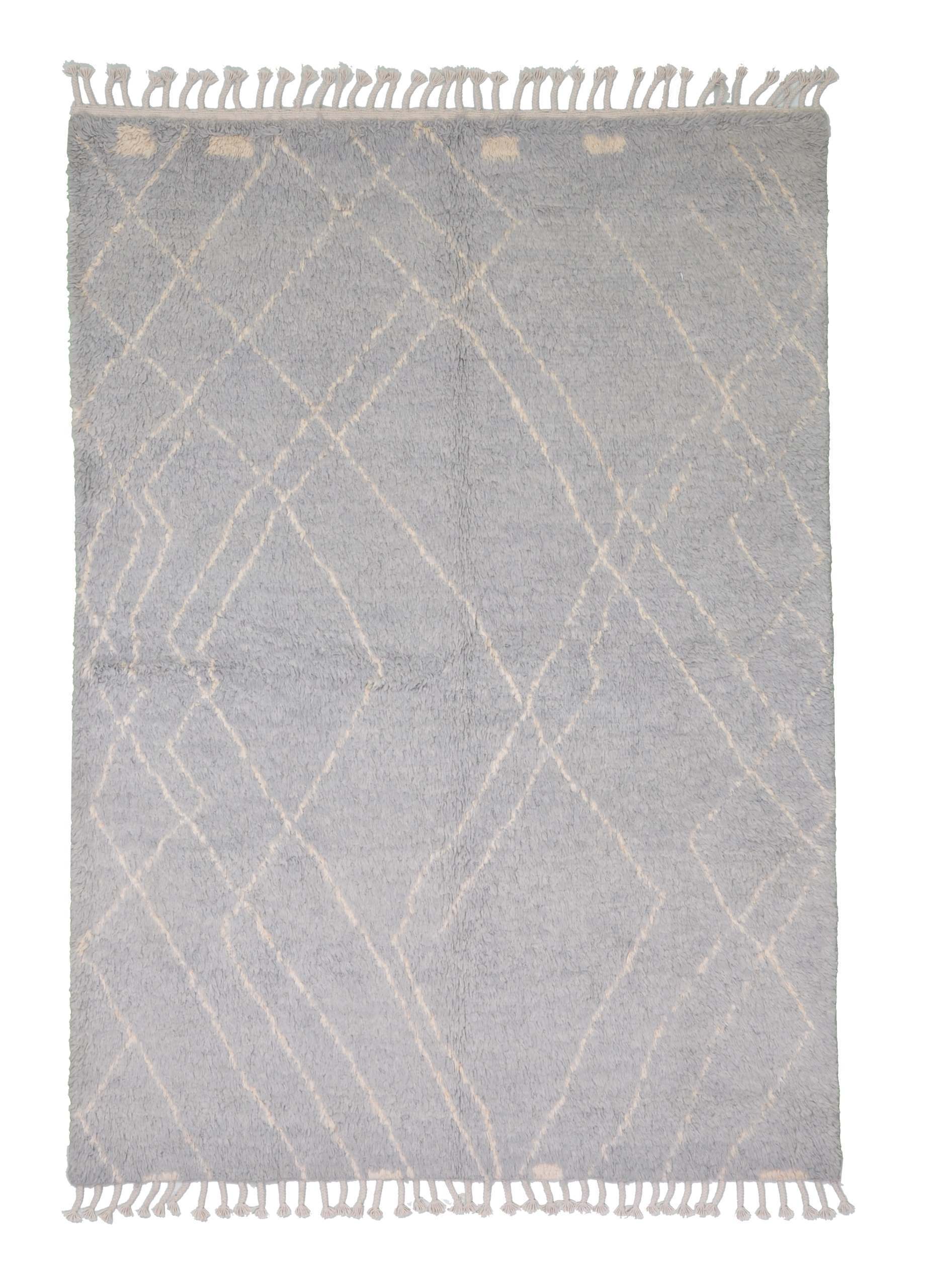
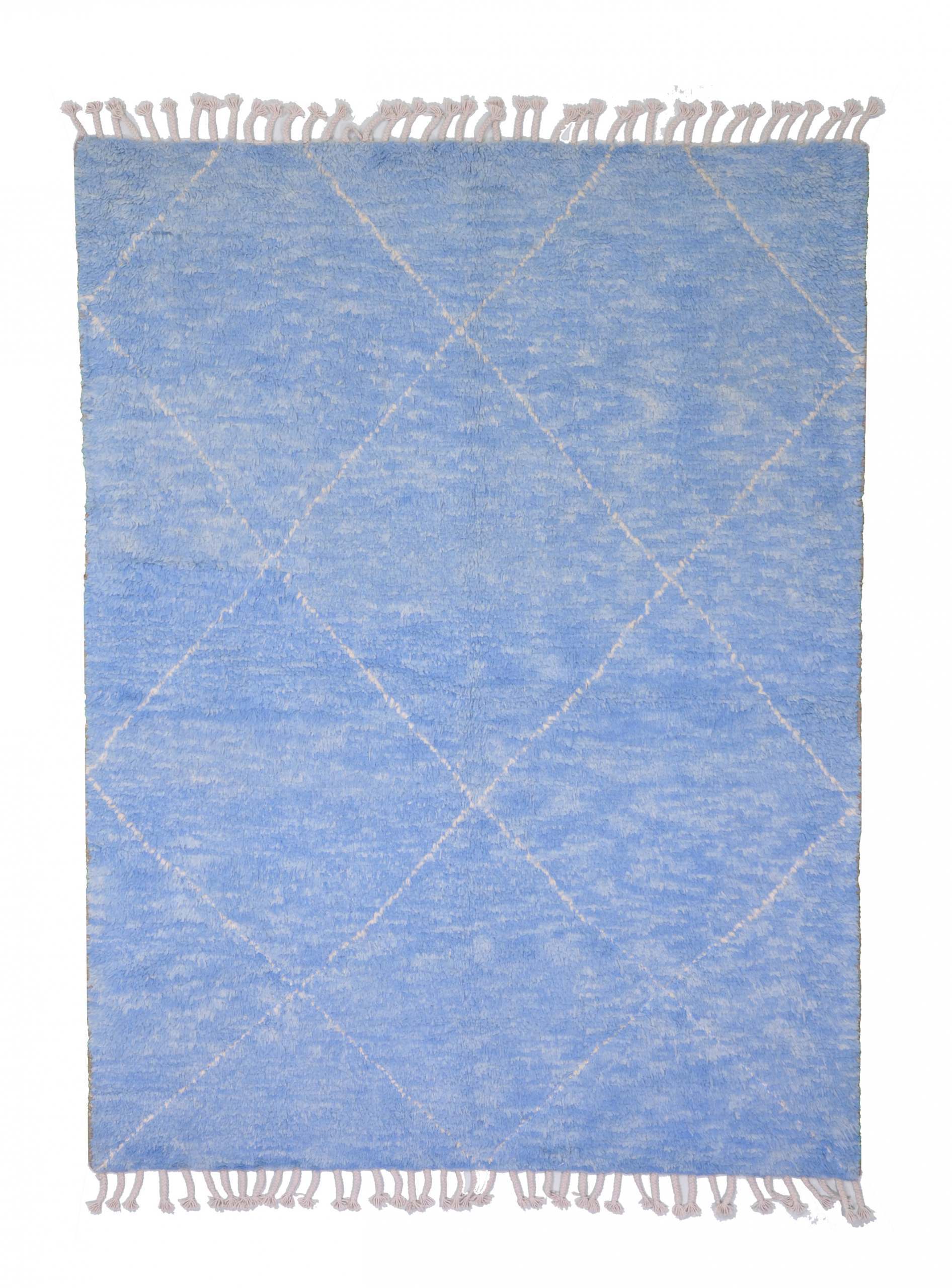
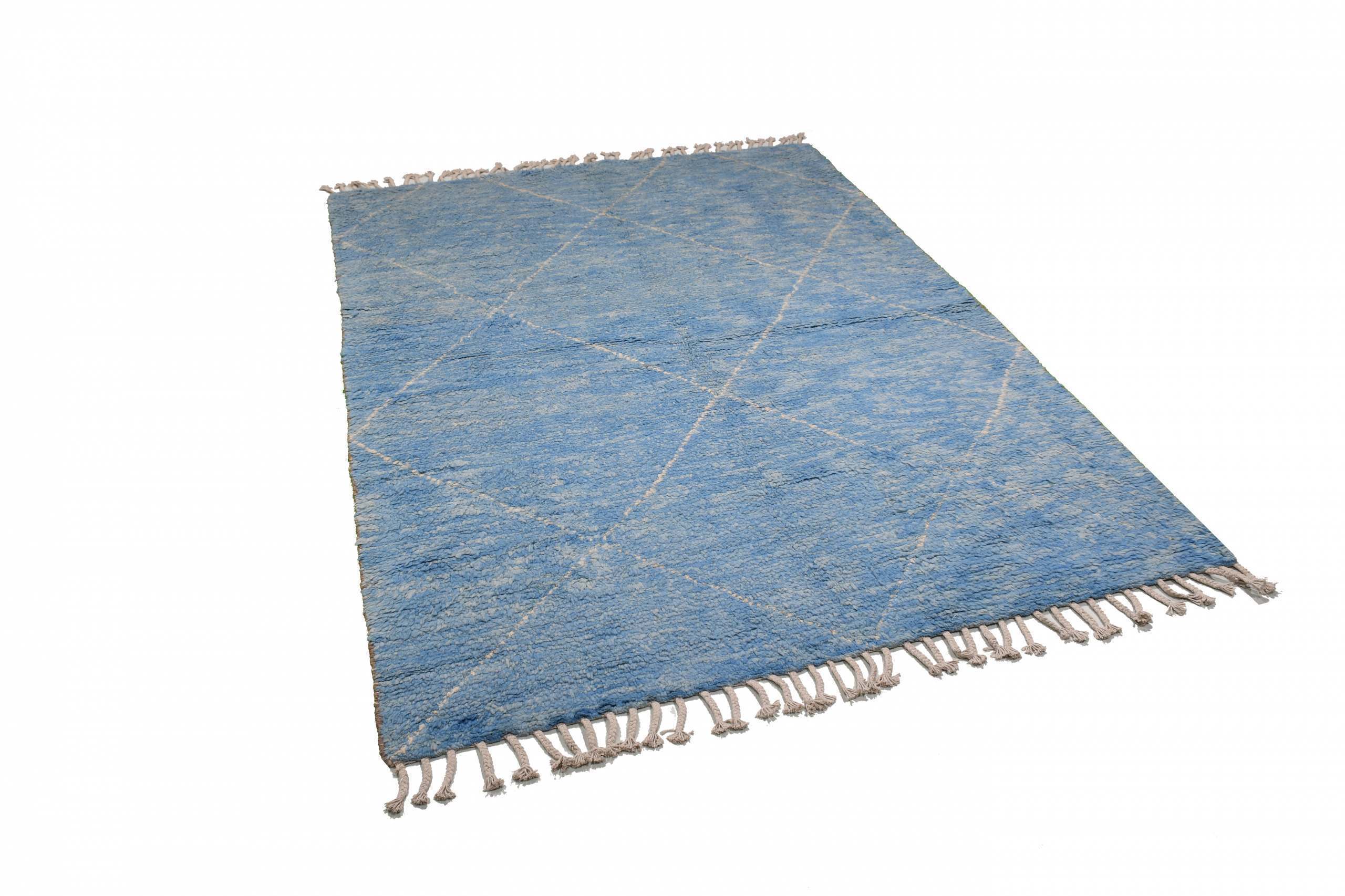
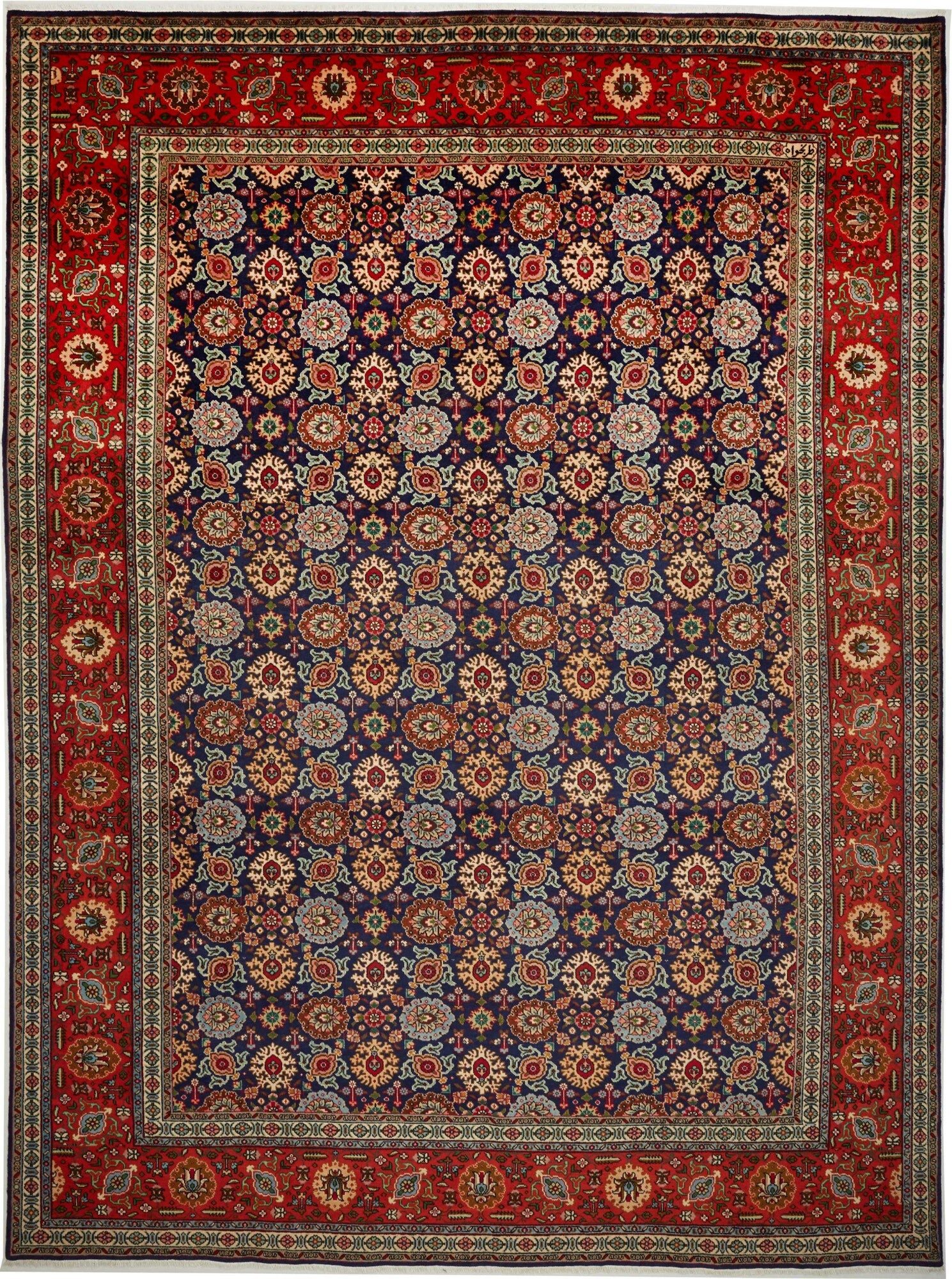
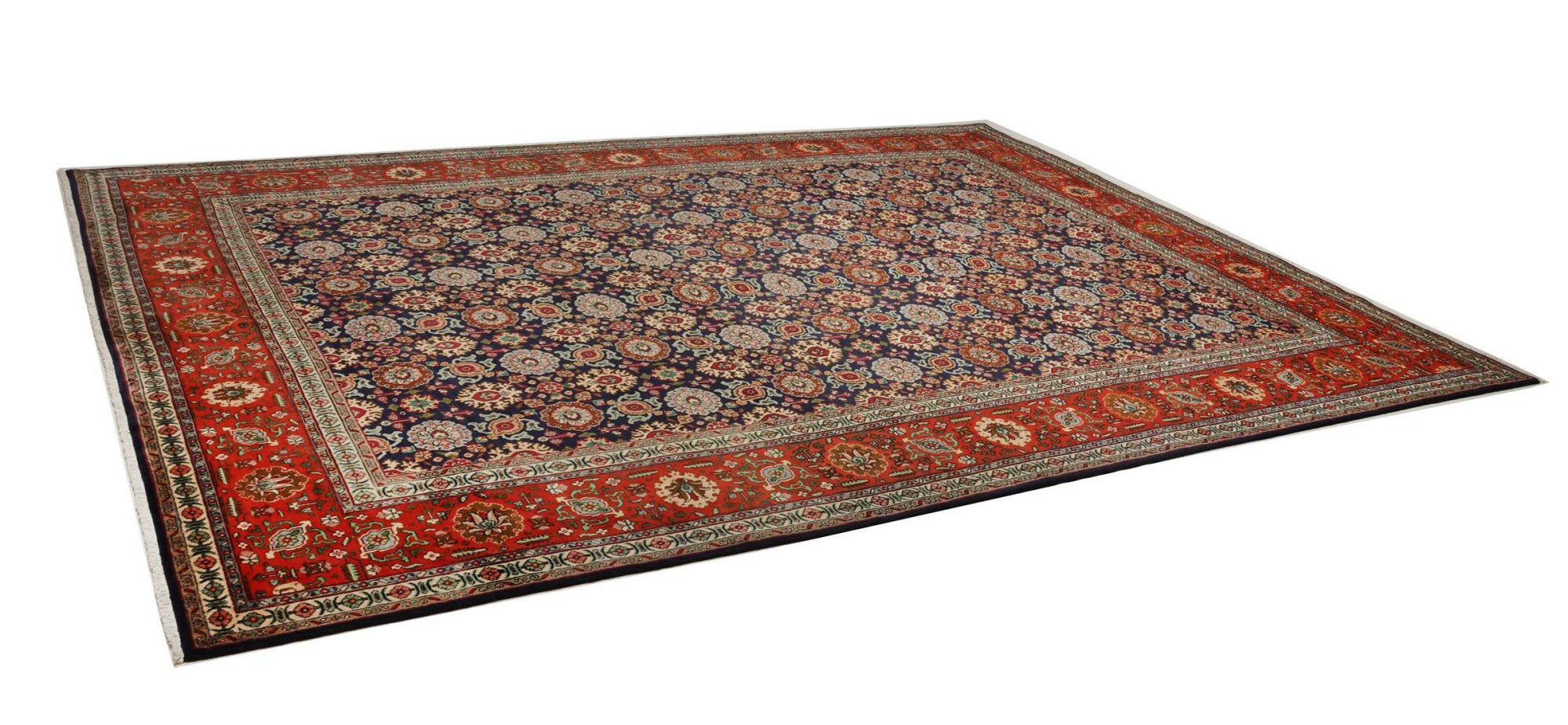
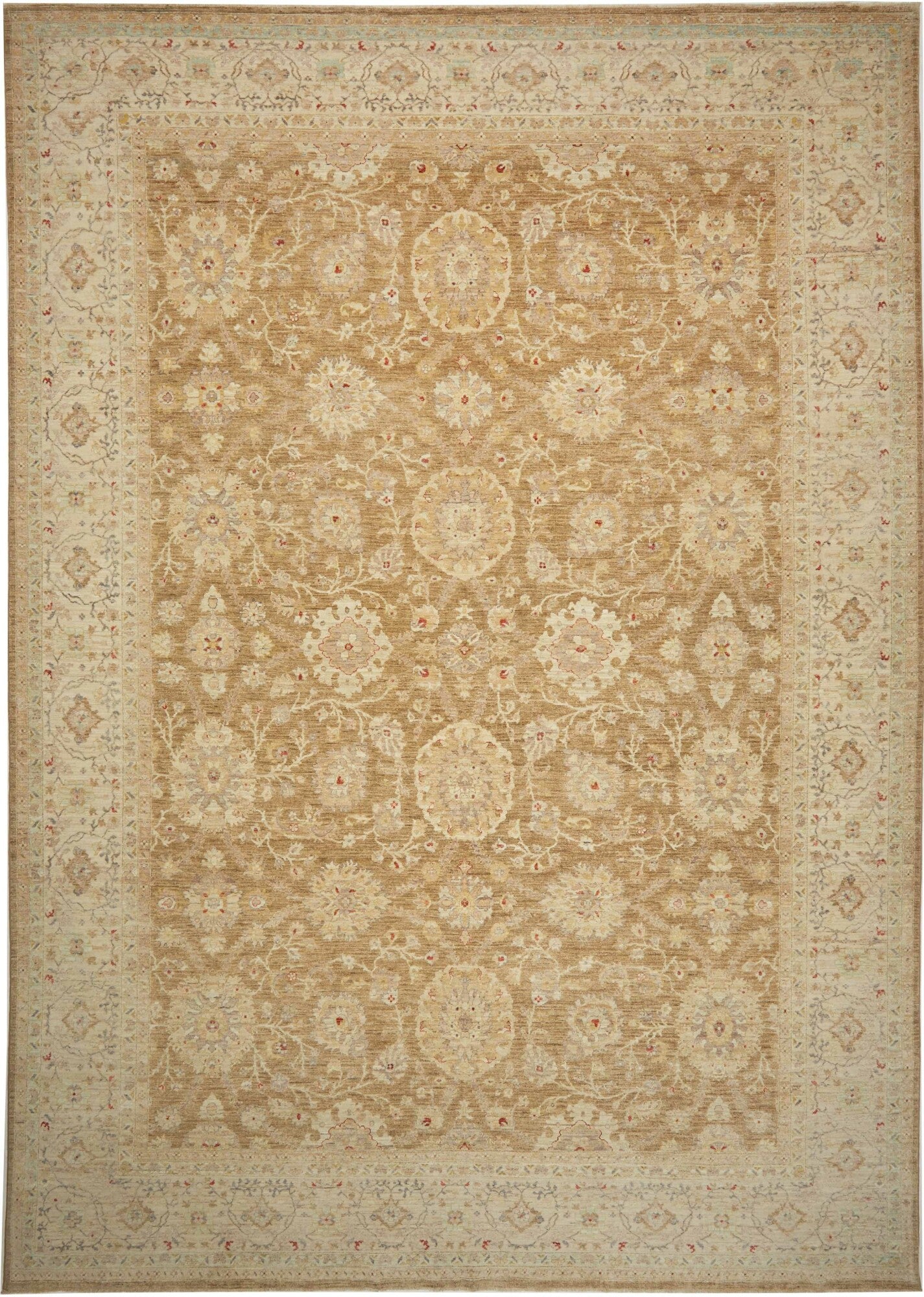
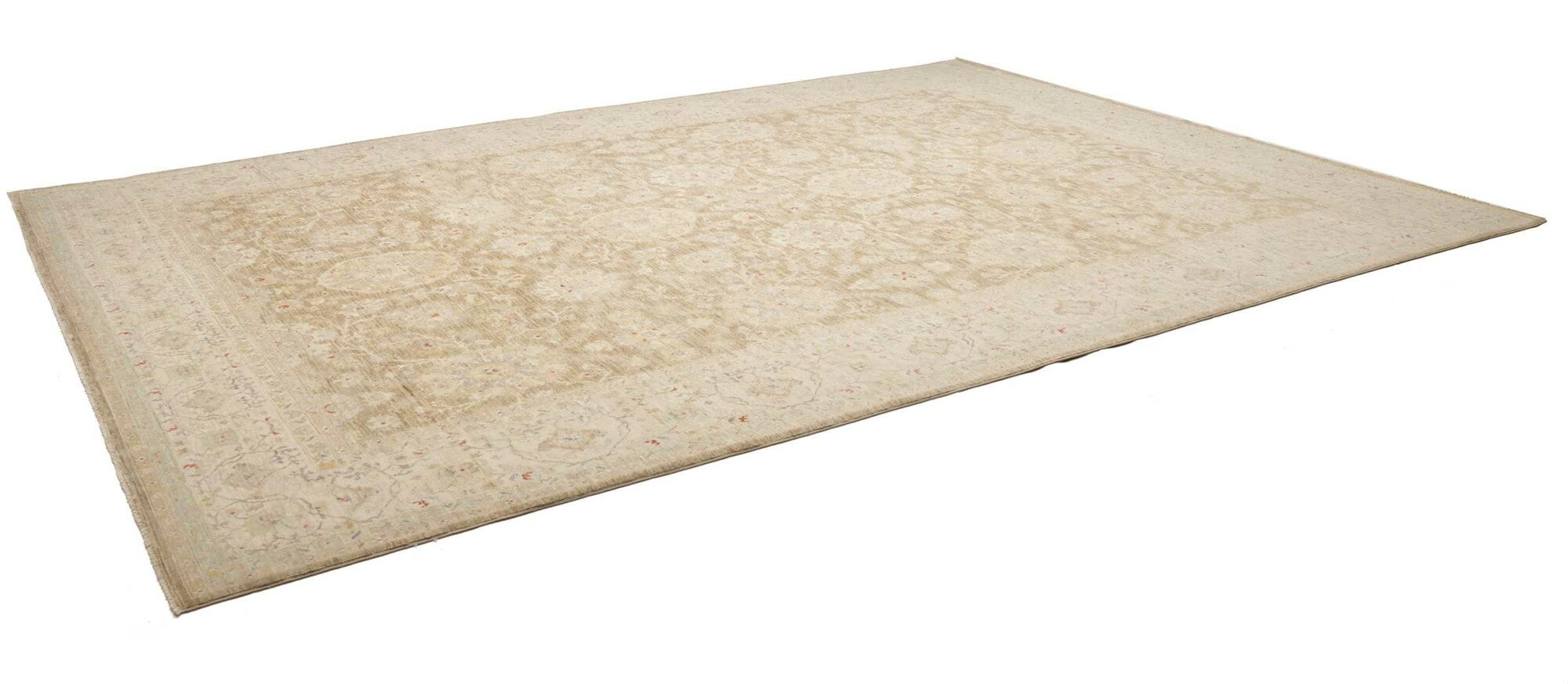
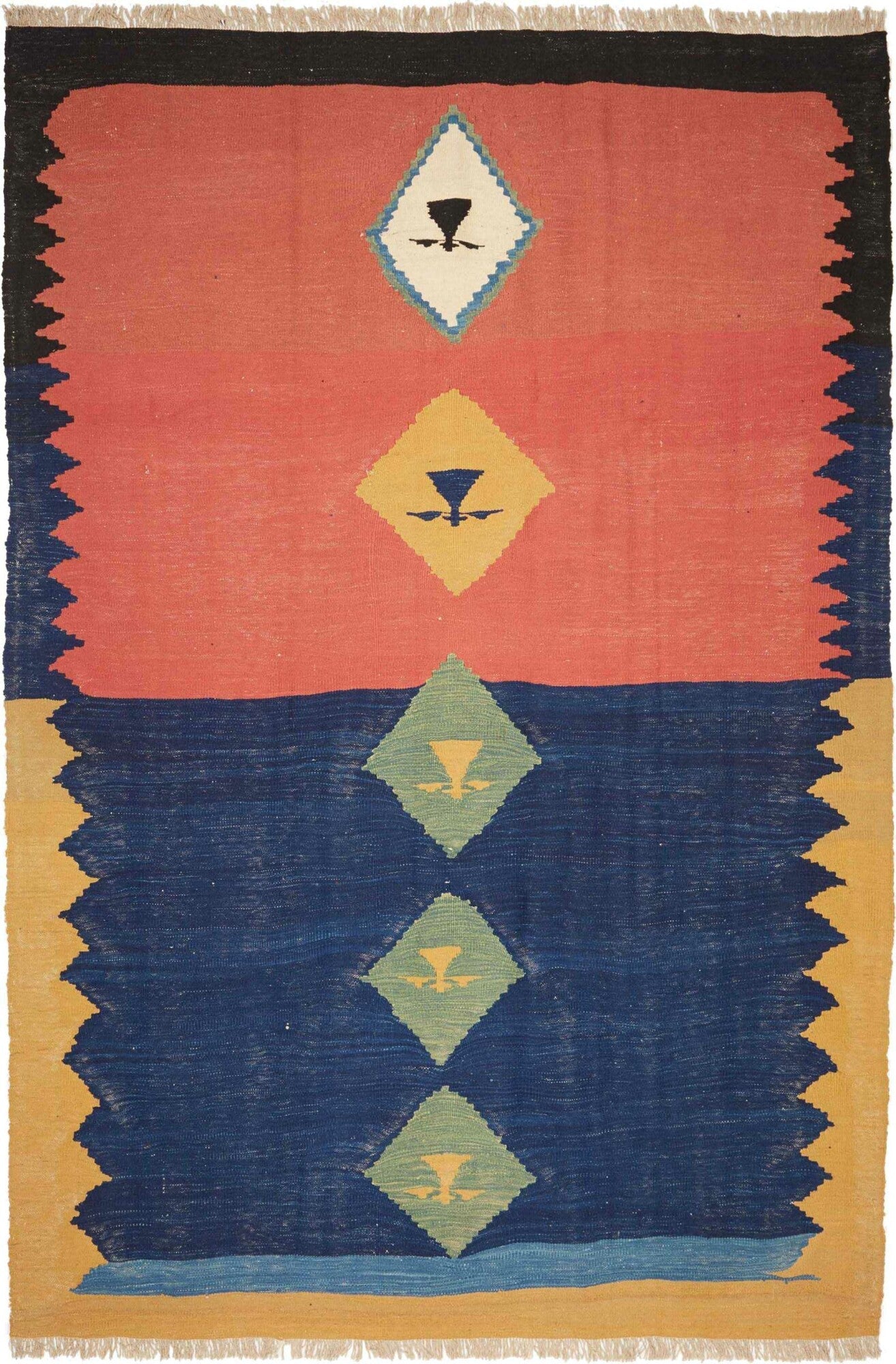
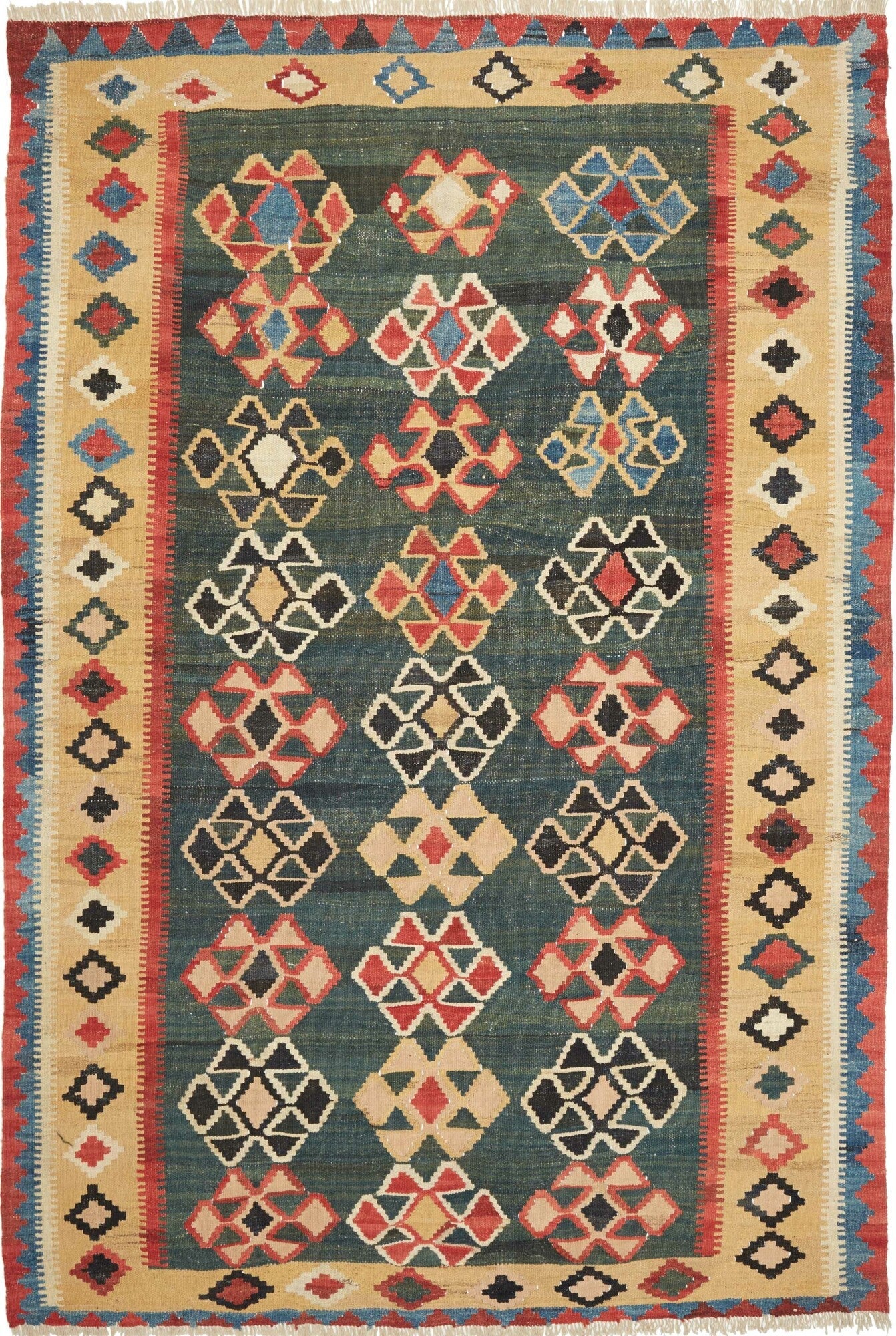
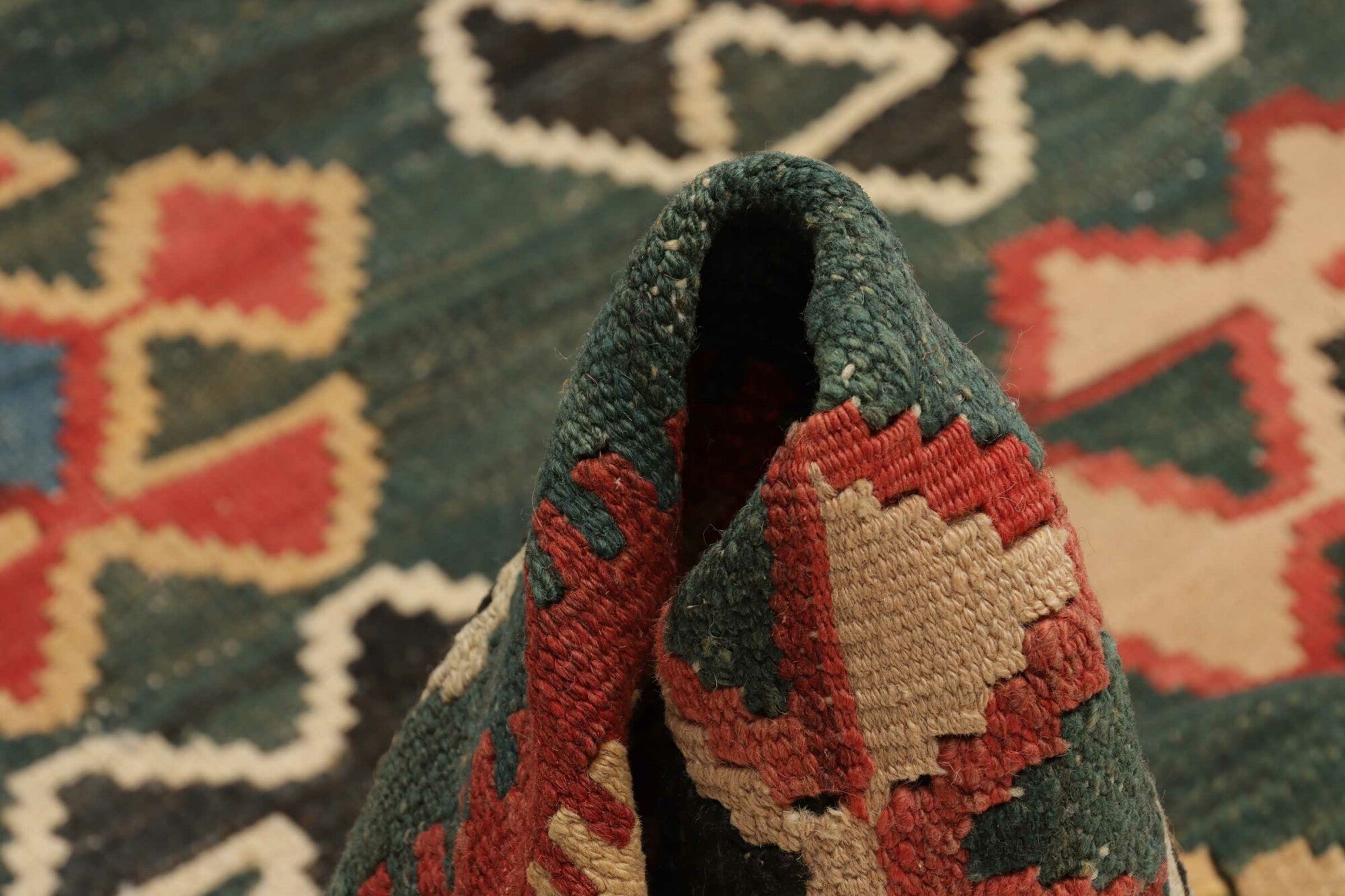
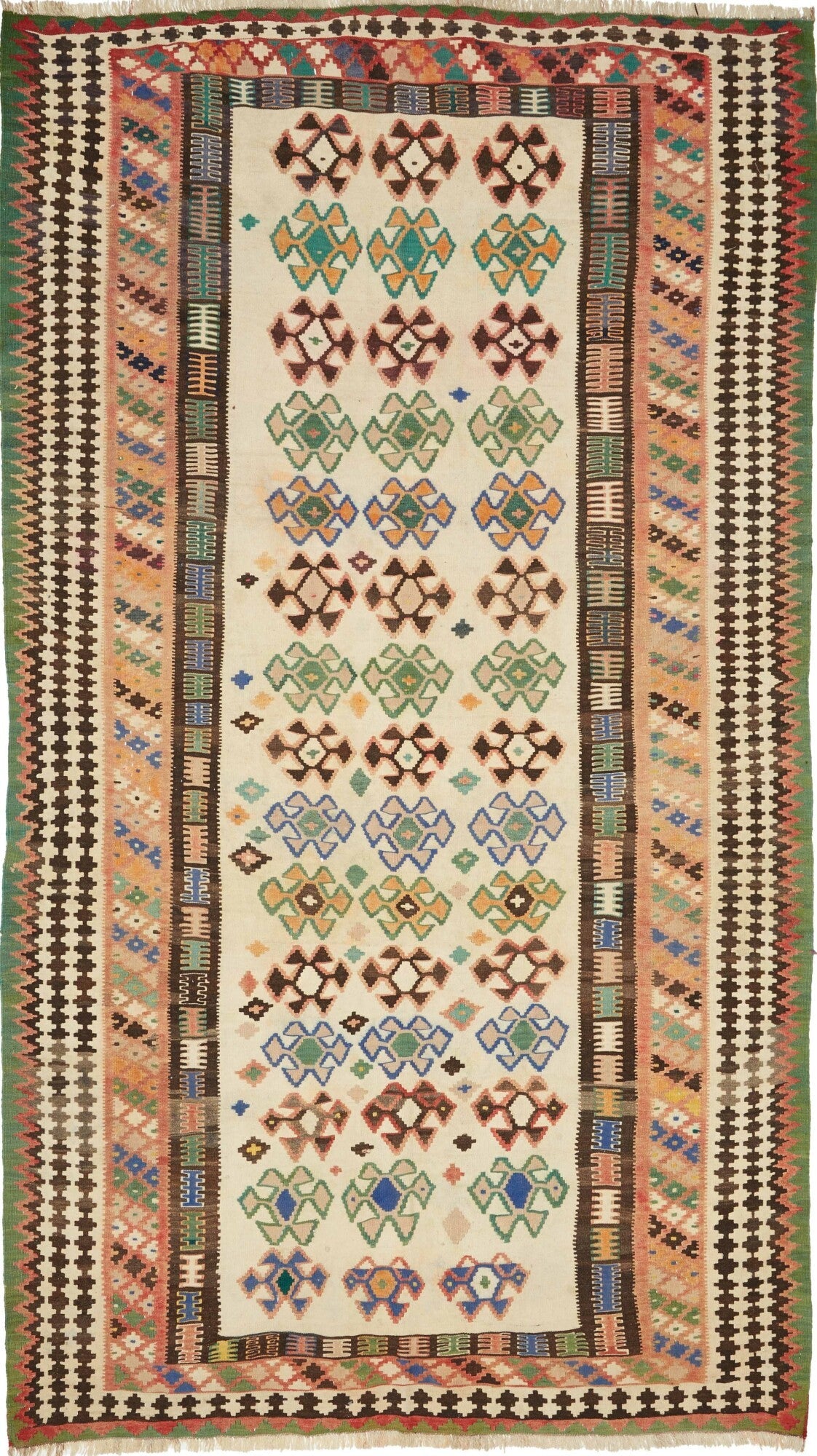
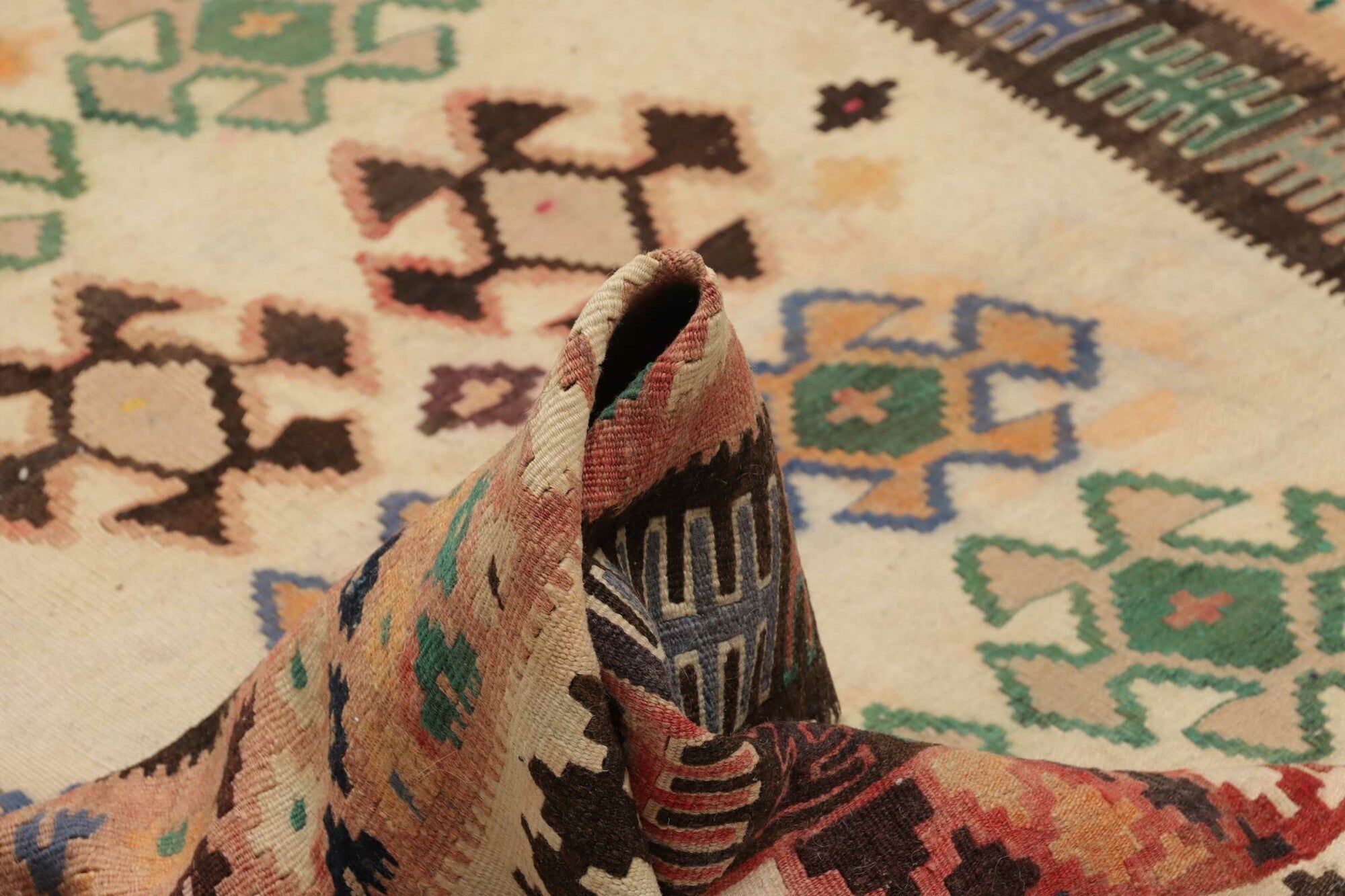


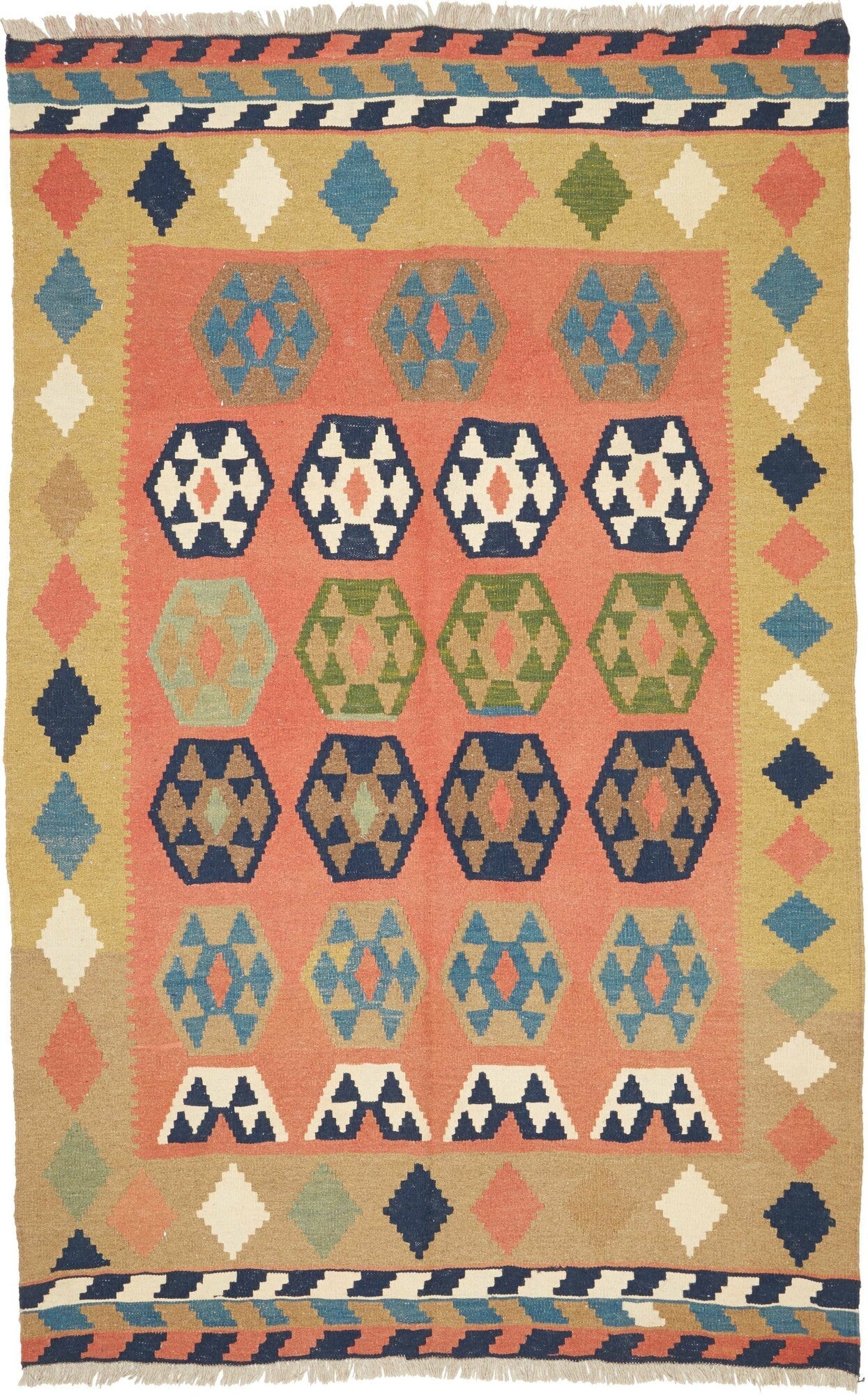
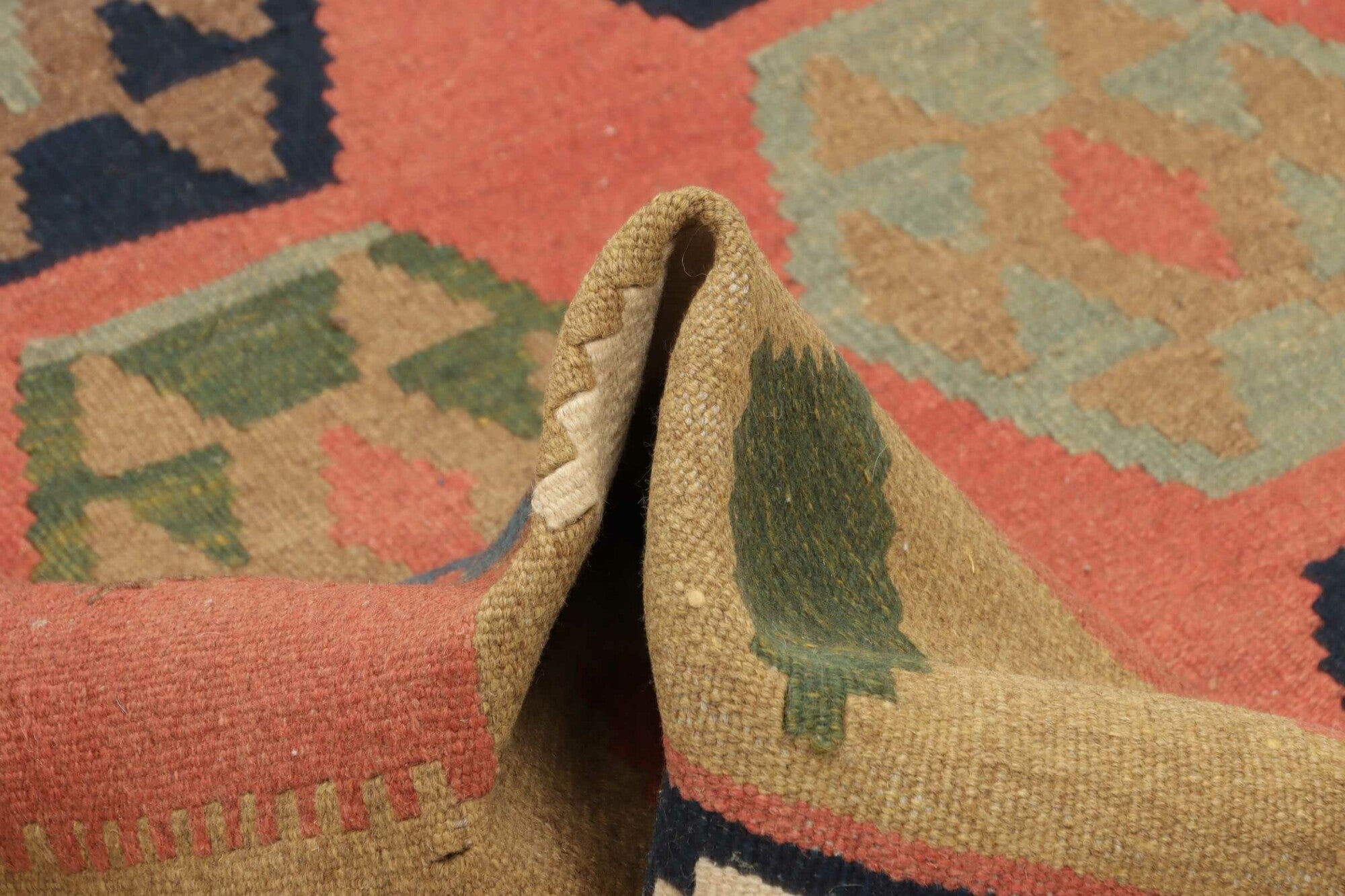
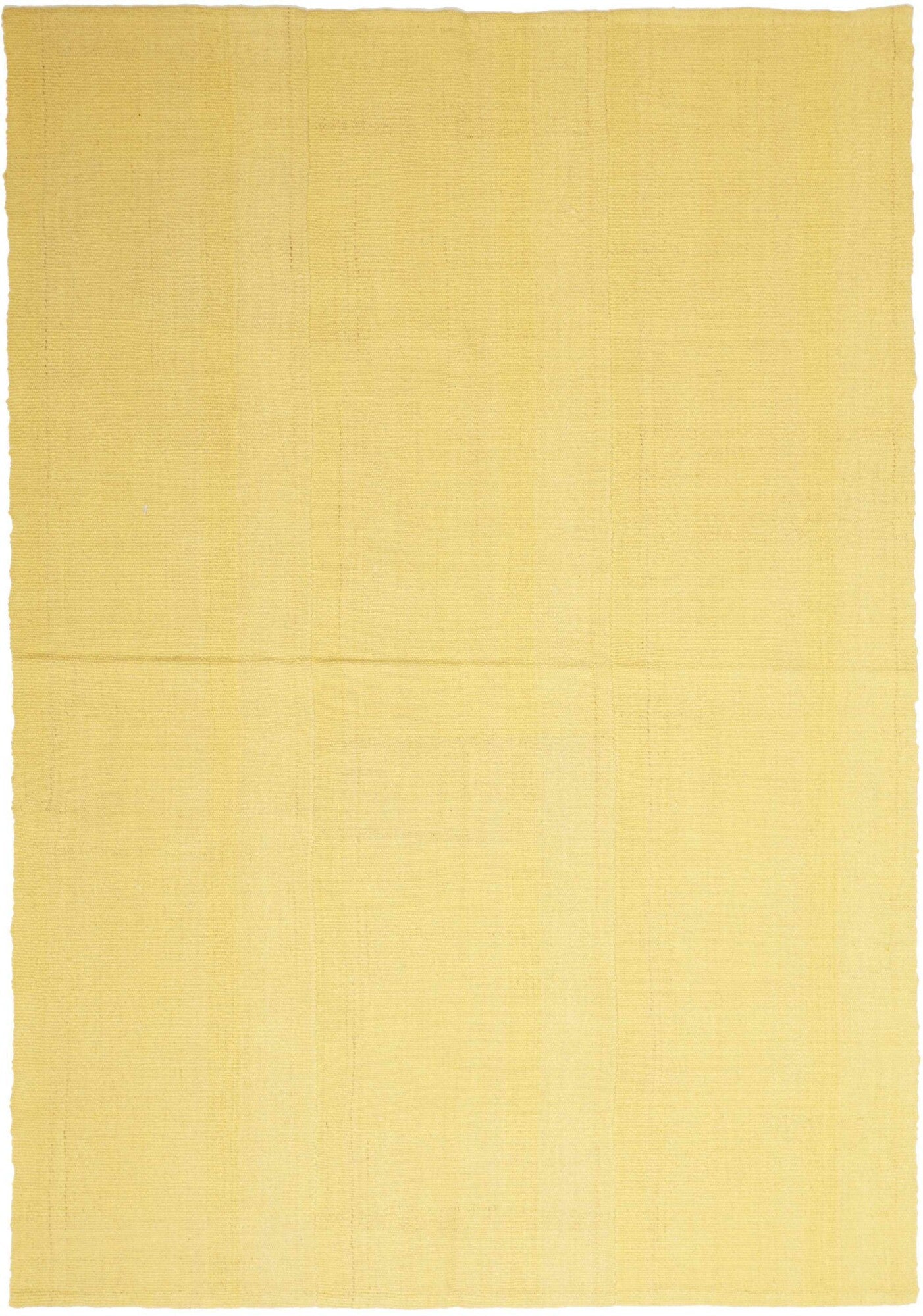


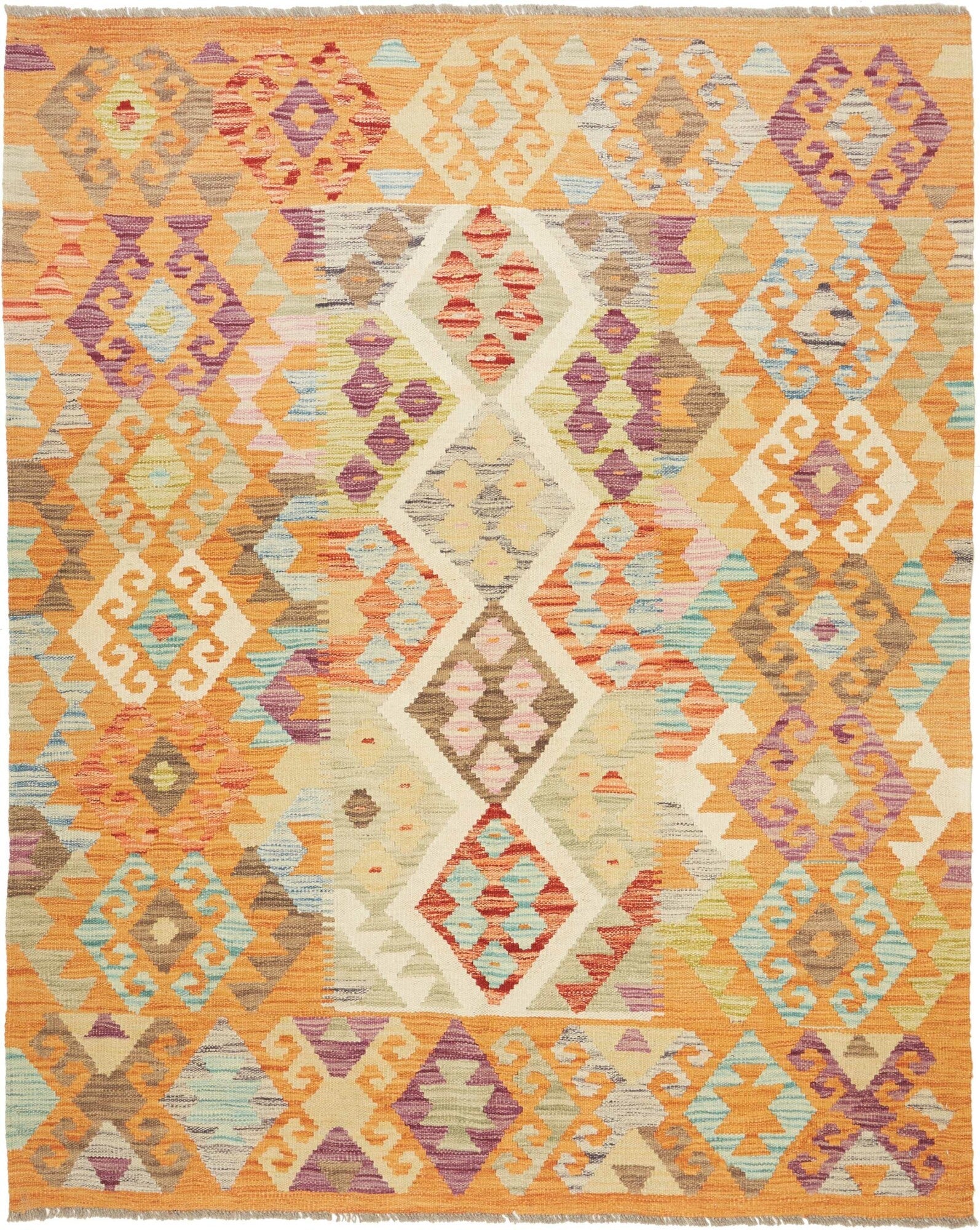
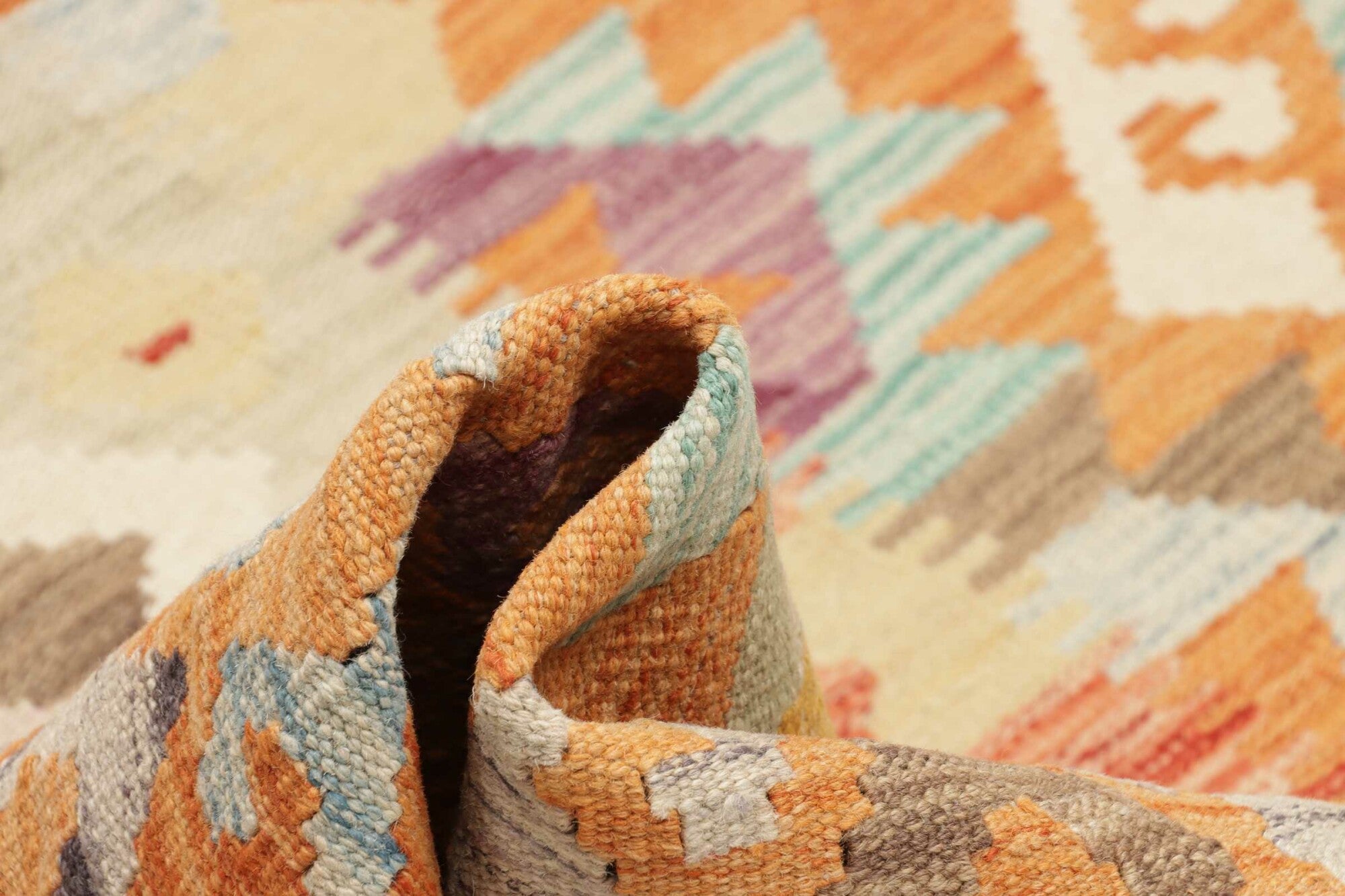
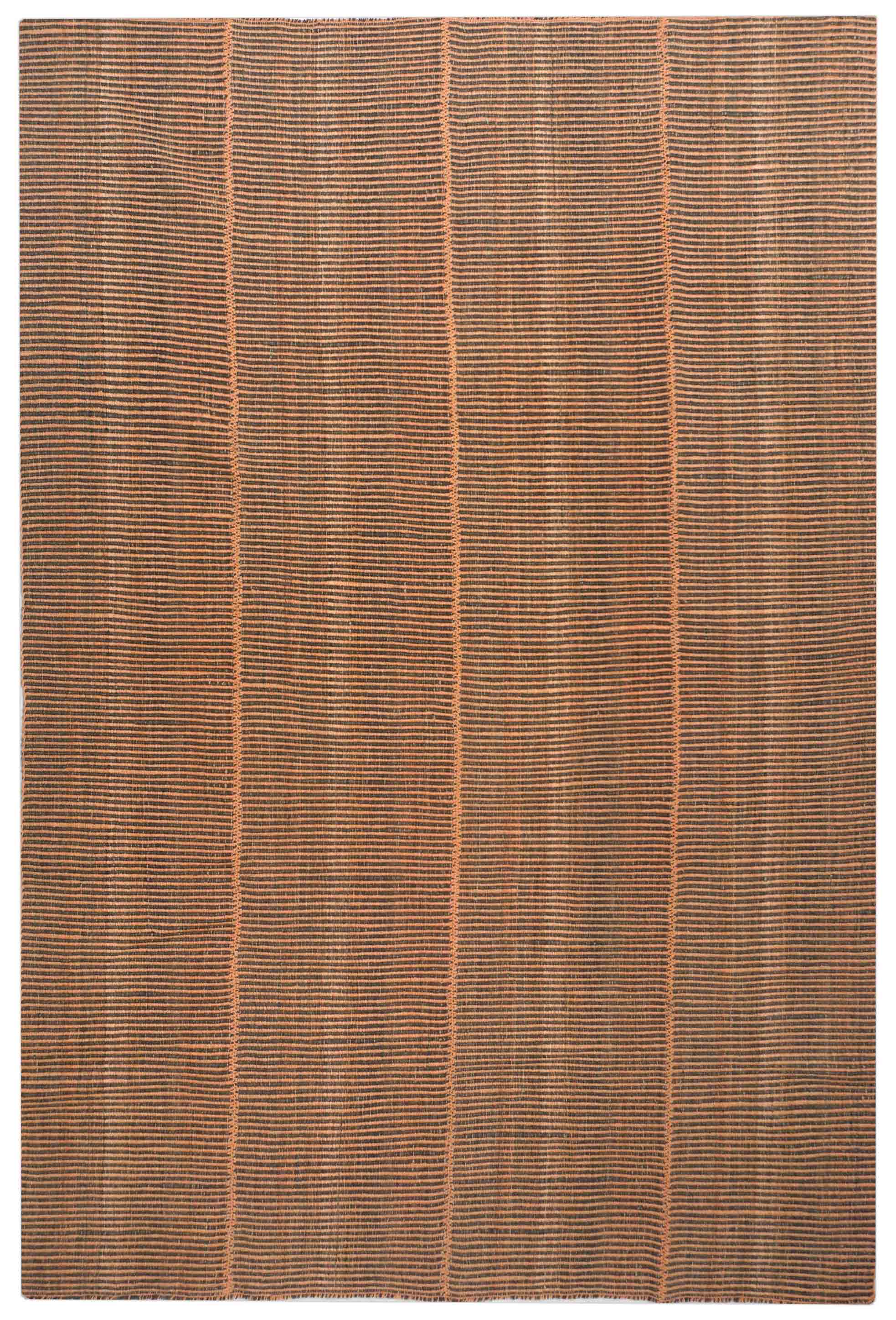
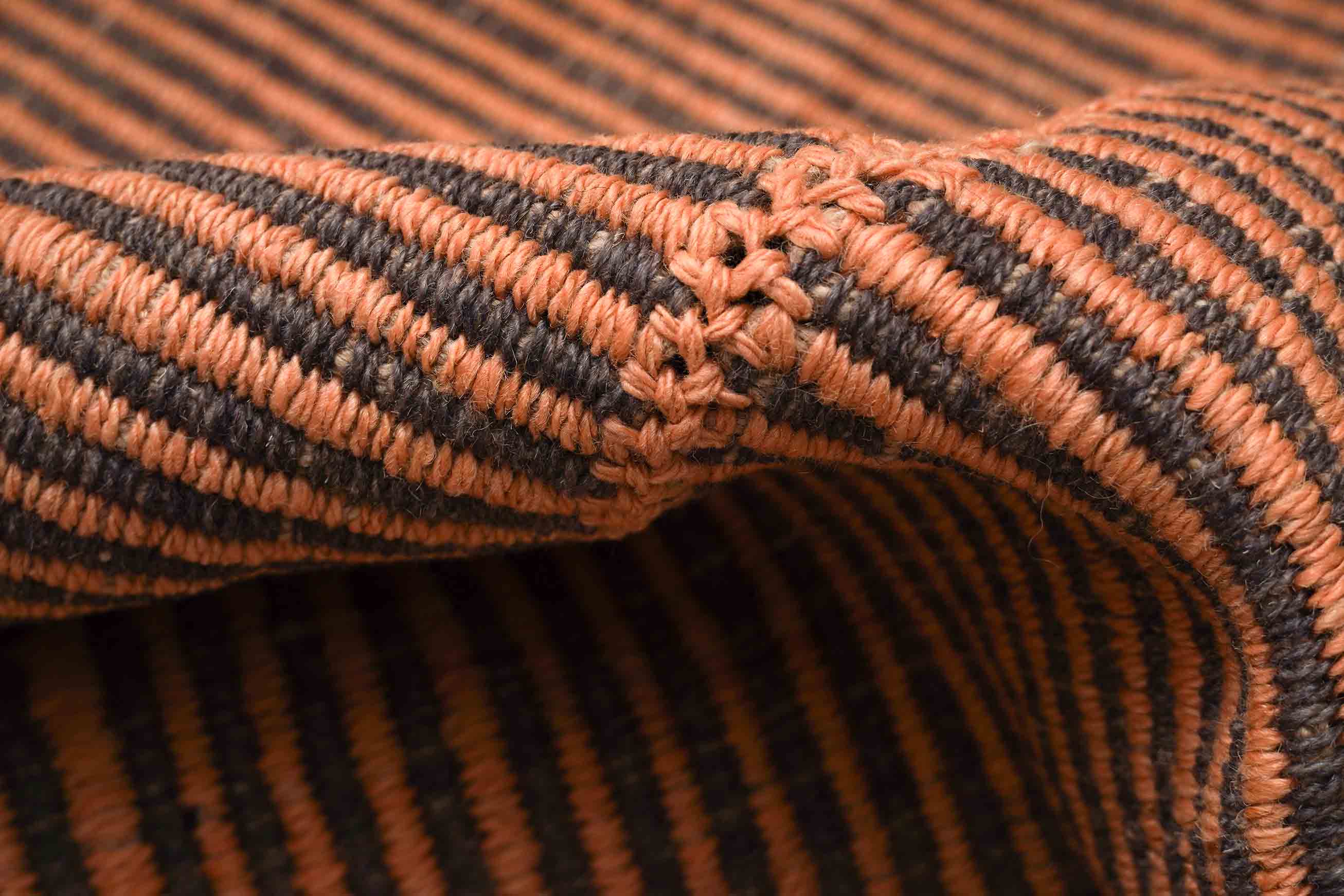
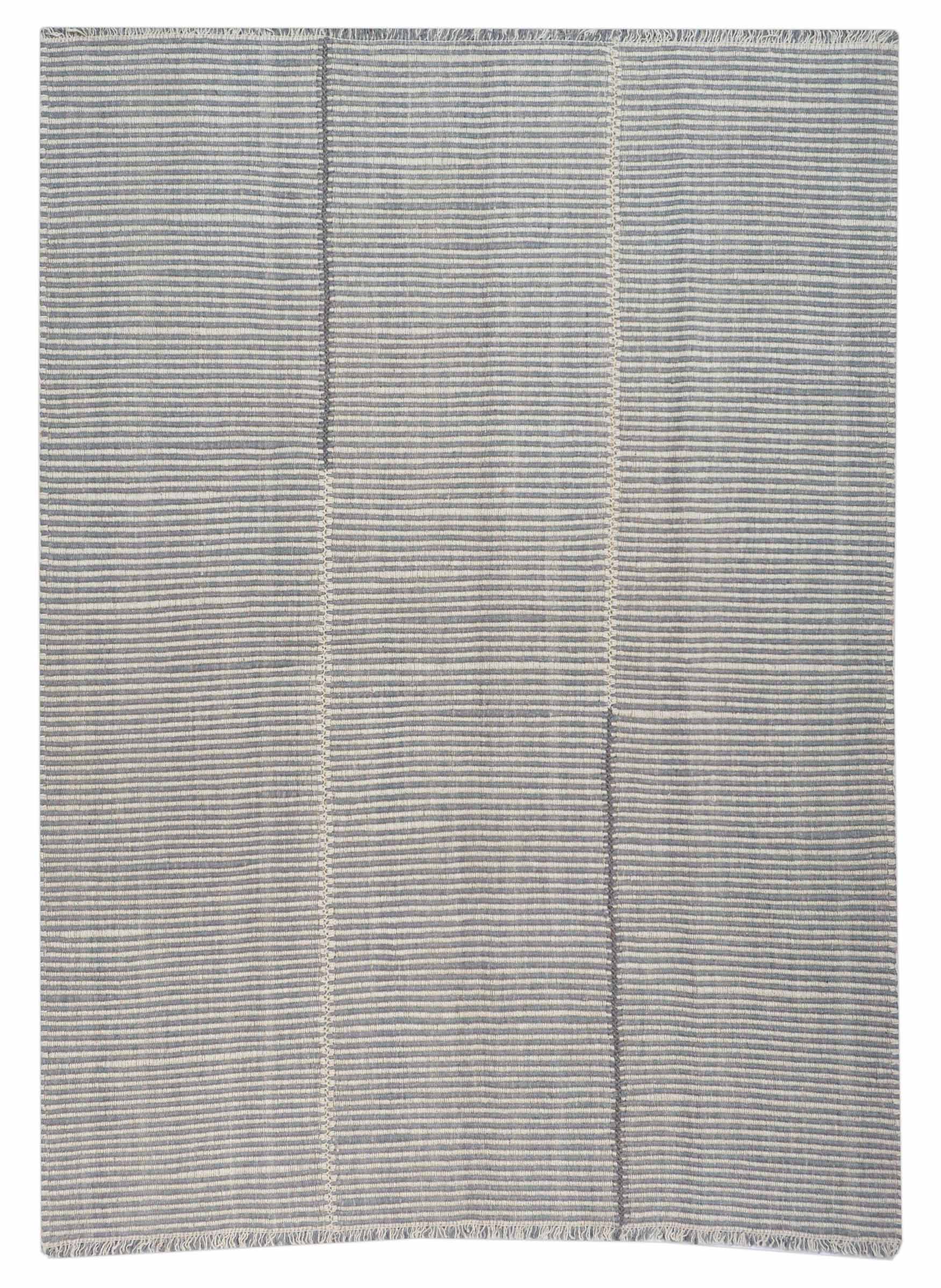
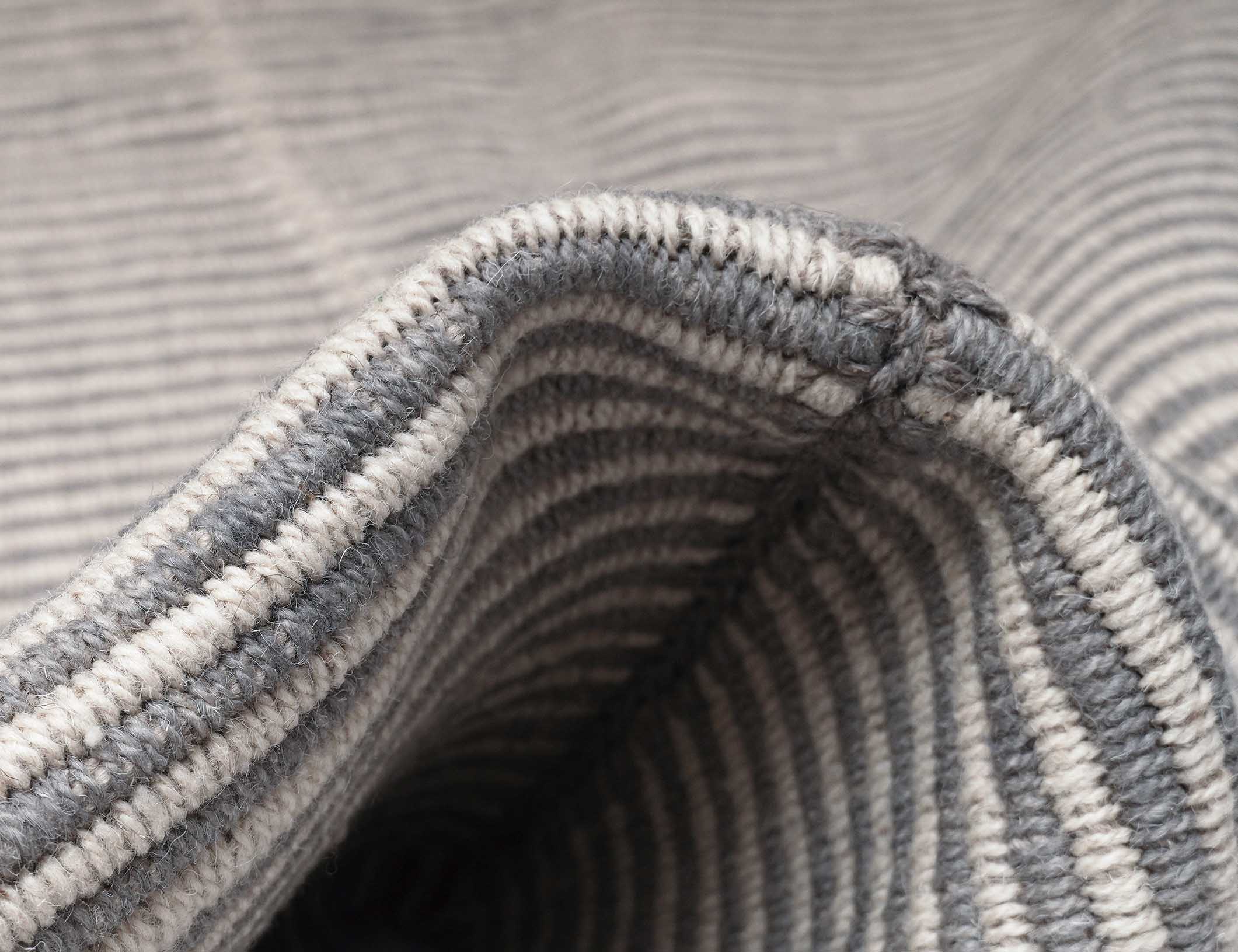
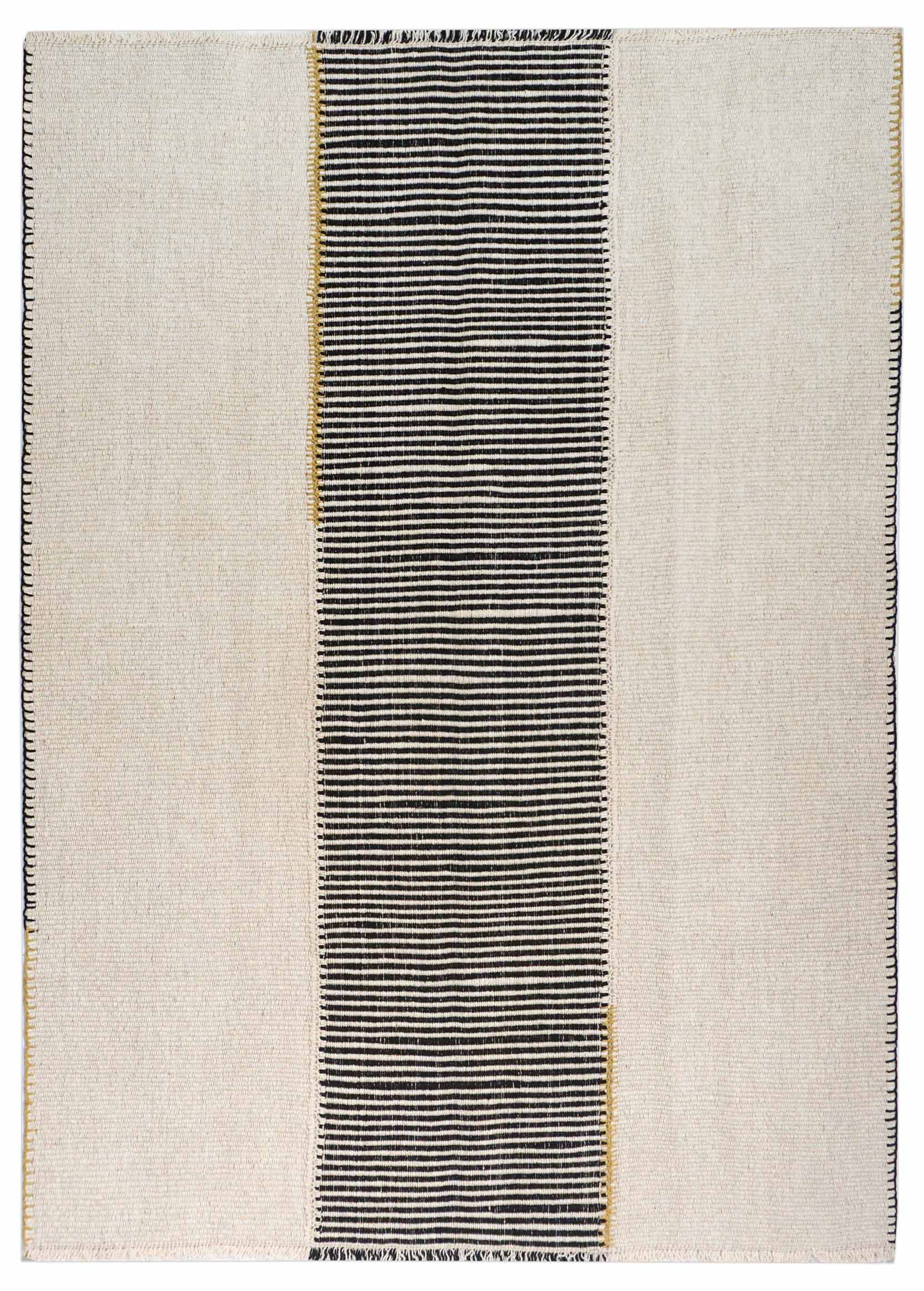
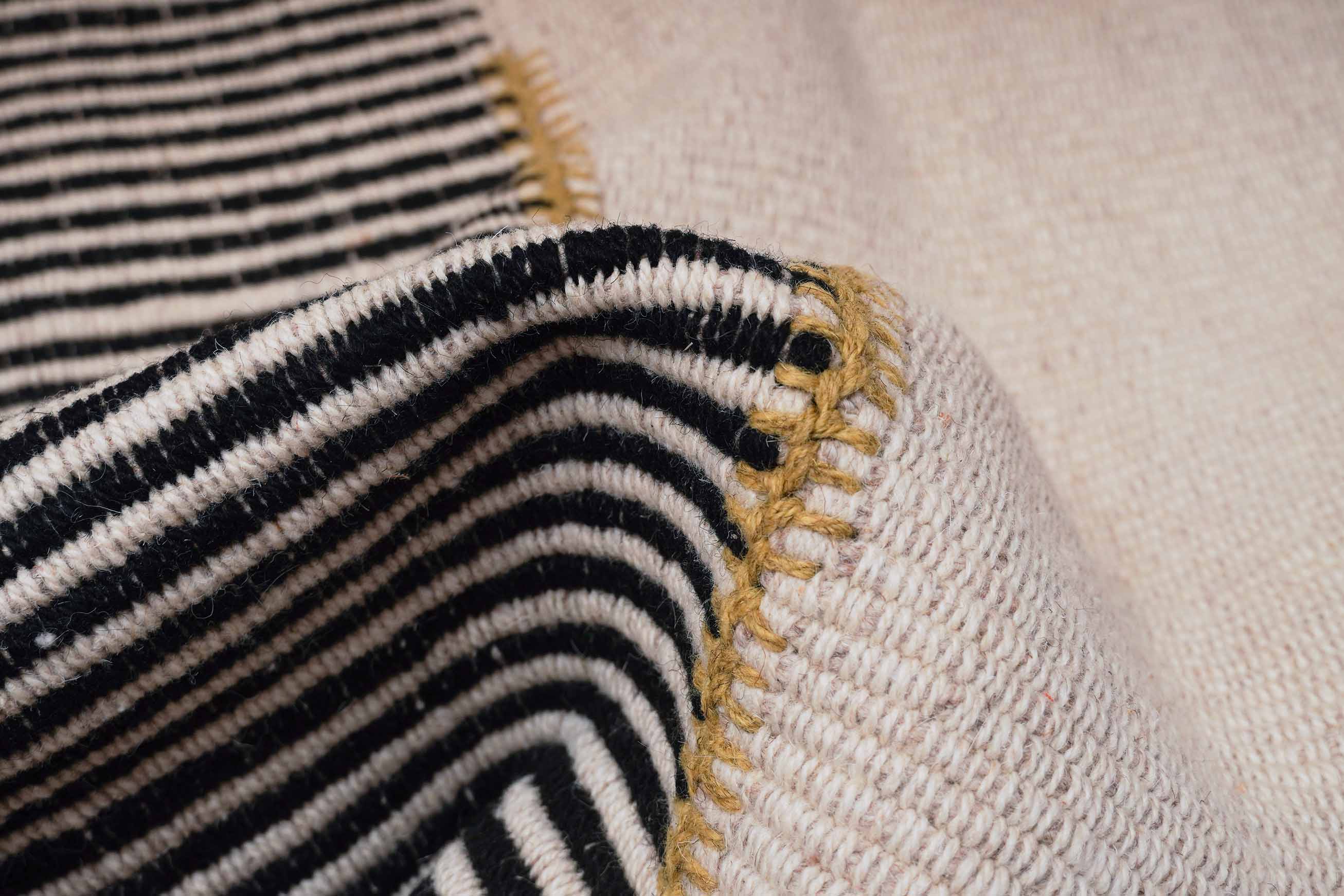
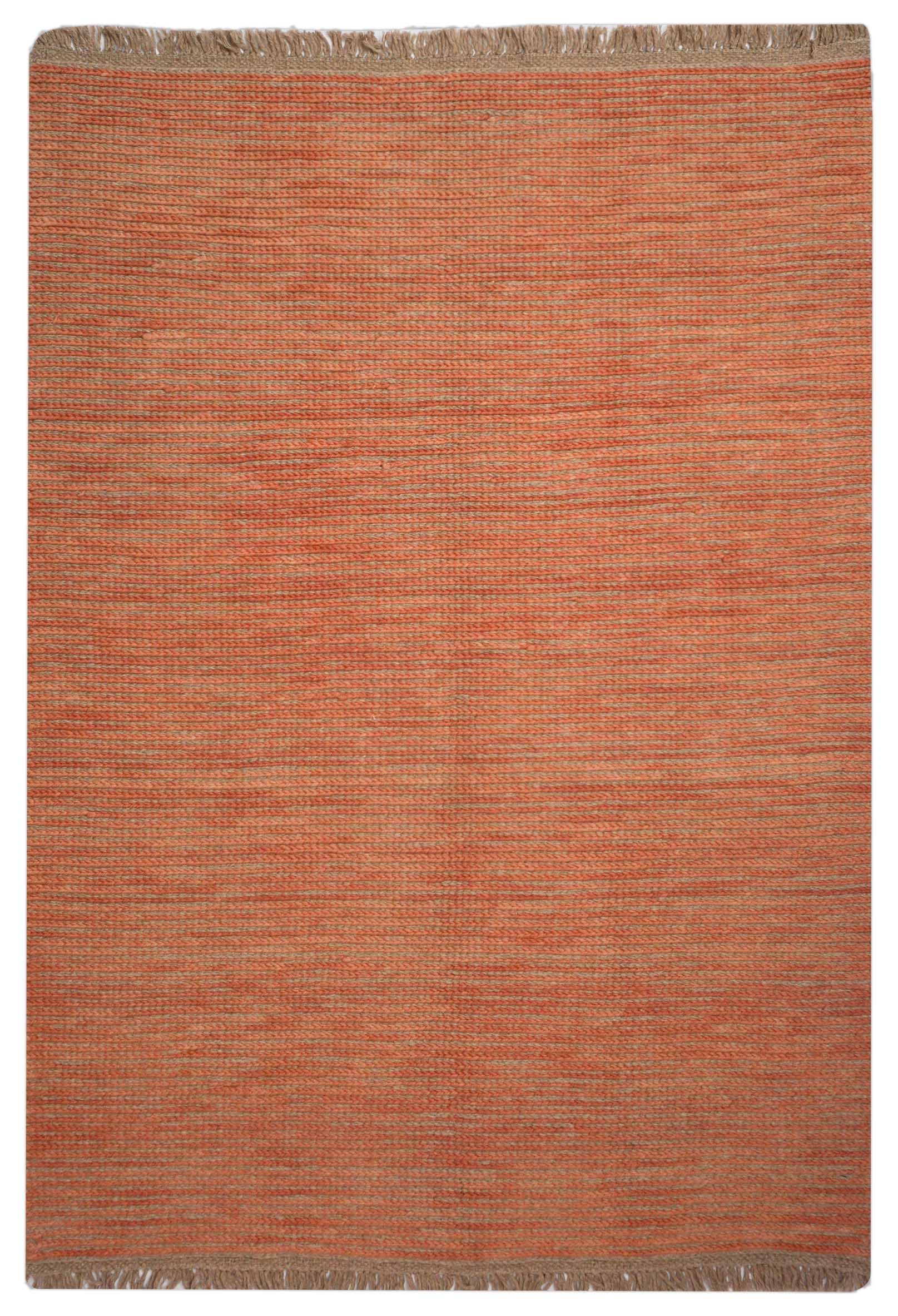
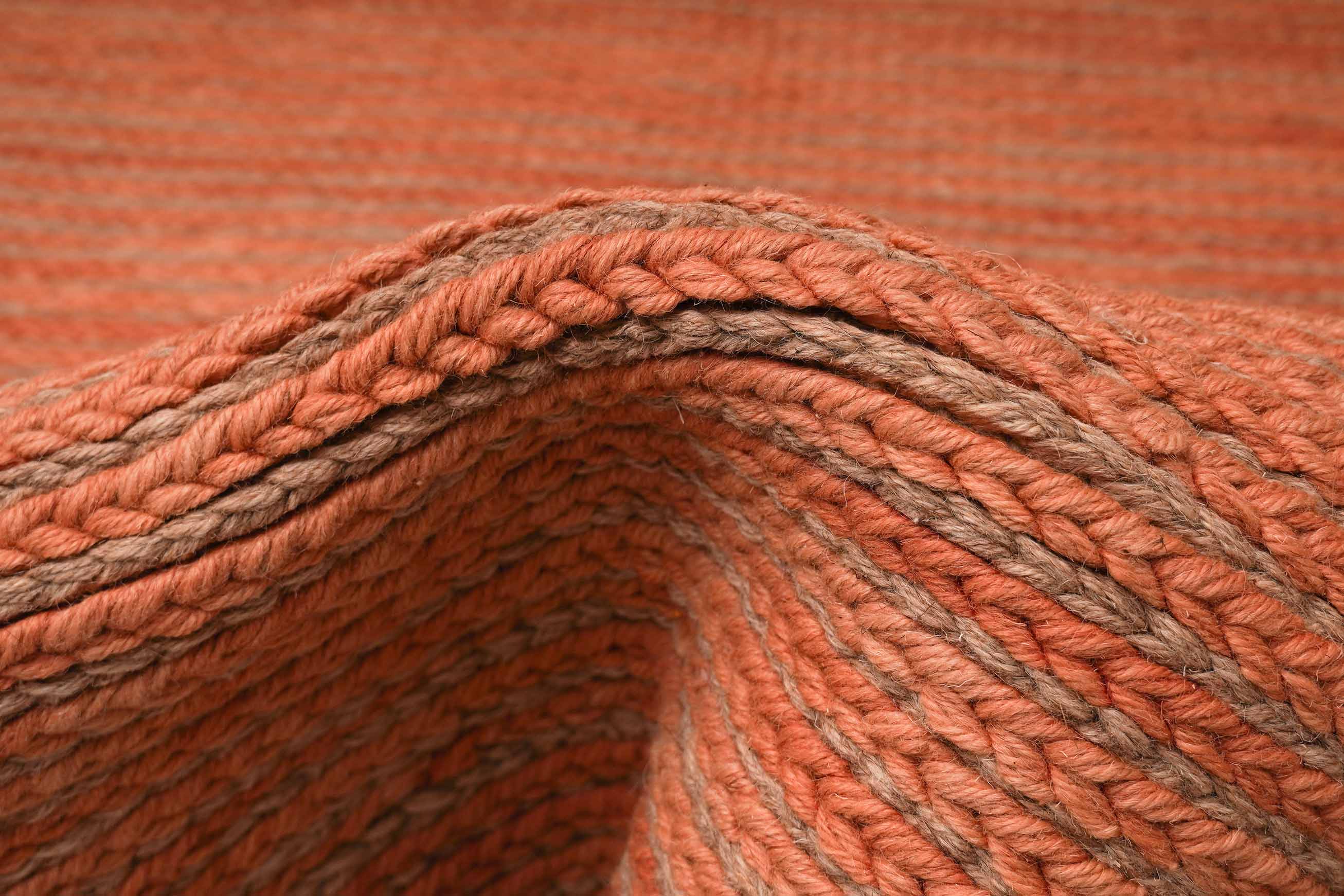
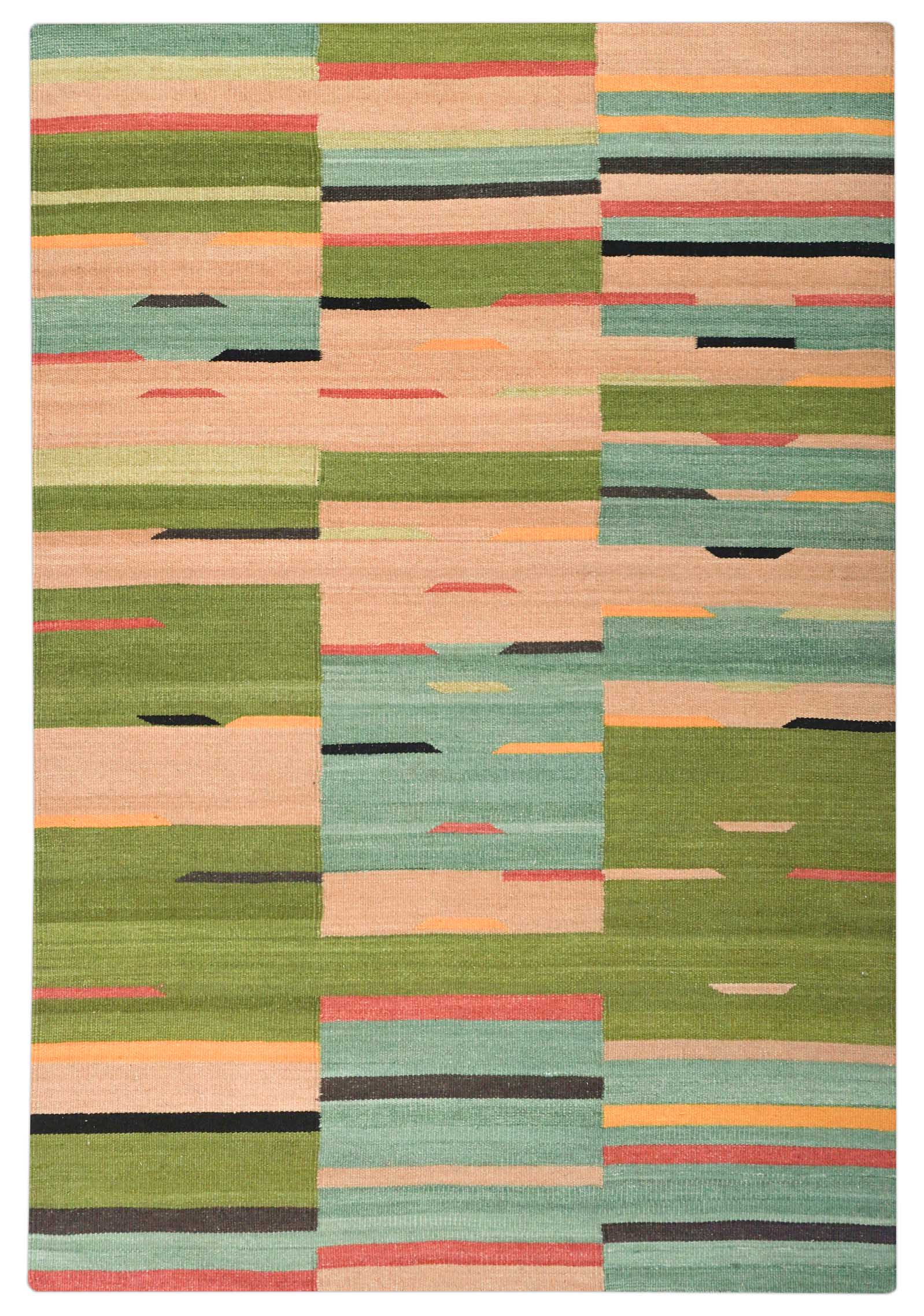

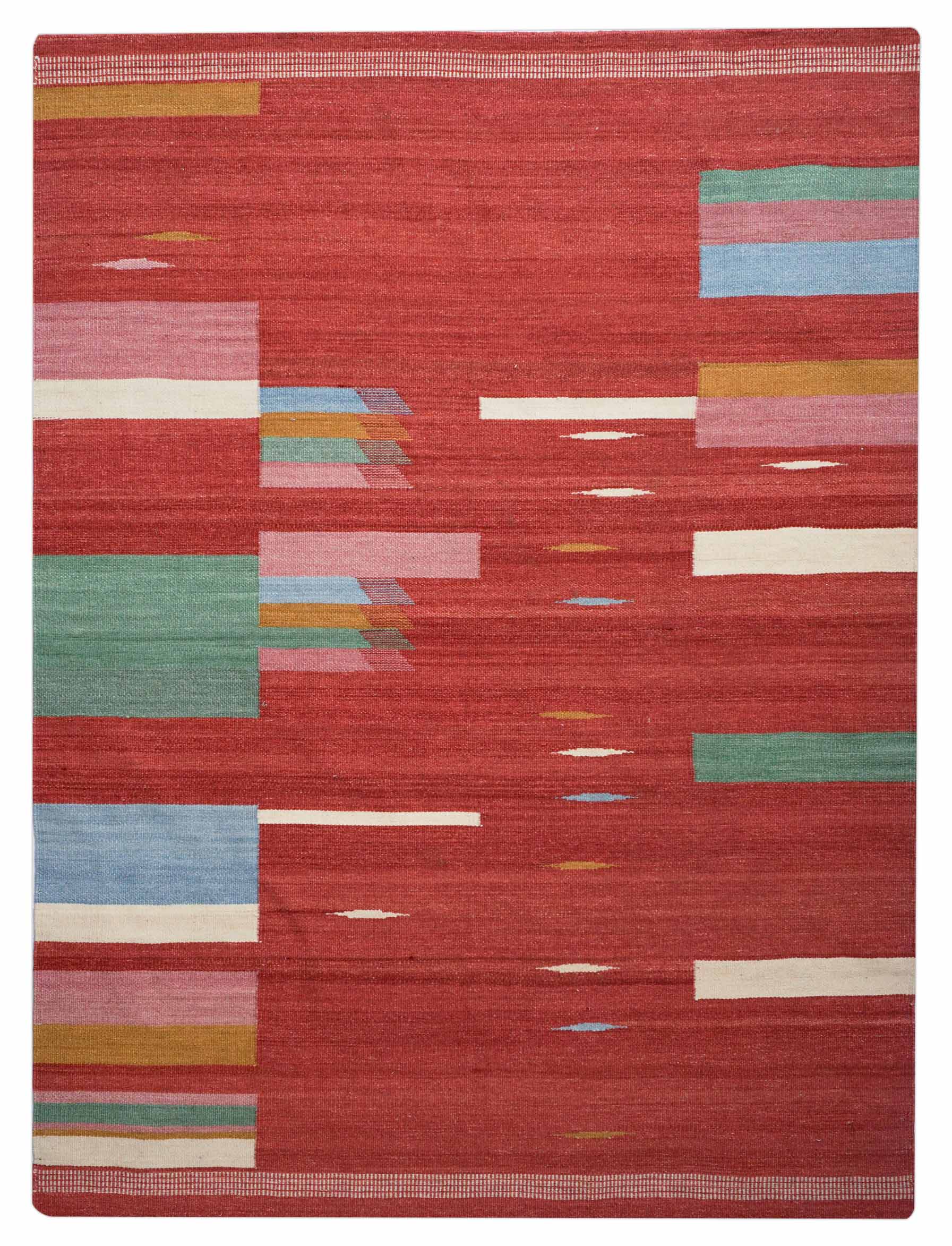
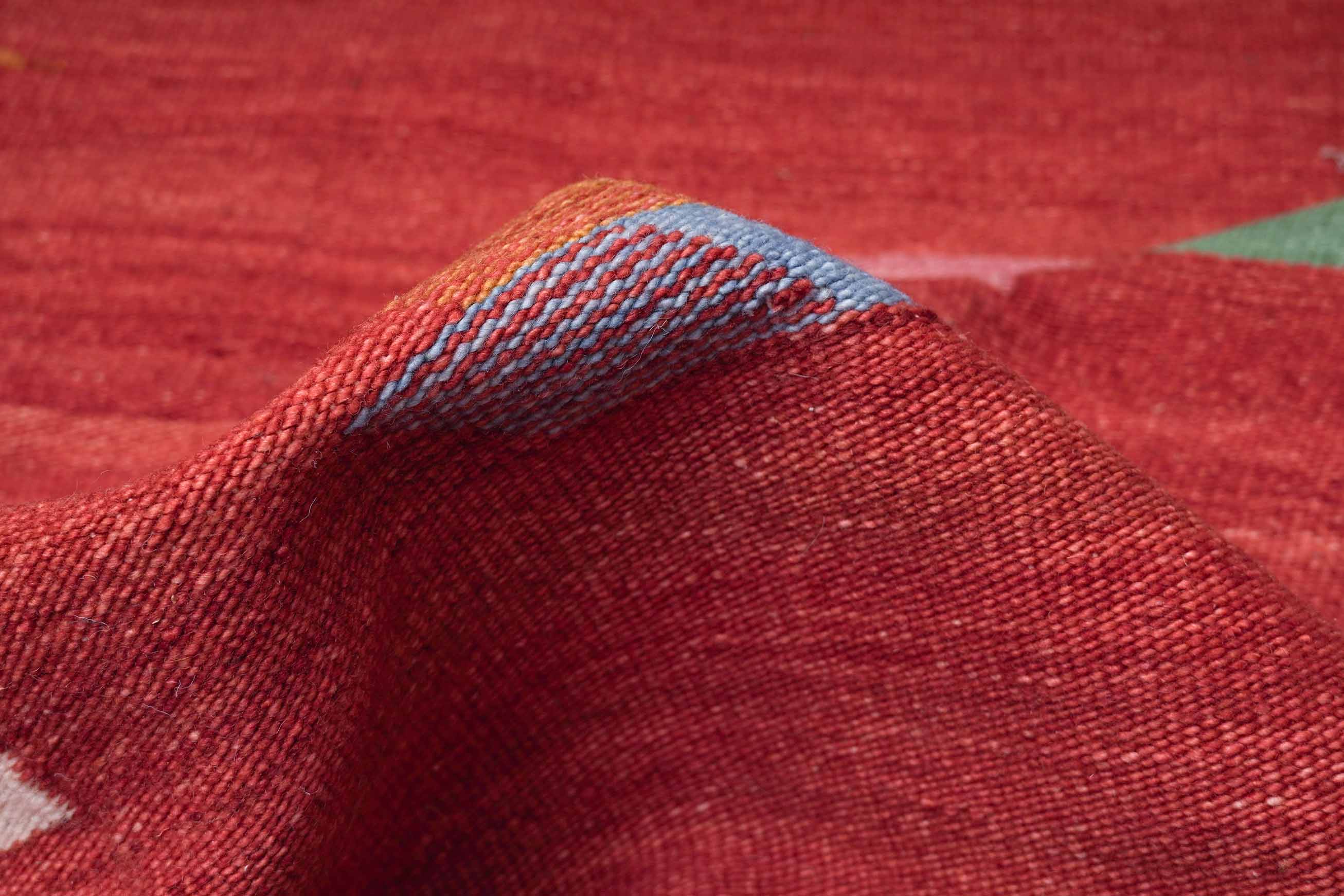


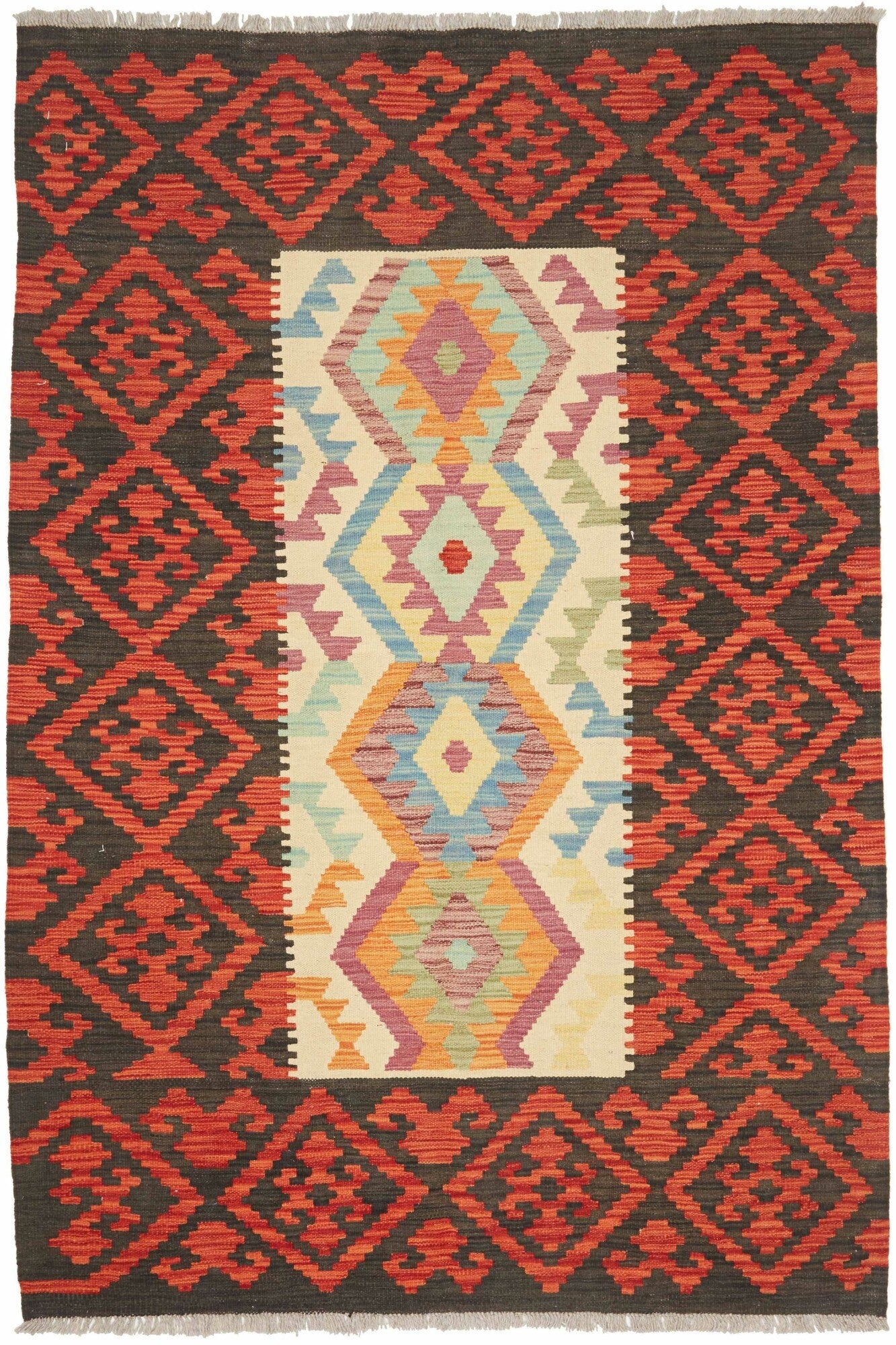
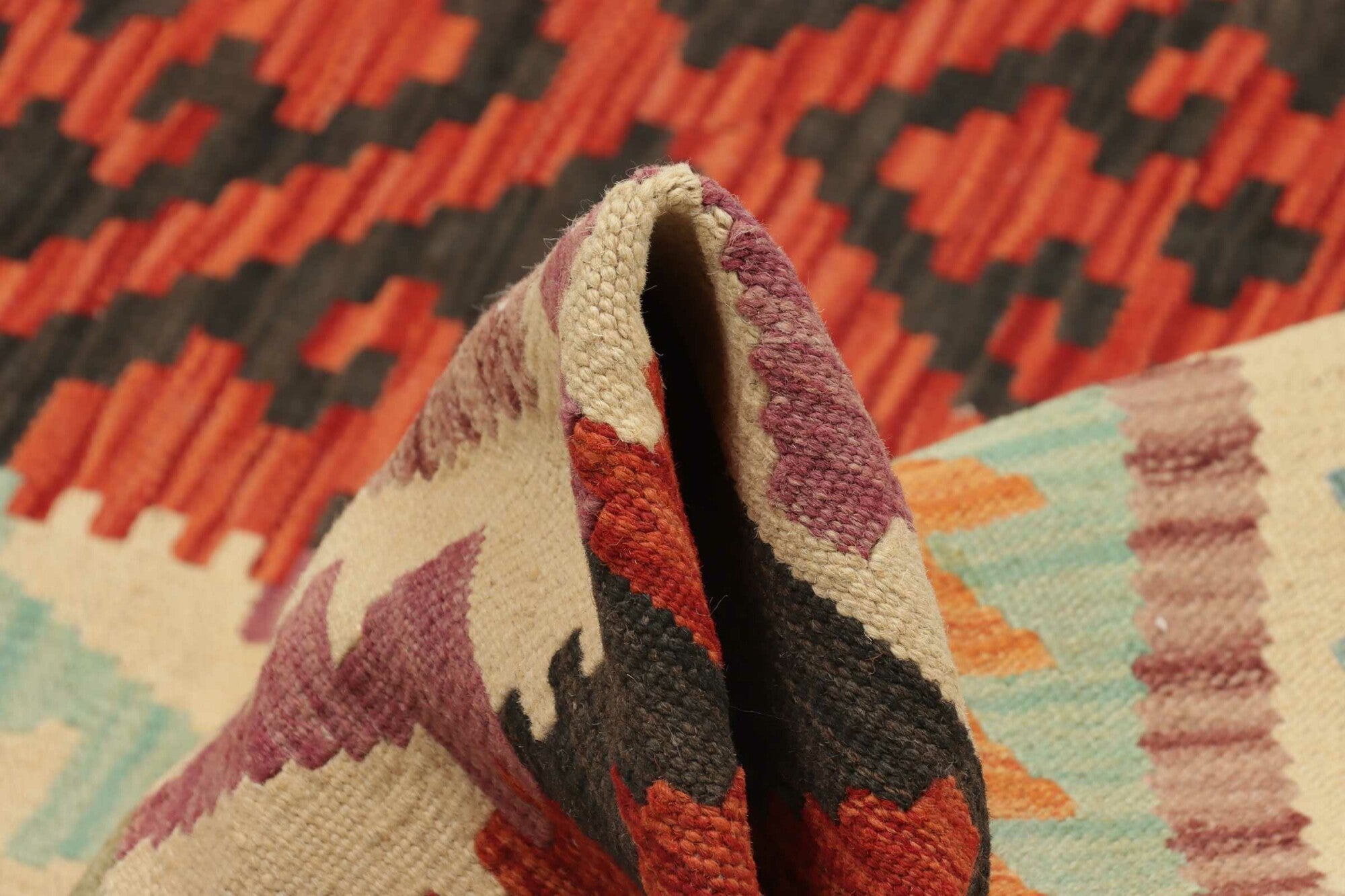
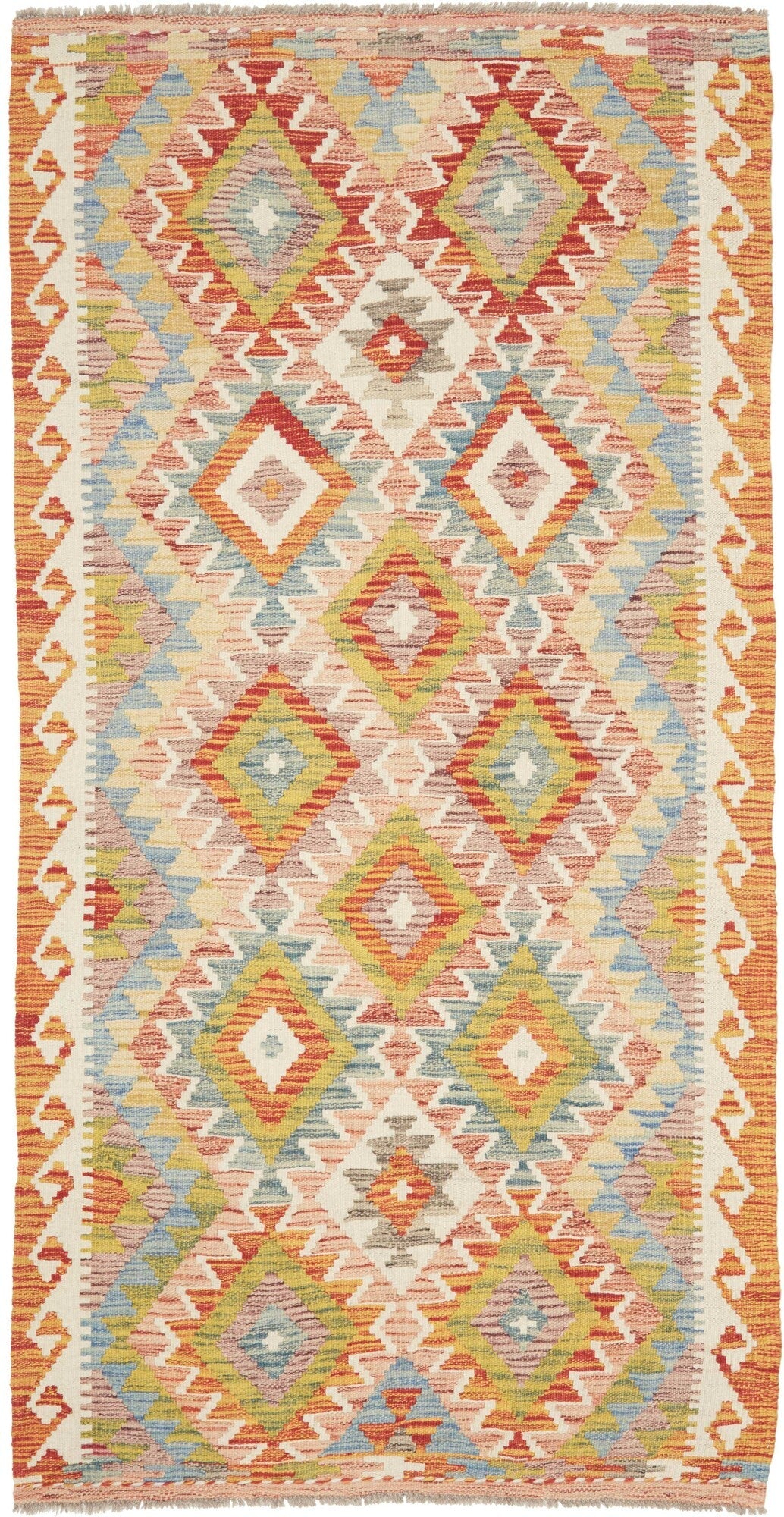
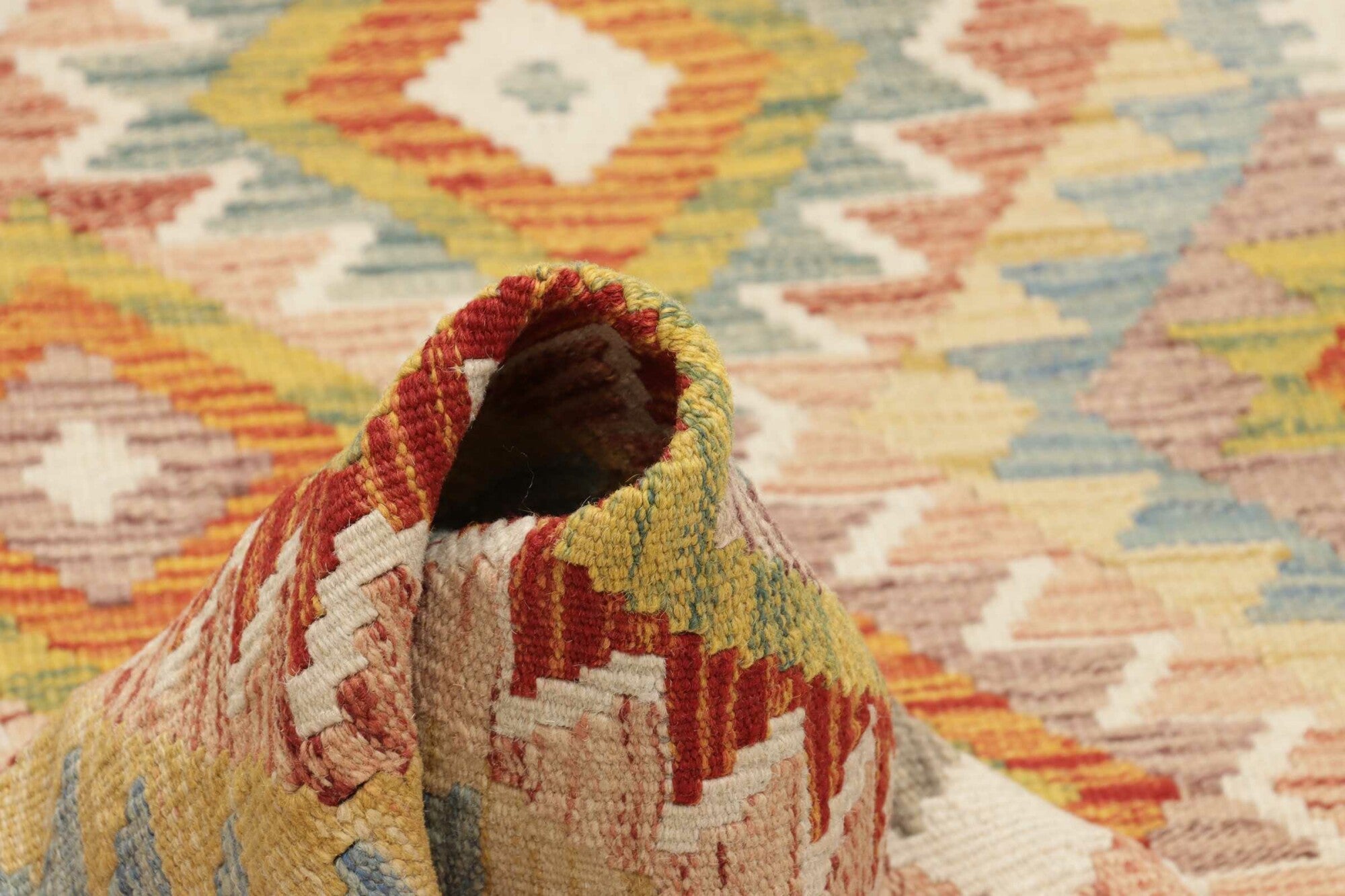
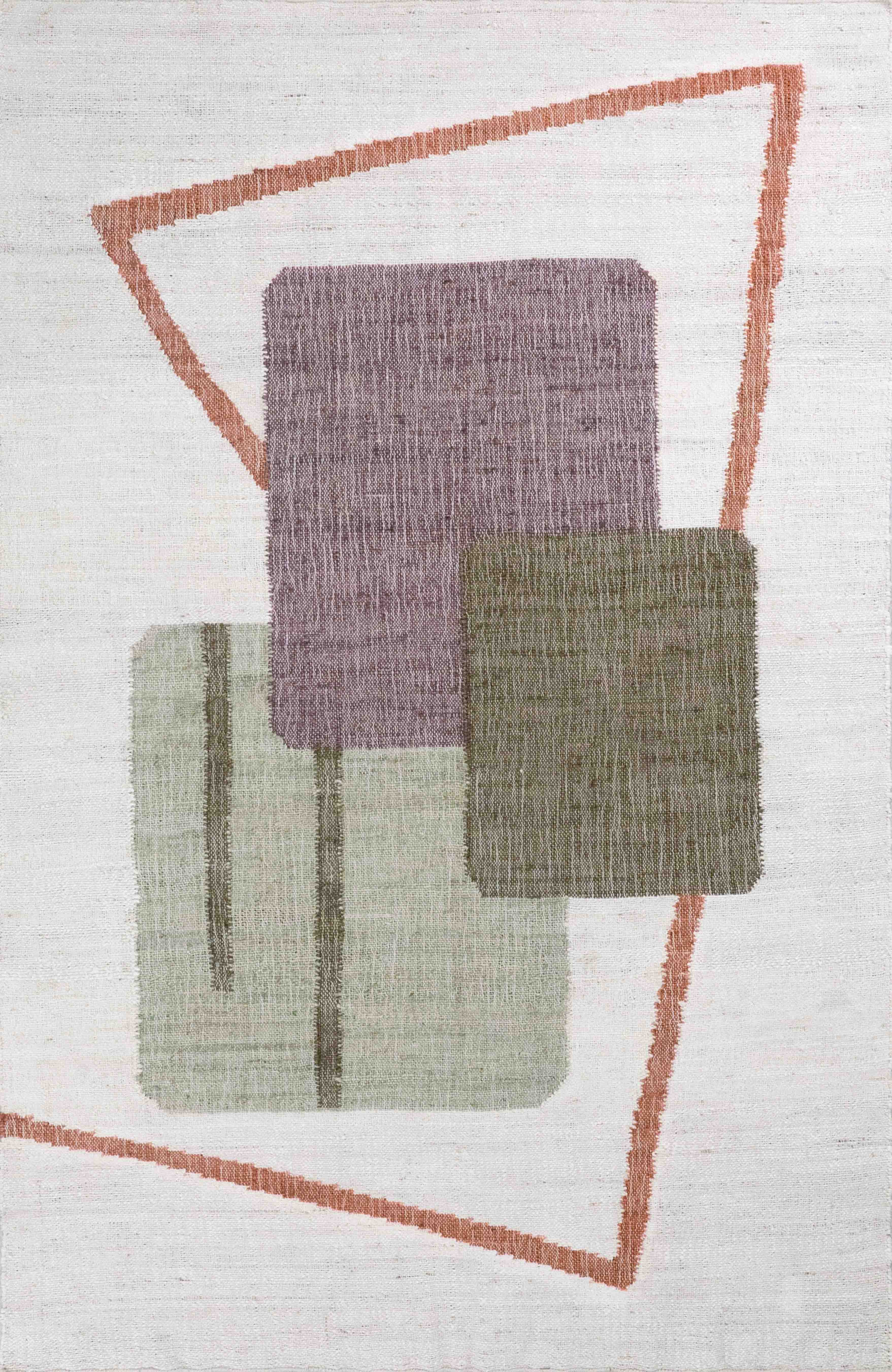
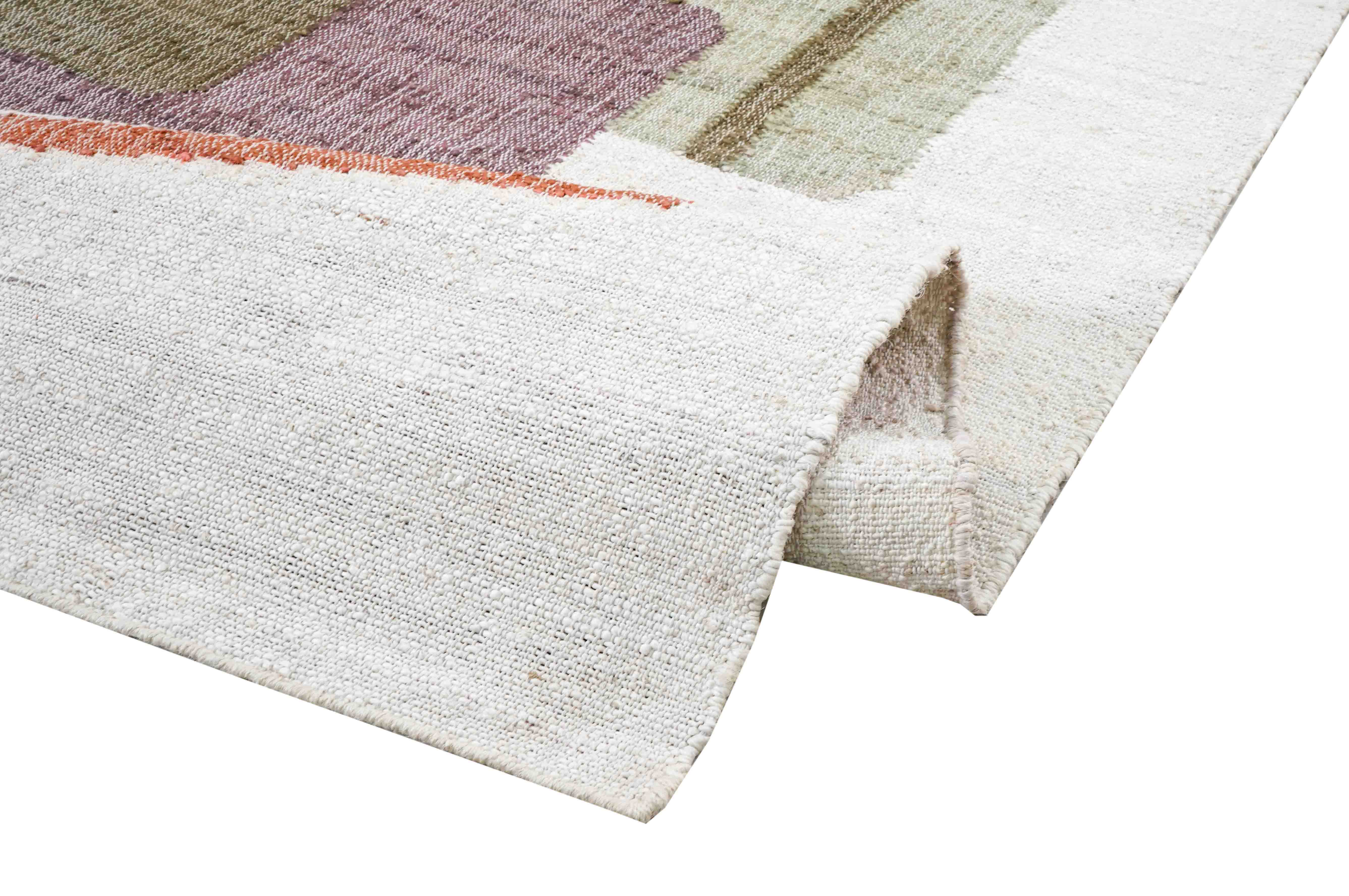
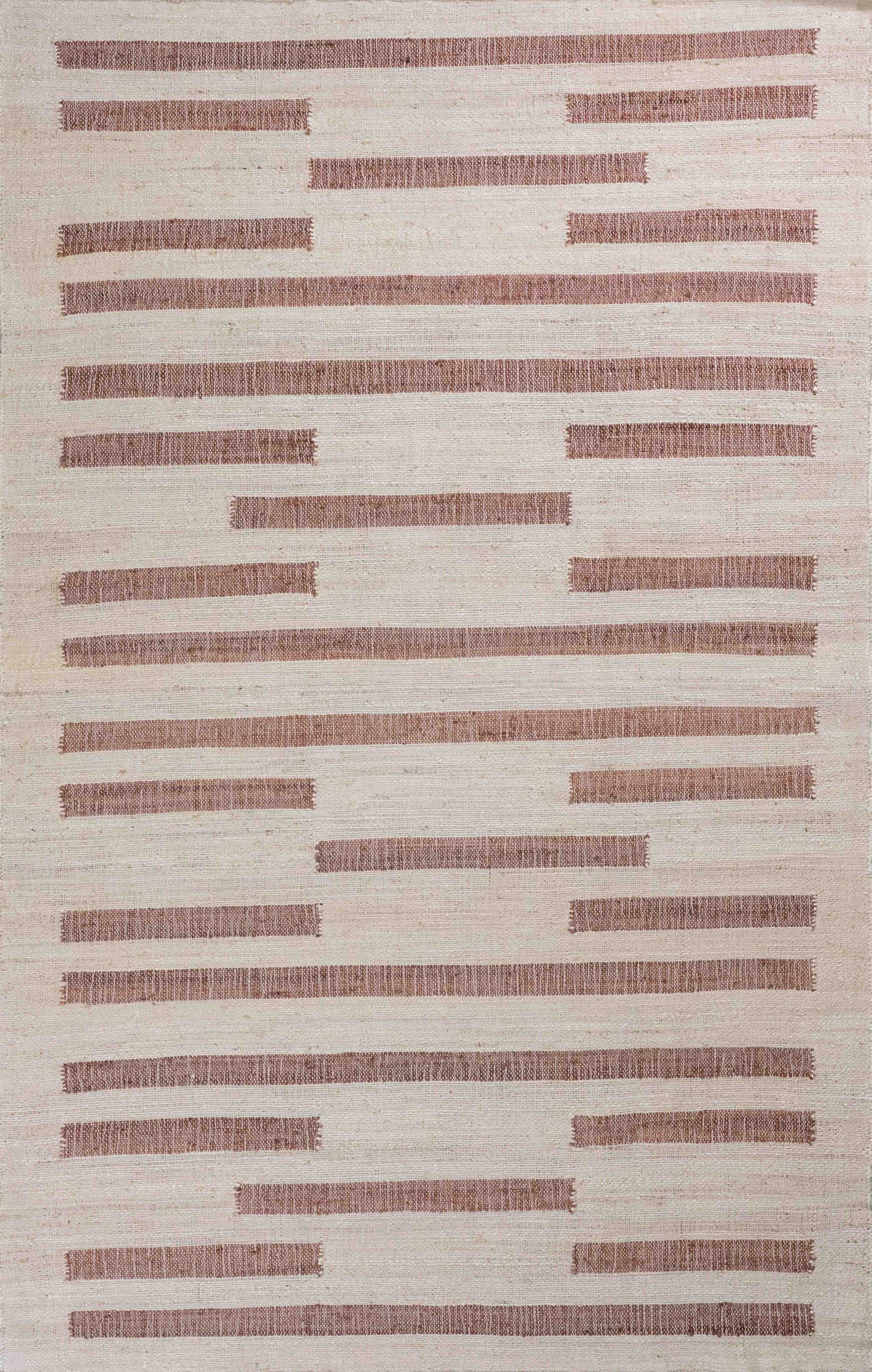
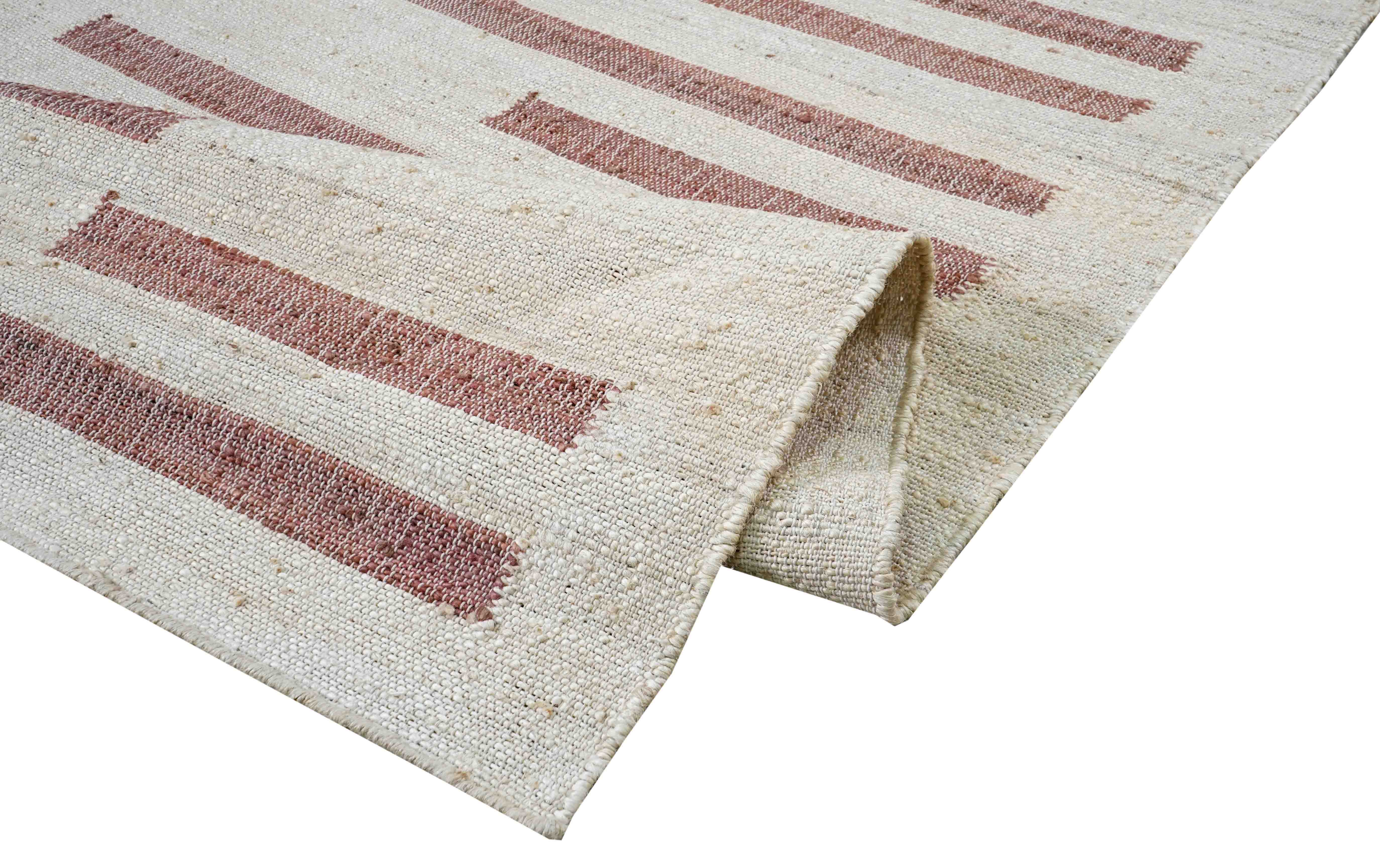
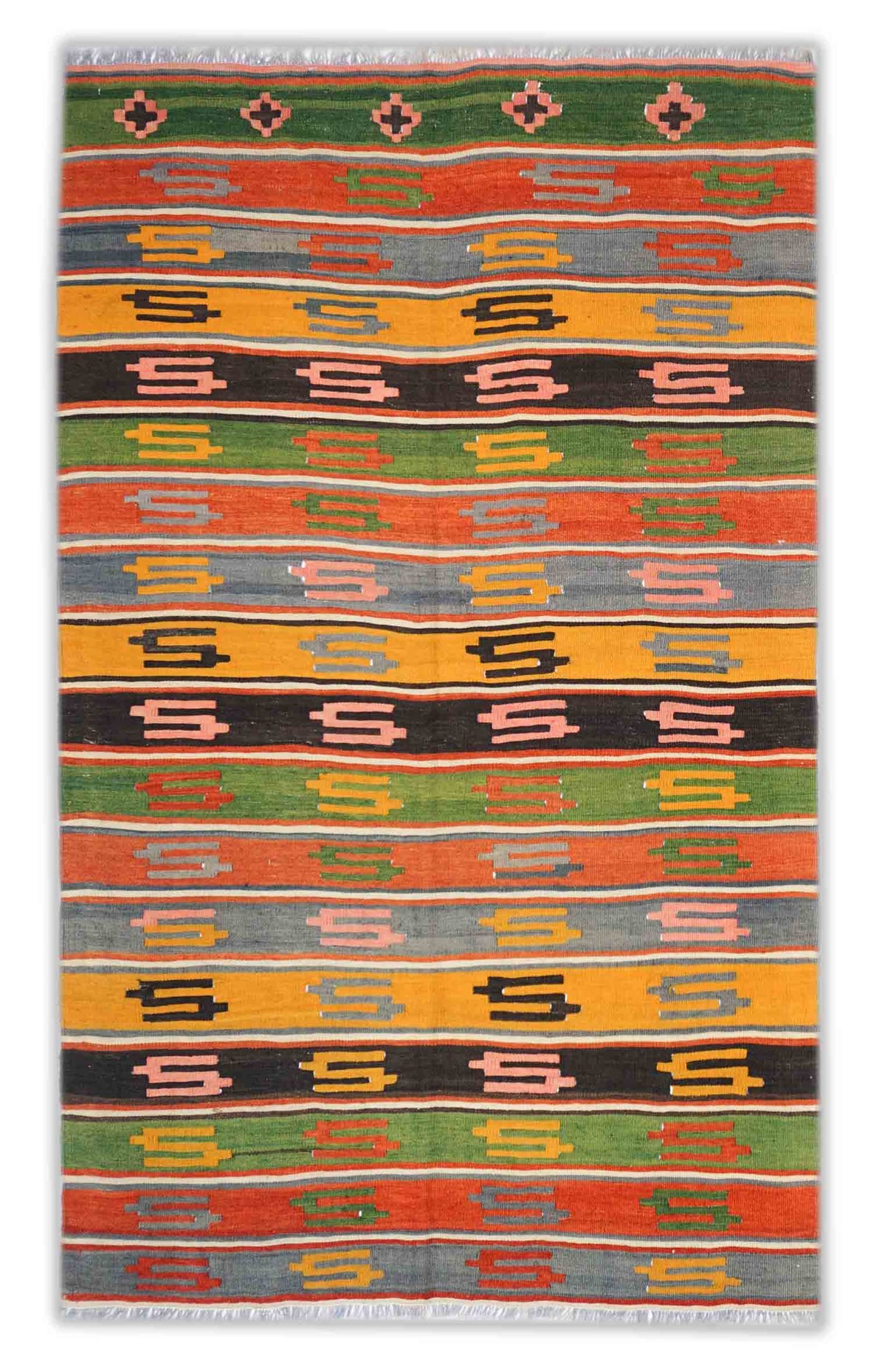
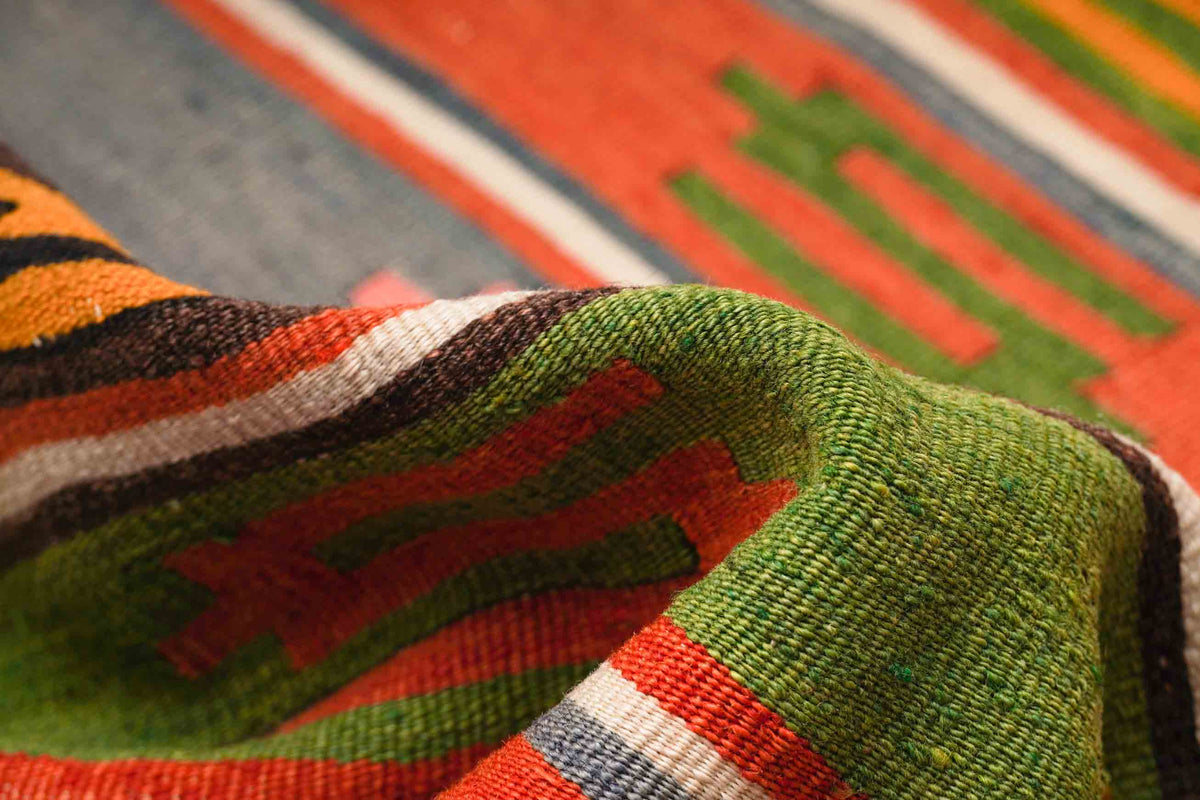
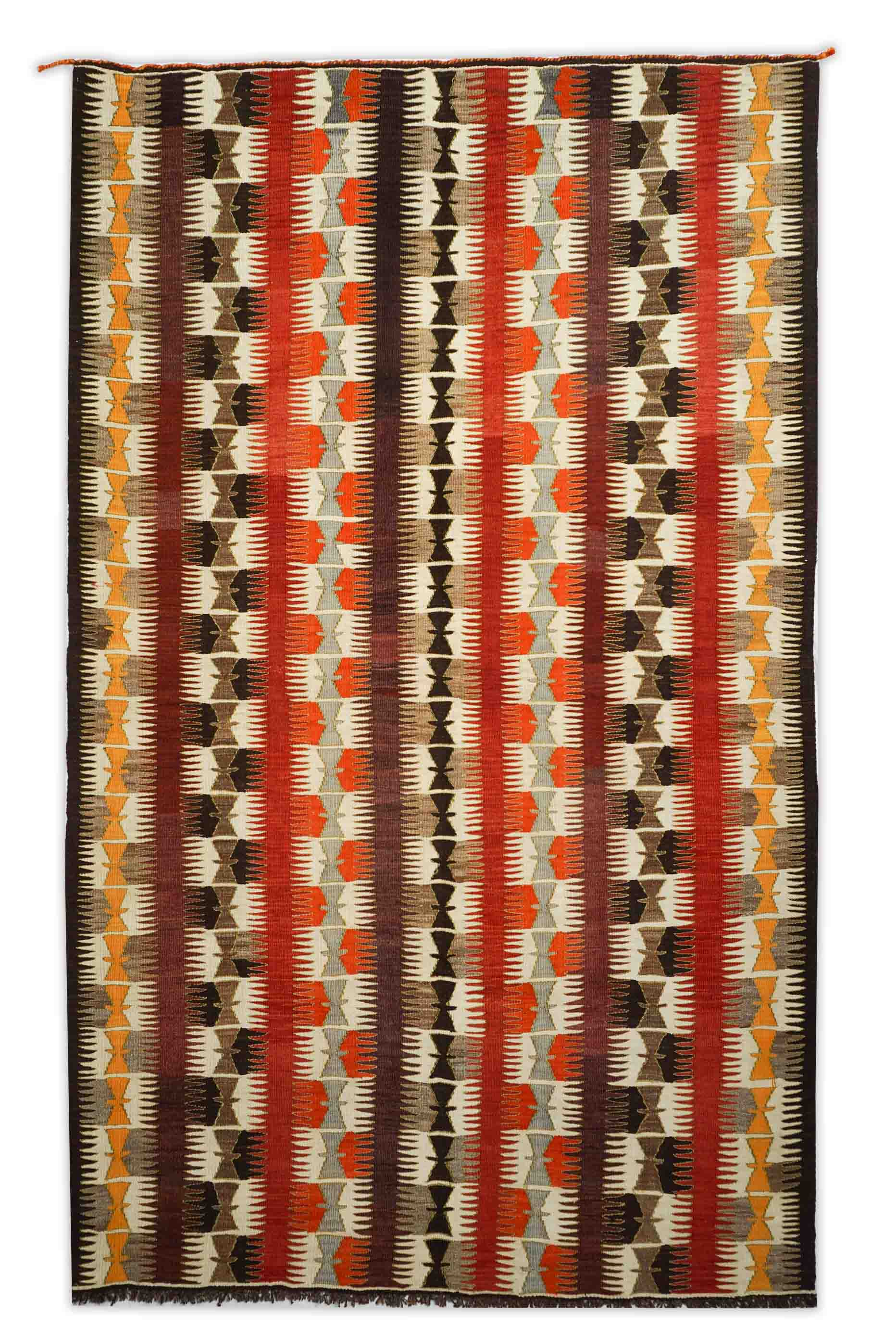
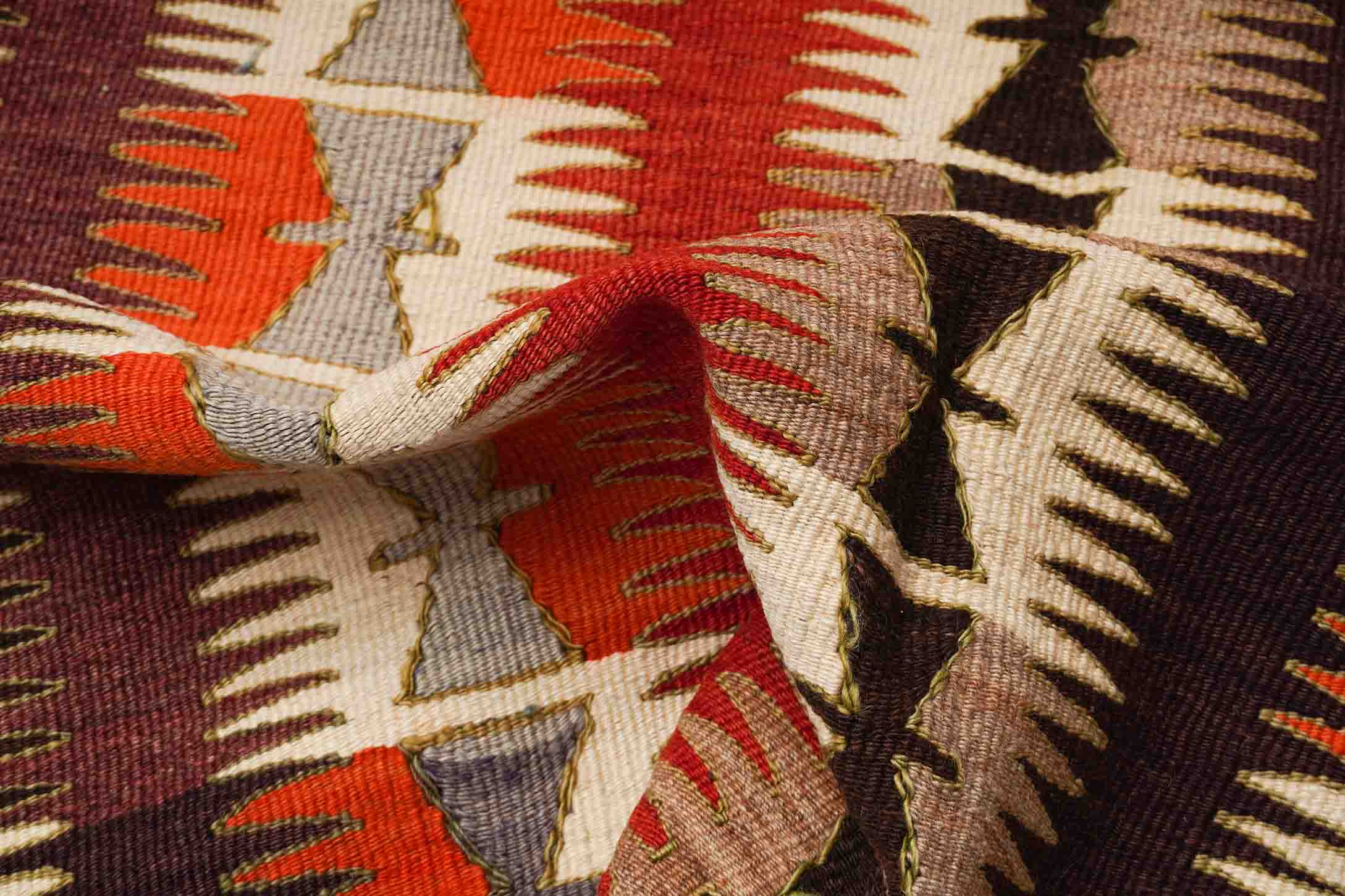
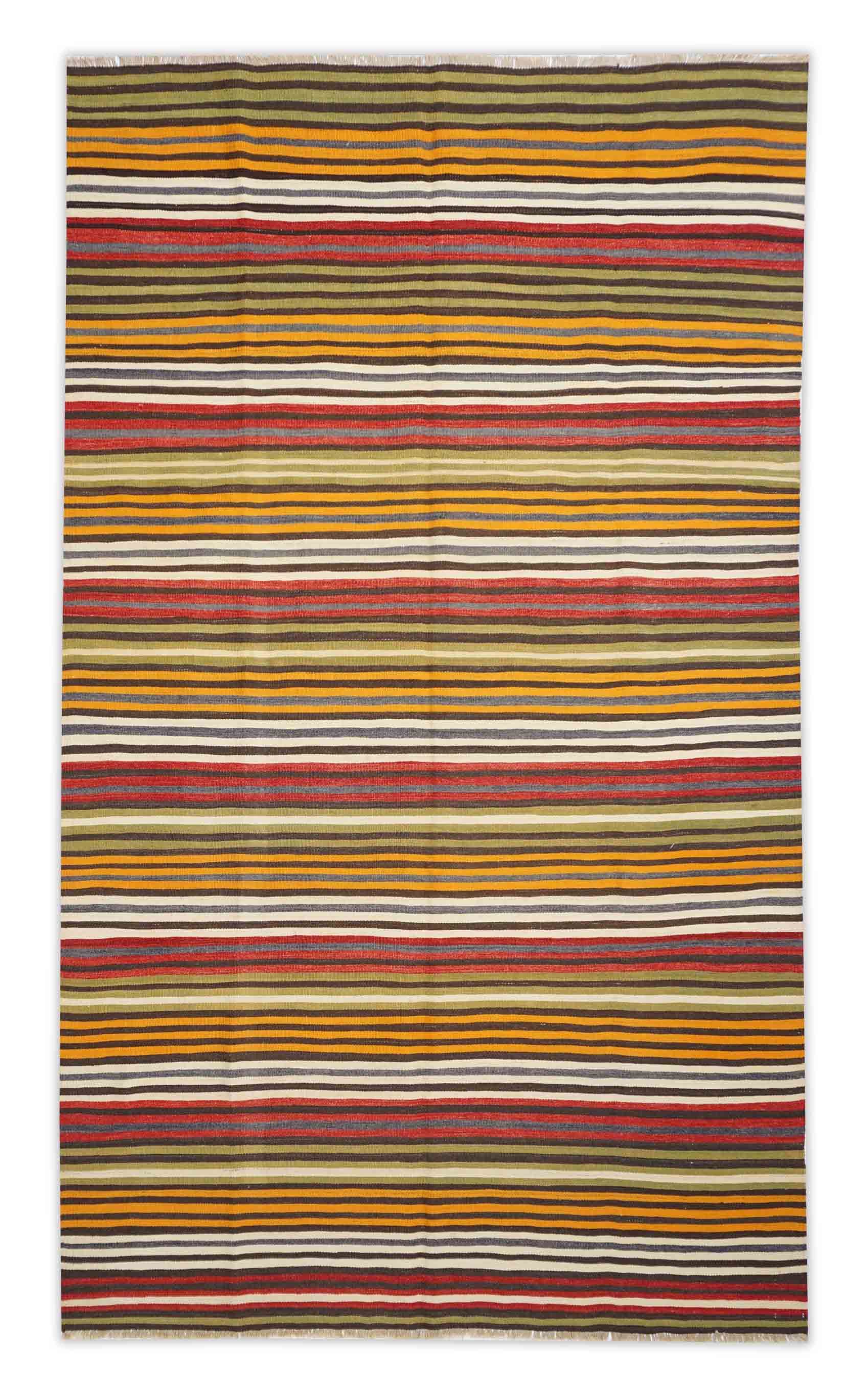
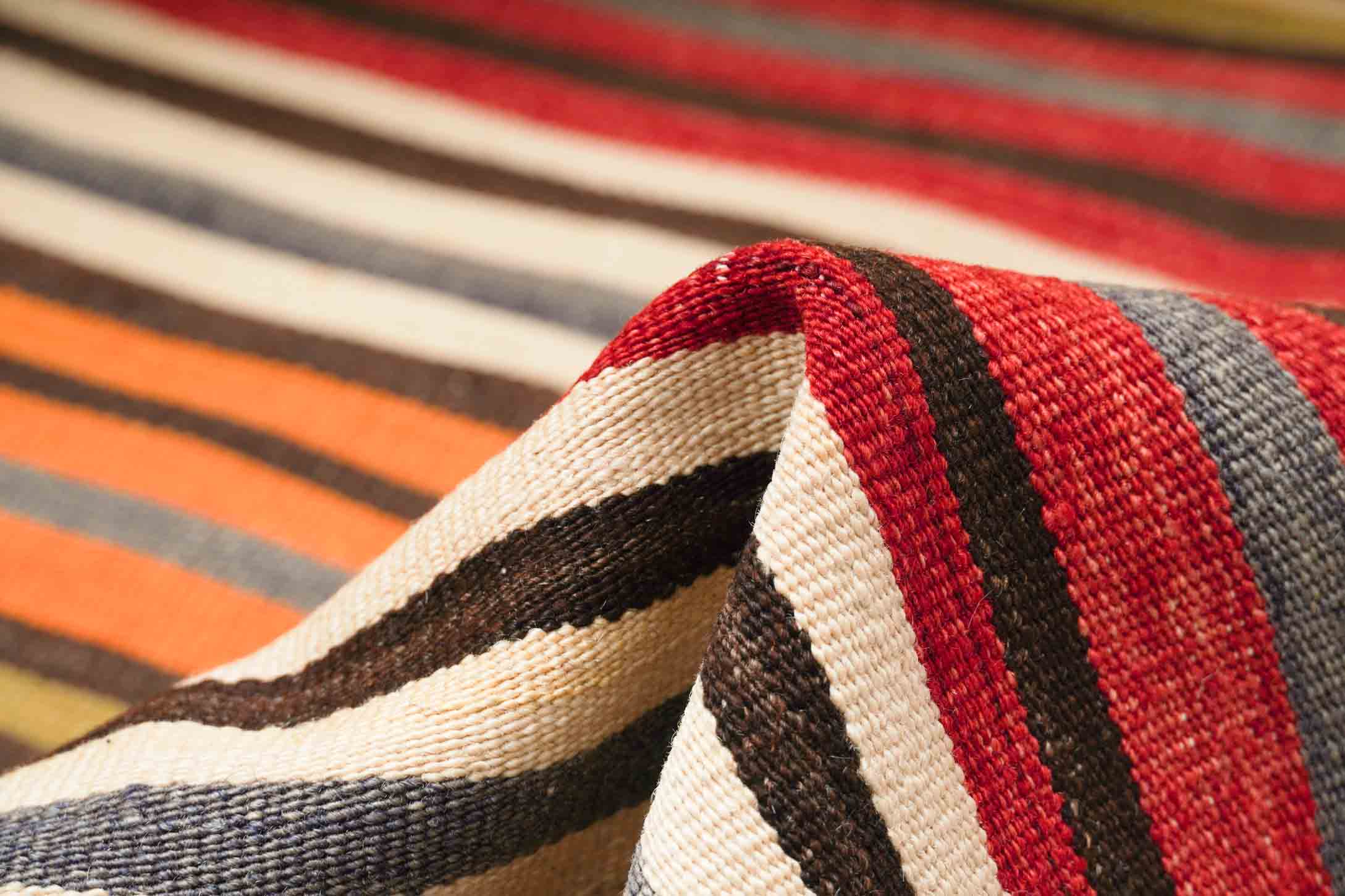
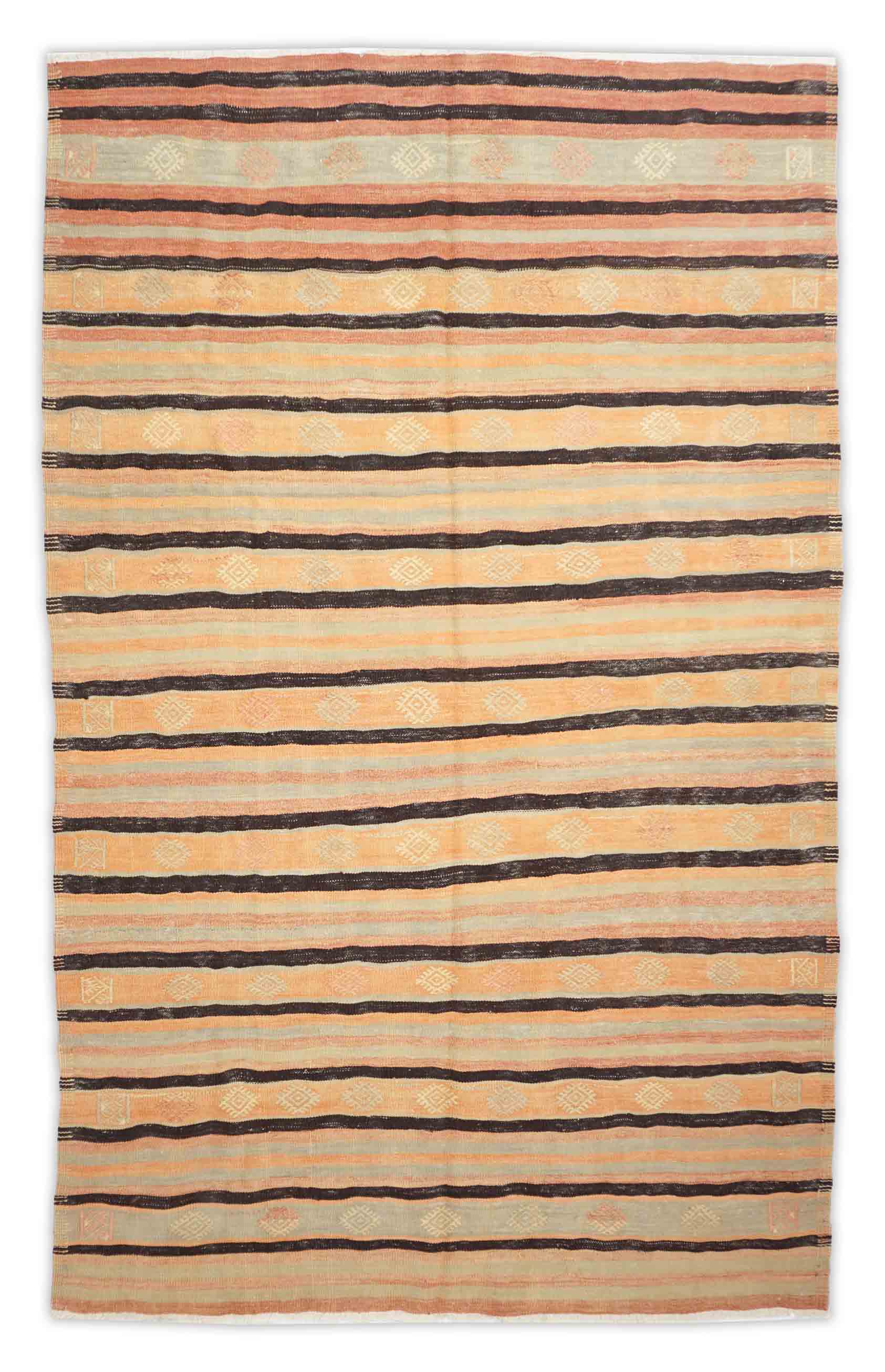
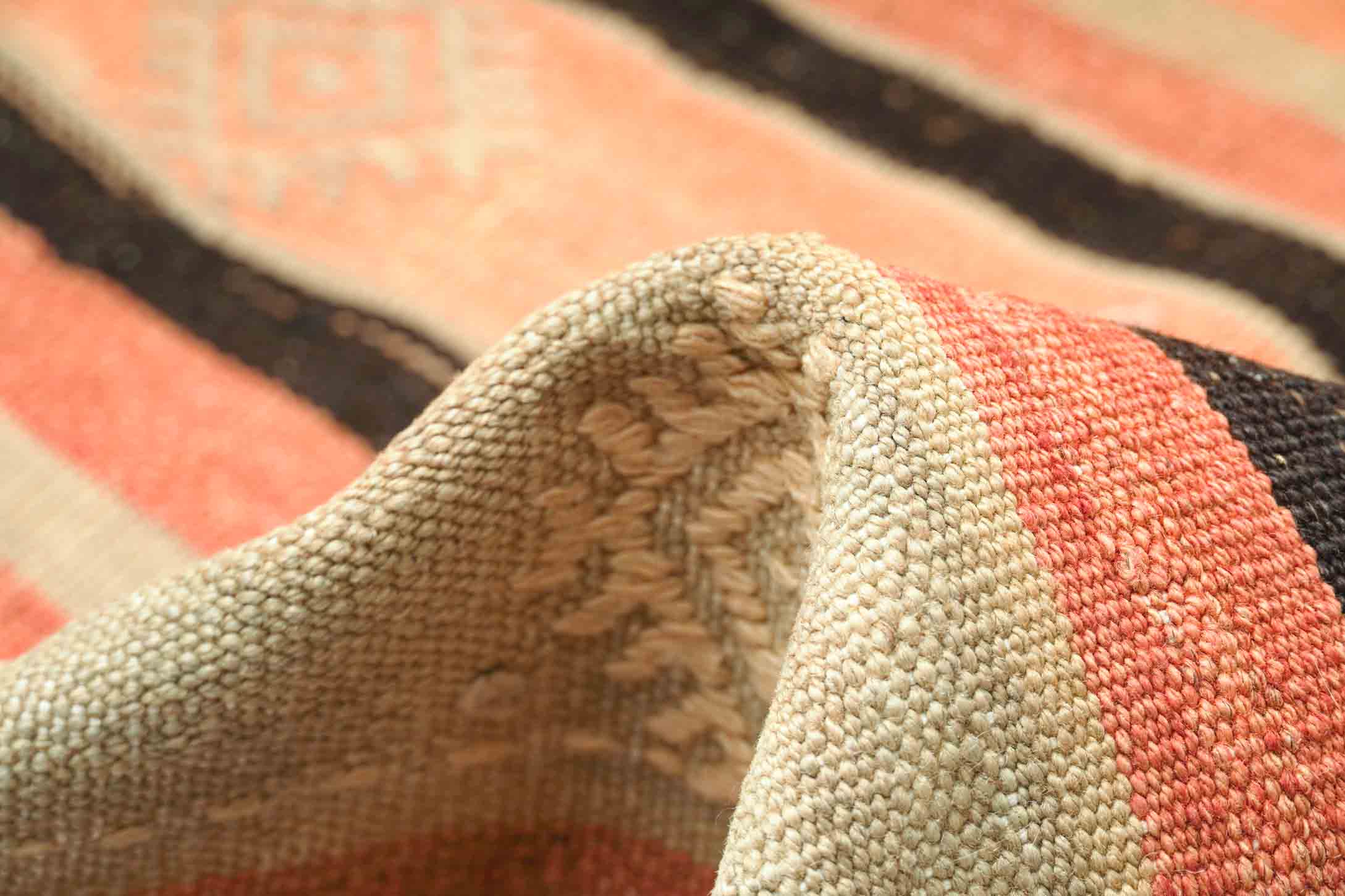
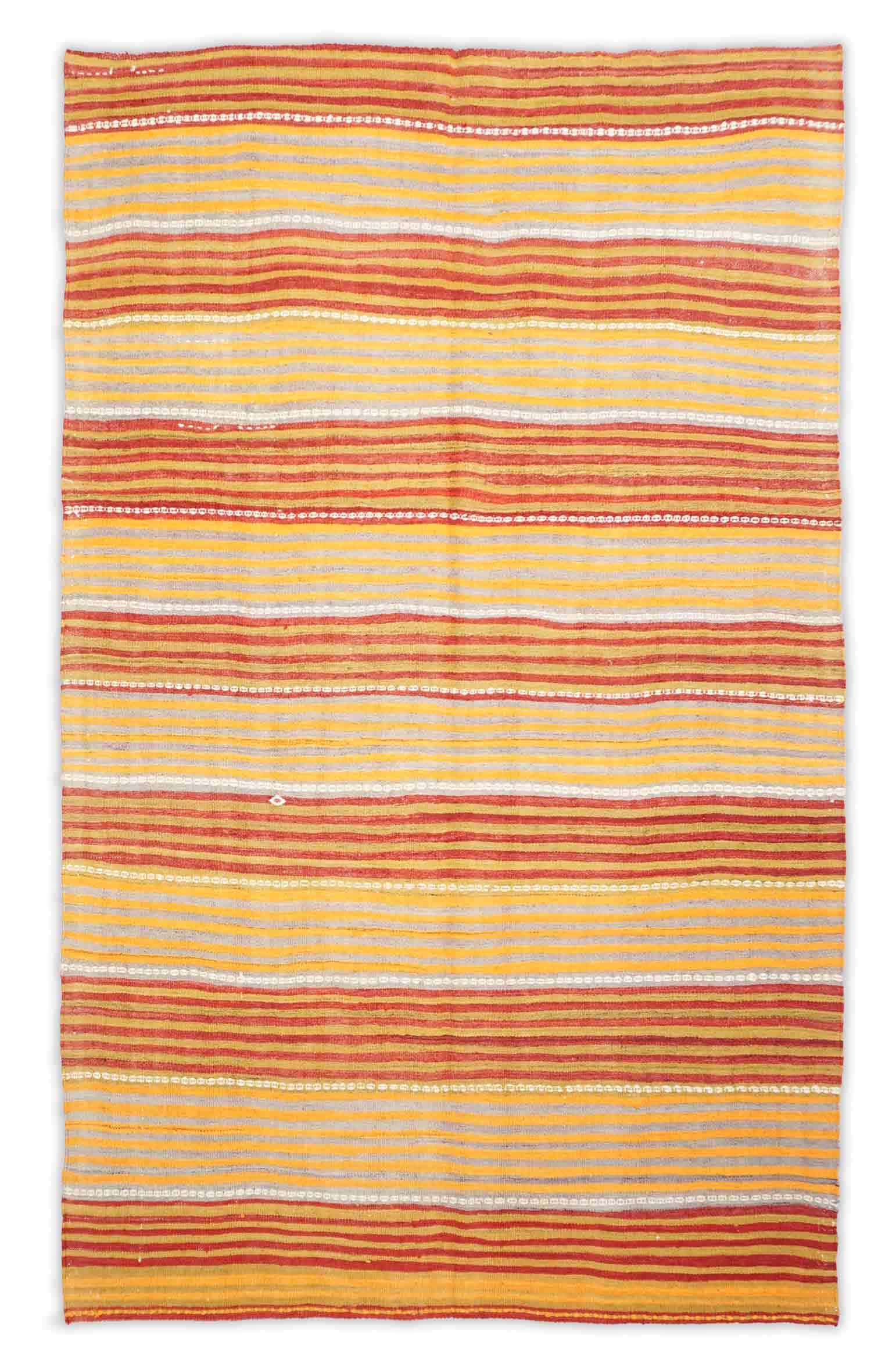
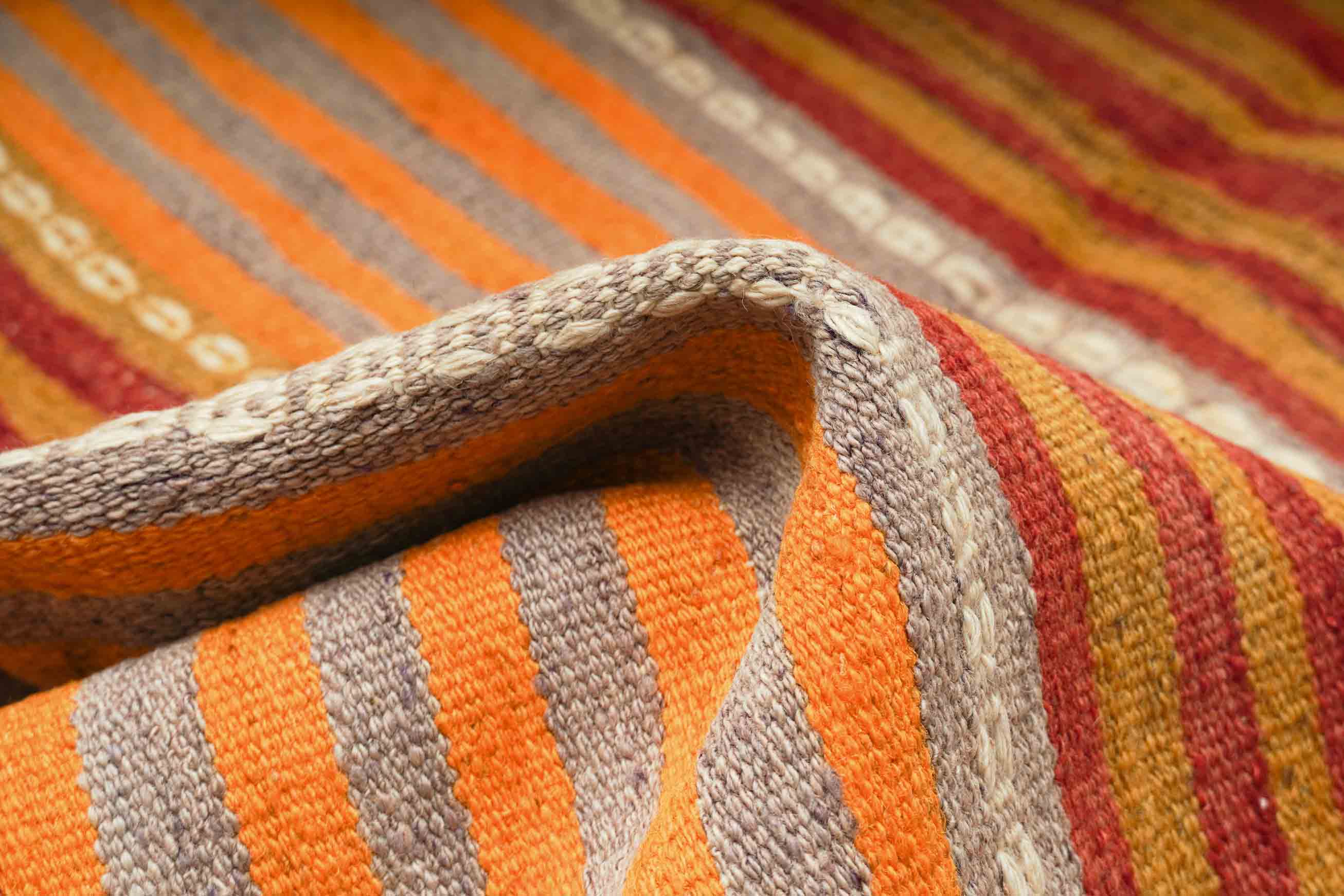
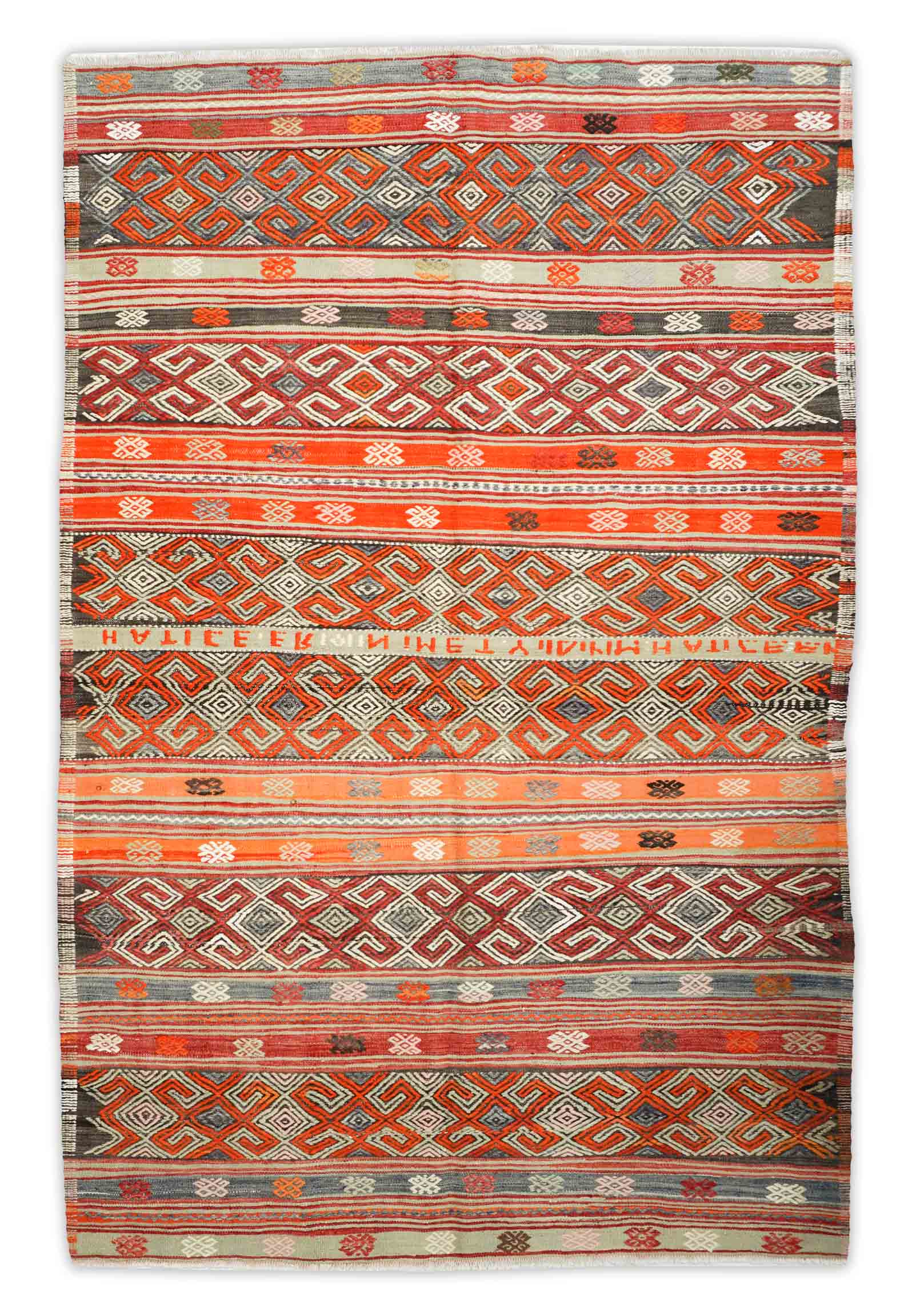
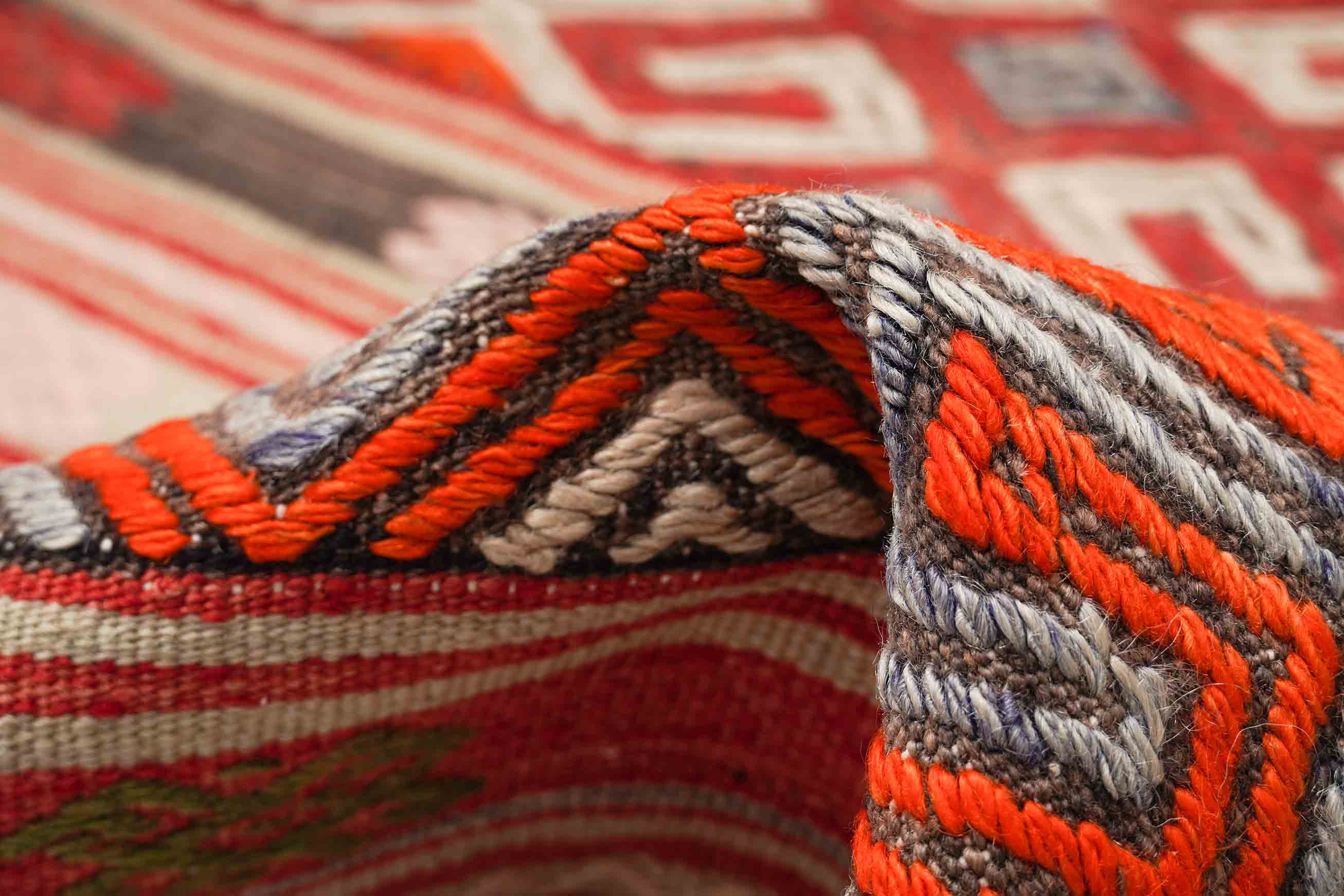
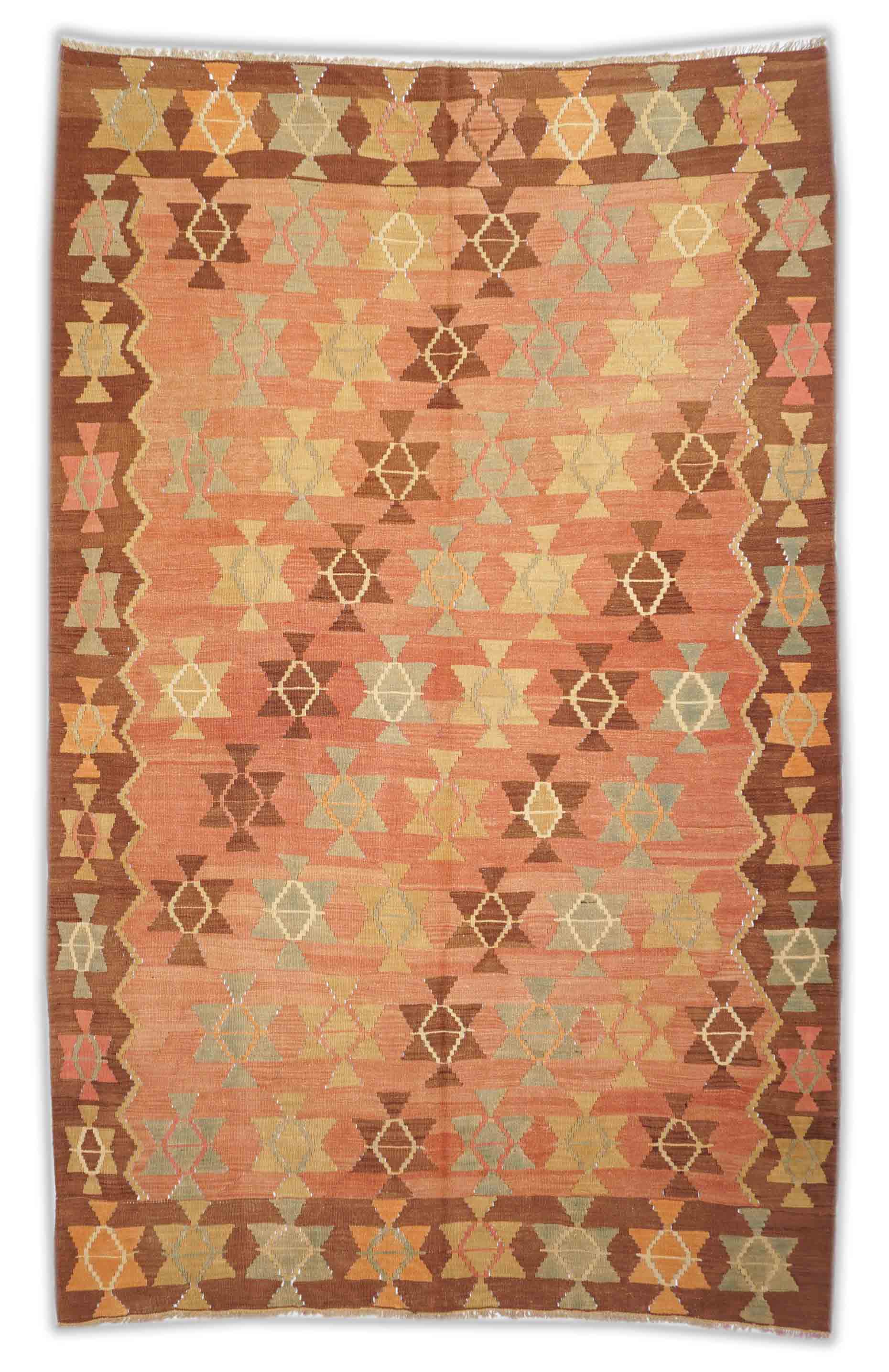
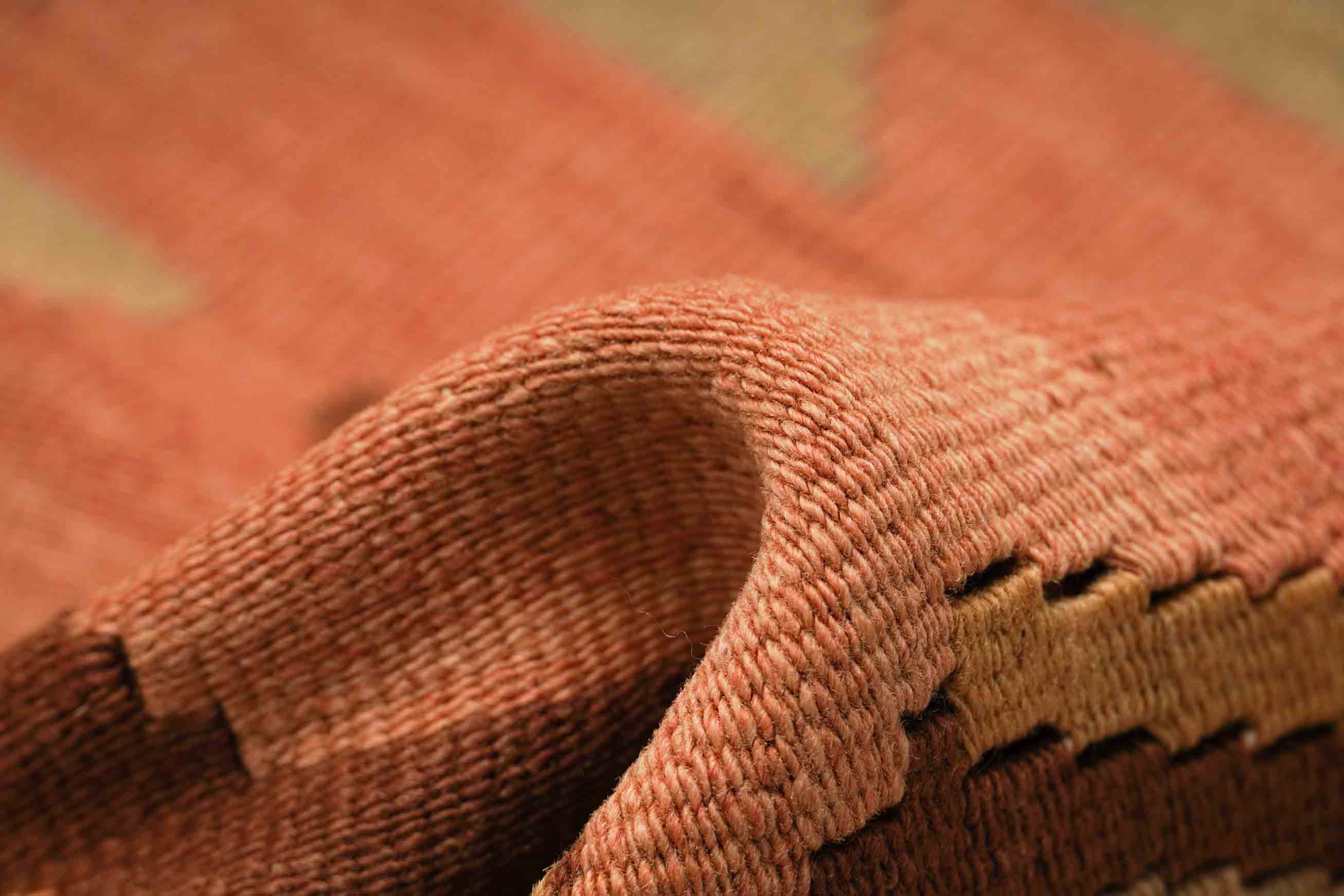
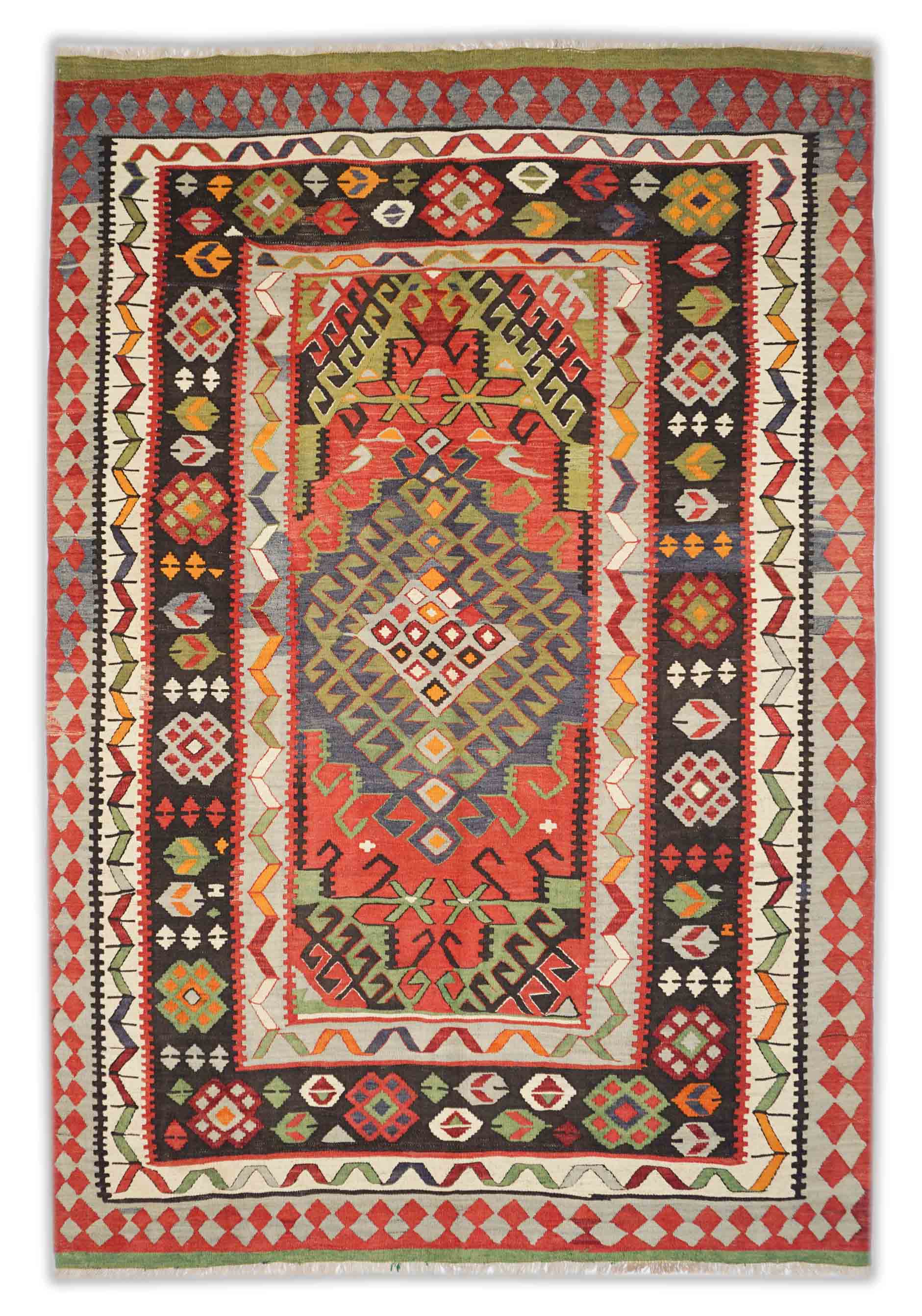
The perfect rug for your living room
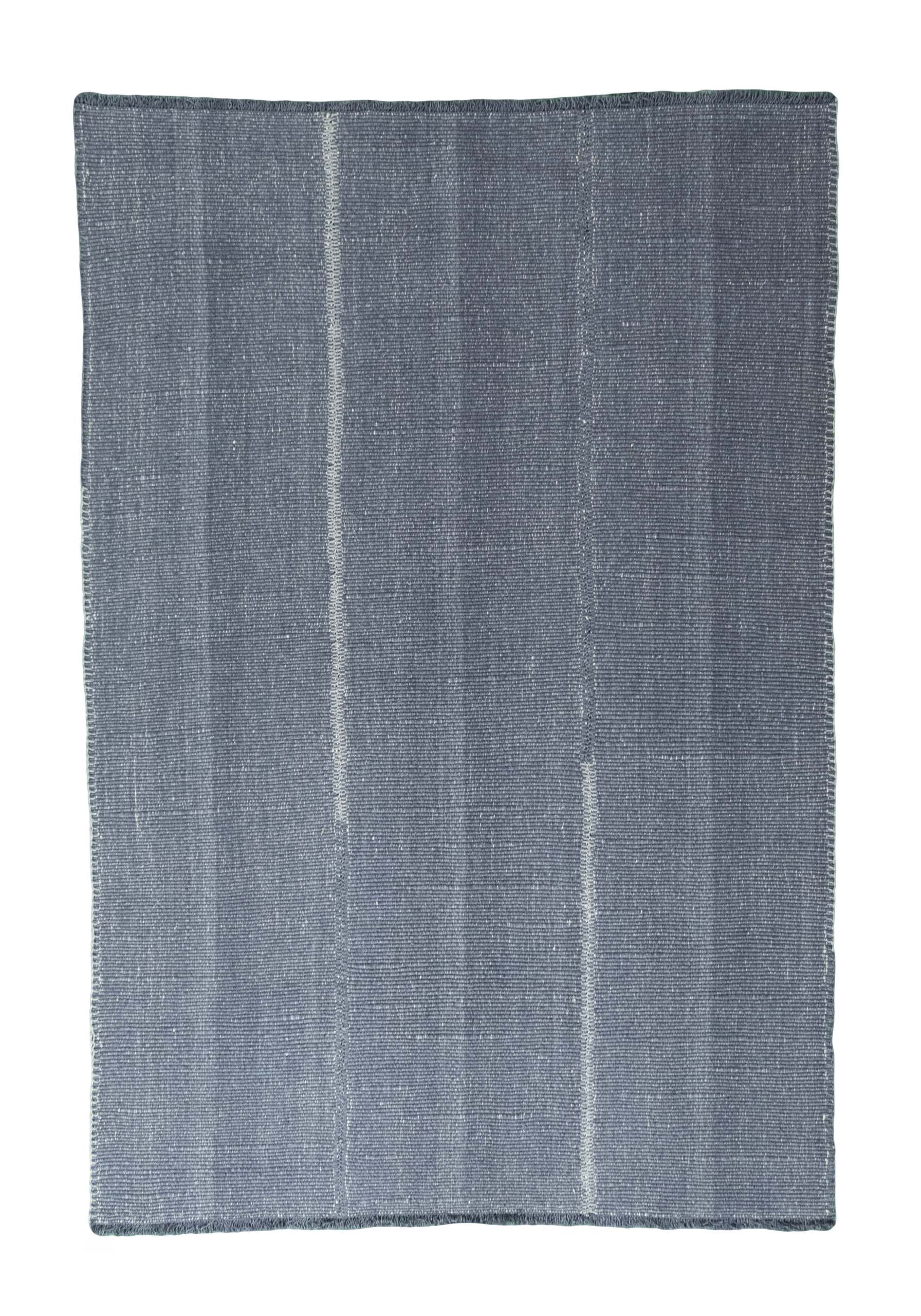
A Living room rug is far more than just a decorative element. It can transform a whole room, create a sense of cosiness and help to structure the living area visually. Many people want their living room to feel not only functional but also inviting and stylish. A living room rug plays a decisive part in that. It absorbs noise, provides warmth and adds stylish accents.
Why a rug is essential in the living room
A living room rug serves several purposes at once. On the one hand, it divides the room visually by clearly separating seating and dining areas. This gives the room a clearer structure, especially in open-plan layouts. On the other hand, a living room rug is also a genuine comfort factor. Cold floors, tiles or parquet in particular, often feel unpleasant underfoot. A soft rug remedies this, because it not only gives your feet a warm surface, it also makes the whole room feel more homely. A living room rug improves the acoustics as well. Rugs absorb sound, which reduces echo and makes the room feel more pleasant. That is a real advantage in large living rooms or ones with high ceilings. Noise is muffled, creating a quieter and cosier atmosphere. Another point in favour of a living room rug is its versatility. It can act as a subtle backdrop or become the eye-catcher of the room. Depending on your style and preferences, you can choose from a wide range of designs, colours and materials. A living room rug can therefore be practical and decorative at once, which is why no living space should be without one.
Living room rug: cosiness
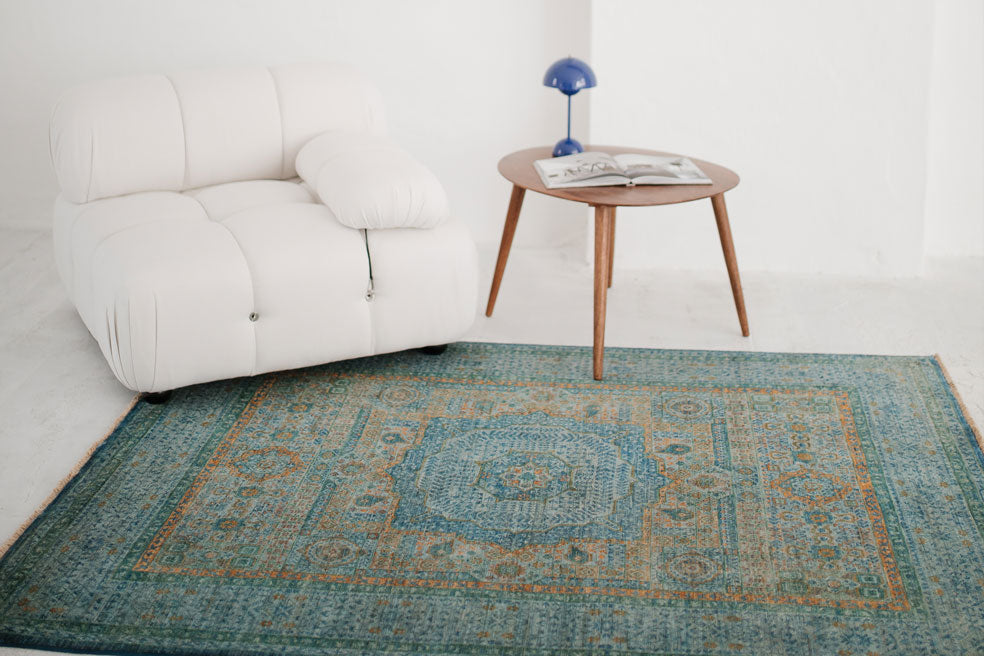
A living room rug brings cosiness and style together harmoniously. By choosing the right rug, you underline the interior style of your living room. Whether modern minimalism, rustic country house style or classic elegance – there is a perfect living room rug for every taste and every setting. What matters here is that the rug is not only pleasing to the eye but also feels good. High-pile rugs in particular feel wonderfully snug underfoot and add enormously to the sense of comfort.
A well-placed living room rug can also serve as the central design element. A piece matched in colour creates a harmonious link between furniture and decoration. The result is a stylish overall picture that visually enhances the room while creating a cosy atmosphere.
Wool: soft, warm and hard-wearing
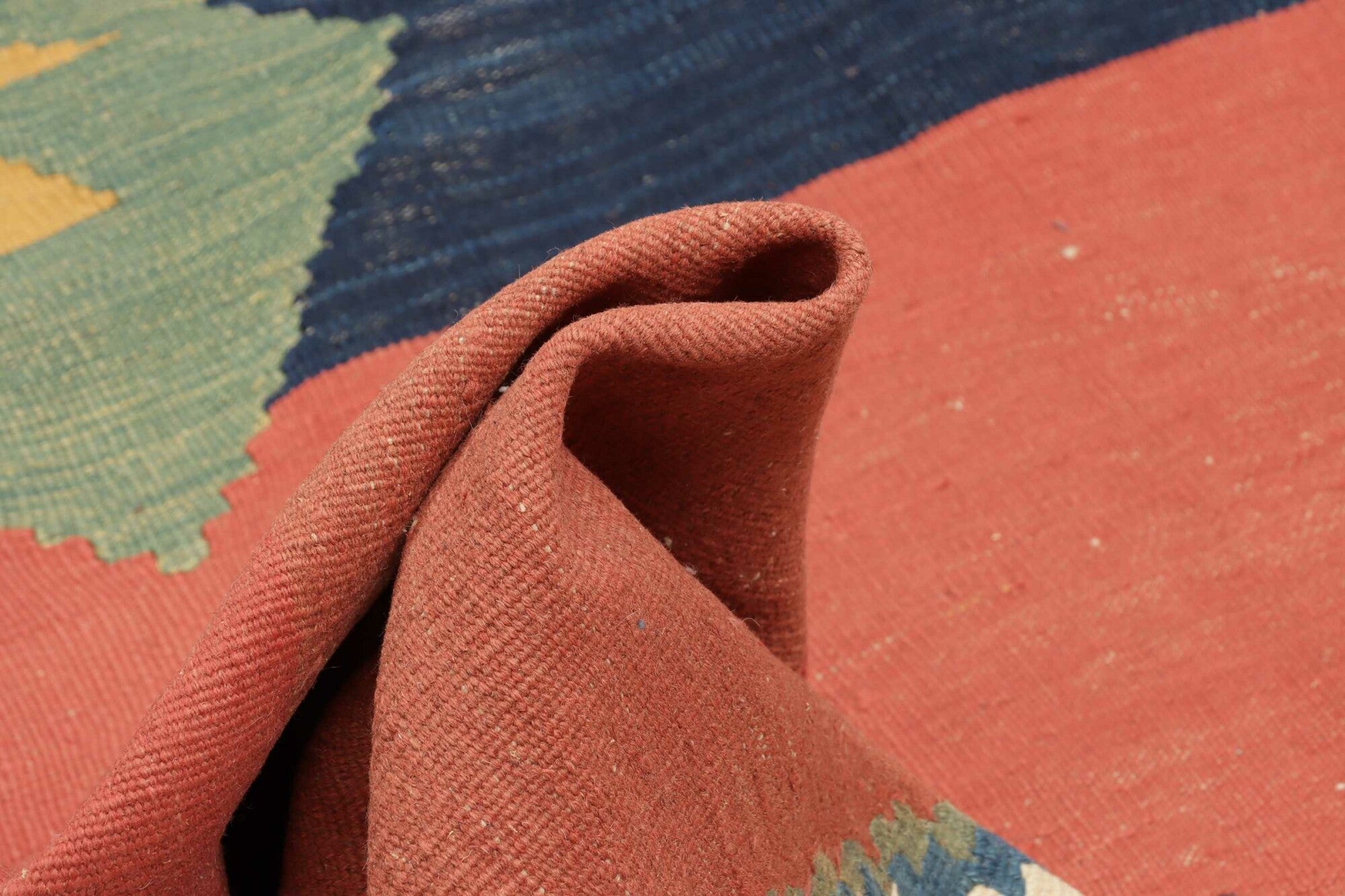
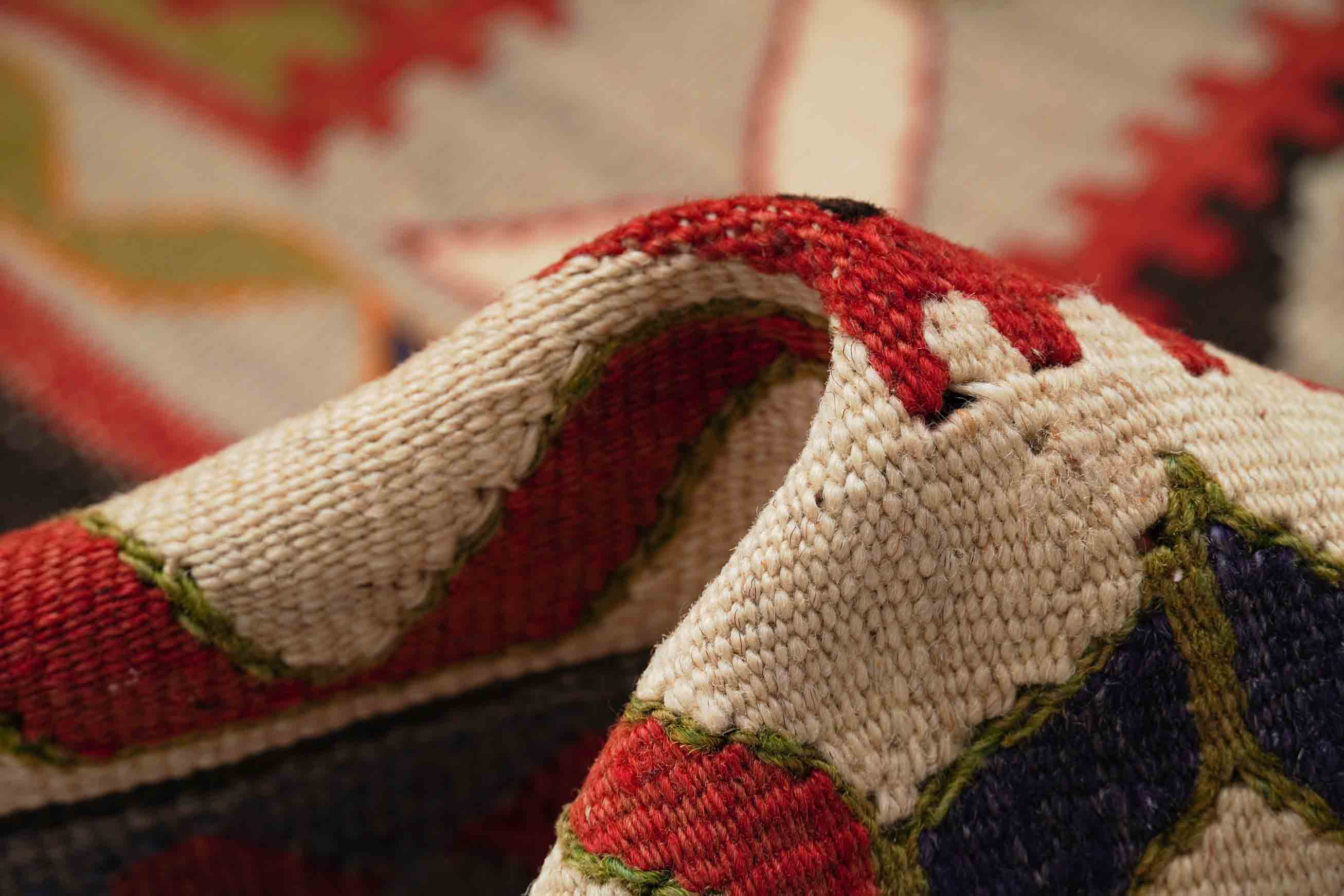
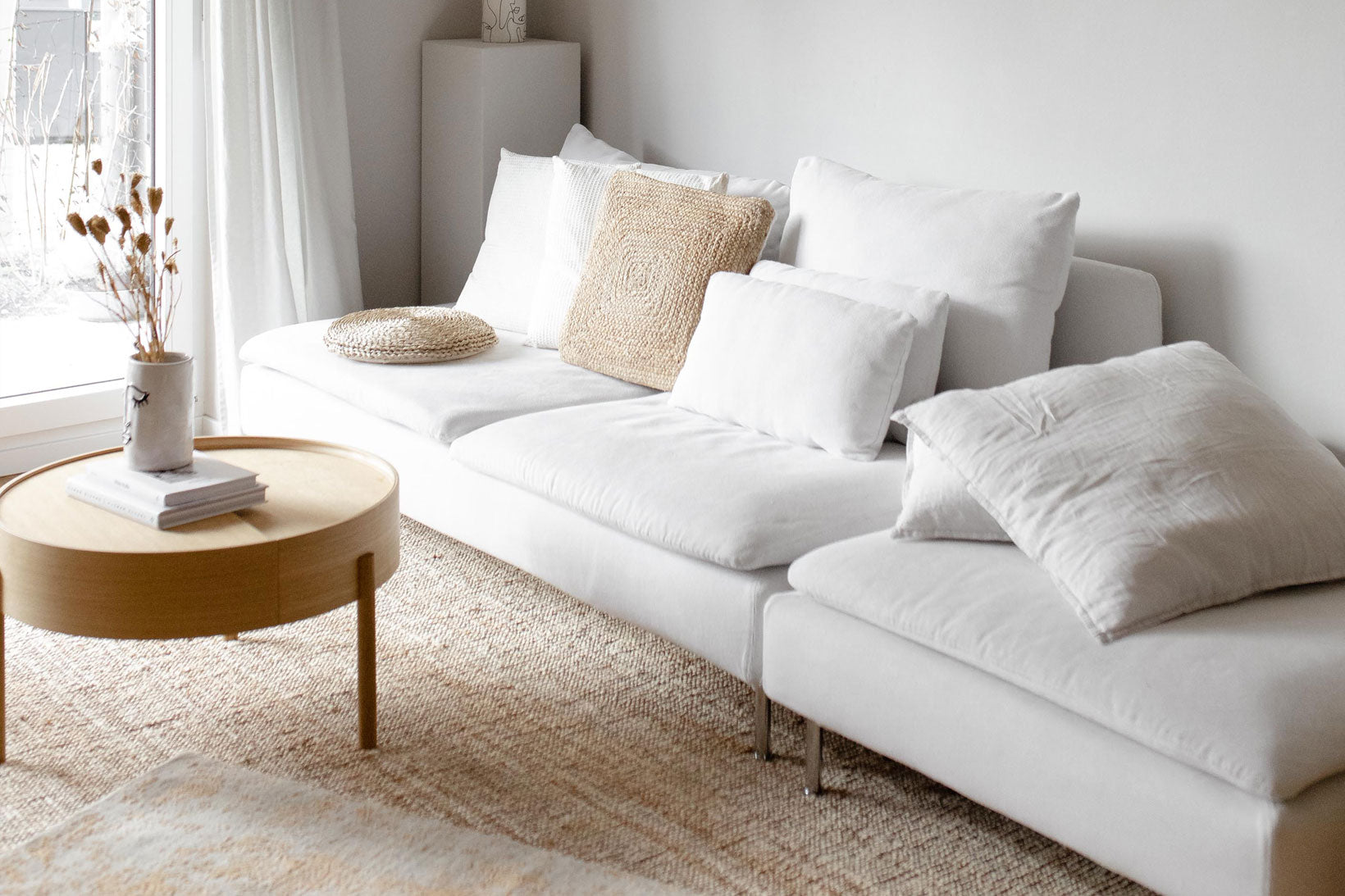
Wool rugs are among the most popular choices for the living room. On the one hand, wool creates a warm and cosy atmosphere; on the other, the material is extremely hard-wearing. Wool rugs feel soft underfoot and are robust enough to withstand daily use. Rugs made from wool also regulate moisture. They take up excess humidity from the air and release it again when needed. This improves the indoor climate and keeps the living room at a pleasant temperature. Wool also repels dirt naturally, which makes care easier.
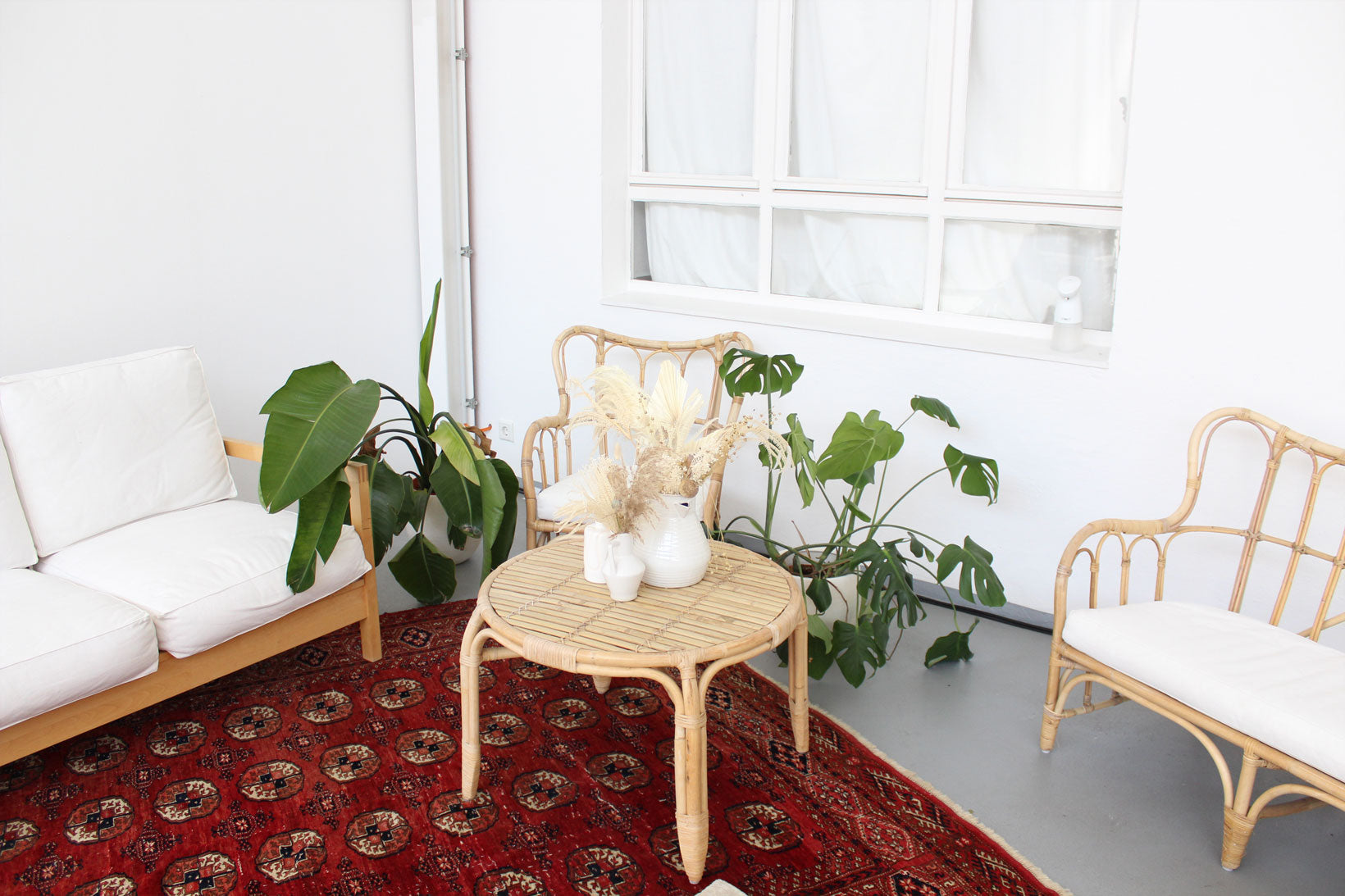
Living room rug: the ideal size for every room and style
Choosing the right rug size is decisive for the effect your living room has. A rug that is too small can look lost, while one that is too large can overwhelm the room. Start by measuring the area you would like the rug to cover. It is important to take the arrangement of your furniture into account.
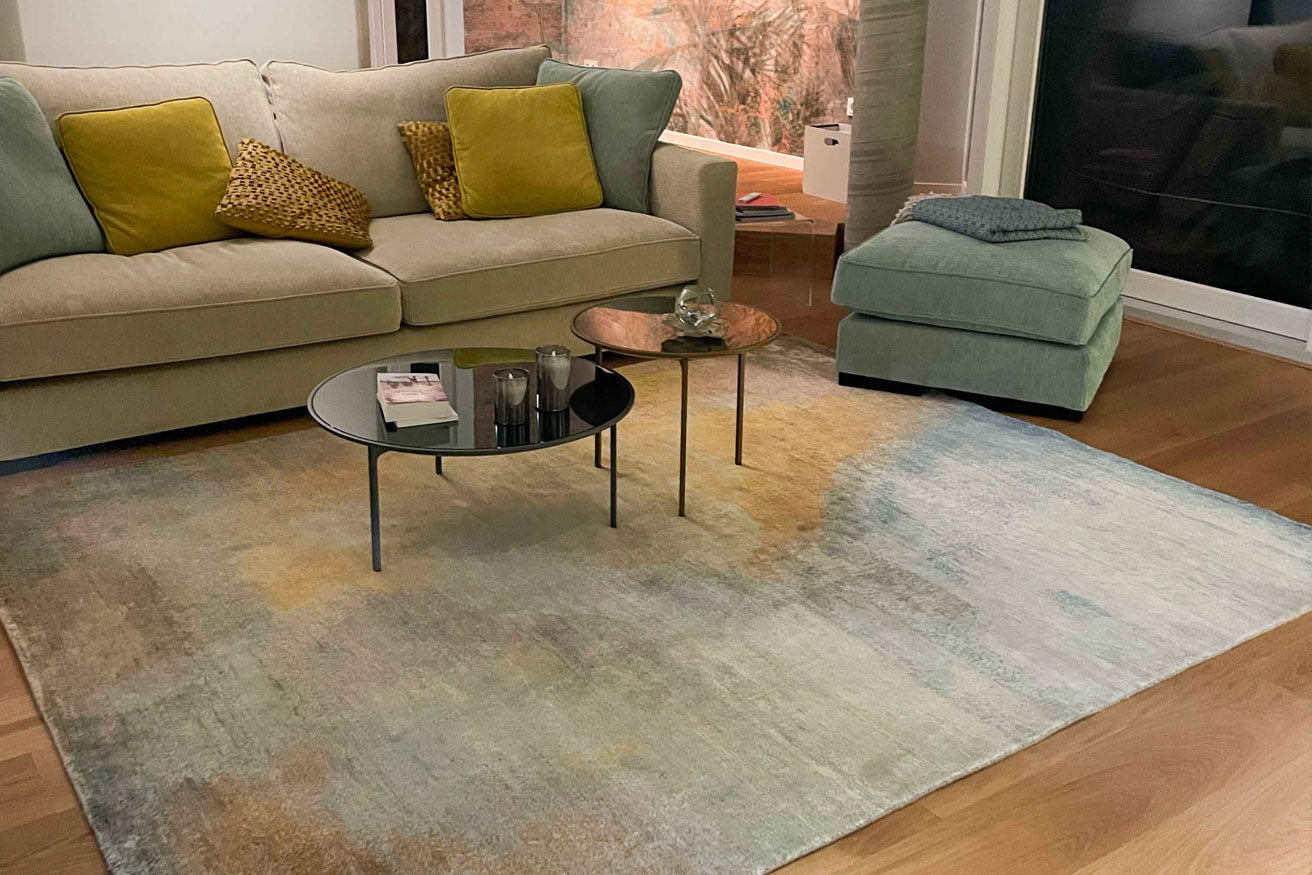
Different rug shapes for every living room
The shape of a living room rug plays an important role in how a room is designed. Rectangular rugs are the classic choice and suit long, narrow living rooms particularly well. They provide a good base for sofas and coffee tables and bring clear structure to the living room. Round rugs, by contrast, bring a playful dynamic to the room and are ideal for seating groups or beneath round dining tables in the living room. They loosen up the room visually and set accents. Oval rugs work well in open-plan living areas, where they create a gentle sense of separation. Square rugs suit symmetrically furnished living rooms particularly well and give a harmonious overall picture.
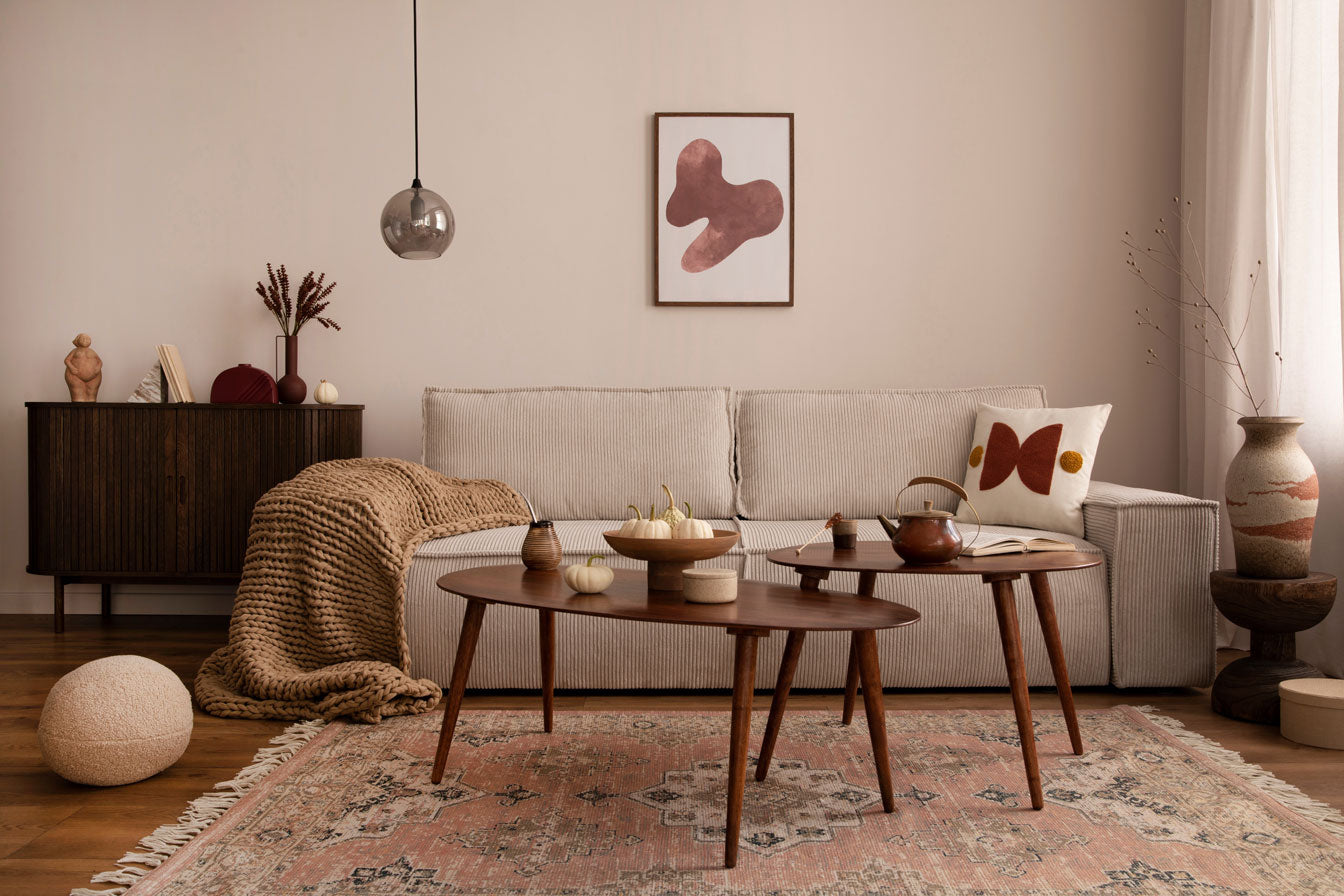
Tips for designing your room with a living room rug
A rug can shape the character of your living room considerably, either by setting accents or by creating a harmonious overall picture. By choosing size and shape cleverly, you can make the room look larger or feel cosier. A large rug that sits under all the furniture ties the room together and creates a unified atmosphere. In smaller living rooms, on the other hand, a smaller rug that covers only the coffee table or the front edge of the sofa makes the space feel airier. Make sure the colours of the rug harmonise with your furniture and your walls. Light rugs make the room appear larger and more open, while dark rugs create a warm, cosy atmosphere. With the right placement and colour choice, the rug becomes the heart of your living room.
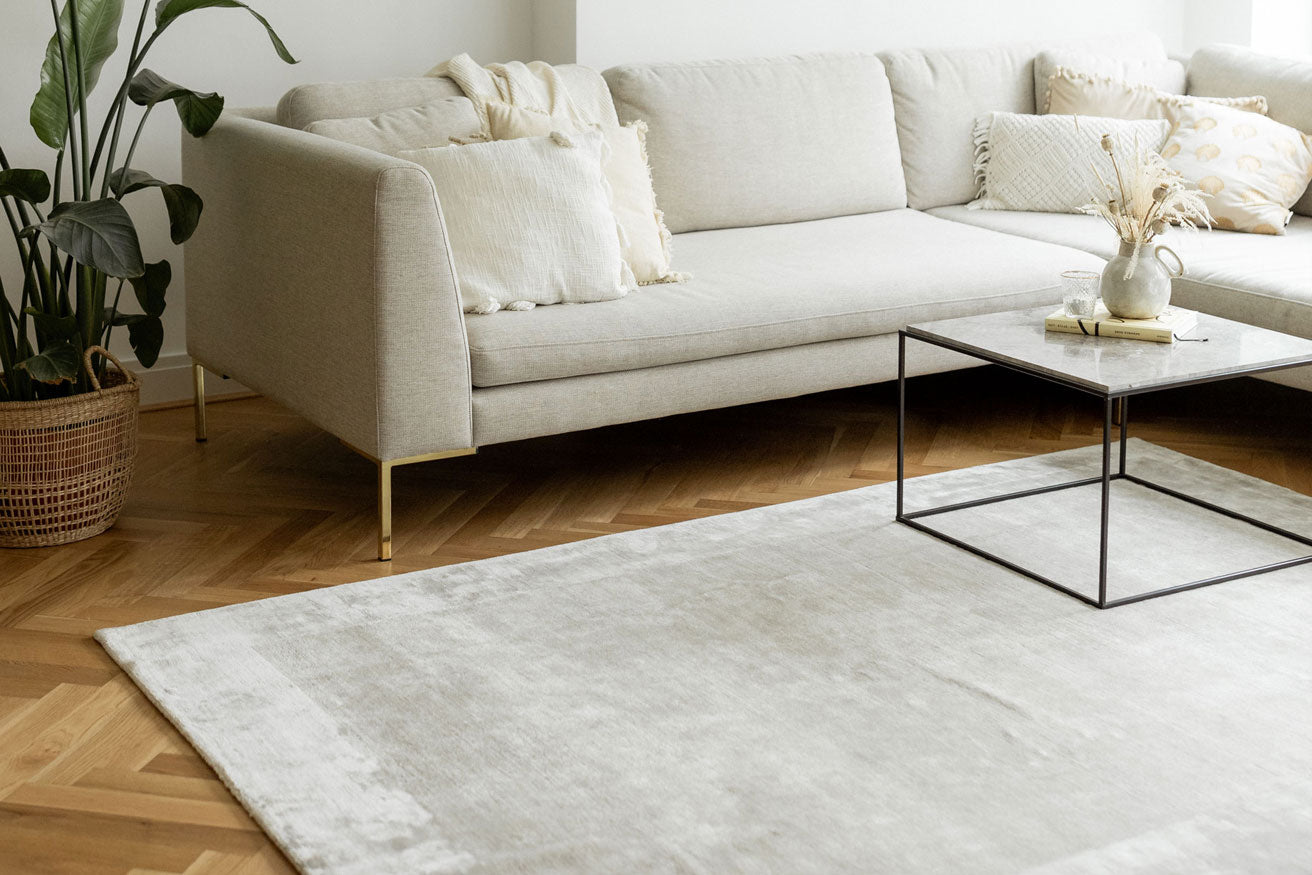
Rug styles to suit your interior
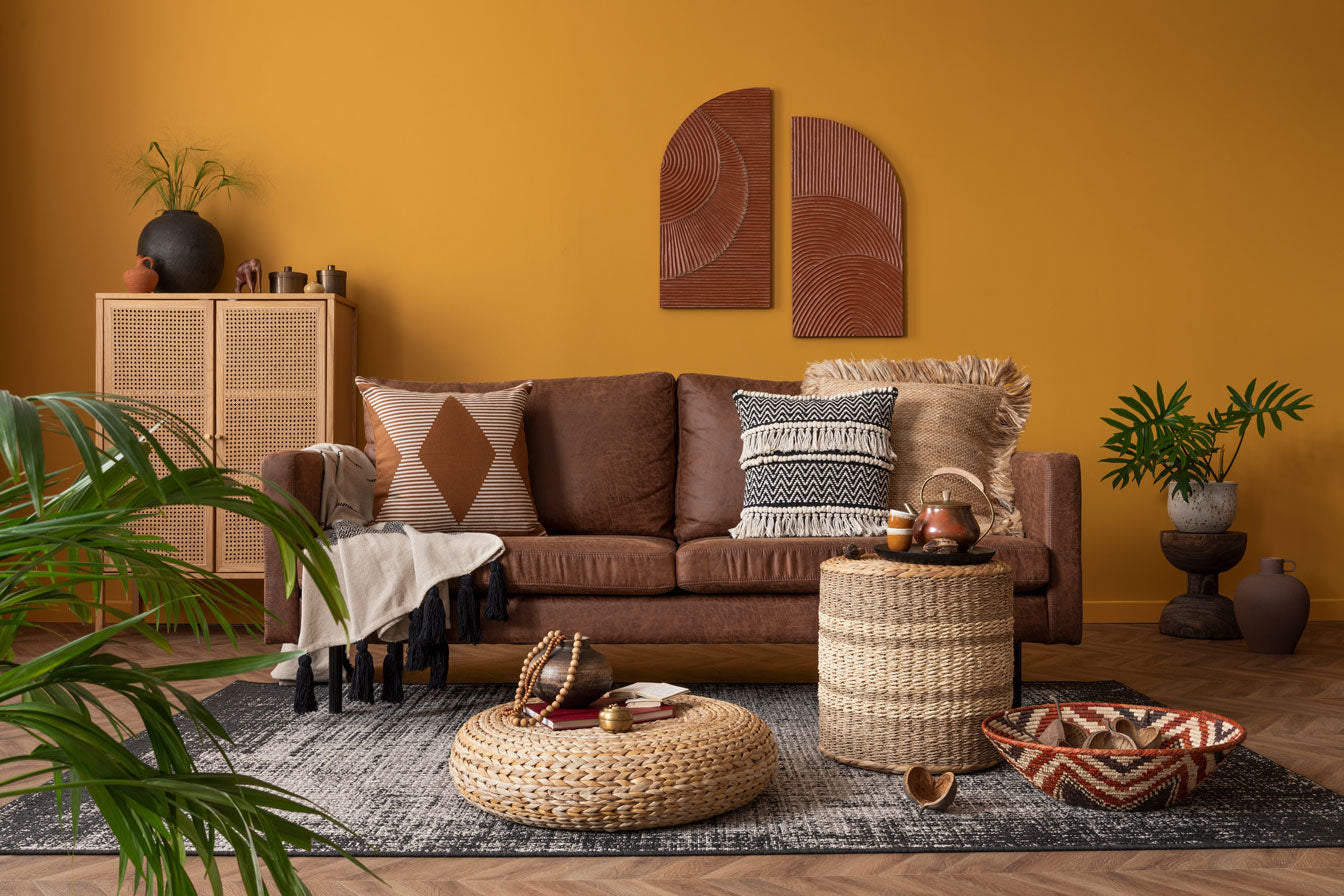
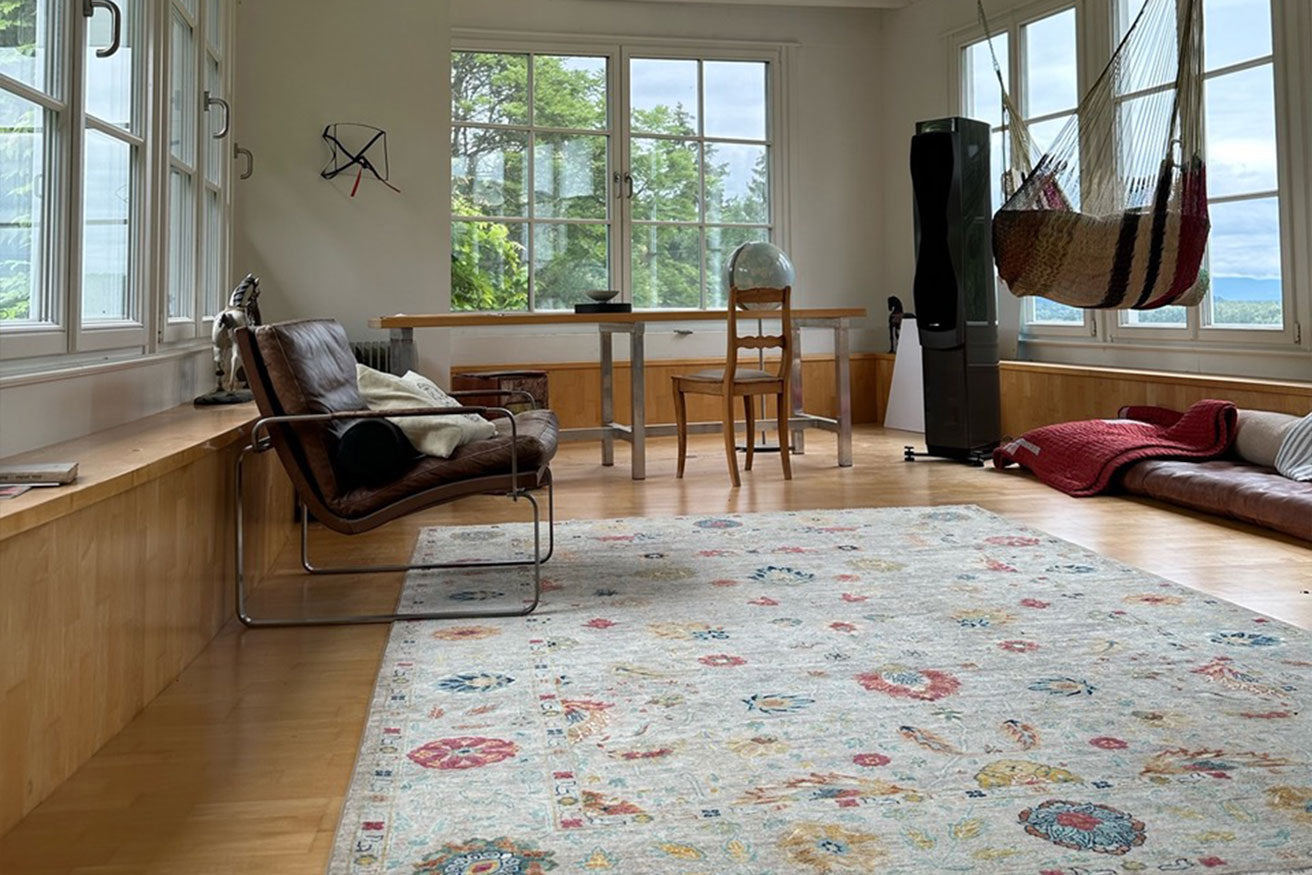
A rug can bring the whole room scheme together. If your interior is modern, minimalist rugs with clean lines or geometric patterns are an ideal match. These designs complement plain furniture and add interesting accents. In a classic interior, Oriental patterns or floral motifs work particularly well. They bring elegance and tradition into the room. A living room in Scandinavian style benefits from rugs in neutral tones and natural materials such as wool or jute, which create a cosy, warm atmosphere. In a rustic living room, rugs with a coarse texture and natural colours such as beige or brown make a fitting addition. Your rug should always suit the overall concept of your living room and round it off with style.
Colour and pattern: make a statement or keep it subtle
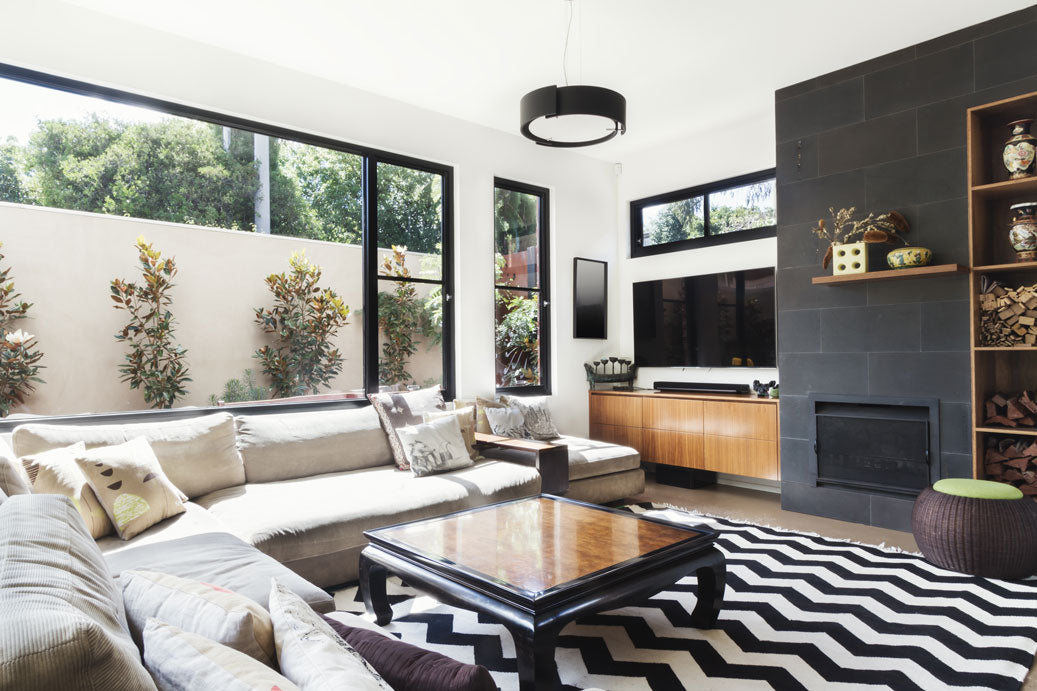
The colour and pattern you choose for your rug have a big effect on how a room feels. Going for a colourful rug lets you set lively accents. Vivid colours such as red, blue or green make a living room feel more dynamic. If you prefer something understated, rugs in neutral colours like grey, beige or white are an ideal choice. They combine easily with other furnishings and never look dated. Patterns can add extra depth to a room. Geometric shapes bring structure, while floral or Oriental patterns lend a classic, luxurious note. A single-colour rug, on the other hand, brings a sense of calm to the room. So think about whether you want your rug to be the centrepiece or to sit quietly in the background.
Current rug trends: modern, classic and cosy
Today's trends in rug design offer something for every taste. On the one hand, modern rugs with abstract patterns or clean lines are in high demand. They fit perfectly into contemporary living schemes and add stylish accents. On the other hand, classic designs such as Oriental rugs are making a comeback. They bring a touch of elegance and tradition into modern living rooms. Vintage rugs with deliberately faded colours are also very popular at the moment, as they create a nostalgic atmosphere. At the same time, soft high-pile rugs are on trend, adding cosiness and making the living area feel even more welcoming. Beyond questions of style, sustainable rugs made from recycled or natural materials are also gaining ground. More and more people care about environmental impact and therefore choose rugs made from renewable raw materials. By following current rug trends, you can give your living room a modern, stylish look.
Rugs are not just practical floor coverings — they play a decisive part in the style of your living room. Whether modern, classic or cosy, the right choice creates a stylish and comfortable home.
Rug placement for small and large rooms
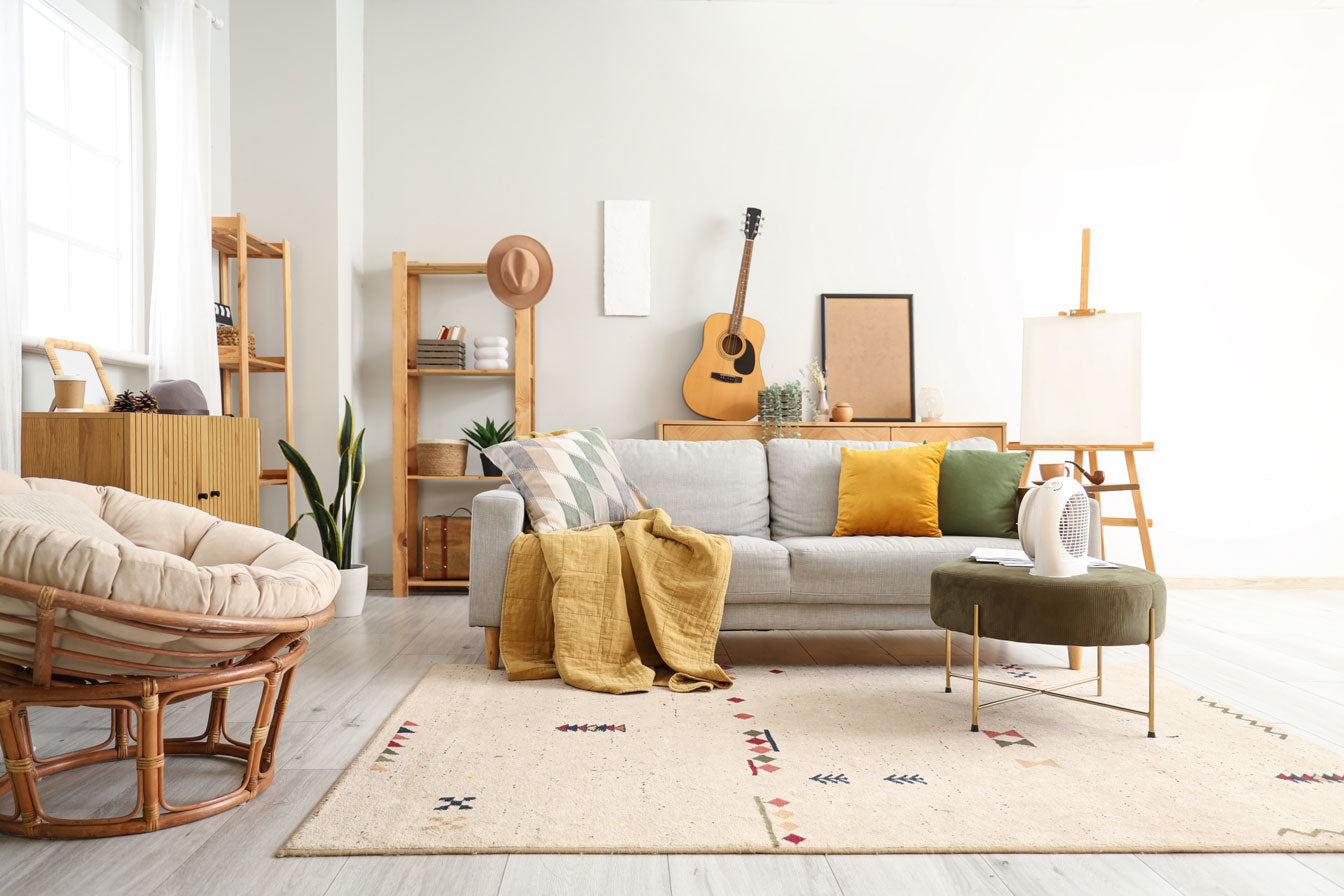
Where a rug works best depends largely on the size of the room. In small living rooms it makes sense to place the rug in front of the sofa only. That way the room doesn't feel crowded, and the rug makes the living room look more open. You can also place just the front legs of the sofa on the rug to create a visual link between the pieces of furniture. A small rug under the coffee table also adds a cosy touch without overloading the room.
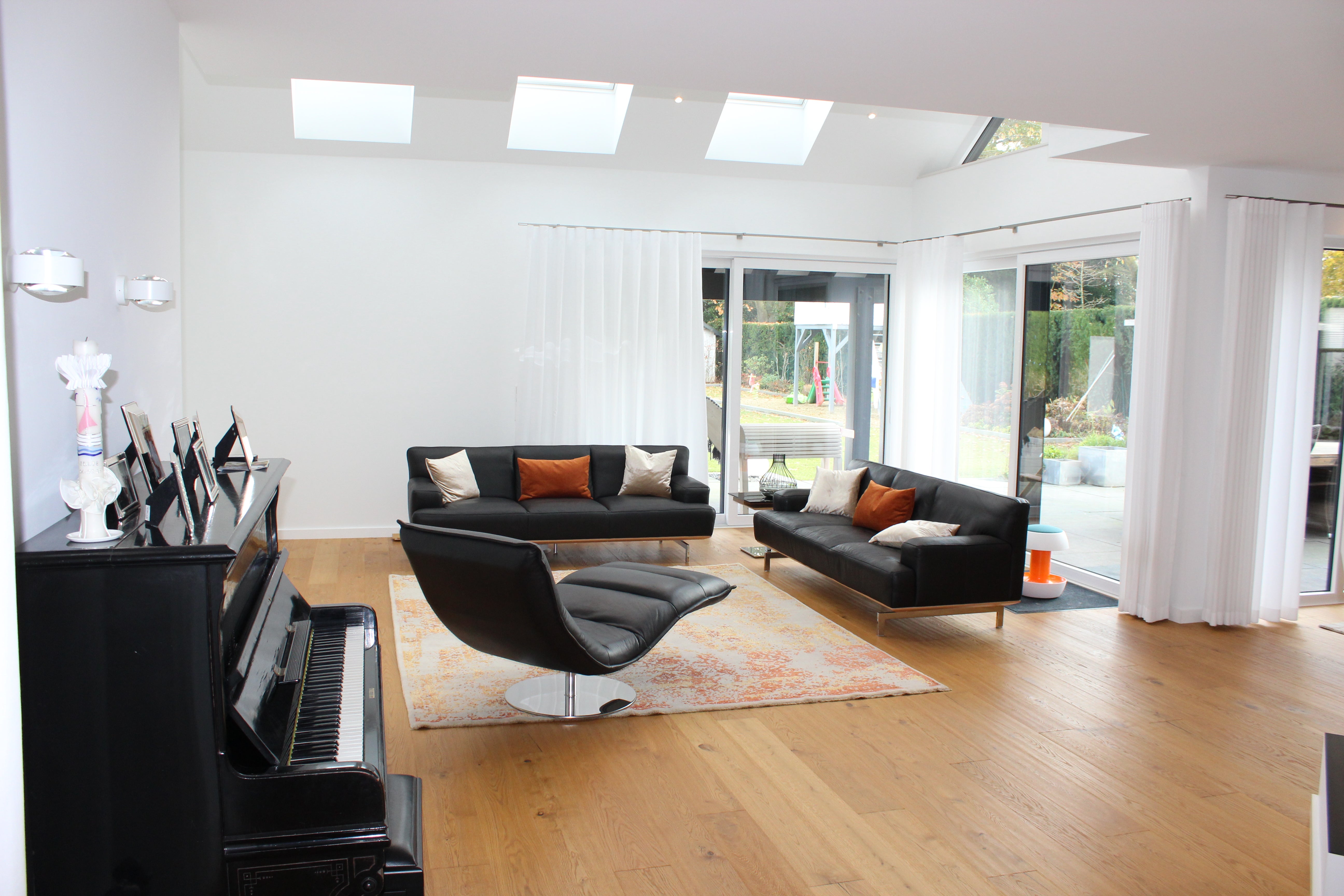
In larger rooms you have more freedom. Here you can choose a generously sized rug that frames all the furniture completely. This ties the sofa, armchairs and coffee table together, and the room feels harmonious and coherent. An XXL rug also works in open-plan homes, visually separating the living area from the dining area. The rug defines the space without the need for extra partitions.
Creating harmony between furniture and rug
To create harmony between your rug and your furniture, keep an eye on proportions. The rug should be neither too large nor too small, but sit perfectly within the living room scheme. By arranging the furniture in proportion to the rug, you avoid a restless overall picture. A large rug can unite the entire seating area, for example, while a small rug can highlight just the coffee table.
Make sure the rug is at least as wide as the sofa. This creates visual balance. Ideally, the rug should extend about 20 to 30 centimetres beyond the sofa on each side. That brings not only visual harmony but also a feeling of space and openness. In small living rooms, on the other hand, a rug that lies in front of the sofa only can make the room appear larger.
The colour and style of the rug play an important role too. The rug should pick up the colours of your furniture or set deliberate contrasts. The colours create a link between the individual pieces, making the room look stylish and well considered. Choosing harmonious colours gives you a cosy, welcoming living room. A well-placed rug can lift the whole room scheme and make the living area feel even more homely.
Regular cleaning: vacuuming and beating
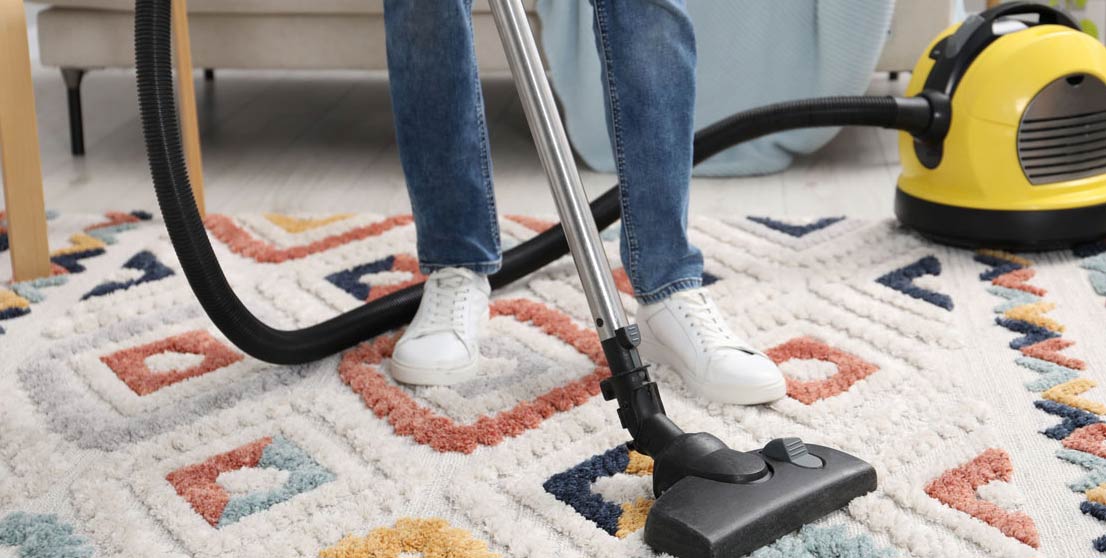
Cleaning your living room rug regularly is essential if you want it to stay beautiful for years. Dust, dirt and hair quickly work their way into the fibres. That's why you should vacuum your rug thoroughly at least once or twice a week. Do make sure you use the right nozzle. Brush attachments suit short-pile rugs, while smooth nozzles are preferable for high-pile rugs. Vacuuming not only removes surface dirt, it also stops dust from settling deep in the fibres. If you can, beat the rug outdoors from time to time as well. This is an effective way to get rid of deeply embedded dust particles. A rug beater is particularly good for freeing the rug thoroughly from dirt.
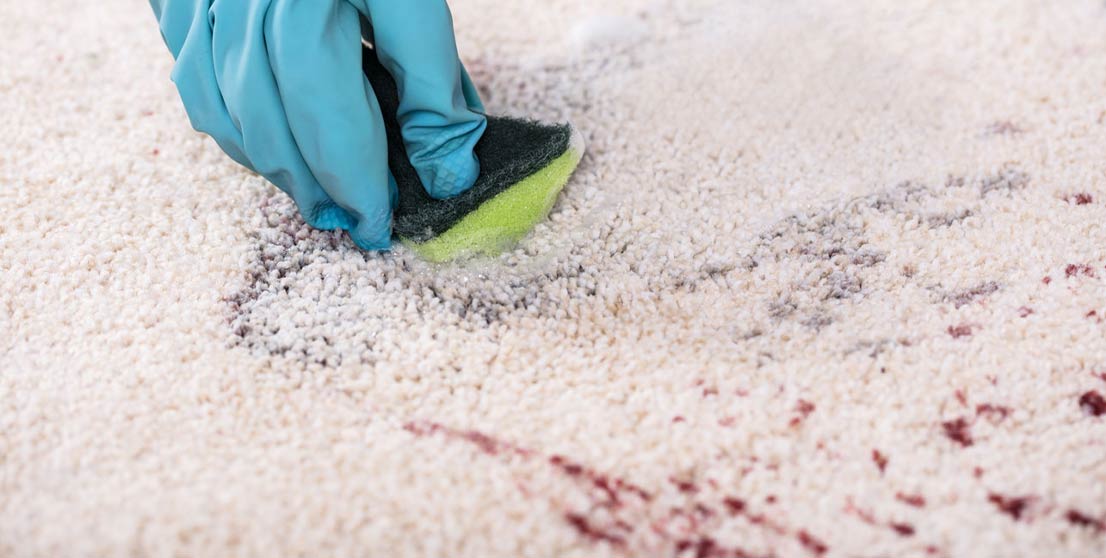
Stain removal made easy
Stains are often unavoidable in everyday life. Whether it's red wine, coffee or some other liquid – acting fast matters if you want to avoid permanent discolouration. If you treat the stain straight away, you can usually get it out completely. First lay a dry cloth or a piece of kitchen paper on the affected spot to soak up the liquid. Dab gently rather than rubbing, because rubbing pushes the liquid deeper into the fibres. For stubborn stains you can use lukewarm water with a mild detergent. It is important to work the stain from the outside inwards so that it doesn't spread. With natural fibres, go carefully so you don't damage the fibres.
FAQ
Living room rug
It's a good idea to place the front legs of the sofa on the rug. This creates a harmonious overall picture and makes the room feel more connected. In larger living rooms you can also place the whole sofa on the rug, tying the seating area together visually. In smaller rooms the rug can end just in front of the sofa so the space doesn't feel overloaded.
A rug under the sofa should be at least as wide as the sofa so the room feels balanced. Ideally the rug extends about 20 to 30 centimetres beyond the sofa on the left and right. That creates a harmonious overall picture and keeps the rug from looking too small. In larger rooms the rug can be big enough for all the furniture in the seating area to stand on it completely.
Light rugs in colours such as beige, grey or soft pastels make a room feel bigger and airier. A plain rug without bold patterns creates a sense of visual space. Rugs with restrained geometric patterns or long horizontal lines can also stretch a room visually and give it more depth.