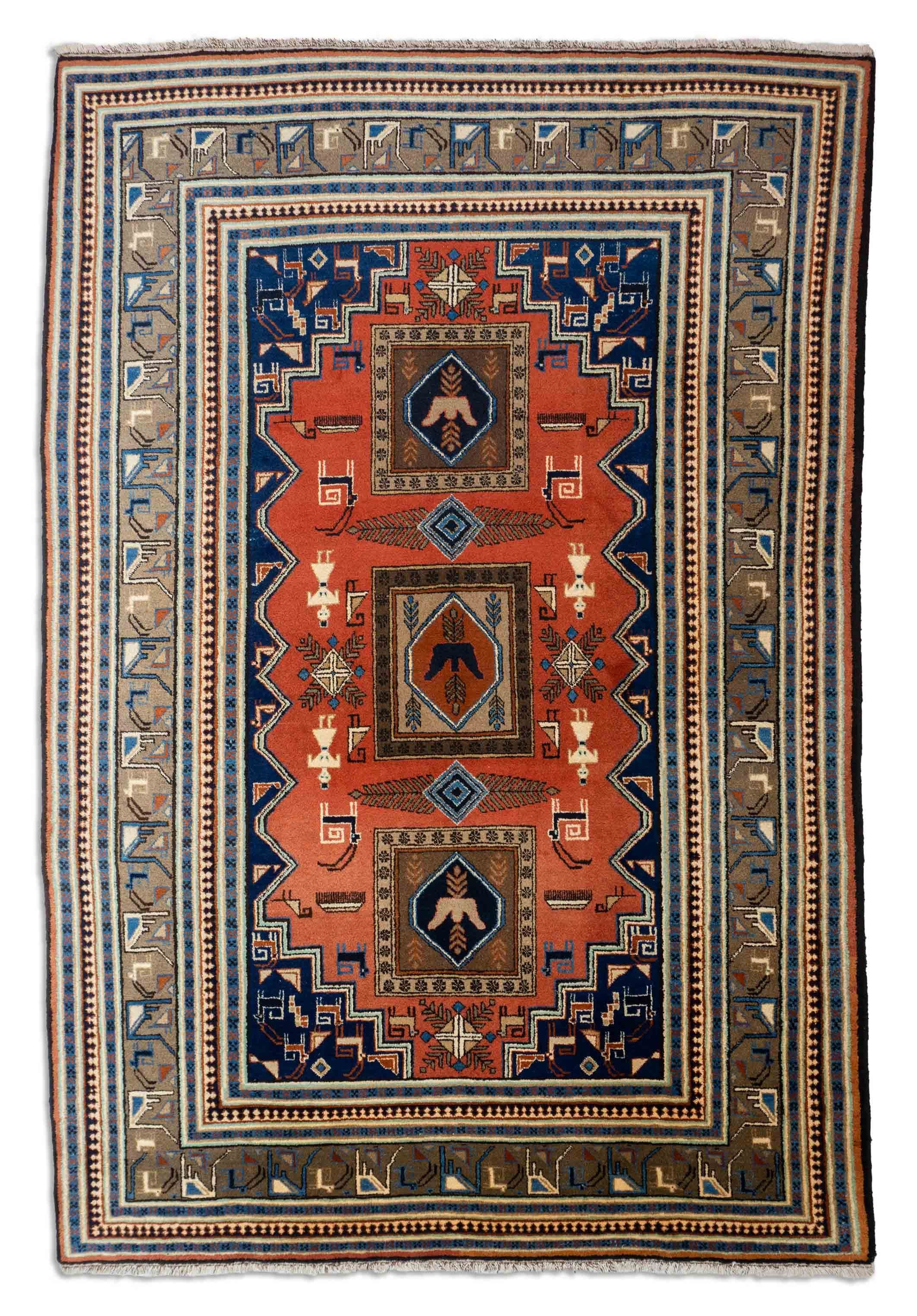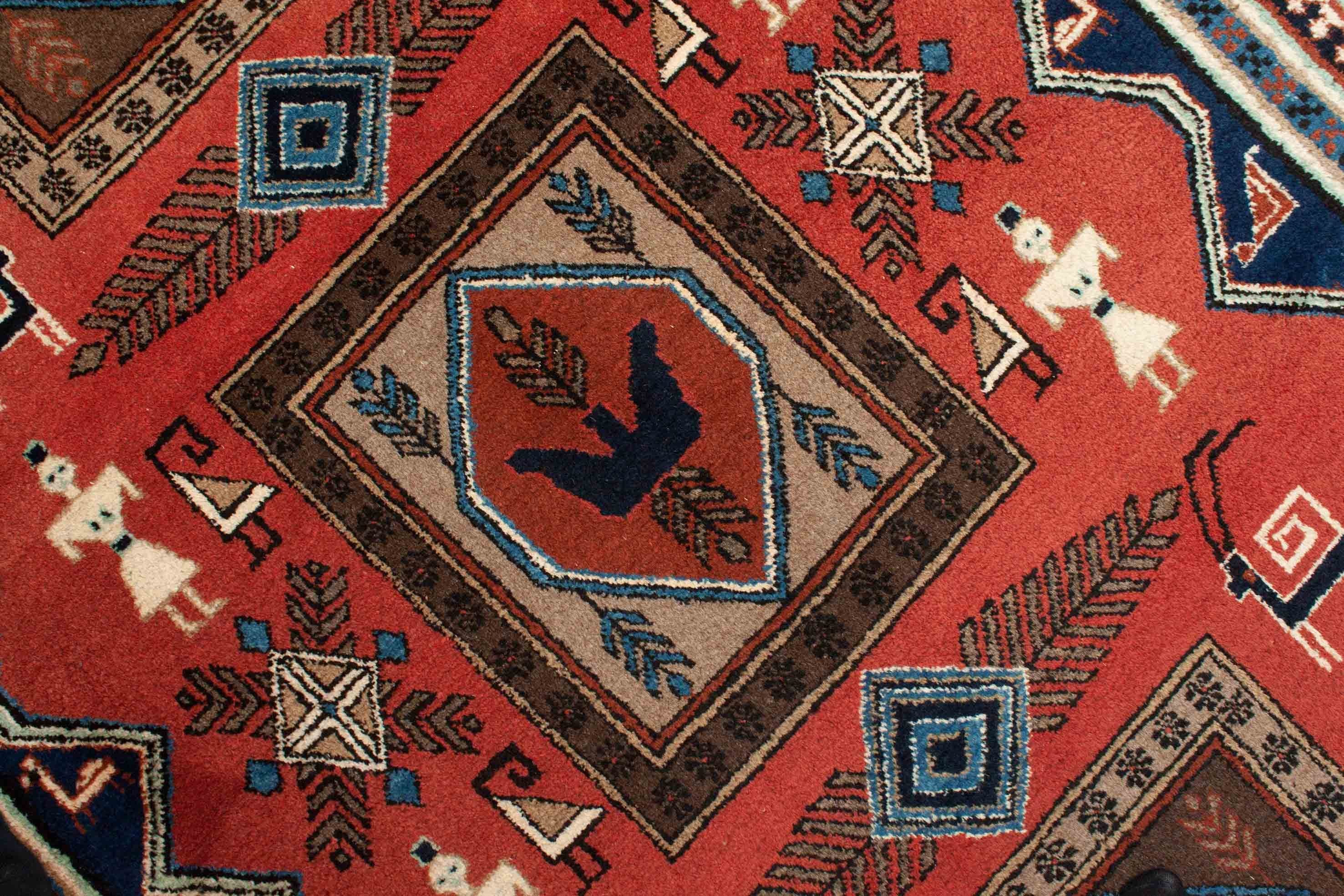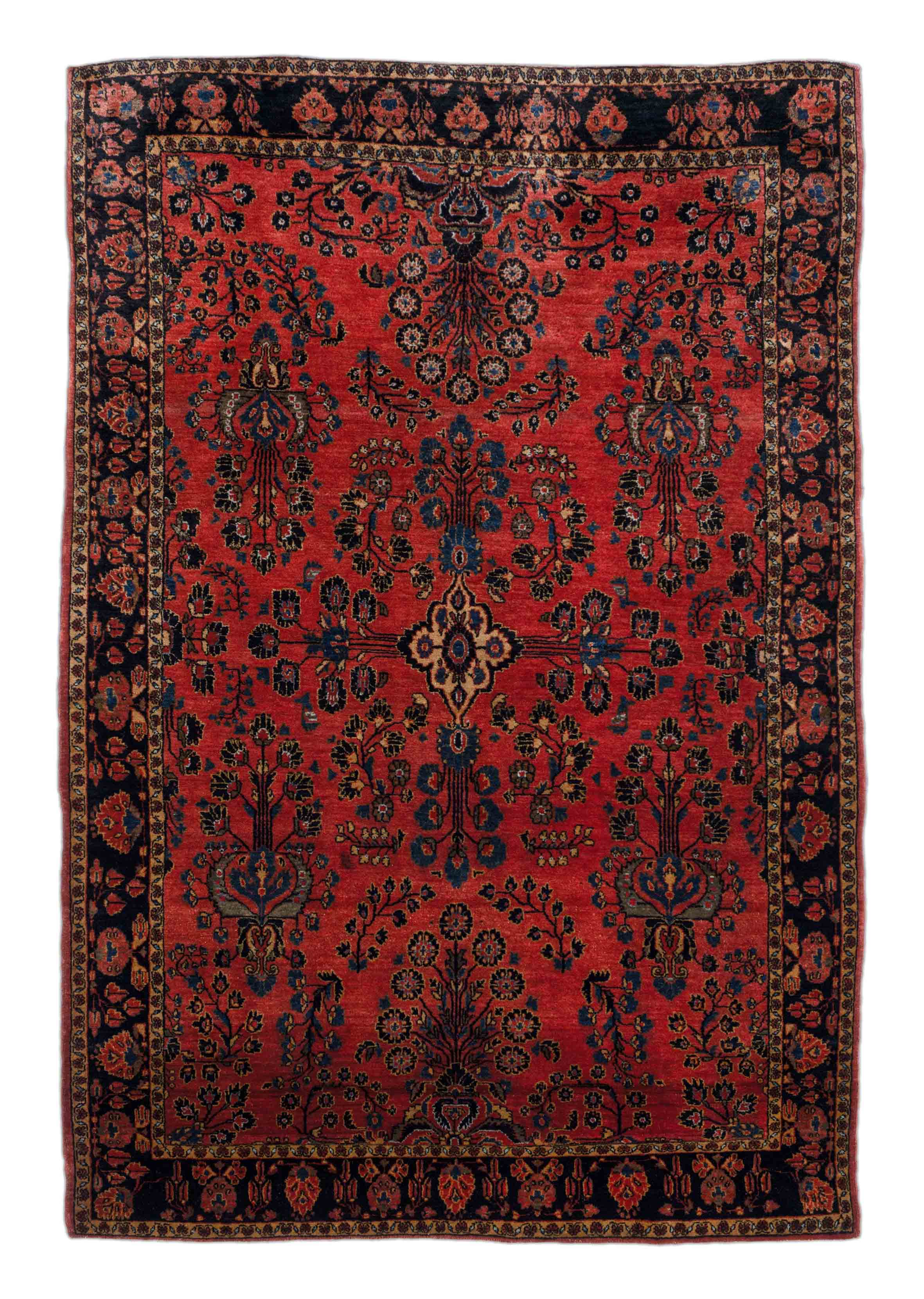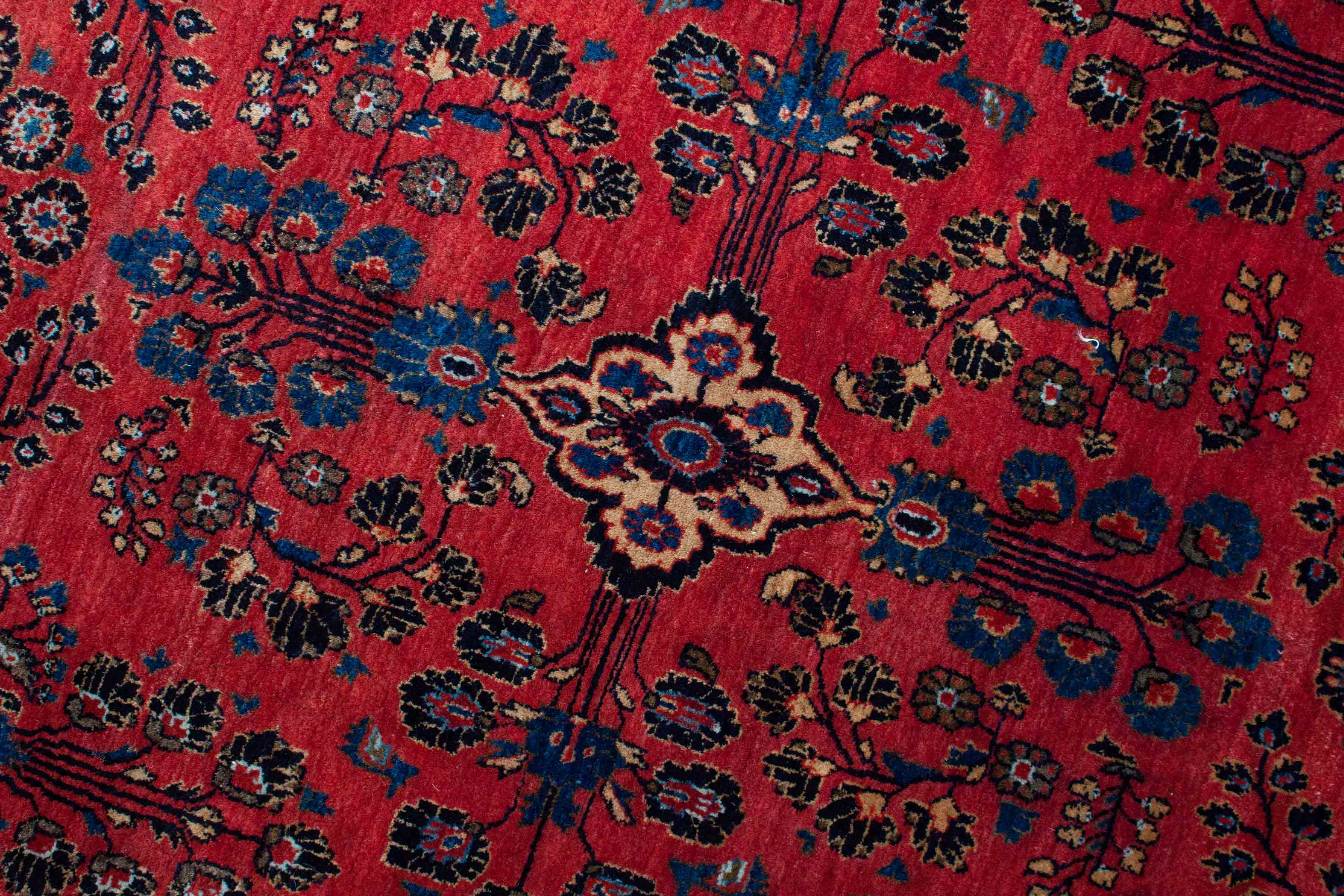
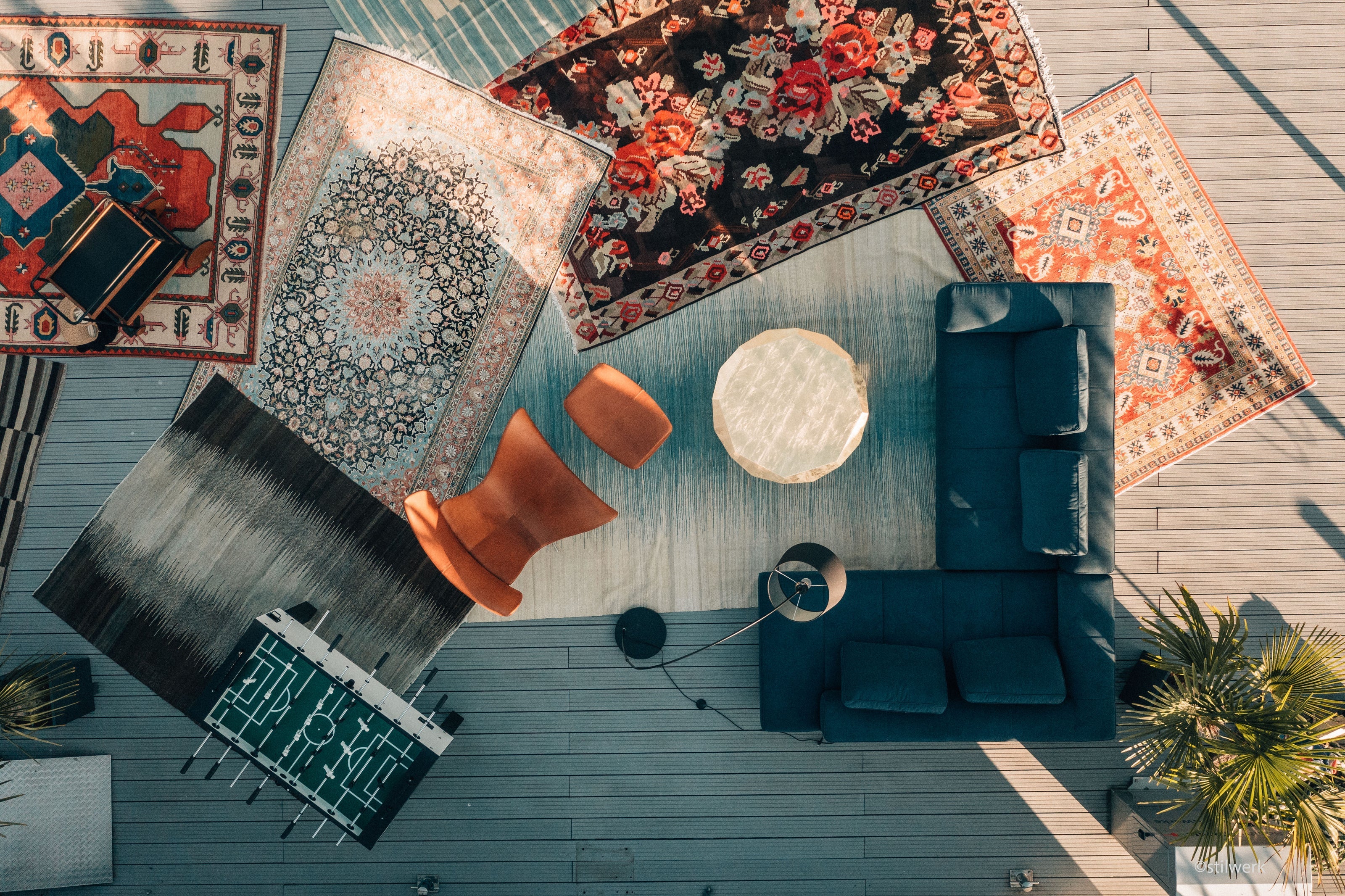
A guide to rugs in vintage style
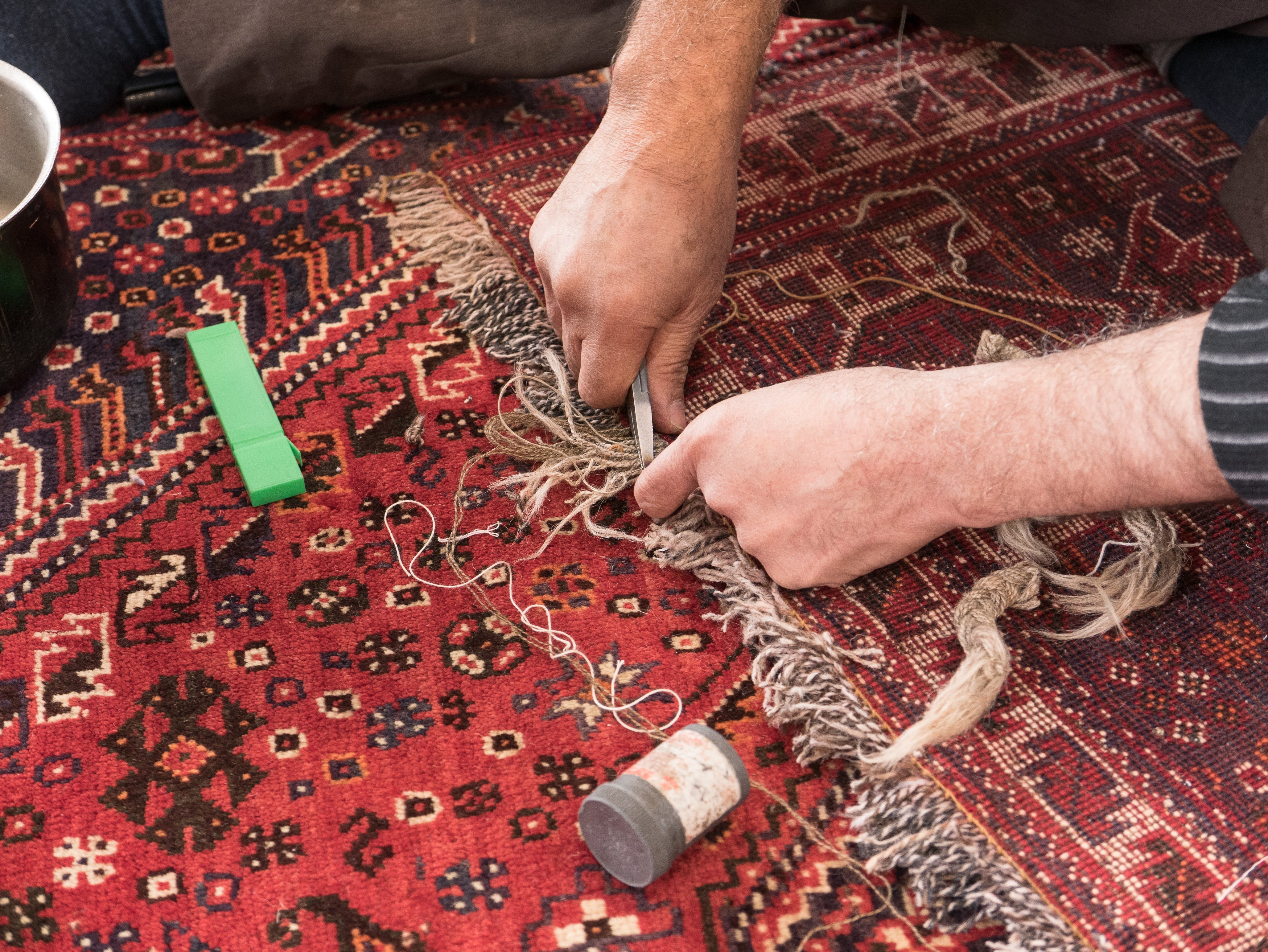
There is nothing like a well-kept classic car. What holds true for cars is not wrong for rugs.
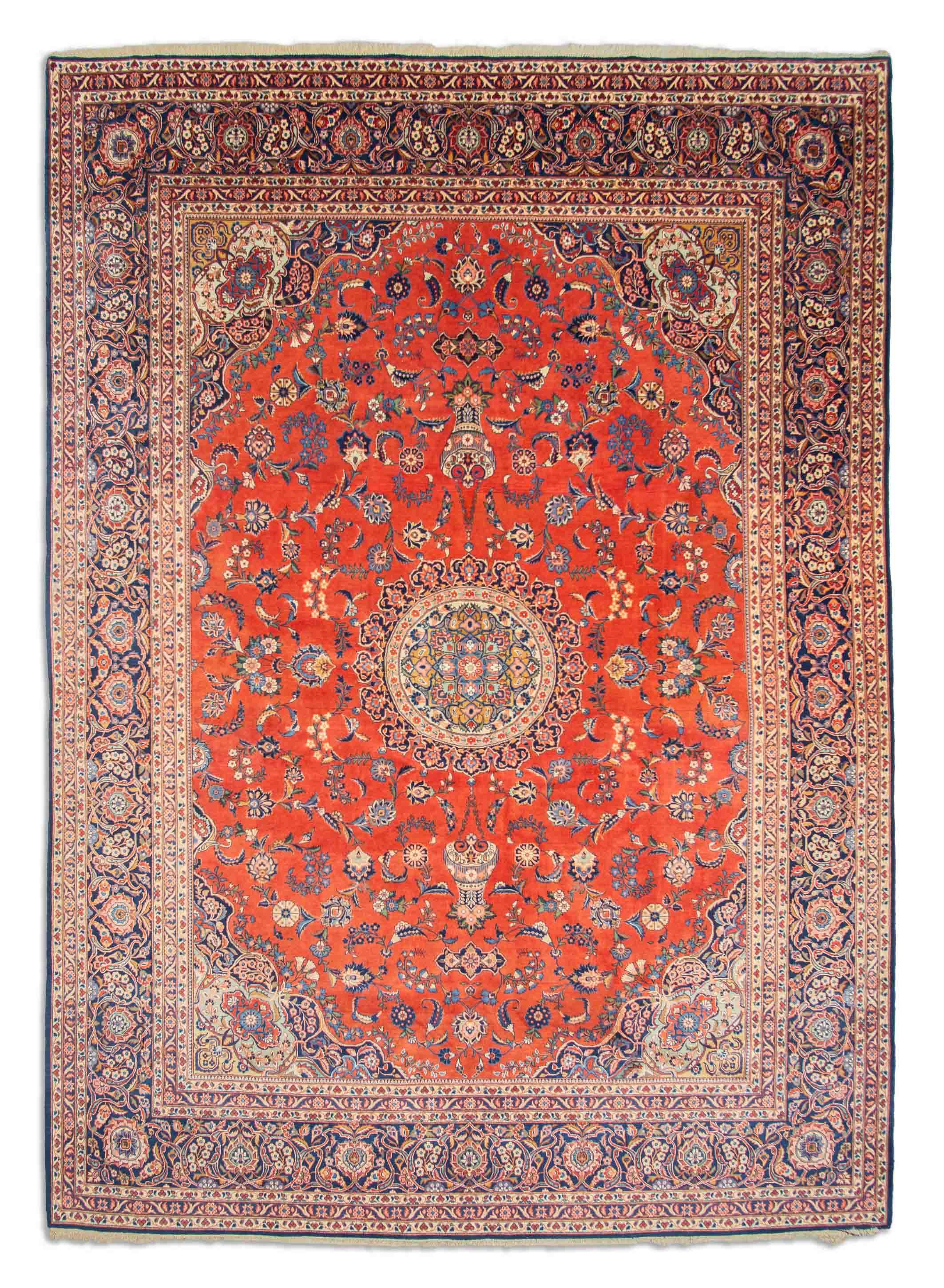
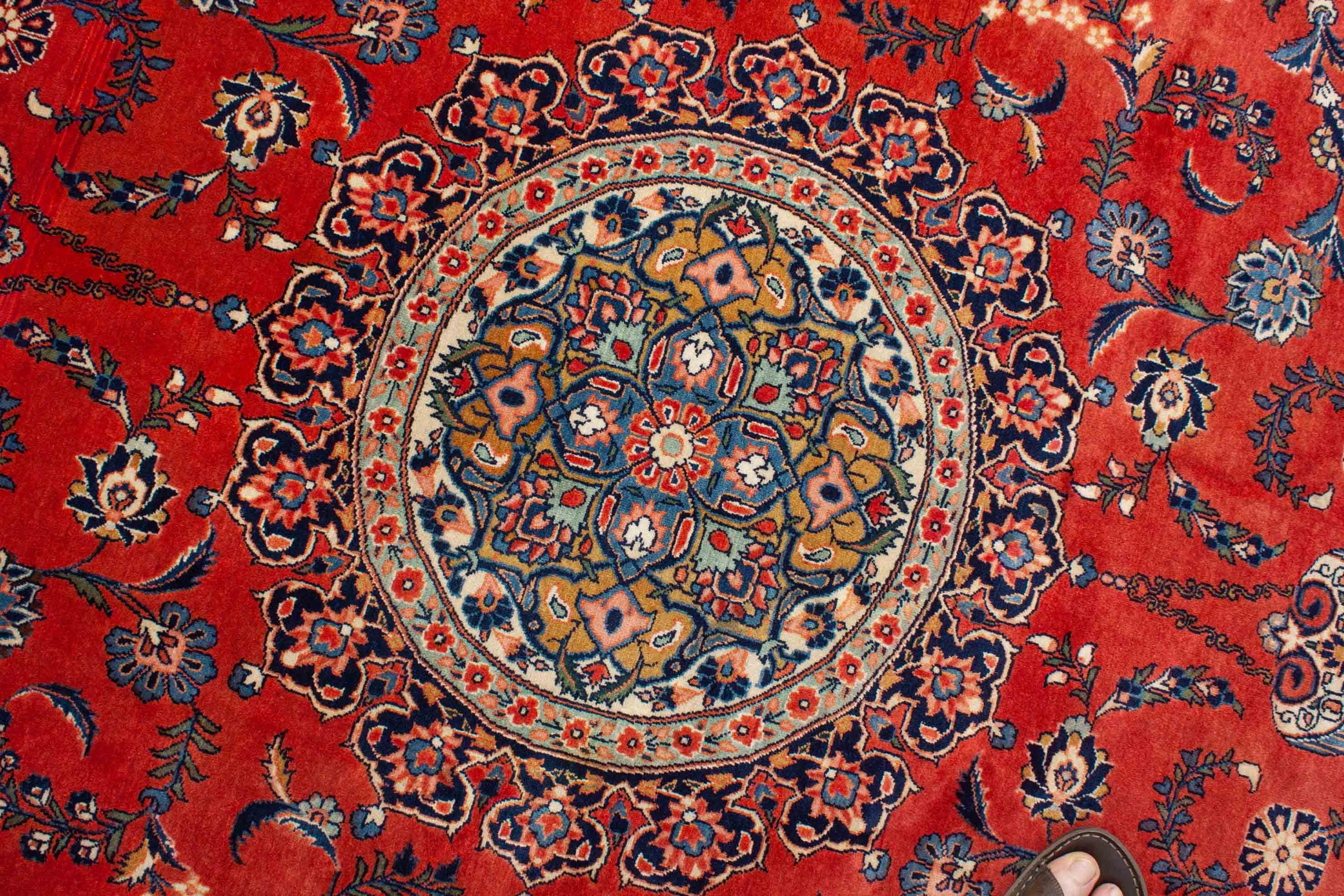
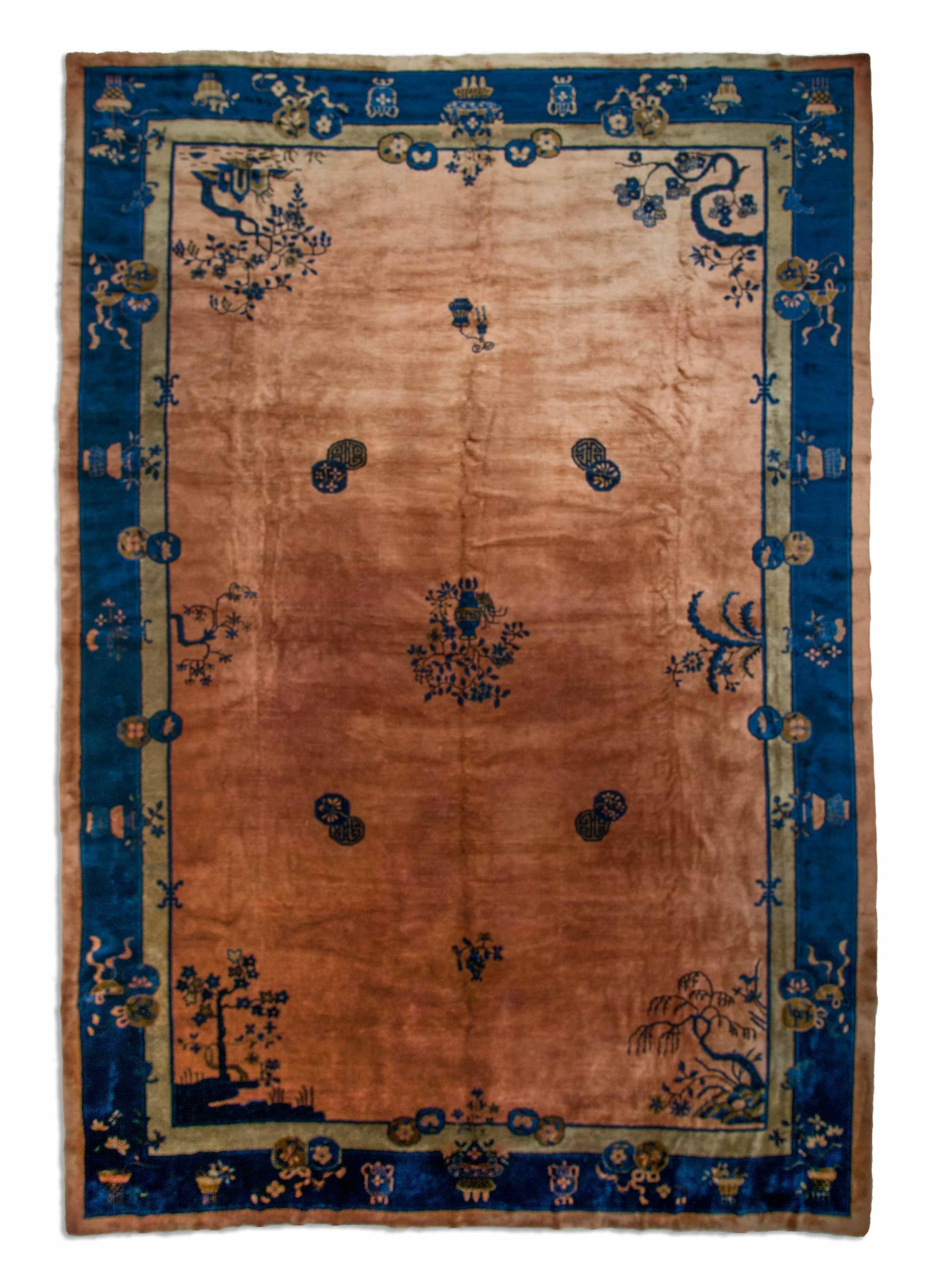
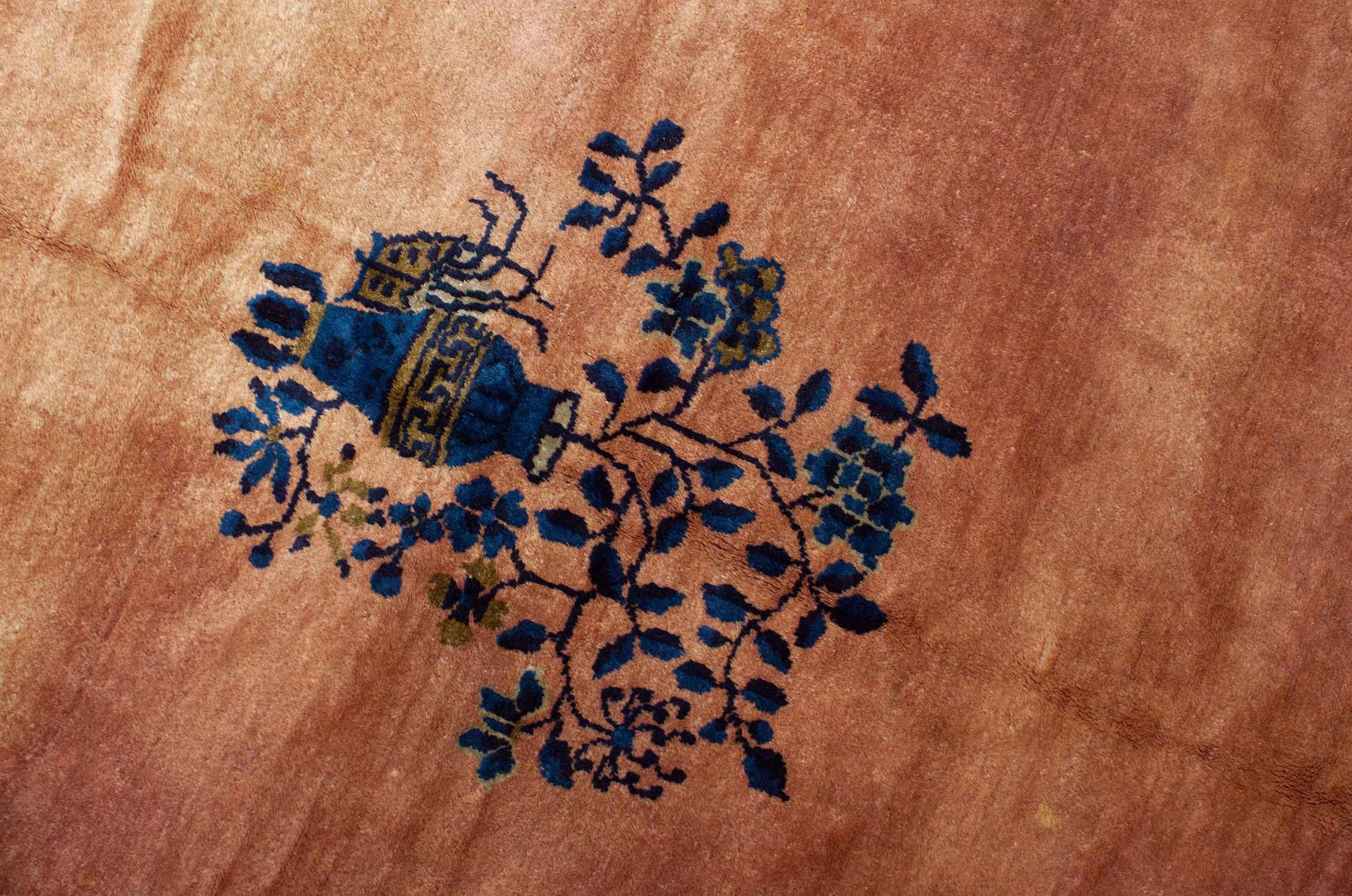
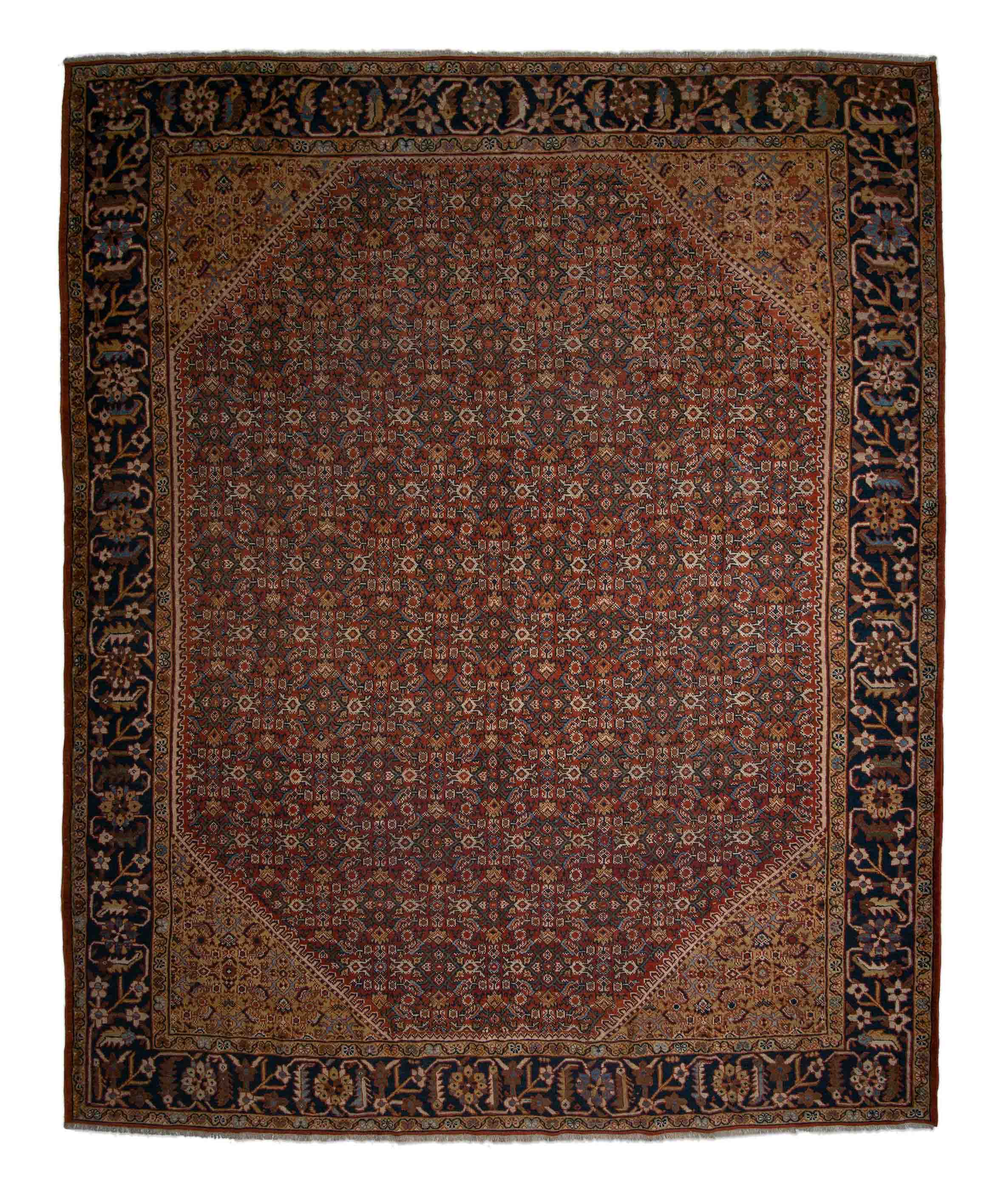
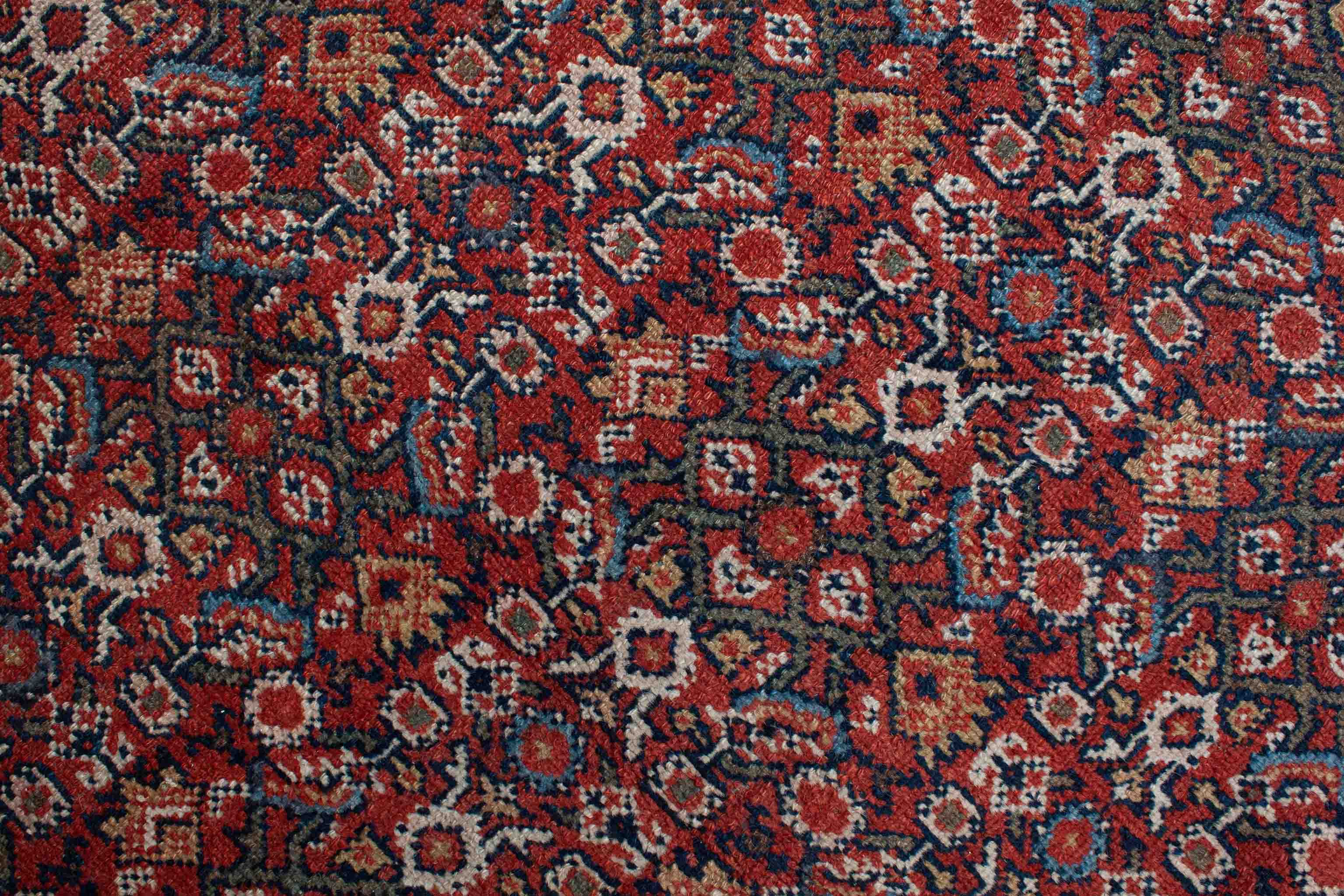
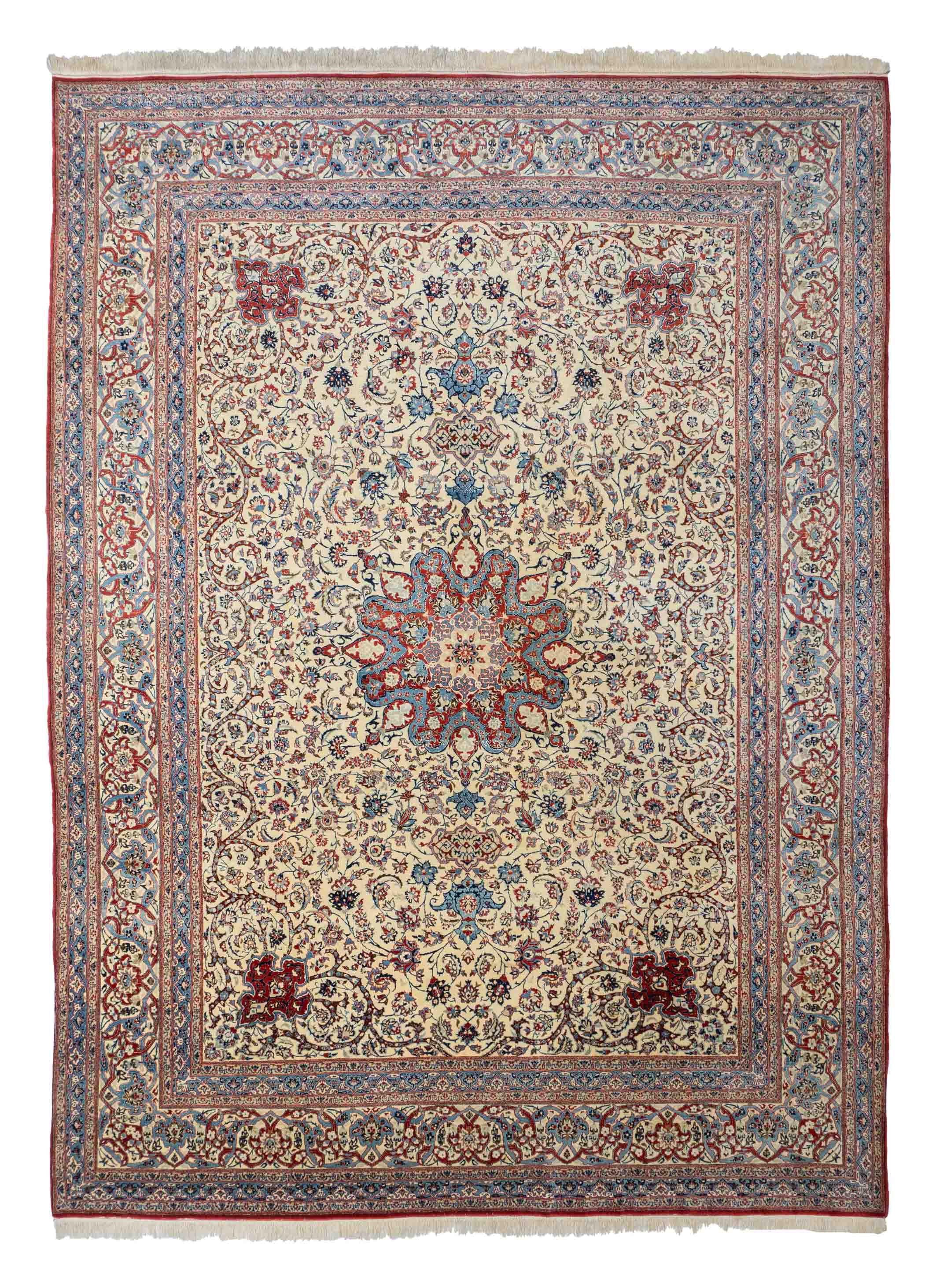
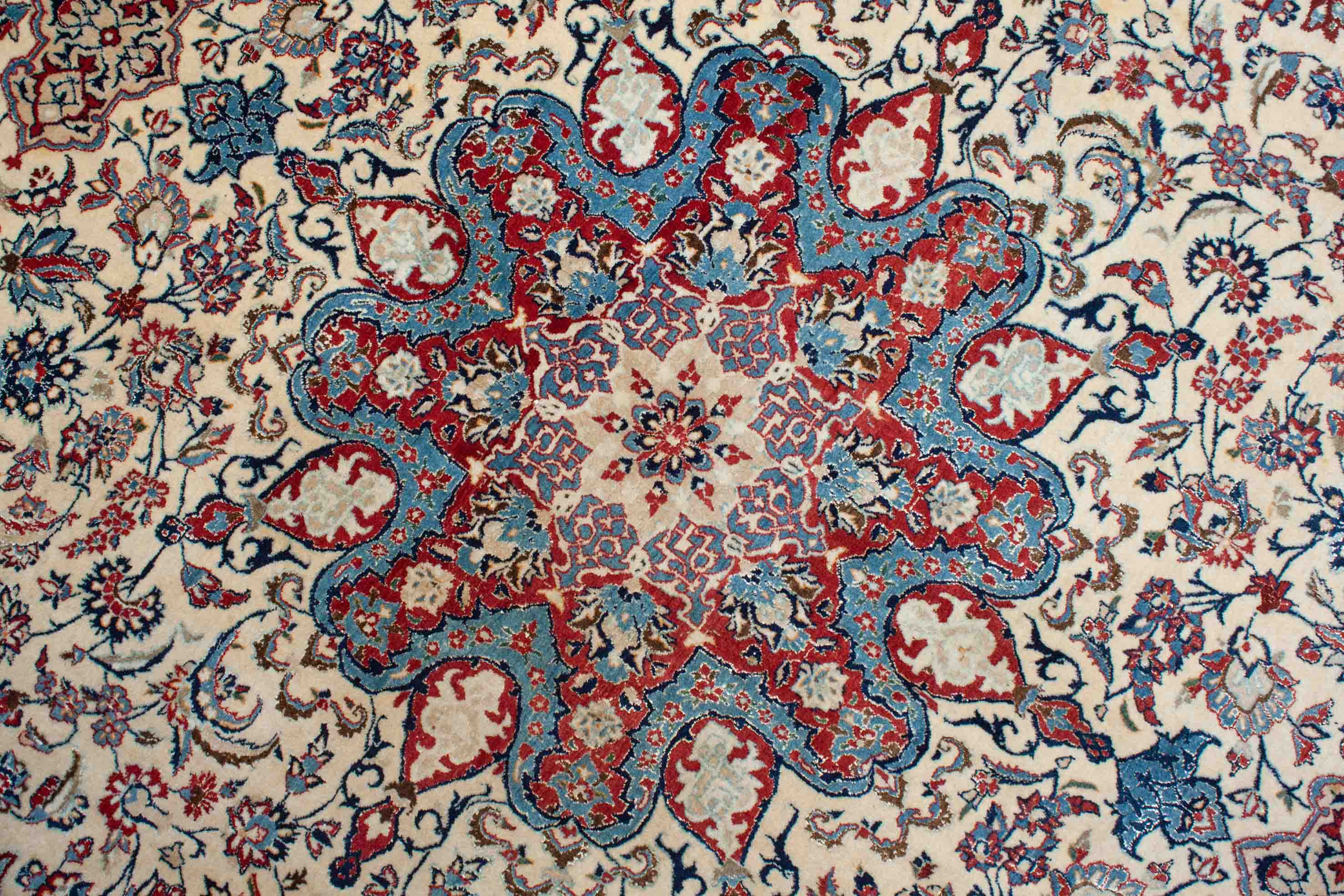
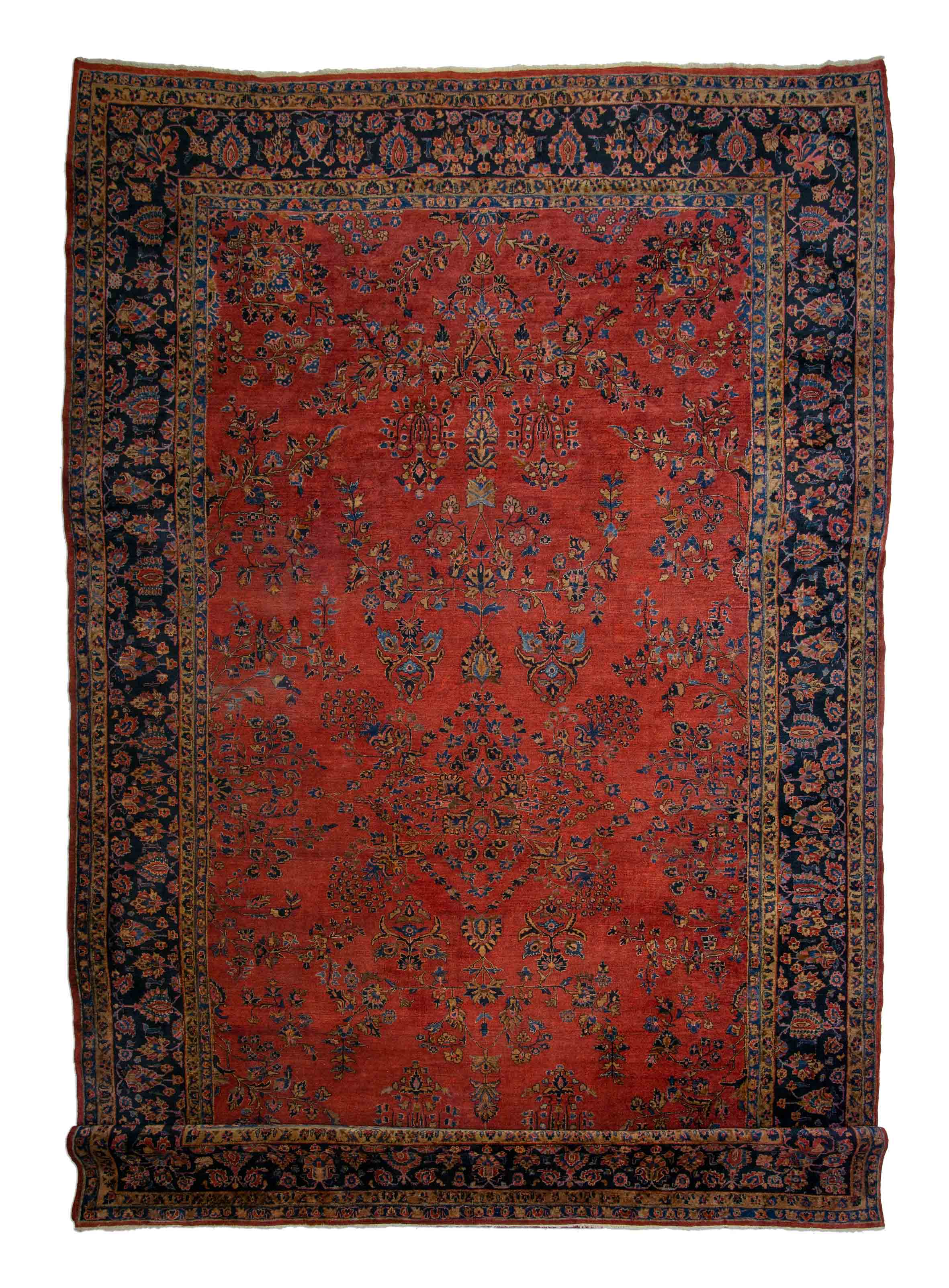
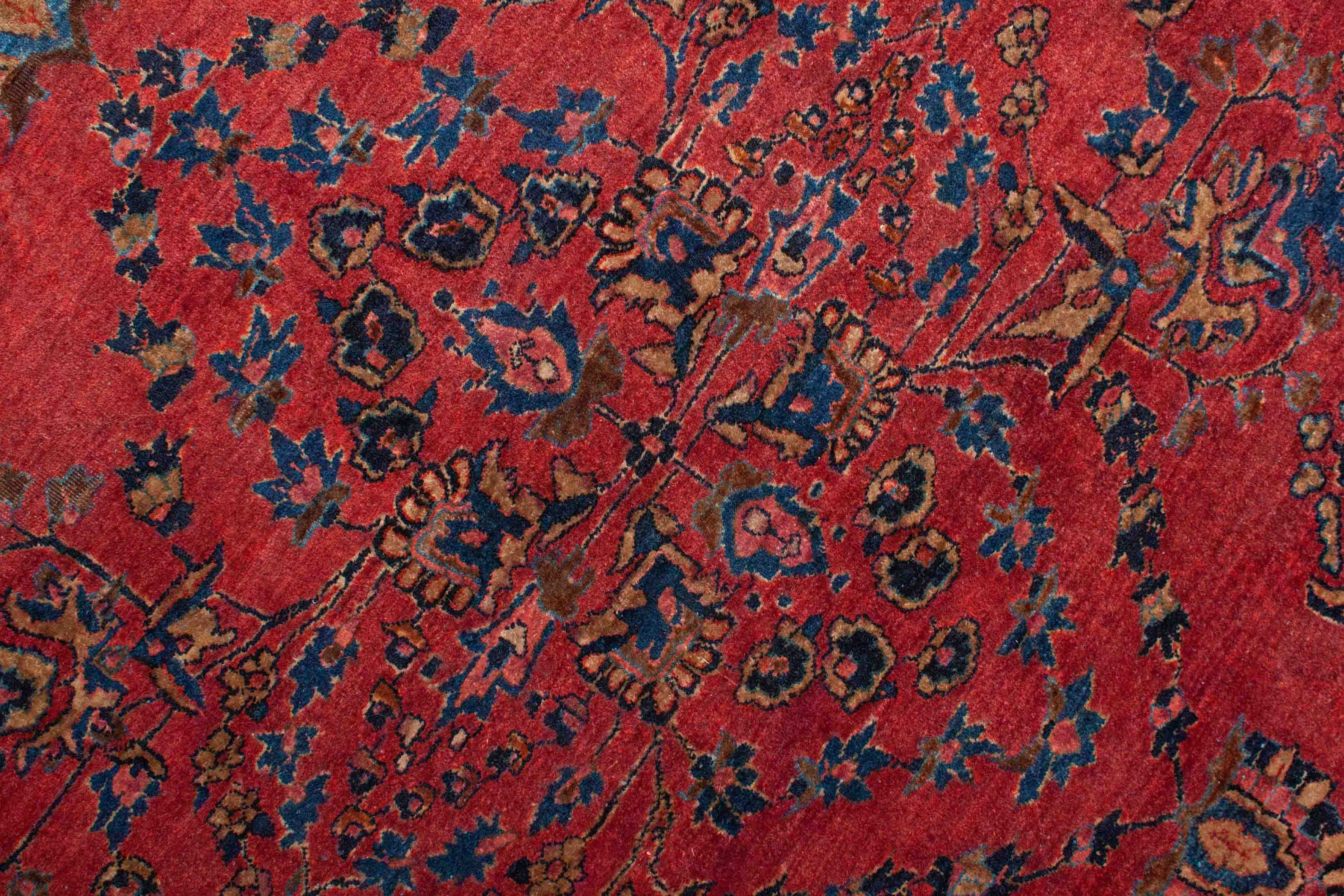
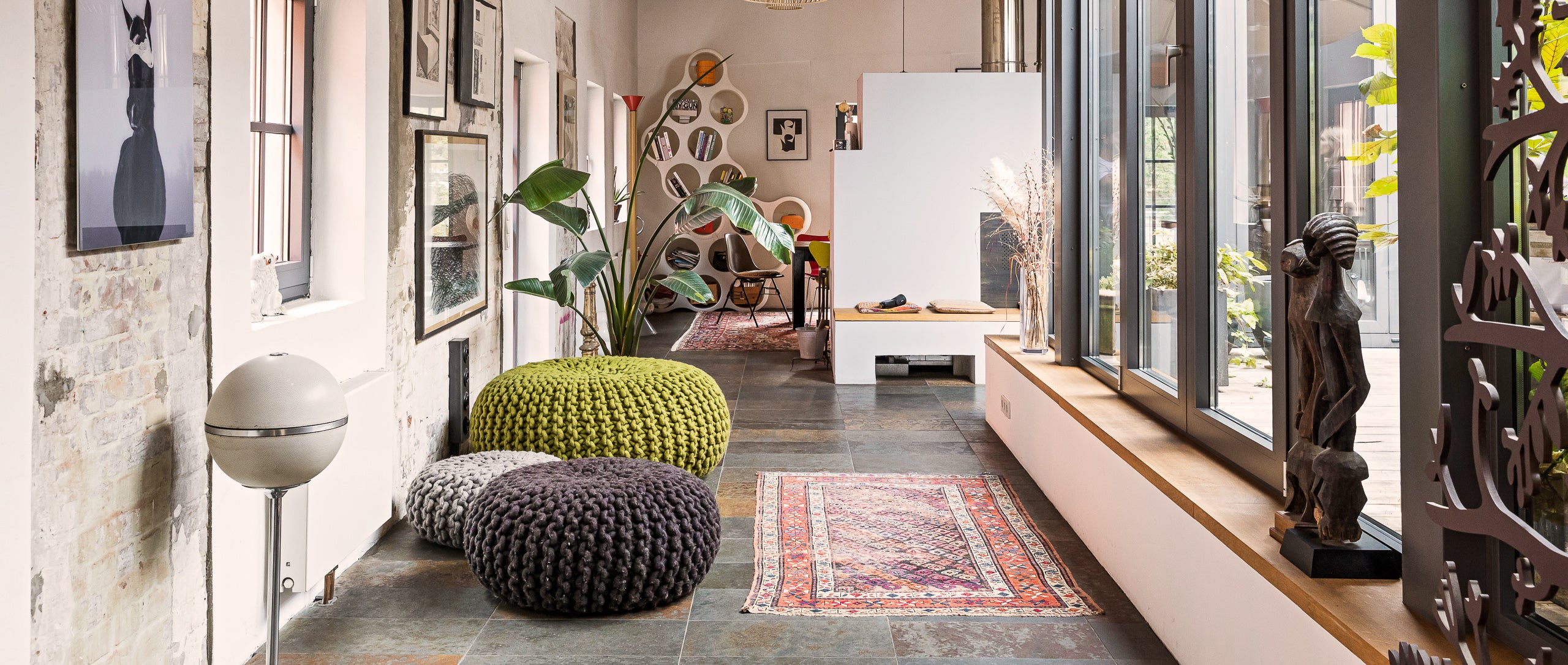
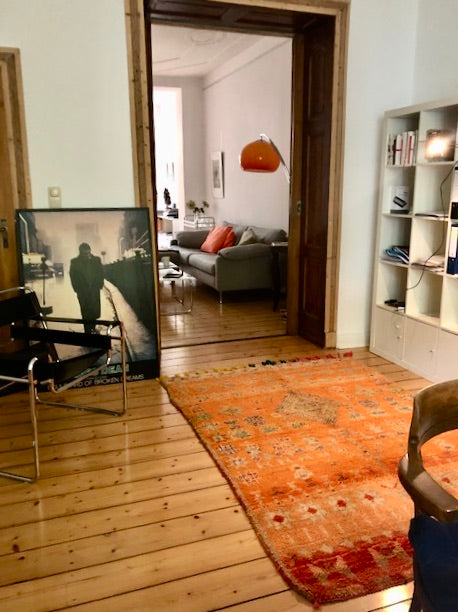
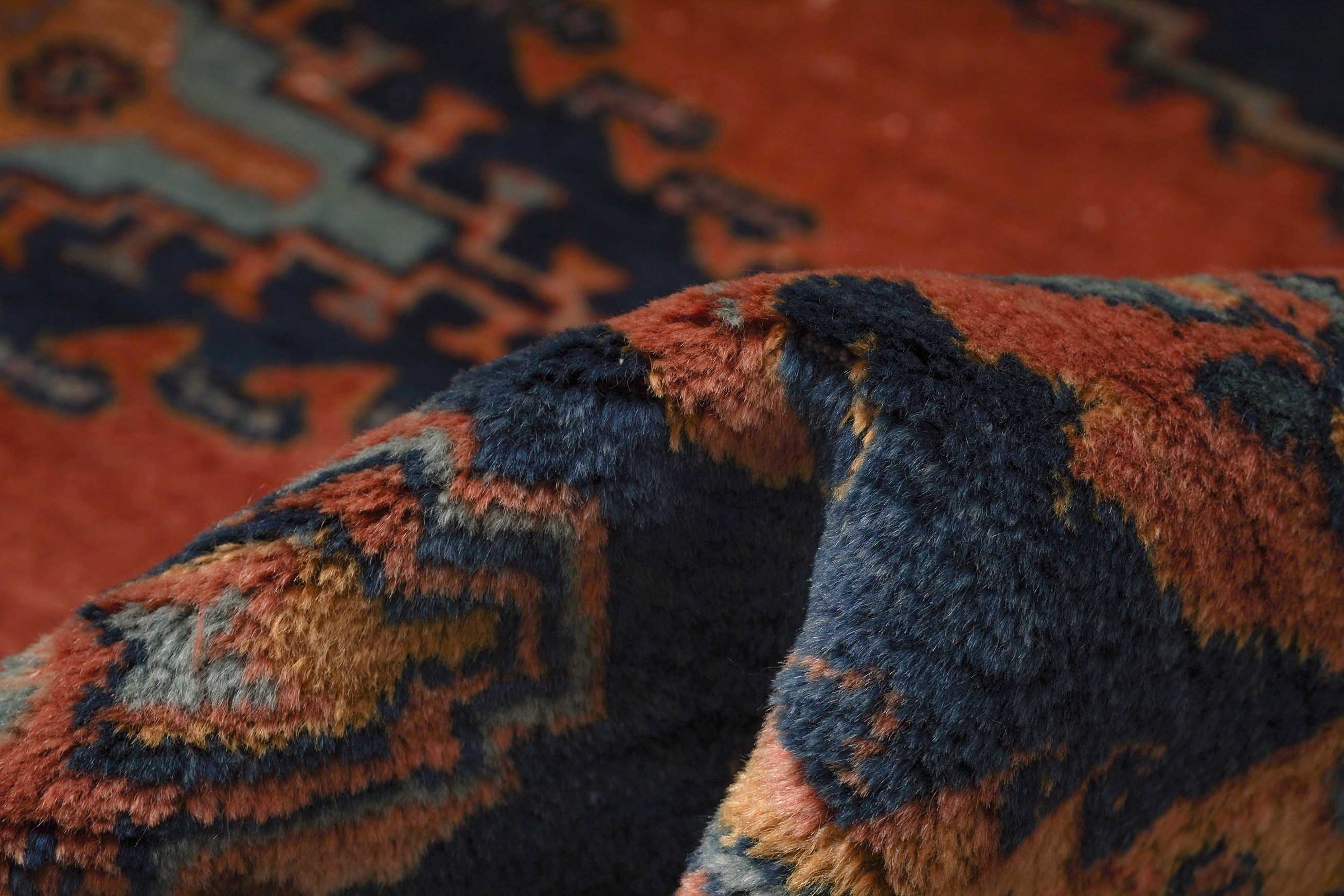
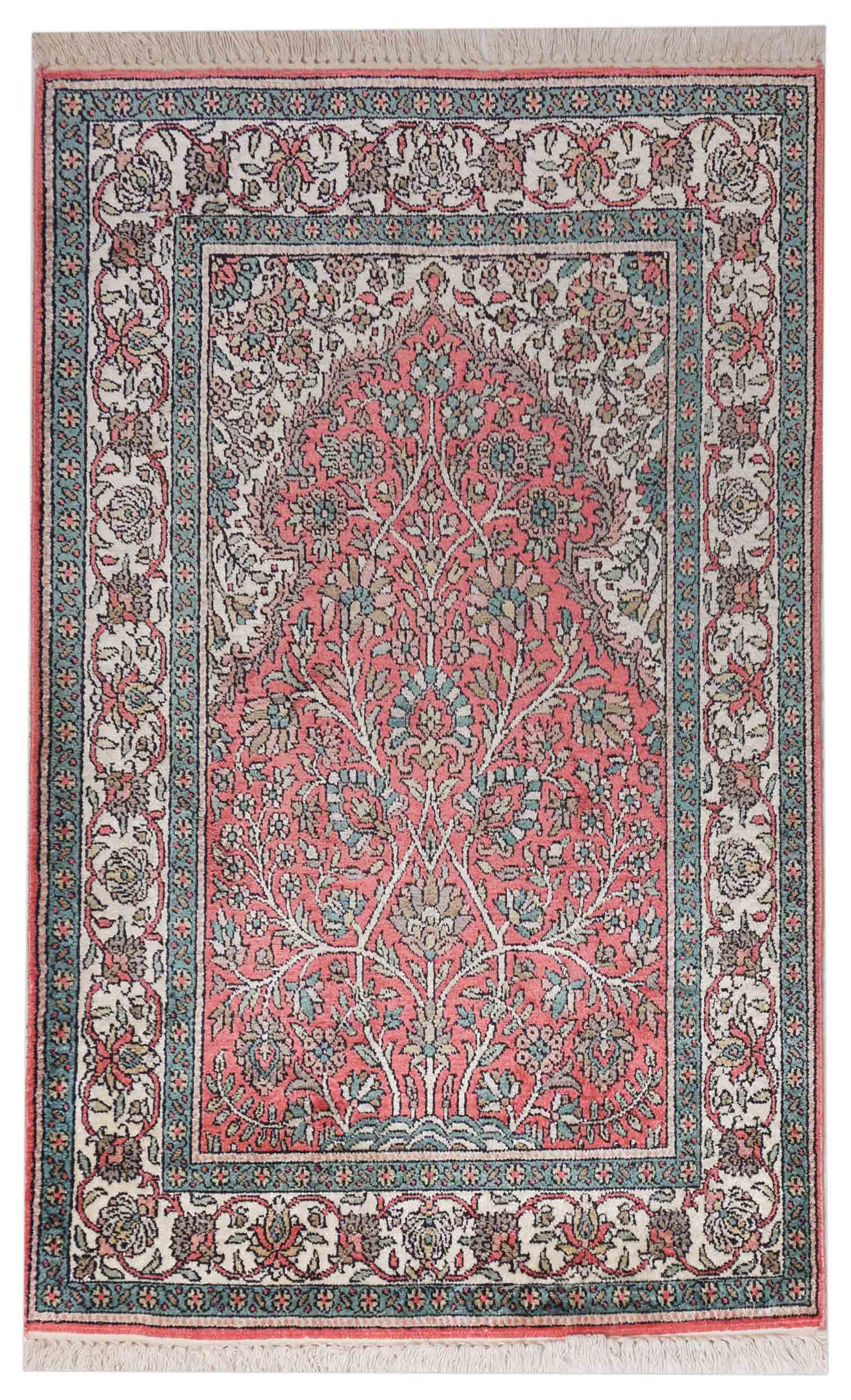
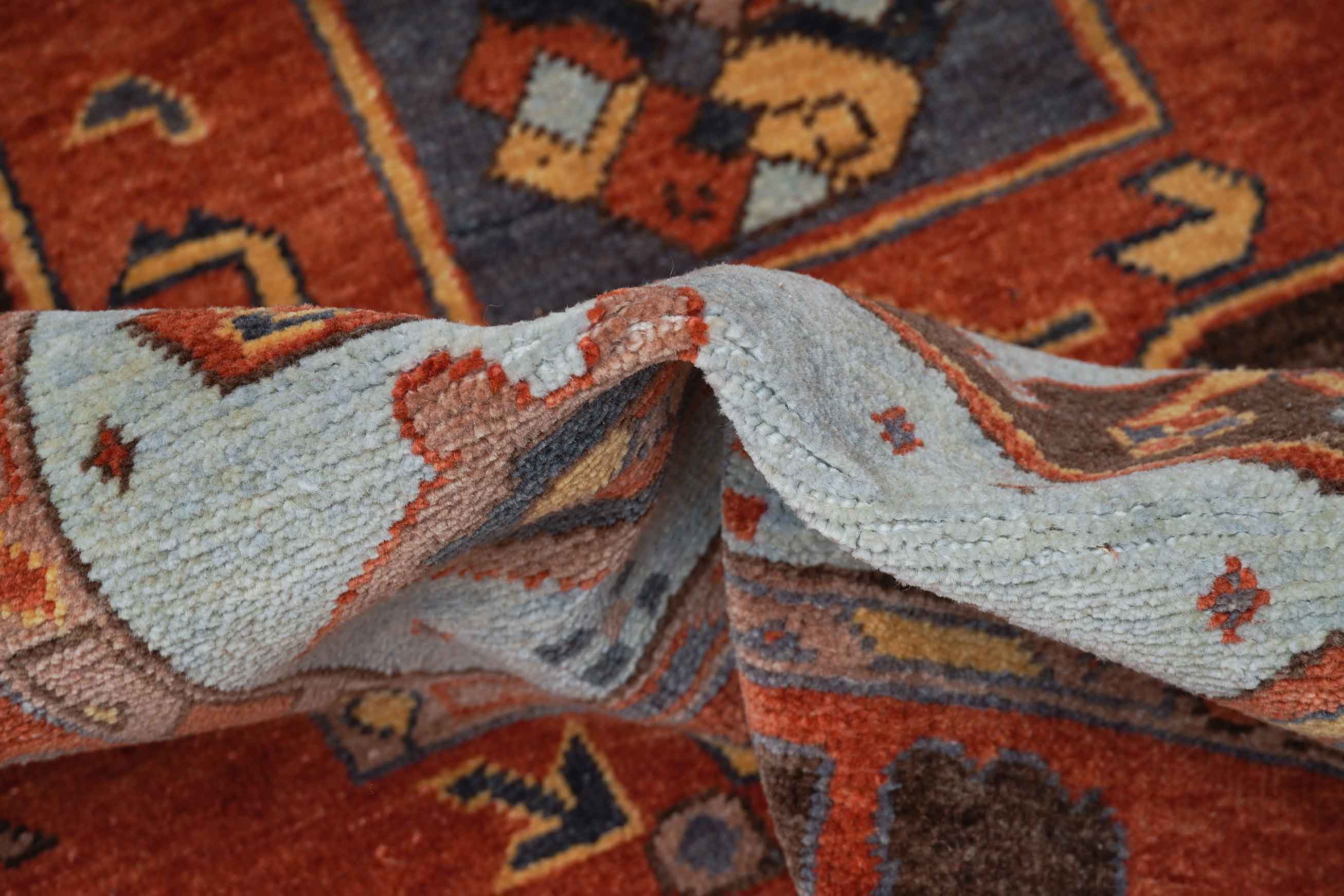
Traditional hand-knotted rugs are moving back into the focus of interior architects and designers. Lovers of old Oriental rugs appreciate the intense colours, the hypnotic patterns and fascinating history.
Rugs with soul
Old & Antique Rugs
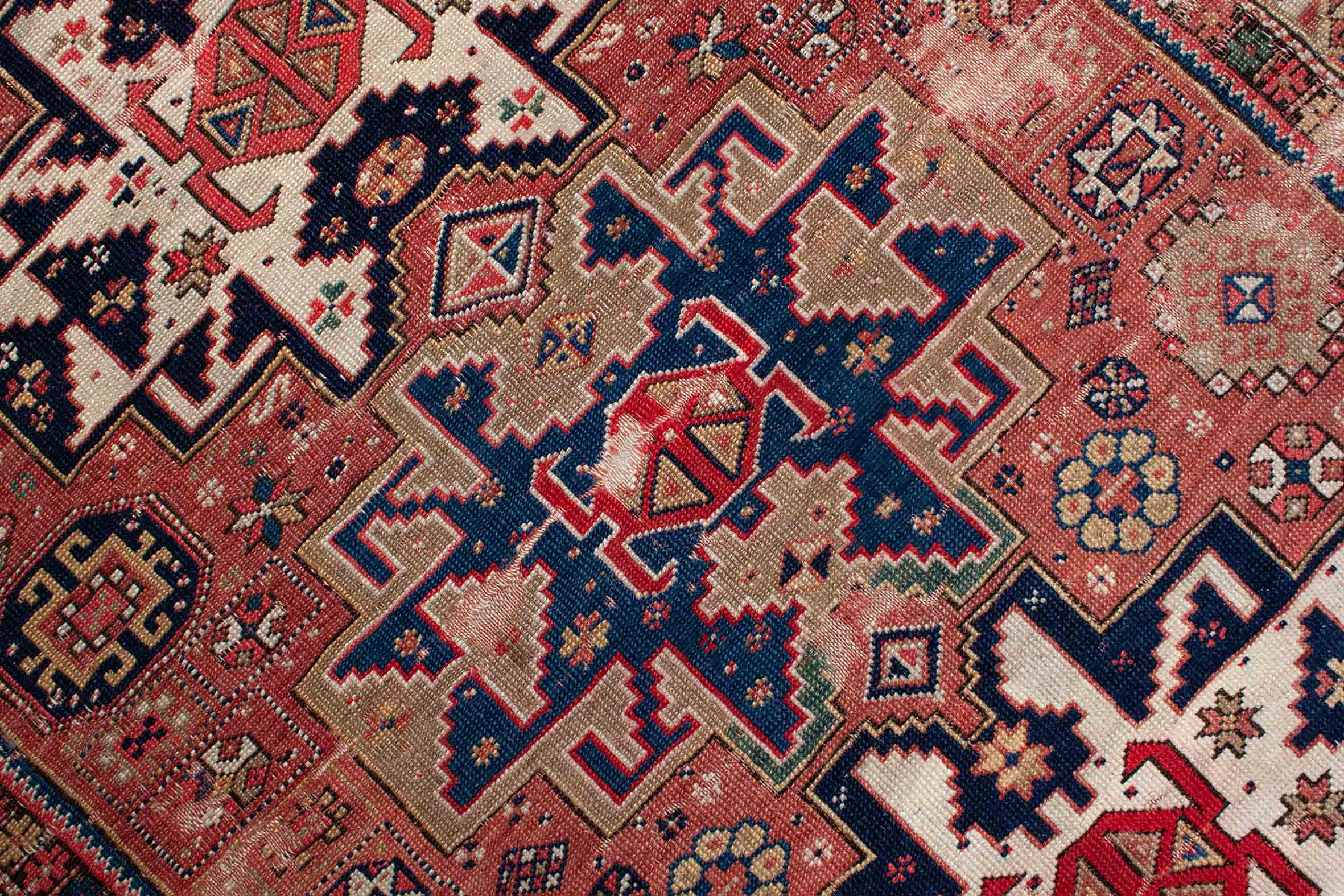
The difference between old and antique rugs comes down to the age of the rug:
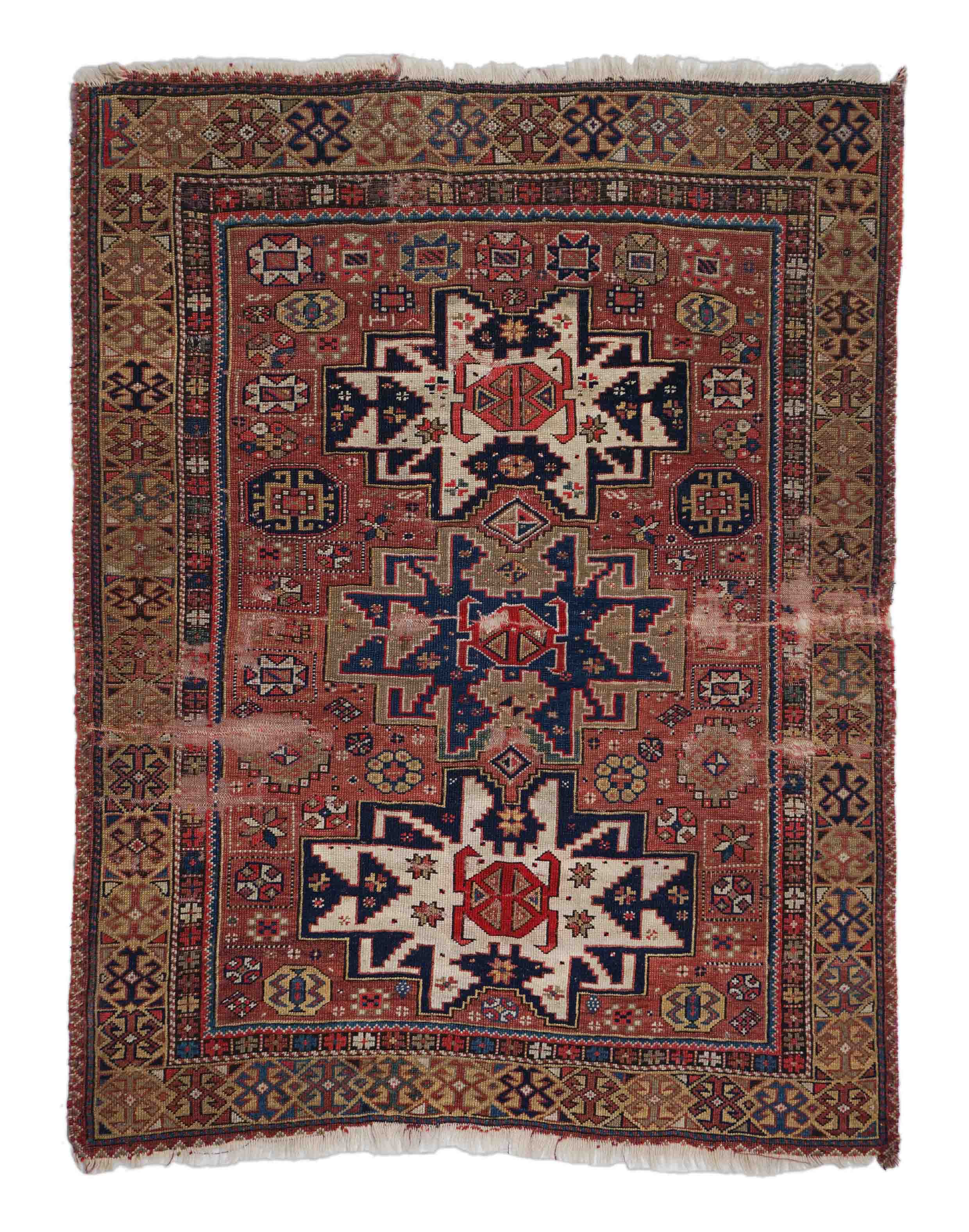
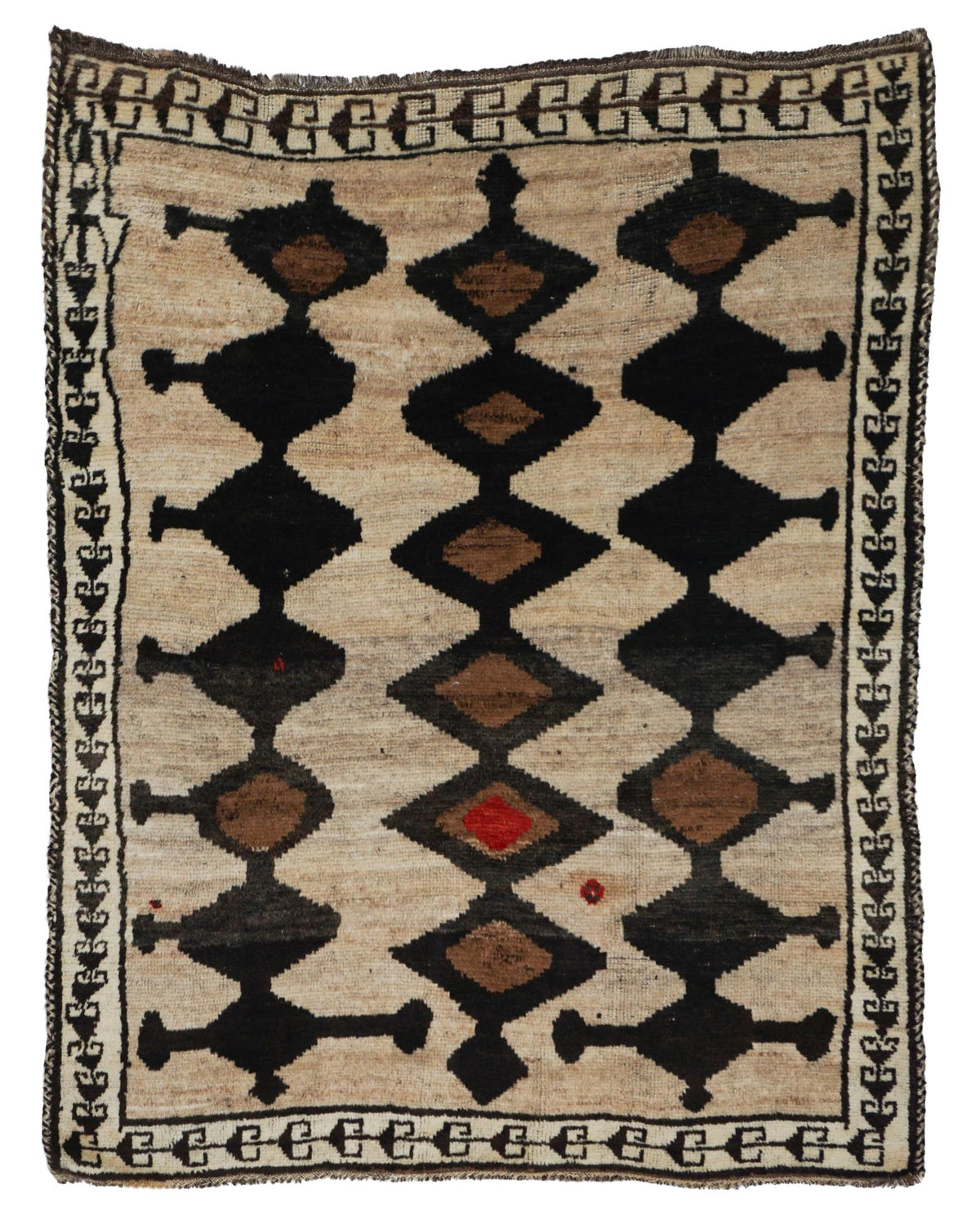
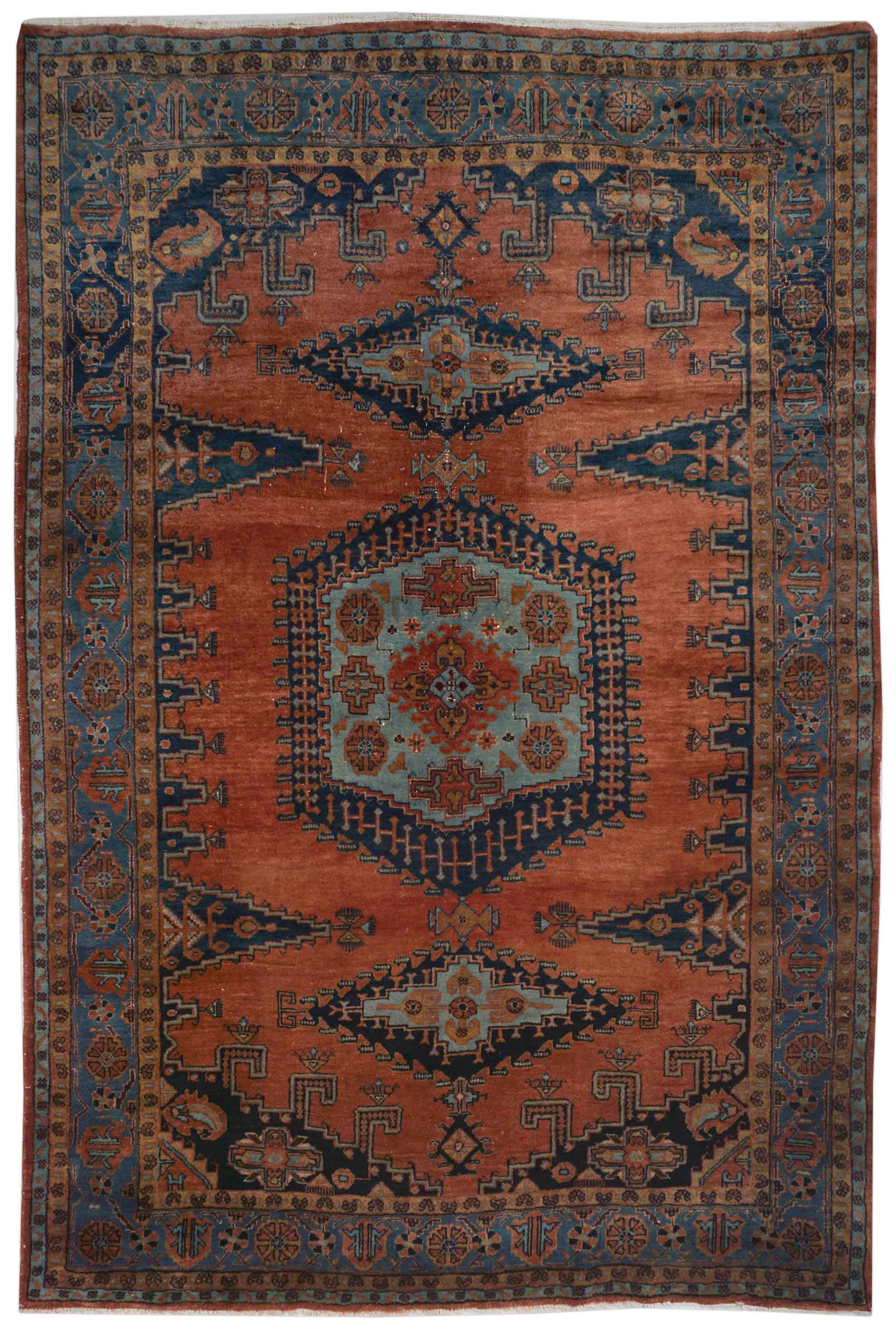
We class rugs with 40 to 99 years behind them as old.
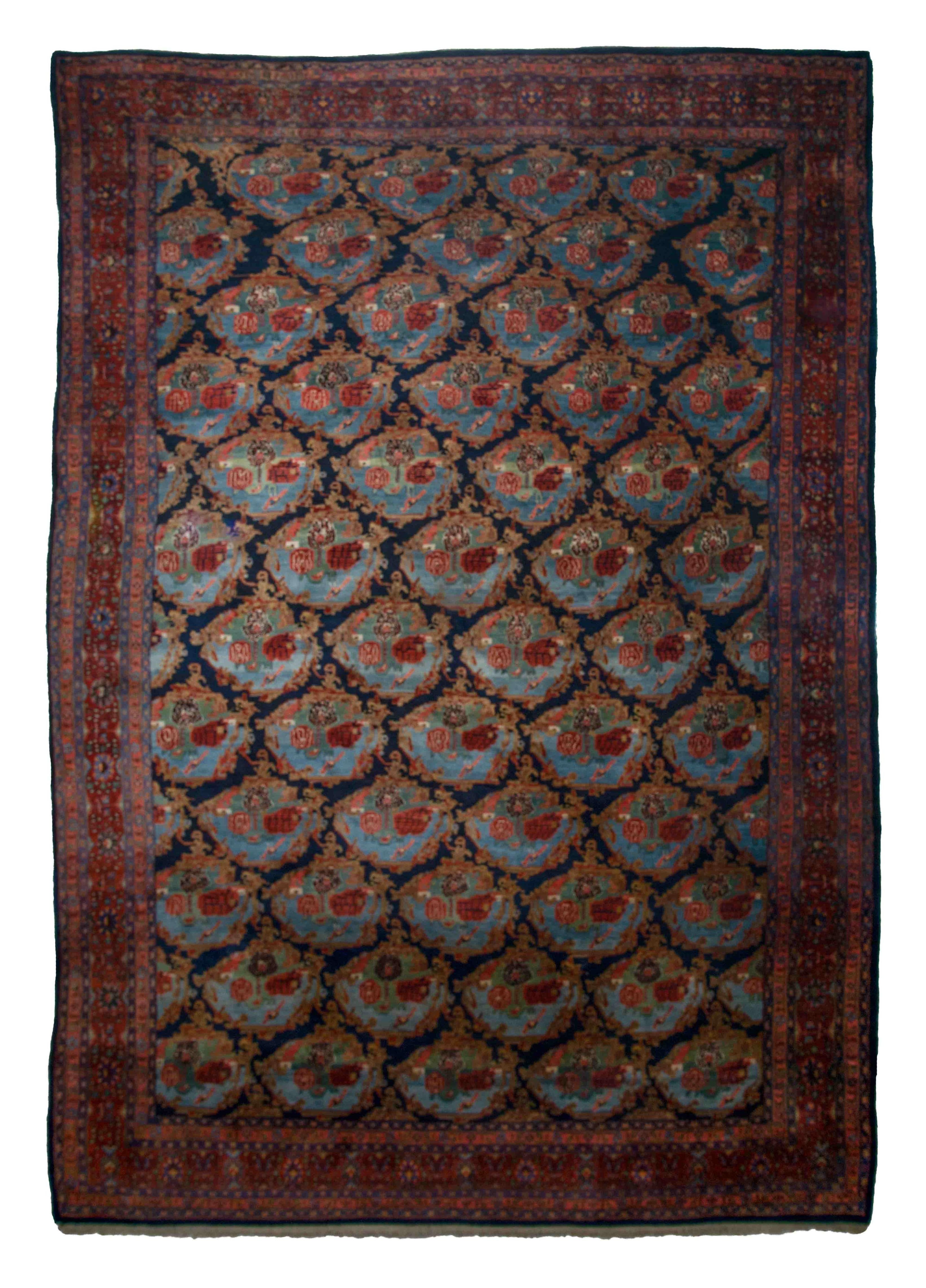
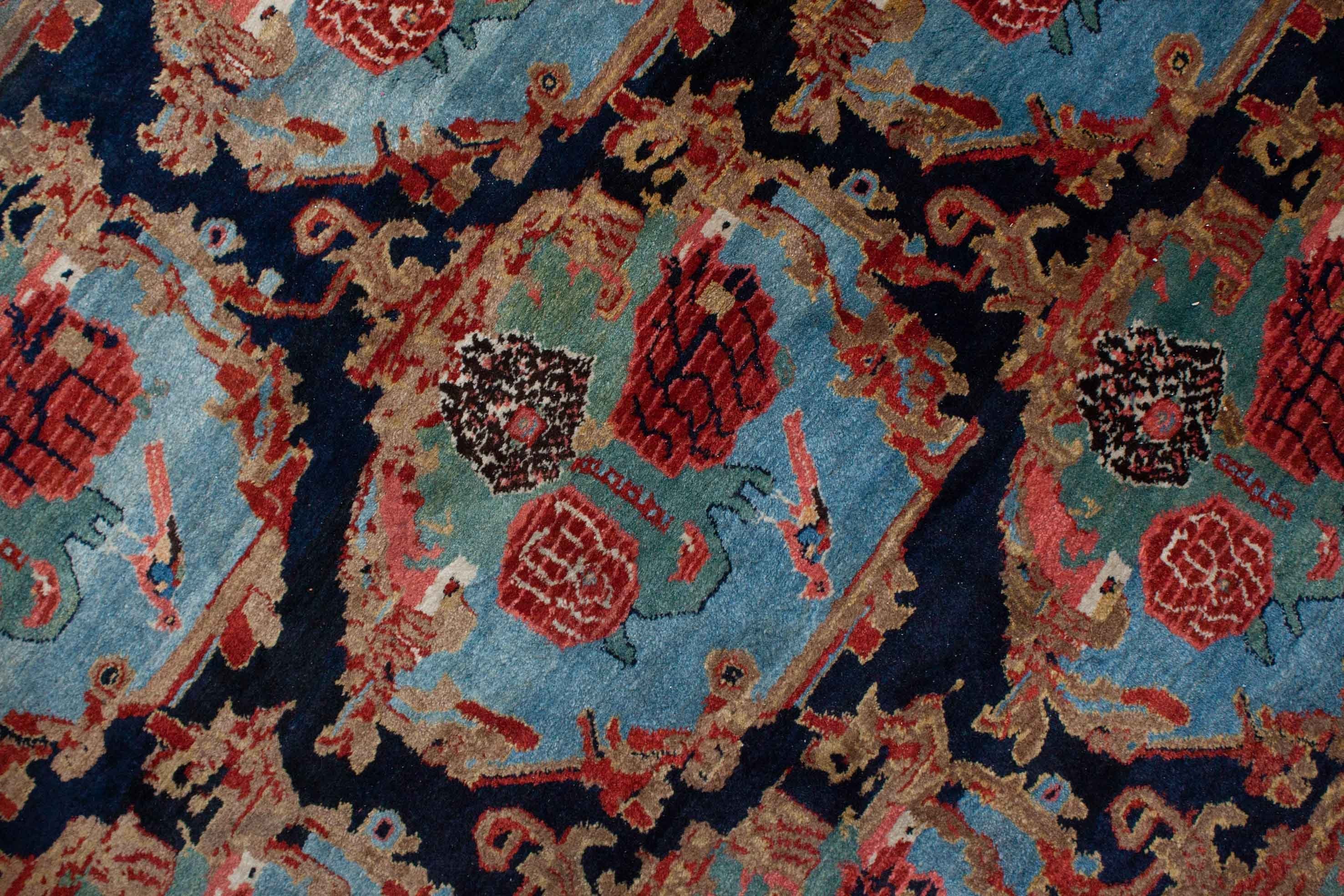
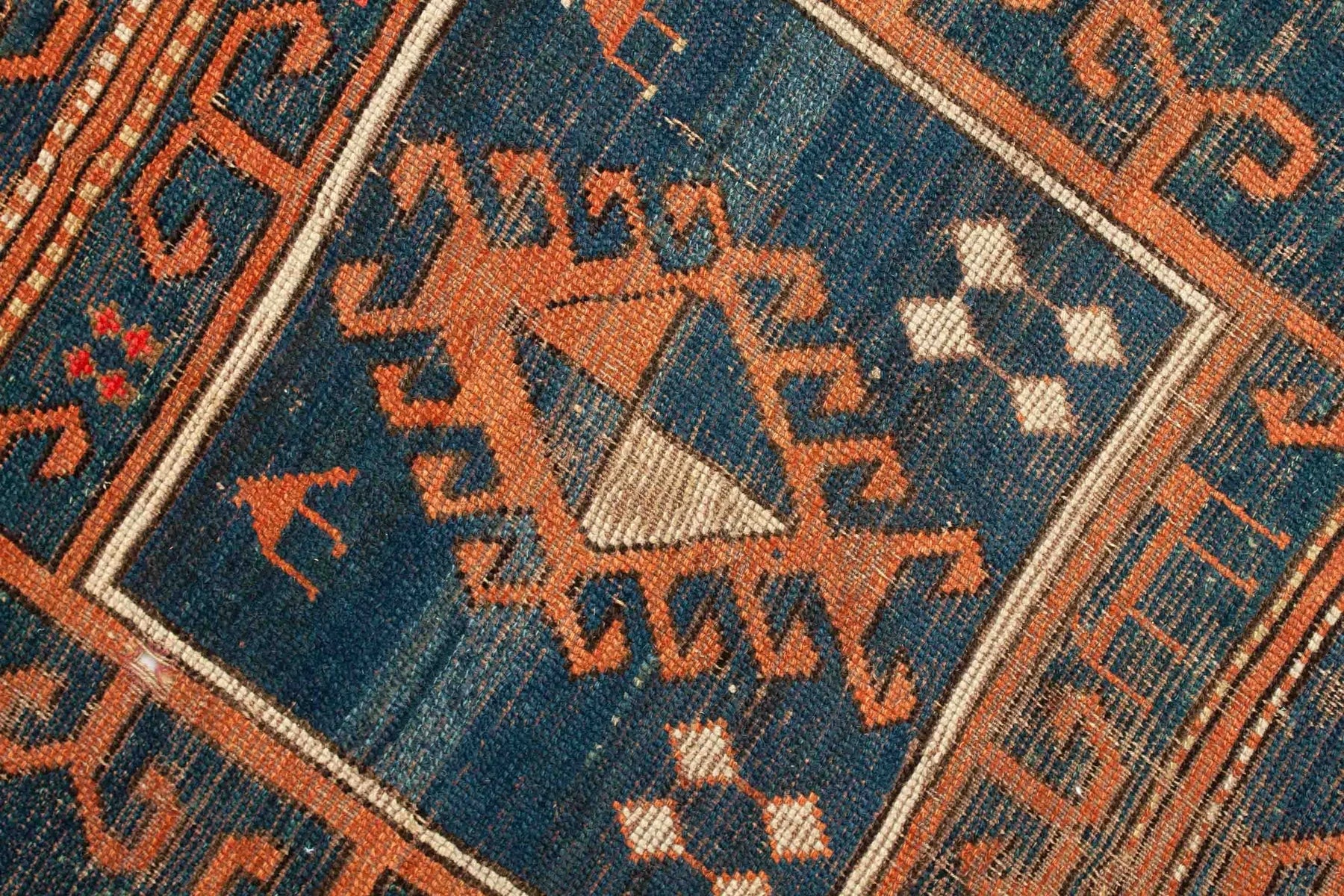
Rugs that are at least 100 years old count as antique and are collector's items.
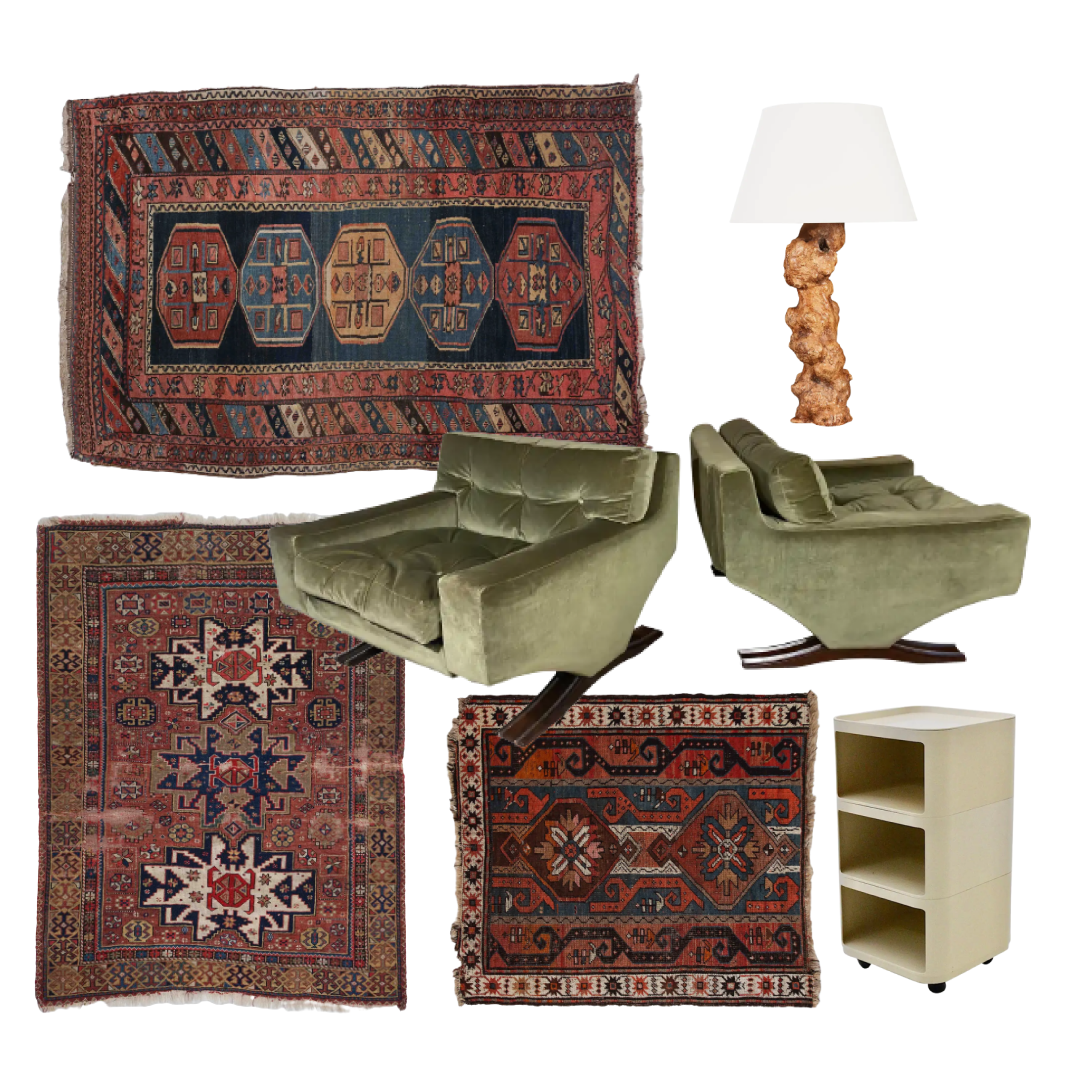
Treasures from the Past
Treasures from the Past
Old becomes new
Reworked old rugs
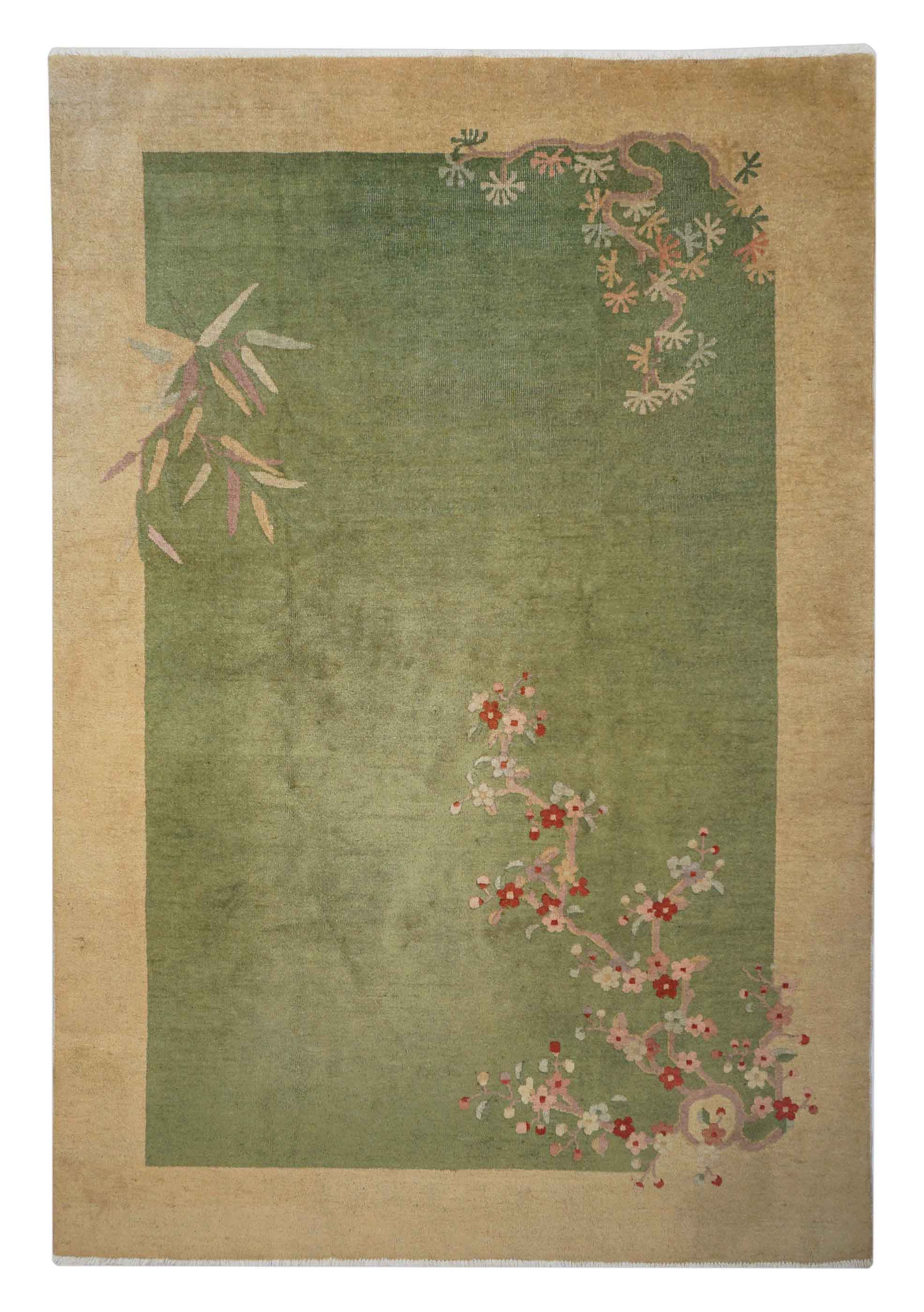
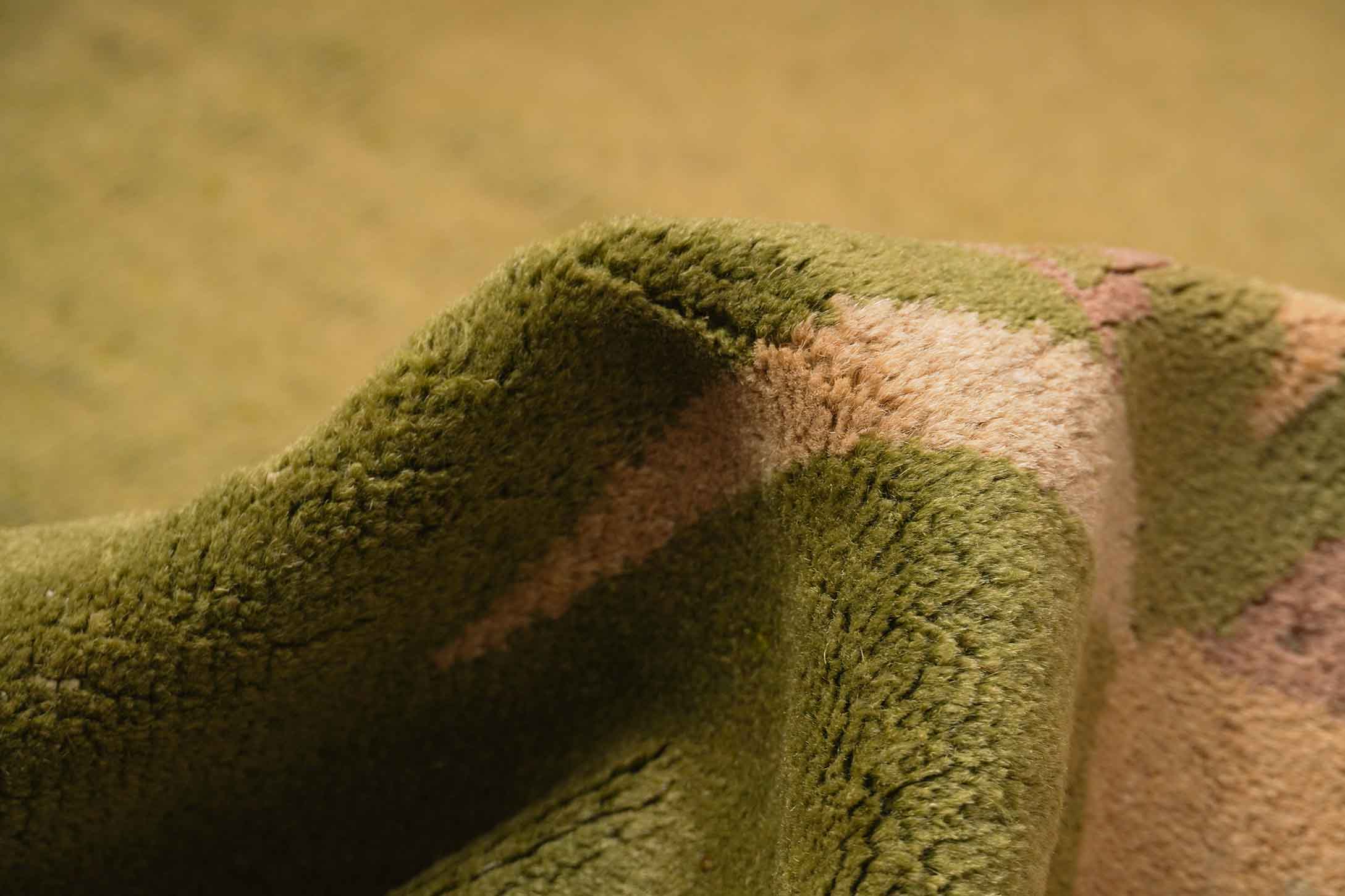
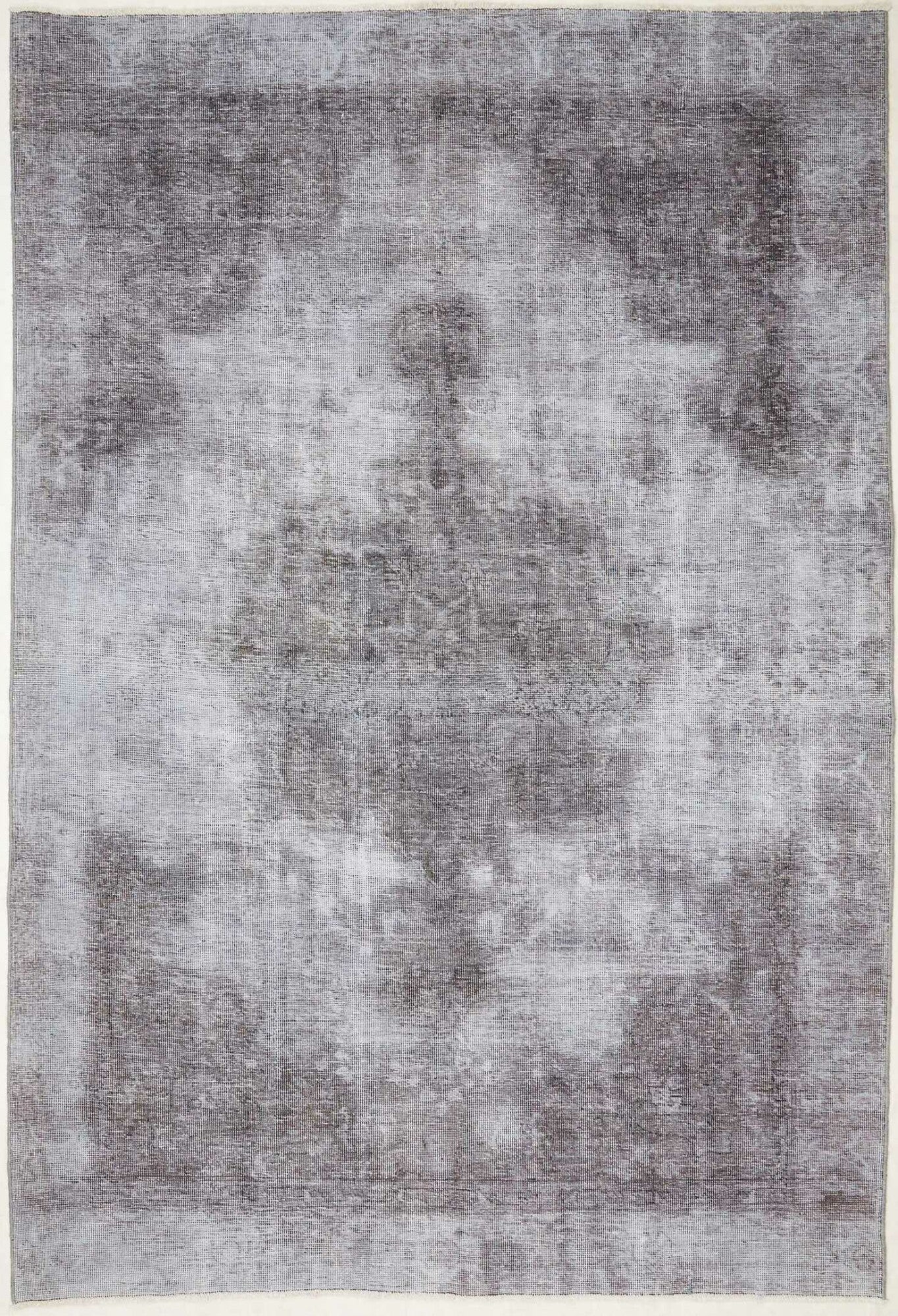
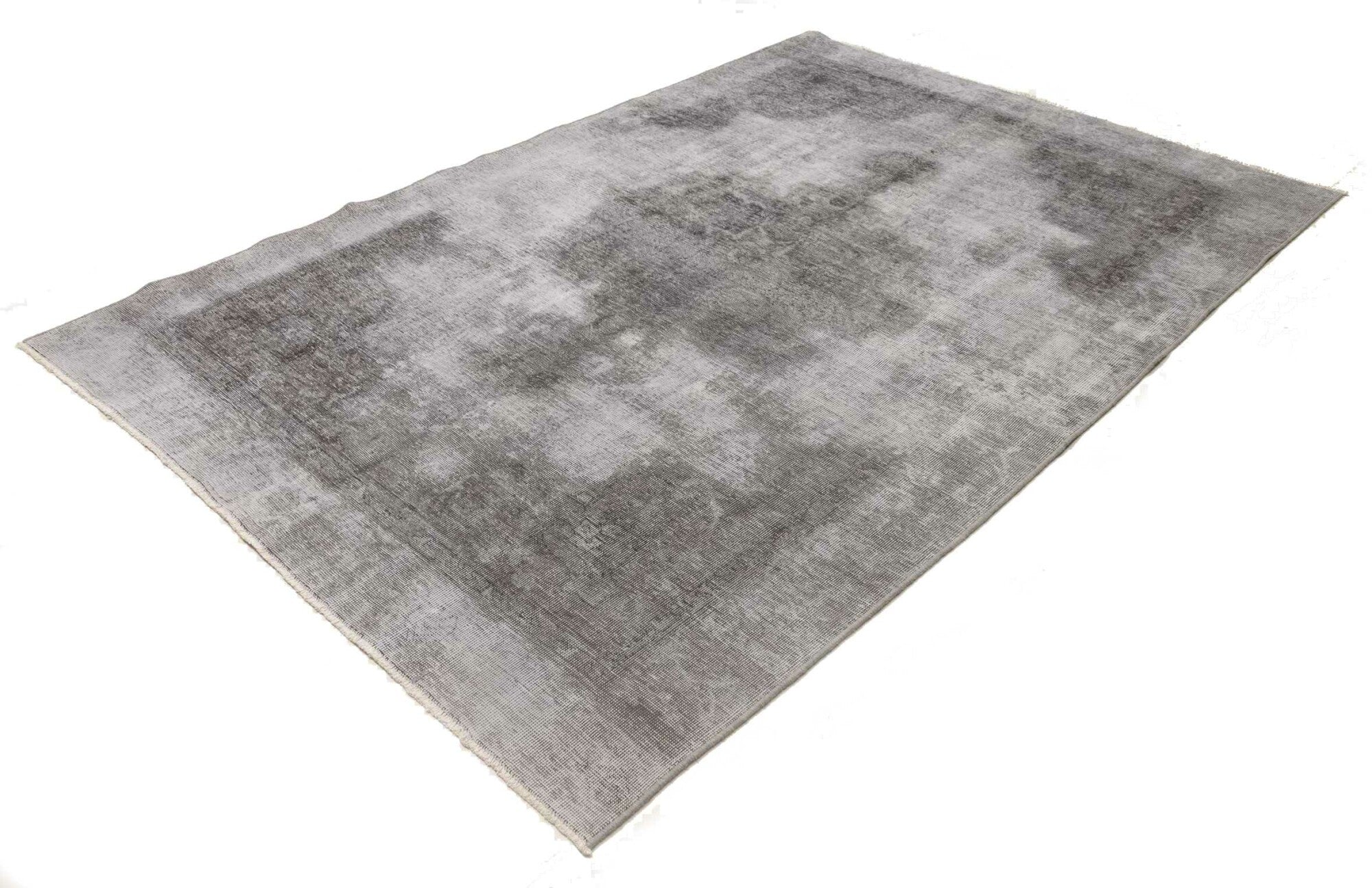
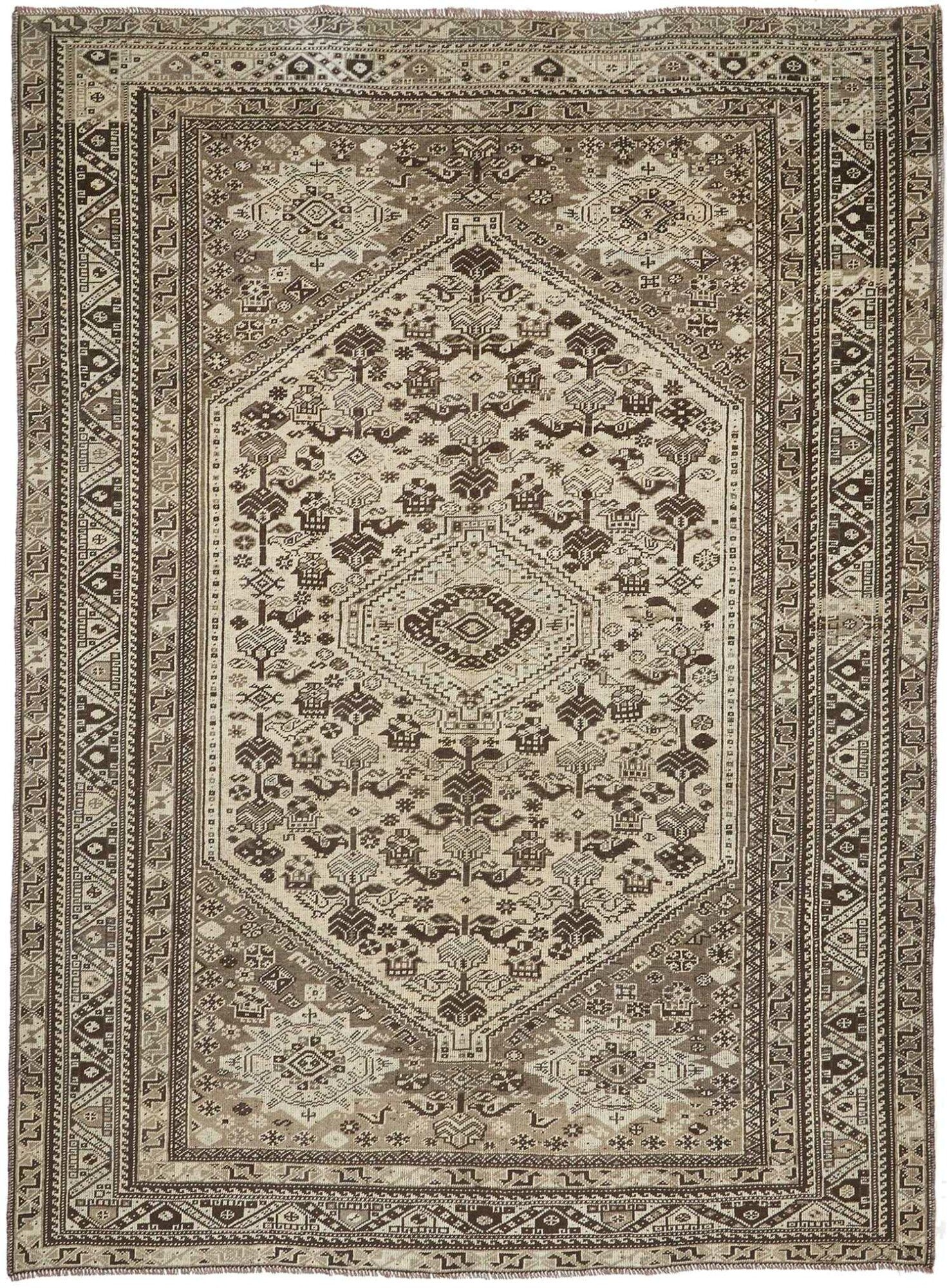
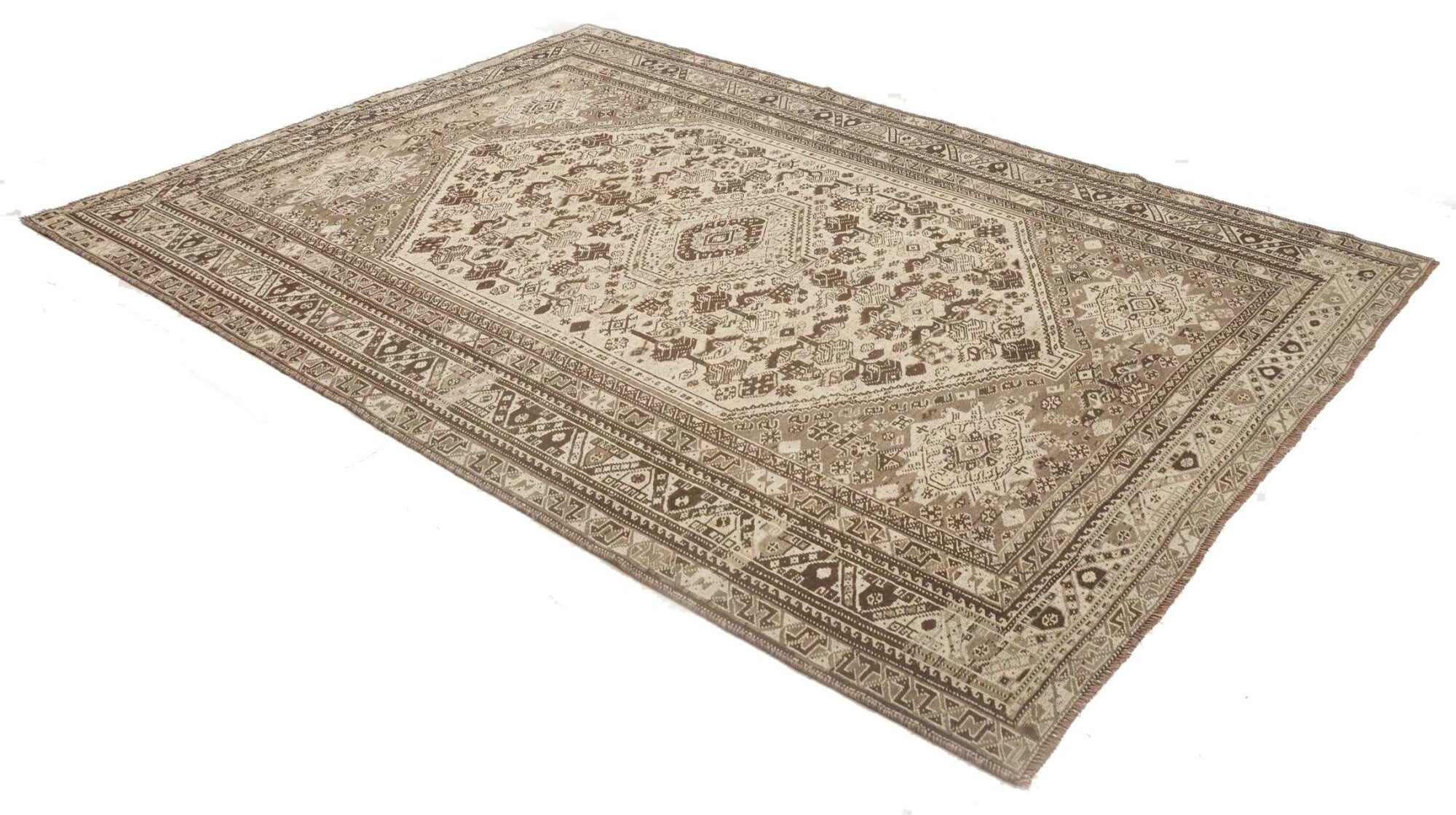
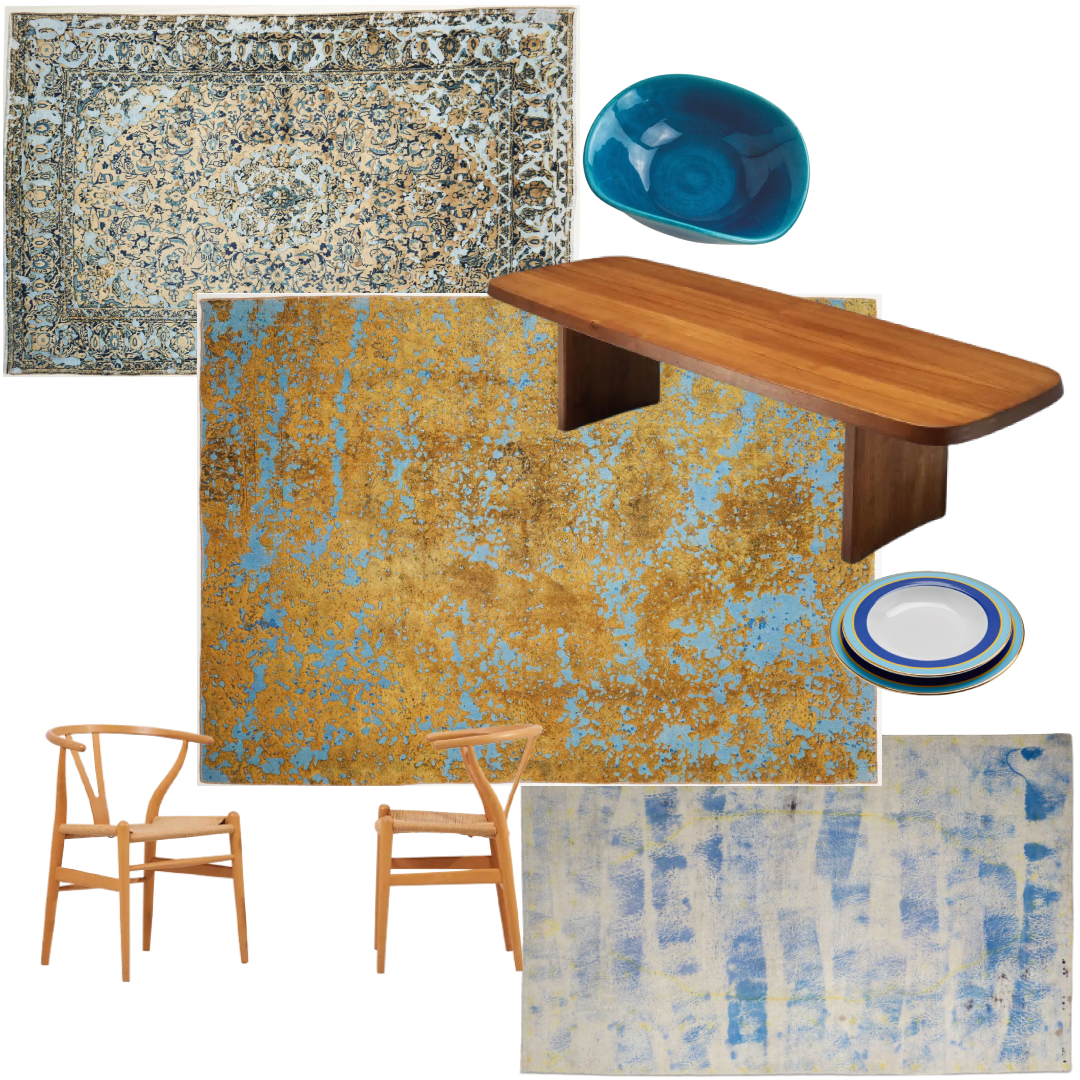
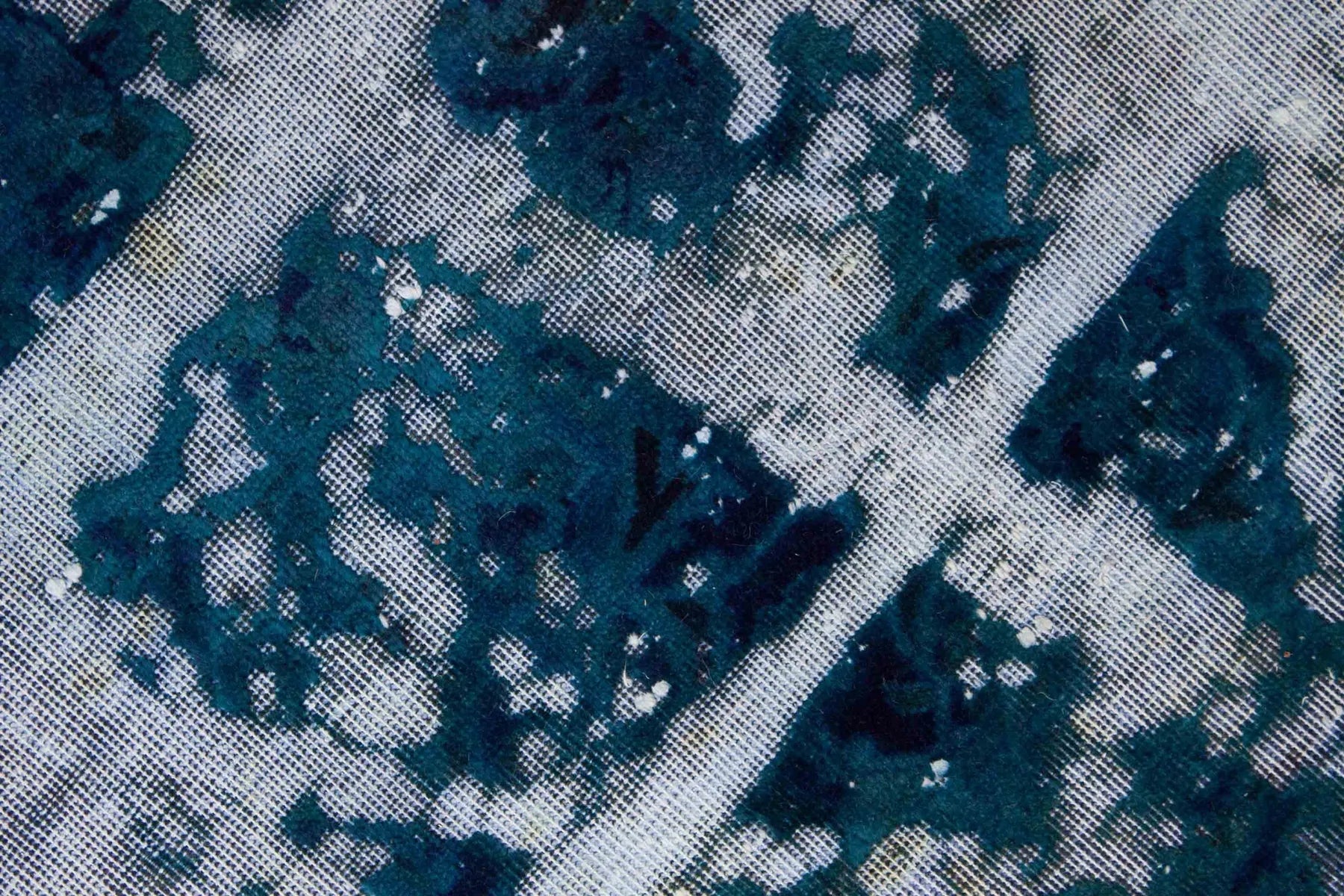
Some of our old Oriental rugs are given a more modern look through an elaborate process. We call these rugs vintage rugs.
Rugs in vintage style are design pieces in which traditional craftsmanship meets contemporary interior culture.
The new dyeing lends the traditional patterns of Oriental rugs a timeless character. Rugs whose colouring has fallen out of fashion are given a second life in a more modern guise. Using old rugs as the raw material for new products is resource-friendly and sustainable.
Featured collection
Vintage rugs to feel at home with

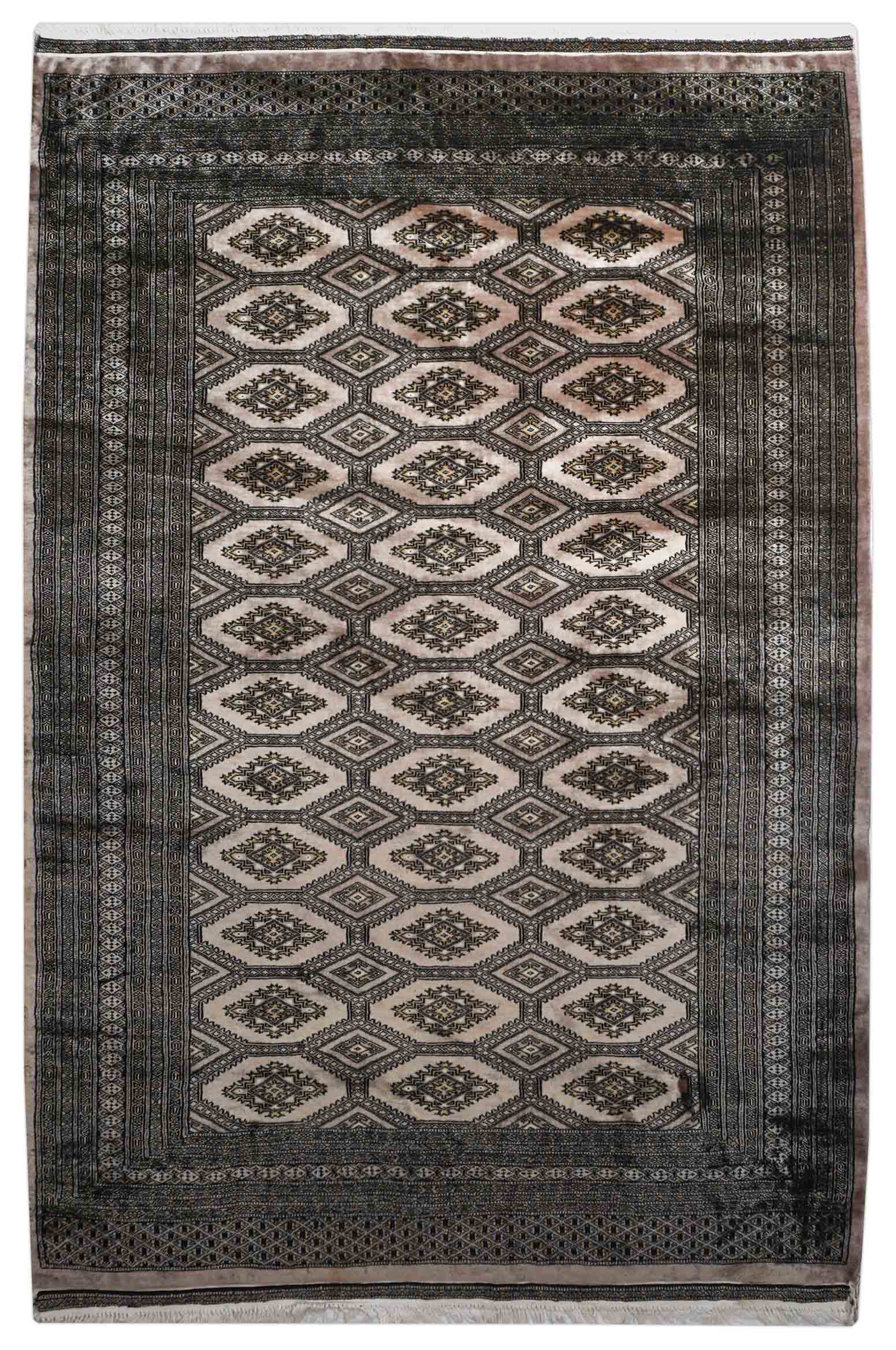
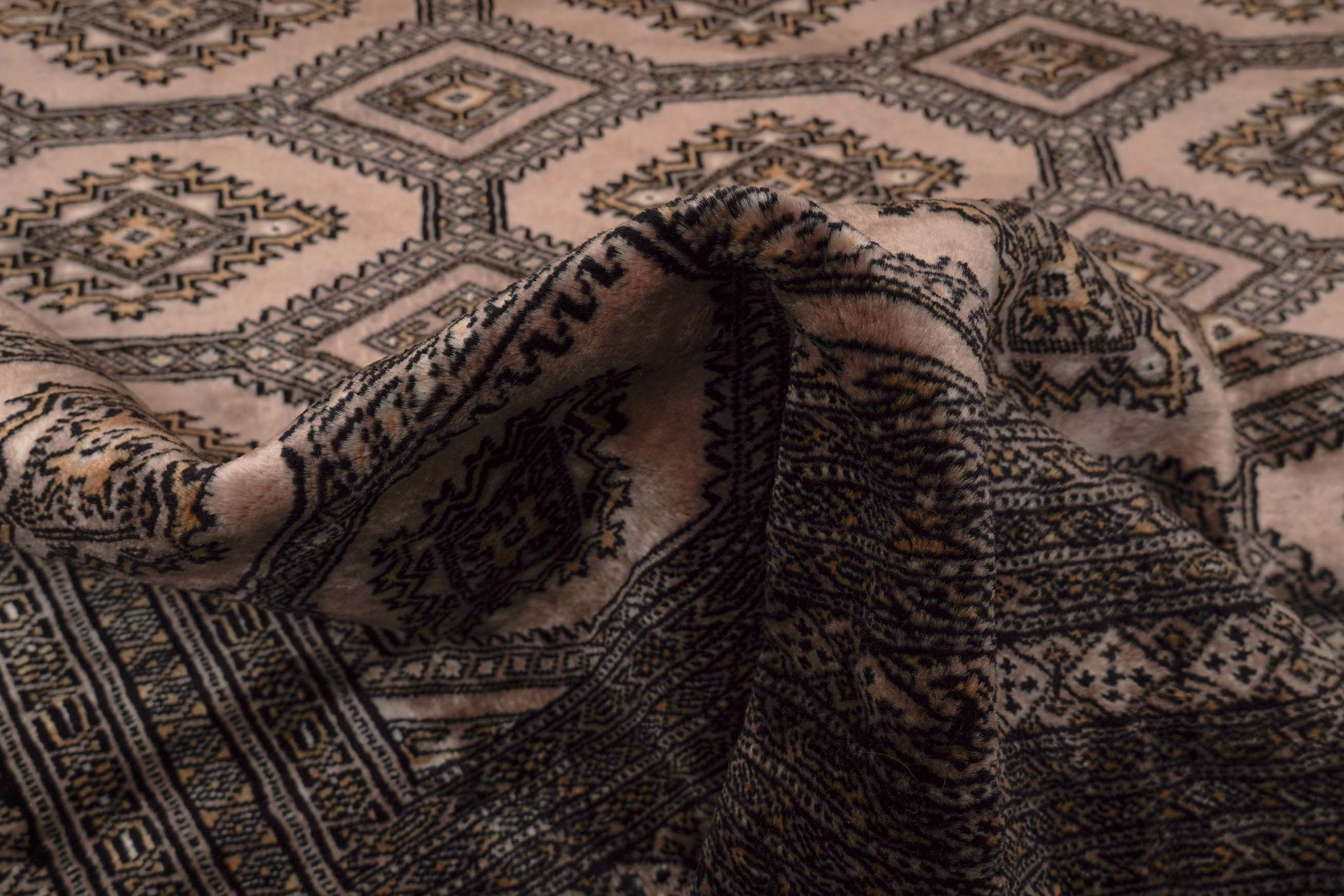
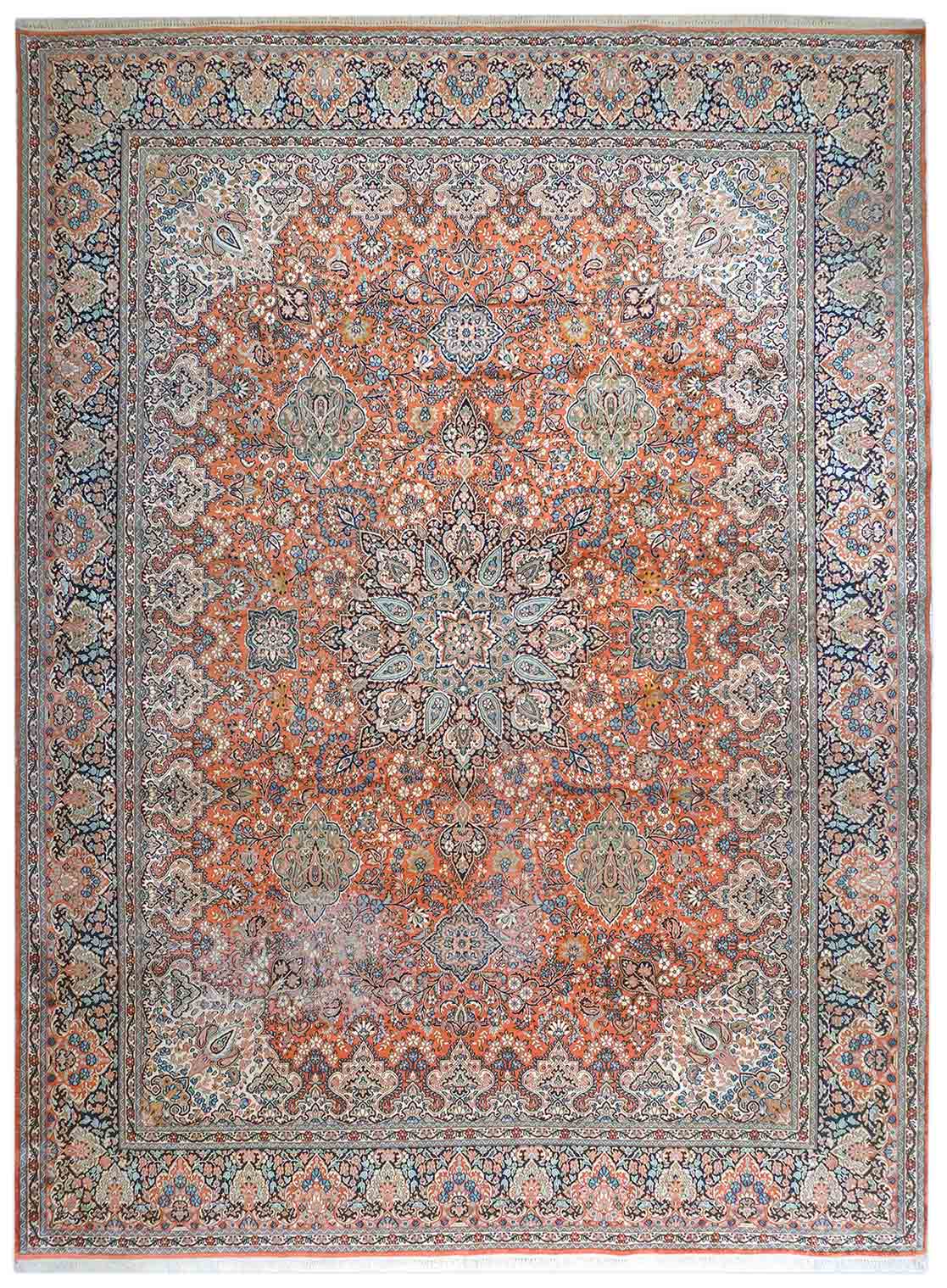

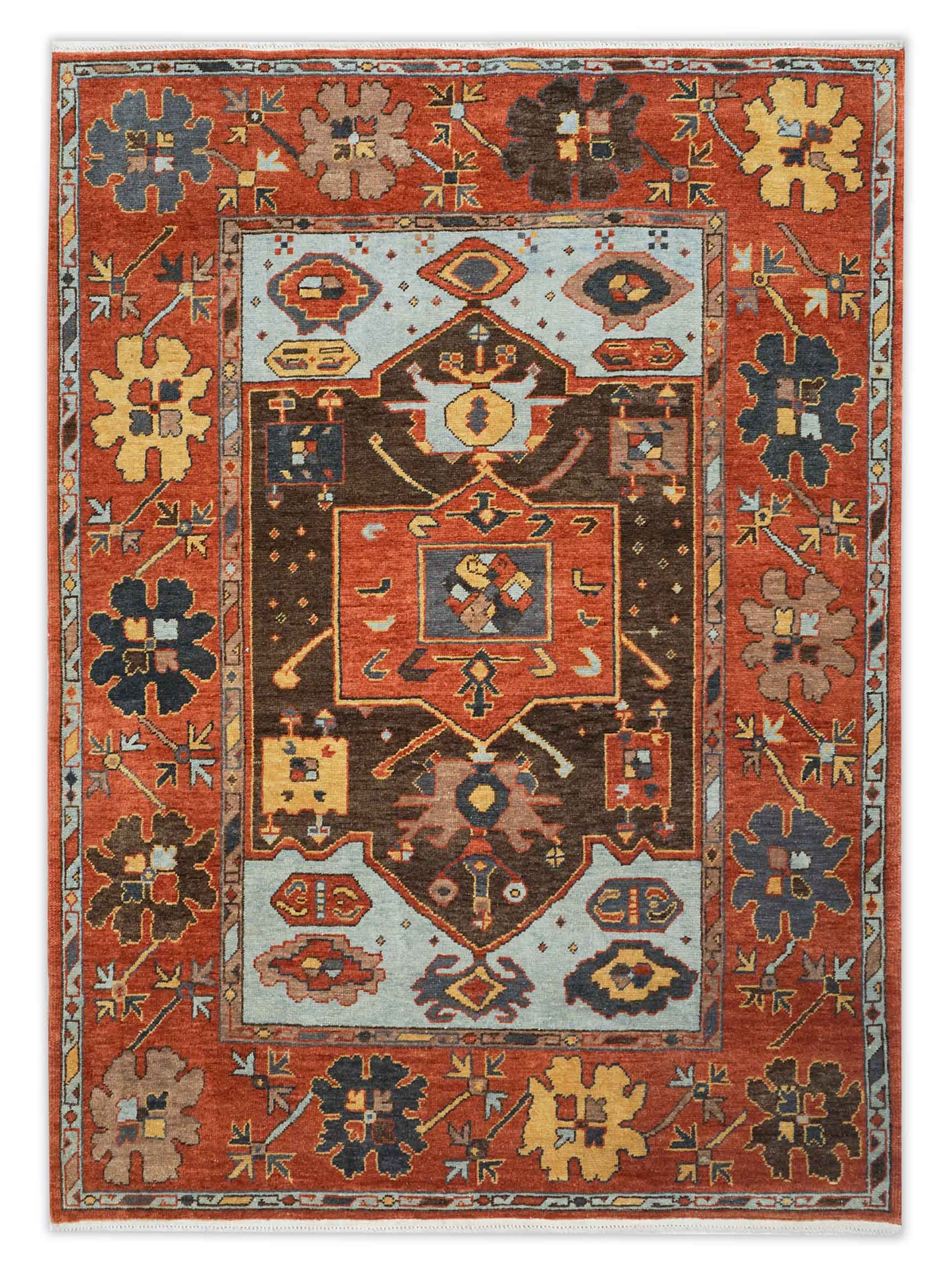
Recycling has never looked this good
A little of everything in one
Vintage Patchwork Rugs
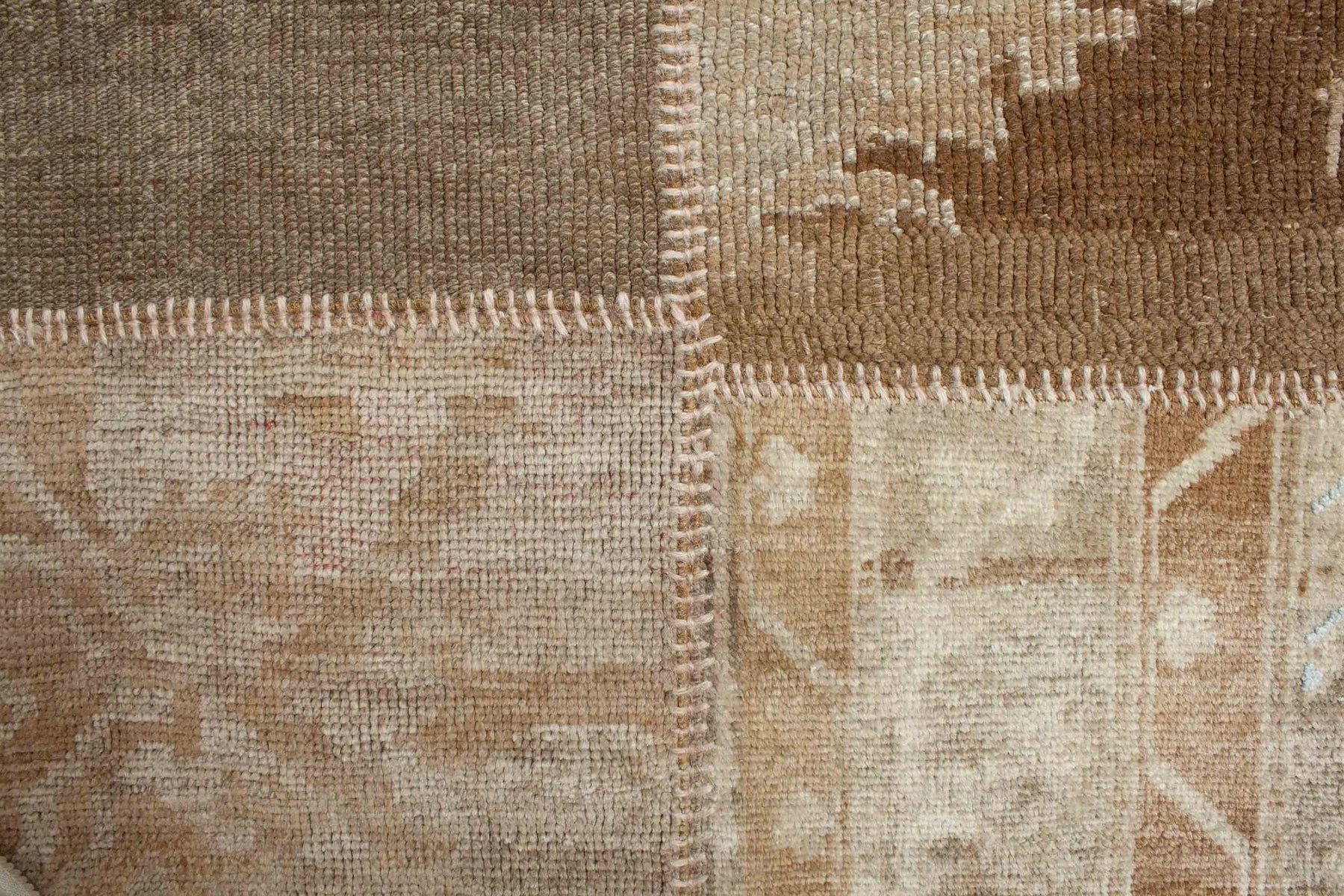
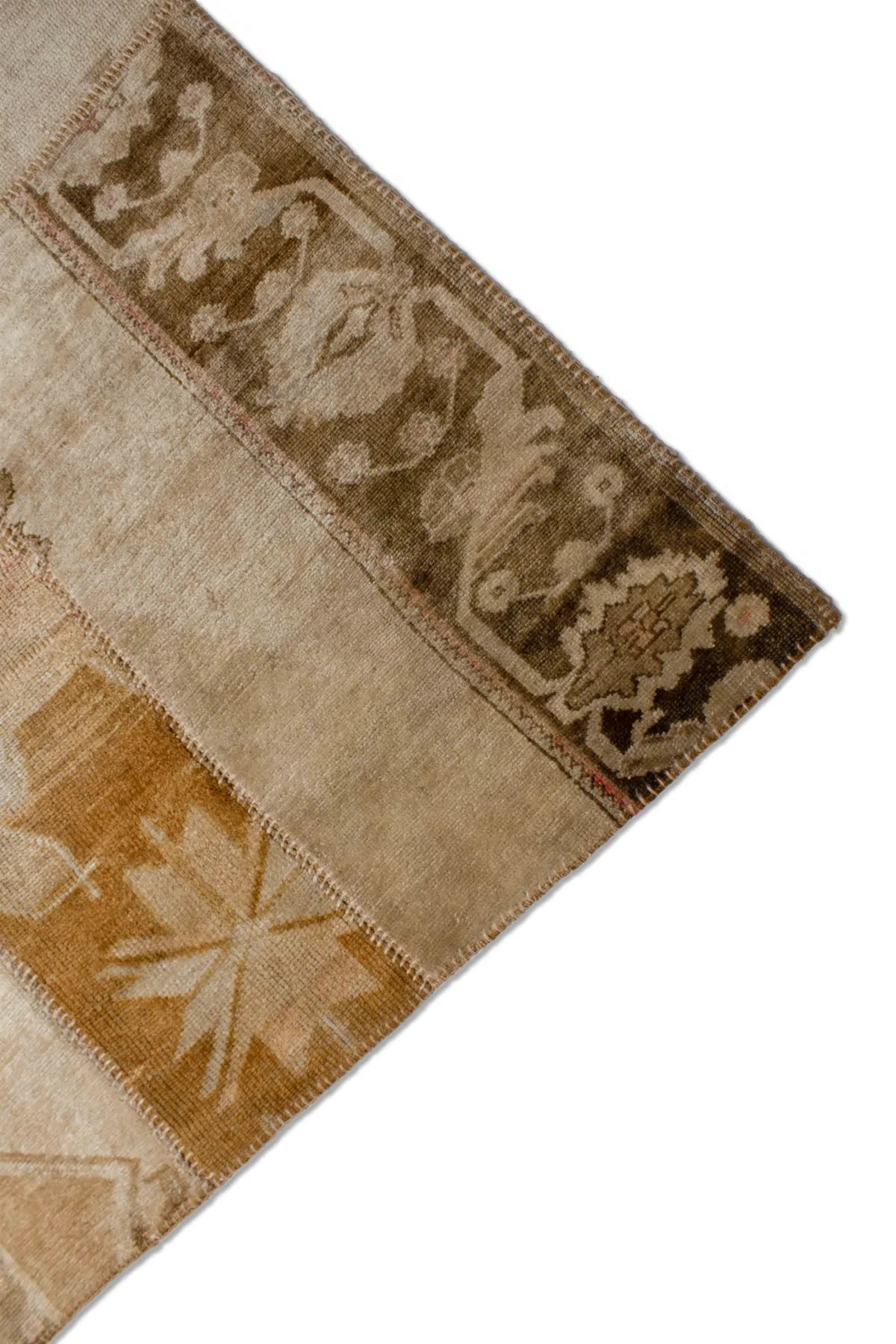
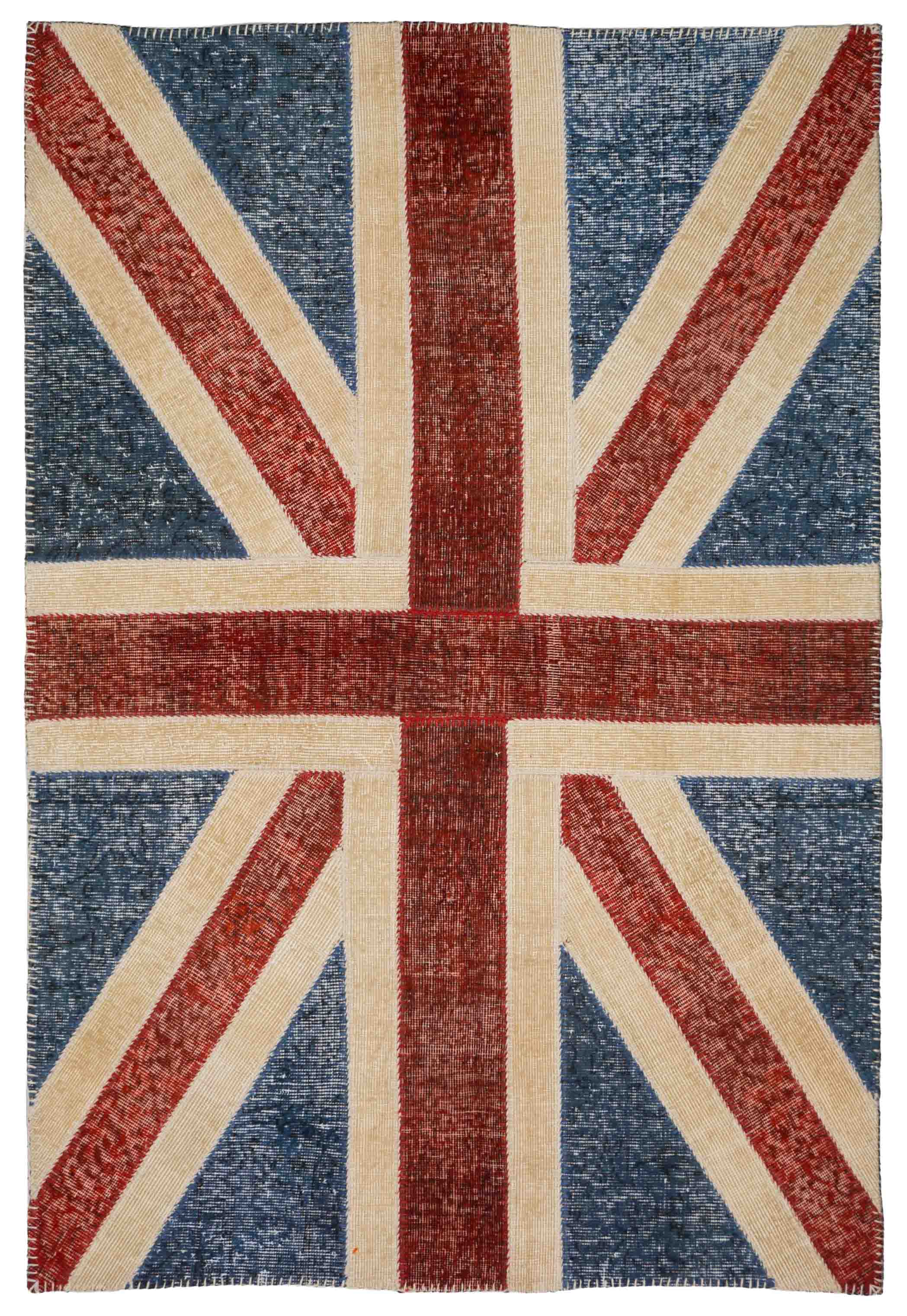
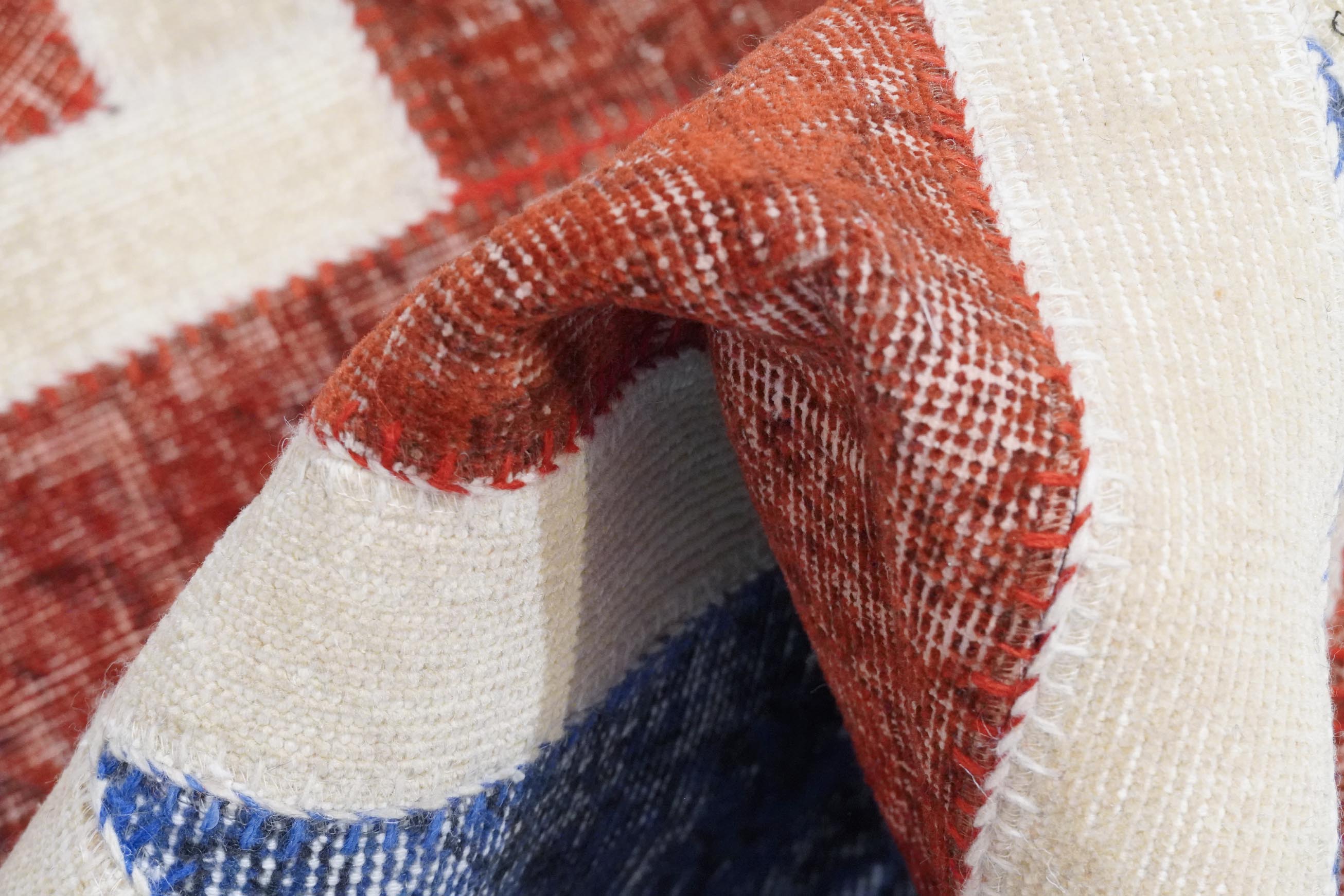
Our Vintage Patchwork rugs are put together from pieces of various hand-knotted rugs. The sound sections were cut out of pre-owned rugs and joined into new ones. The pieces were chosen with care so that pattern and colour harmonise and give each rug a style all of its own.
The seams between the individual pieces are sturdy and the back of the rug is fully backed. In this way we give pre-owned rugs a second life in a more modern guise. Discover this special rug and buy it to enrich your home with style and history.
Featured collection
Patchwork rugs
A long-held tradition
Old & Antique Kelims
Glowing colours and simple, geometric patterns – that's why Kelims are loved all over the world. Kelims (also Kilim, Qilim) were traditionally made for the weavers' own use only. Nomads and farmers used, and still use, their Kelims as rugs on the floor, but also as tent or wall hangings, blankets, cushions or bags. Because Kelims were constant companions in everyday life, their patterns – however naive they may look – always carry a personal message and hold meaning for the weavers and their families.
DISCOVER TREASURES
Old & Antique Rugs